PSA Values in Prostate Cancer: What They Can Show
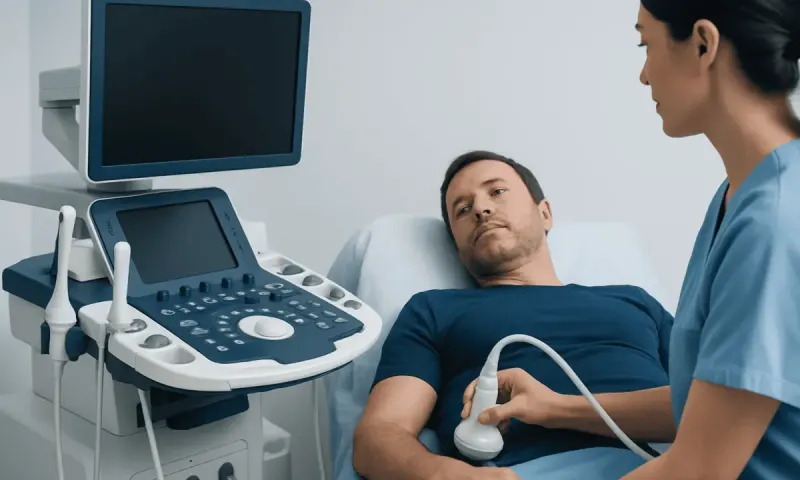
A PSA value in prostate cancer is one piece of clinical information, not a diagnosis on its own. Doctors interpret the result alongside age, prostate size, symptoms, examination findings, PSA changes over time and, when needed, imaging or biopsy results.
PSA value in prostate cancer: what the result means
A PSA value in prostate cancer refers to the level of prostate-specific antigen (PSA) measured in the blood. PSA is a protein produced by cells in the prostate gland. A higher-than-expected PSA level may be associated with prostate cancer, but it can also result from common non-cancerous conditions. For this reason, PSA is used as a screening, assessment and monitoring tool rather than a stand-alone diagnostic test.
Doctors consider the full clinical picture before deciding what a PSA result means. This includes a person’s age, family history, ethnicity, urinary symptoms, medicines, prostate examination findings and whether the PSA has changed over time. A result may lead to repeat testing, additional risk assessment, imaging or tissue sampling, but it does not automatically mean that cancer is present.
PSA can also help monitor people who have been diagnosed with prostate cancer. After treatment, the expected PSA pattern depends on the treatment received. The treating team explains which changes are important for the individual and how often follow-up testing is needed.
How the PSA blood test is performed and how to prepare
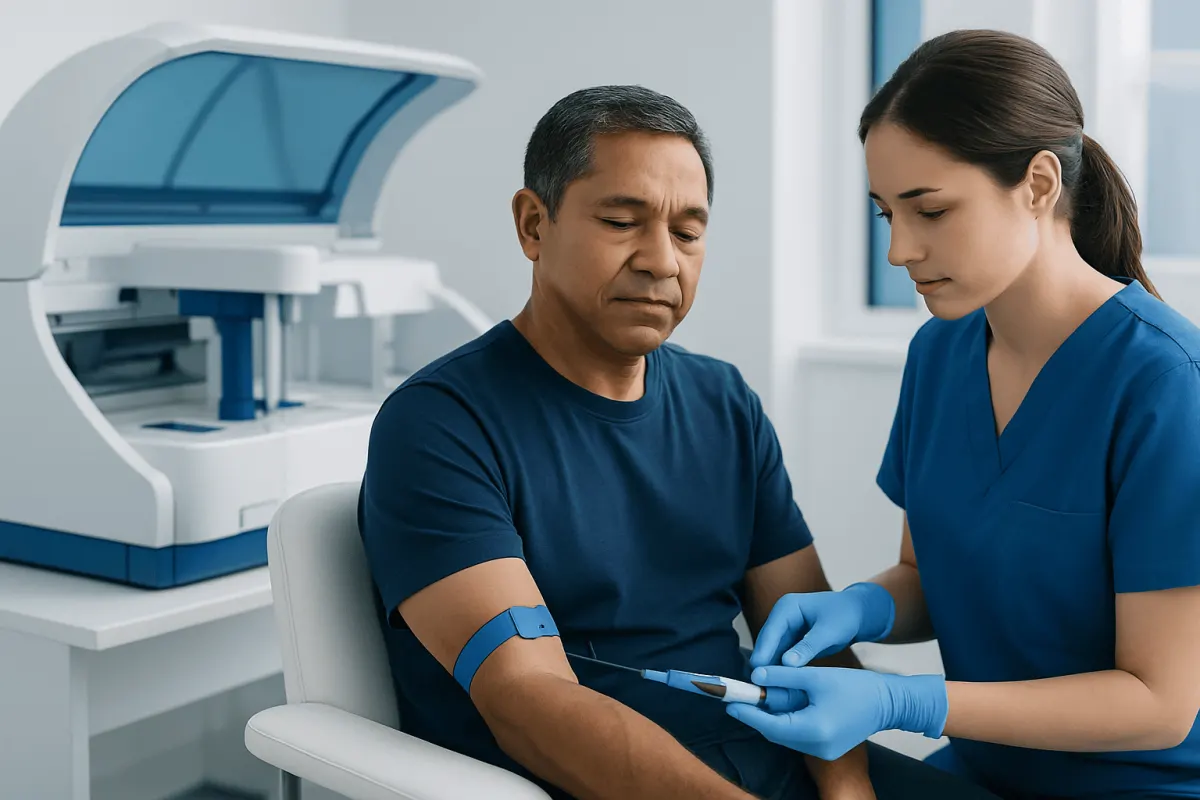
The PSA test is a routine blood test. A healthcare professional takes a small sample of blood from a vein in the arm, usually during a short clinic or laboratory visit. Fasting is not usually required, and most people can return to normal activities immediately after the sample is taken.
PSA can temporarily rise for reasons unrelated to cancer. Recent ejaculation, vigorous cycling, urinary infection, inflammation of the prostate, urinary retention and some procedures involving the prostate or bladder can affect the result. It is helpful to tell the clinician about urinary symptoms, recent infections, catheter use, procedures and all medicines or supplements before testing.
Some medicines used to treat benign prostate enlargement, including certain 5-alpha-reductase inhibitors, can lower the measured PSA level. The clinician will account for this when interpreting the result. If a PSA test is being repeated to clarify an unexpected value, the doctor may advise avoiding activities that could temporarily influence PSA and may treat an infection first if one is suspected.
Understanding PSA ranges, trends and related measurements

There is no universally “normal” PSA value that applies to every man. PSA generally rises with age because the prostate often enlarges over time. Laboratories may report a reference range, but a result within that range does not completely rule out cancer, and a result above it does not confirm cancer.
Values are often discussed in broad ranges, such as below 4 nanograms per millilitre (ng/mL), 4 to 10 ng/mL, and above 10 ng/mL. These ranges can help guide discussion, yet they should never be used alone to determine whether someone has cancer. A rapid rise, a persistent increase or a PSA level that is high relative to prostate size may deserve closer assessment even when the number is not dramatically elevated.
Doctors may use PSA density, which compares PSA with prostate volume measured on imaging, and percent-free PSA, which evaluates different forms of PSA in the blood. PSA velocity, or the rate of change over time, may also add context. These tools can help estimate risk, but they do not replace clinical judgment or confirm a diagnosis.
- A single result is a starting point, not a final answer.
- Comparing results from the same laboratory may make trends easier to interpret.
- Temporary causes of elevation should be considered before invasive testing is planned.
Can PSA levels go down with prostate cancer without treatment?
Yes. PSA levels can fluctuate and may go down on a later test even when prostate cancer is present. Natural variation, laboratory variation and temporary factors such as inflammation, sexual activity or urinary problems can influence PSA. Therefore, a decrease in PSA alone does not reliably exclude prostate cancer.
Some prostate cancers grow slowly and may produce relatively stable PSA levels for a period of time. Others can show more consistent rises. Doctors assess the overall trend together with risk factors, prostate examination findings and imaging rather than interpreting a fall or rise in isolation.
If a PSA result has changed unexpectedly, a clinician may recommend repeating the test after an appropriate interval and addressing possible temporary causes first. Further evaluation is based on the person’s individual risk profile, not solely on whether the number has decreased.
What does a PSA level of 9.2 mean?
A PSA level of 9.2 ng/mL is above the level commonly expected in many adults, but it does not by itself mean that a person has prostate cancer. This value is often described as being within an intermediate or borderline-elevated range, where both benign causes and cancer are possible. Its significance varies with age, prostate size, prior PSA results, symptoms and other clinical details.
A doctor may first check whether there are explanations such as a urinary tract infection, prostatitis, recent urinary retention, benign prostate enlargement or recent prostate manipulation. Depending on the situation, the next step may be a repeat PSA test, a digital rectal examination, urine testing, percent-free PSA testing or multiparametric MRI of the prostate.
If concern remains after these steps, a specialist may discuss a prostate biopsy. Modern assessment often uses MRI information to guide biopsy decisions and target suspicious areas. The purpose is to avoid unnecessary procedures where possible while identifying clinically significant cancer when it is present.
What is a normal PSA for an 80 year old man?
PSA levels tend to increase with age, so an 80-year-old man may have a higher PSA level than a younger man without necessarily having cancer. Some clinical references use age-adjusted ranges that allow higher values in older age groups, but these ranges vary and should not be treated as strict cut-offs.
For an older adult, the most appropriate interpretation depends on overall health, life expectancy, symptoms, previous PSA values, prostate size and personal preferences. The possible benefits and harms of further testing are especially important to discuss because not every prostate cancer requires immediate treatment, and some may never cause symptoms or affect health.
A new rise in PSA, an abnormal prostate examination or concerning symptoms can still require assessment at any age. Shared decision-making with a primary care doctor or urologist helps determine whether testing, monitoring or further investigation is appropriate for the individual.
Is it possible to have very high PSA levels without having cancer?
Yes. Very high PSA levels can occur without prostate cancer, although higher results generally require timely medical assessment. Acute prostatitis, a urinary tract infection, severe urinary retention, marked benign prostate enlargement and recent prostate instrumentation can sometimes cause substantial PSA elevations.
Infection or inflammation may cause symptoms such as burning when urinating, fever, pelvic discomfort, frequent urination or difficulty passing urine. However, symptoms are not always present, and cancer can coexist with benign prostate conditions. A clinician may perform urine tests, assess the prostate, review medical history and repeat PSA testing after a suspected temporary cause has been managed.
It is important not to assume that a high PSA is caused by an infection or enlarged prostate without medical evaluation. The doctor can determine whether specialist referral, imaging or other tests are needed and explain the reasoning clearly.
Next steps, recovery and when to seek medical care
Following a PSA blood test, there is usually no recovery period beyond minor tenderness or bruising where blood was drawn. Results may be available within a few days, depending on the laboratory. A clinician should discuss whether the result fits with previous measurements and whether repeating the test or arranging further evaluation would be useful.
When further investigation is appropriate, a urologist may recommend prostate MRI before biopsy. If biopsy is needed, the team will explain the procedure, possible side effects and aftercare. Potential treatment decisions are based on the cancer grade and stage, PSA pattern, imaging findings, general health and personal priorities; options may include active surveillance, surgery, radiation therapy or other treatments.
When to seek medical care: A person should arrange a medical review for a newly raised PSA result, persistent urinary changes, blood in the urine or semen, repeated urinary infections, or pelvic discomfort. Urgent medical attention is appropriate for inability to pass urine, fever with urinary symptoms, severe pain, or rapidly worsening illness. Back or bone pain, unexplained weight loss or ongoing fatigue should also be discussed with a doctor, particularly when accompanied by urinary symptoms.
Acıbadem Health Point’s multidisciplinary specialists and JCI-accredited hospitals can assess prostate concerns and coordinate diagnostic and treatment planning for international patients. Decisions about PSA testing and follow-up should always be made with a qualified healthcare professional who knows the individual’s medical history.
Frequently asked questions
01Does a high PSA always mean prostate cancer?
No. A high PSA can be caused by benign prostate enlargement, prostate inflammation, urinary infection, urinary retention or recent procedures, as well as prostate cancer. A doctor may repeat the test and use other assessments to clarify the cause.
02Can prostate cancer be present with a low PSA?
Yes. Some prostate cancers produce little PSA, so a low value cannot completely exclude cancer. Symptoms, family history, examination findings and other tests may still be important.
03How long should someone wait before repeating a PSA test?
The timing depends on the PSA level, symptoms and possible temporary causes of elevation. A clinician may recommend repeating it after an infection has resolved or after avoiding factors that can temporarily raise PSA. The appropriate interval should be individualized.
04Should a person avoid sex before a PSA test?
Ejaculation may temporarily raise PSA in some people. A clinician or laboratory may advise avoiding ejaculation for a short period before the test, particularly if the result will guide further decisions. Patients should follow the instructions provided by their healthcare team.
05What happens if PSA remains elevated?
Persistent elevation may lead to a urology referral and further risk assessment. This can include a rectal examination, urine testing, additional blood-based measures, prostate MRI and sometimes a biopsy. The aim is to identify the cause while avoiding unnecessary invasive testing.
06Is PSA screening recommended for everyone?
PSA screening is not automatically appropriate for everyone. The decision should be individualized based on age, general health, family history, ancestry, personal values and the possible benefits and limitations of screening. A doctor can help a person make an informed choice.
This article is for general information only and is not a substitute for professional medical advice. Please consult a qualified doctor about your individual situation.
Oncology care in Turkey — second opinion and treatment plan
JCI-accredited · board-certified surgeons · reply within 24h
Add us as a Preferred Source to see more of our trusted health content across Google Search, AI Overviews and Discover.