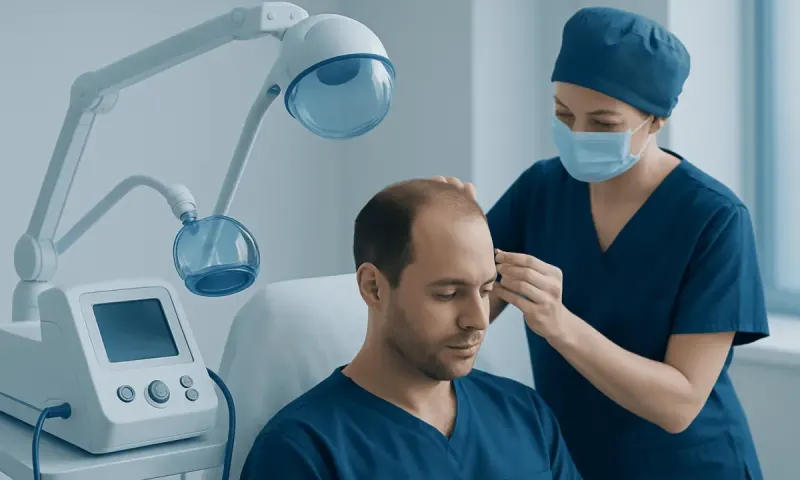
PRP Hair Therapy Cost: Are Maintenance Sessions Needed?
PRP hair therapy cost is not one fixed amount because clinics may use different preparation systems, treatment schedules, consultation processes and follow-up plans. A clear estimate should explain the number of sessions, whether review visits are included and the likely need for maintenance treatment.
PRP Hair Therapy Cost: What Does the Price Include?
PRP hair therapy cost varies because platelet-rich plasma treatment is usually personalised rather than sold as one identical service. A quote may differ according to the country and city, the size of the treatment area, the clinician’s expertise, the method used to prepare the plasma, and whether the plan includes consultation, scalp assessment, injections and follow-up visits.
When comparing PRP hair treatment pricing, it is more useful to ask what is included than to focus only on the initial figure. Patients can ask whether the price is per session or for a course, whether blood tests or consultation fees are separate, whether photographs and progress reviews are provided, and whether future maintenance sessions may be recommended. PRP is often considered an elective treatment, so insurance coverage may be limited or unavailable depending on the healthcare system and policy.
For people researching PRP hair treatment cost USA or prices in other countries, direct comparisons can be misleading. Local healthcare costs, professional regulation, clinic facilities and treatment protocols vary substantially. A reputable provider should offer a transparent written plan after assessing the pattern and possible cause of hair loss.
How PRP Hair Therapy Works
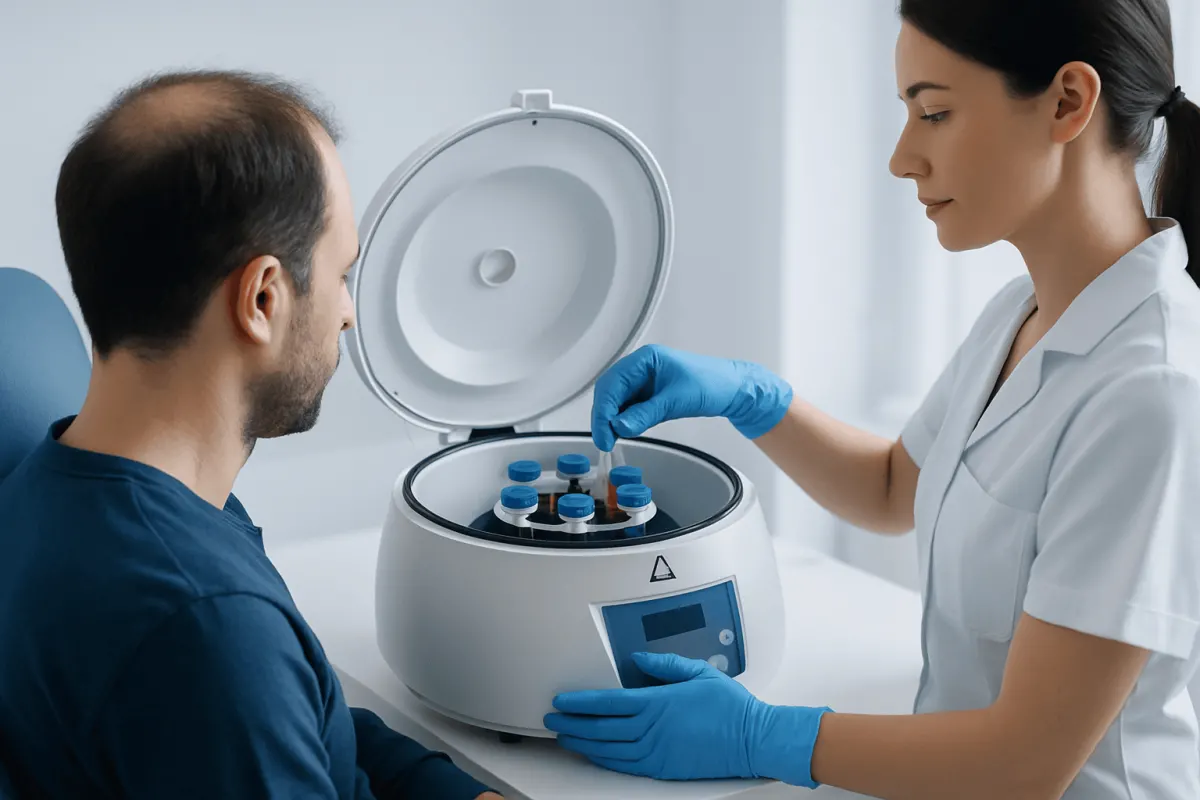
Platelet-rich plasma, commonly called PRP, is made from a small sample of the patient’s own blood. Blood is placed in a centrifuge, which separates its components and concentrates platelets within plasma. Platelets contain proteins and signalling molecules involved in normal tissue repair and healing.
In hair treatment, the prepared PRP is injected into selected areas of the scalp. Researchers are studying how these injections may support hair follicles, improve the local scalp environment and help prolong the active growth phase of hair. PRP does not create new follicles, and it cannot reliably restore areas where follicles have been inactive for a long time.
The strongest evidence is for androgenetic alopecia, also called male- or female-pattern hair loss. This common condition causes gradual thinning in a recognisable pattern. However, scalp inflammation, nutritional deficiencies, thyroid disorders, medication effects, stress-related shedding and autoimmune conditions can also cause hair loss. Identifying the cause is essential before choosing PRP.
Who May Be a Candidate for PRP?

PRP may be considered for adults with early to moderate thinning, especially when follicles are still present and producing finer hairs. It may be used alone in selected cases or alongside evidence-based treatment for pattern hair loss. A clinician will consider the duration and pattern of hair loss, scalp health, medical history, medications and treatment expectations.
People with active scalp infections, certain bleeding disorders, very low platelet counts, significant anaemia or uncontrolled medical conditions may need treatment delayed or may not be suitable. Pregnancy, breastfeeding and the use of medicines that affect bleeding or platelet function should also be discussed with a clinician. The decision should be individual rather than based on online photographs or a standard package.
A consultation may include examination of the scalp and hair shaft, a review of shedding and family history, and sometimes blood tests where a medical cause is suspected. For example, sudden patchy loss may need assessment for alopecia areata, while diffuse shedding after illness, stress or hormonal change may require a different approach.
What Happens During the Procedure and Recovery?
PRP hair therapy usually begins with a consultation and scalp assessment. On the day of treatment, a clinician takes a small blood sample, similar to a routine blood draw. The sample is processed in a centrifuge to prepare platelet-rich plasma, and the scalp is cleaned before carefully planned injections are placed into thinning areas.
The procedure is commonly completed as an outpatient visit. Injection discomfort varies, and clinics may use cooling, topical numbing or other comfort measures when appropriate. Patients should tell the clinician about all medicines and supplements they take, particularly those that can affect bleeding, and should follow the clinic’s individual pre-procedure instructions.
Most people can return to usual light activities soon afterwards. Mild tenderness, redness, pinpoint bleeding, swelling or a headache can occur for a short time. The clinician may advise avoiding vigorous scalp rubbing, harsh hair products, swimming or strenuous exercise for a limited period. Aftercare instructions vary, so the treating team’s advice should take priority.
PRP is often planned as an initial series of sessions spaced over several months, followed by review and, for some patients, maintenance. Hair changes are gradual because follicles follow a slow growth cycle. Consistent photographs taken under similar lighting can help assess changes more reliably than day-to-day observation.
Benefits, Limits and Possible Risks
Some studies suggest PRP can improve hair density, hair thickness or shedding in some people with pattern hair loss. It may be most useful when started while follicles remain active. Because PRP is made from the patient’s own blood, allergic reactions to the injected material are considered uncommon.
However, results are variable. Research uses different PRP preparation methods, injection schedules and outcome measures, which makes it difficult to predict a particular person’s response. PRP should not be presented as a cure, and a clinician should explain how progress will be reviewed and when a plan may need to change.
Possible complications include temporary pain, bruising, swelling, headache, infection, bleeding and inflammation at injection sites. Rare complications may occur with any injection procedure. Choosing a qualified medical professional, appropriate sterile technique and a proper medical assessment can reduce avoidable risk.
For some patients, PRP may be considered alongside options such as medicines, scalp care or hair transplant surgery when hair loss is more advanced. The right approach depends on the diagnosis, stability of hair loss, donor hair availability and personal goals.
Is PRP Really Worth It for Hair?
Whether PRP is worth it for hair depends on the cause of hair loss, the degree of thinning, the person’s budget and their willingness to attend repeated sessions and reviews. It may be a reasonable option for someone with pattern hair loss who understands that results can be gradual, modest and variable rather than immediate or guaranteed.
Before deciding, patients can ask what diagnosis is being treated, what improvement is realistically expected, how many sessions are proposed, how long results may last and what the alternatives are. It is also sensible to ask how the provider measures benefit, such as standardised photographs, hair counts or clinical examination.
PRP hair treatment success rate cost should not be judged as a simple equation. A lower-priced plan may not include a thorough assessment or follow-up, while a higher-priced plan does not guarantee better outcomes. Value comes from an evidence-informed plan, transparent communication and treatment that matches the individual diagnosis.
How Much Do 3 Sessions of PRP Cost?
There is no universal price for three PRP sessions. The total depends on whether a clinic charges per session or offers a treatment course, as well as the factors that affect PRP hair therapy cost, including location, treatment area, preparation technique and the experience of the medical team.
Patients should request an itemised estimate that states whether three sessions are clinically appropriate for their situation and whether the quote includes consultation, blood processing, injections, follow-up appointments, scalp imaging or any recommended maintenance. They should also ask about cancellation policies and whether additional treatment is likely to be suggested after the initial course.
Rather than selecting treatment based on price alone, patients should confirm that a licensed clinician will diagnose the hair loss and perform or directly supervise the procedure. Clear consent discussions should cover expected benefits, limitations, adverse effects and alternatives before payment is made.
Is PRP 100% Safe? Does PRP Regrow Hair Permanently?
PRP is not 100% safe, as no medical procedure is completely without risk. It is generally considered well tolerated when patients are appropriately selected and treatment is carried out using sterile techniques by trained clinicians. Temporary injection-site discomfort and swelling are among the more common effects, while infection and more significant complications are uncommon but possible.
PRP does not regrow hair permanently for everyone. Pattern hair loss is typically progressive, so any improvement may require ongoing monitoring and maintenance treatment. PRP may support existing follicles, but it does not permanently stop the biological processes that cause androgenetic alopecia.
Patients should seek medical care promptly for severe or worsening scalp pain, increasing redness, warmth, pus, fever, widespread rash, faintness or other unexpected symptoms after a procedure. Medical assessment is also important for sudden hair loss, patchy hair loss, scalp scaling or pain, hair loss with fatigue or weight changes, or shedding that causes significant distress.
Acıbadem Health Point’s multidisciplinary specialists and JCI-accredited hospitals assess hair and scalp concerns for international patients and can discuss appropriate diagnostic and Acne Treatment Options: Topical, Oral, and Procedure-Based Care" class="ahp-ilk">treatment options, including PRP treatment, where clinically suitable.
Frequently asked questions
01What affects PRP hair therapy cost?
The cost can depend on the clinic location, the clinician’s qualifications, the size of the scalp area being treated and the PRP preparation method. It may also vary according to whether consultation, follow-up visits, photographs and maintenance sessions are included.
02How many PRP sessions are usually needed for hair loss?
Many treatment plans begin with several sessions spread over a period of months, but the exact schedule differs between patients and clinics. A clinician should recommend a plan after diagnosing the type and stage of hair loss rather than applying the same schedule to everyone.
03Is PRP really worth it for hair?
PRP may be worthwhile for selected people with active follicles and pattern hair loss, particularly when they understand that results are variable. It is best considered after a clinical assessment and a discussion of alternatives, expected benefit, cost and possible maintenance.
04How much do 3 sessions of PRP cost?
There is no single price for three sessions because local healthcare costs and clinic protocols differ. Patients should ask for a written, itemised estimate that explains what is included and whether additional sessions may be recommended.
05Is PRP 100% safe?
No procedure is 100% safe. PRP is generally well tolerated because it uses the patient’s own blood components, but injection-related effects such as pain, swelling, bruising, bleeding and infection can occur.
06Does PRP regrow hair permanently?
PRP does not guarantee permanent hair regrowth. It may improve hair appearance or reduce shedding for some people, but pattern hair loss can continue over time and maintenance treatment may be needed.
This article is for general information only and is not a substitute for professional medical advice. Please consult a qualified doctor about your individual situation.
Hair transplant in Turkey — costs, graft counts & a free assessment
JCI-accredited · board-certified surgeons · reply within 24h
Add us as a Preferred Source to see more of our trusted health content across Google Search, AI Overviews and Discover.