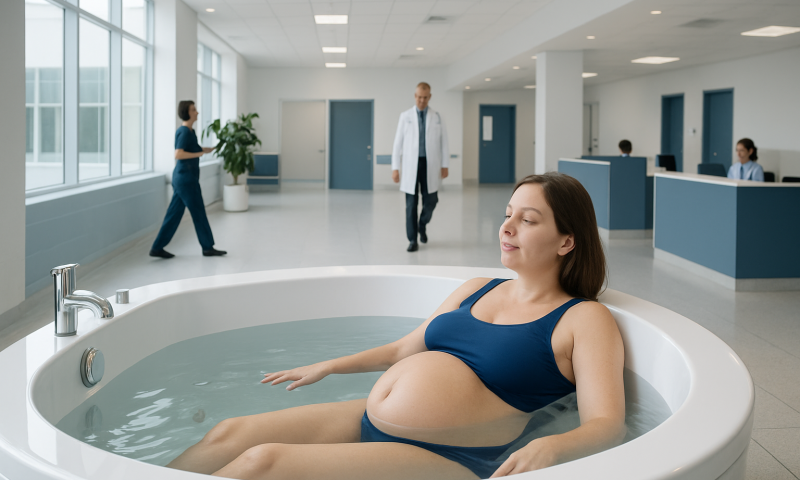
Protein in Urine of Pregnant Woman: What You Need to Know

Key Takeaways
- Small amounts of protein may sometimes appear in pregnancy, but persistent or rising protein needs medical review.
- Protein in urine can be associated with preeclampsia, a condition that requires monitoring and timely treatment.
- A urine test alone does not tell the full story; blood pressure, symptoms, and blood tests help doctors interpret the result.
- Swelling, headaches, vision changes, right upper belly pain, or sudden shortness of breath should be discussed with a doctor promptly.
- Treatment depends on the cause and may include closer monitoring, medicines, rest, or planned delivery if needed for mother or baby.
Protein in urine during pregnancy can be a normal, temporary finding in some cases, but it can also signal a condition that needs prompt medical attention, especially preeclampsia. The meaning depends on how much protein is present, when it appears, and whether other symptoms are present.
Overview
When a pregnant woman is told there is protein in her urine, the first question is usually simple: what does it mean? In many cases, it is a clue that doctors use to look more closely at how the pregnancy is affecting the kidneys and the rest of the body. Sometimes it is harmless or temporary. In other situations, it is one of the early signs of a pregnancy complication that should not be ignored.
Protein normally stays in the blood, where it helps the body work properly. Healthy kidneys filter waste while keeping most protein inside the body. If the filters are irritated, strained, or damaged, protein can leak into the urine. During pregnancy, this can happen for a variety of reasons, and the timing matters. Protein found before 20 weeks of pregnancy is interpreted differently from protein found later in pregnancy.
For this reason, protein in urine of pregnant woman is not a diagnosis by itself. It is a finding that needs context: blood pressure readings, symptoms, urine test results, and sometimes blood tests or fetal checks. The goal is not to create worry, but to identify whether the pregnancy needs closer observation or treatment.
Symptoms
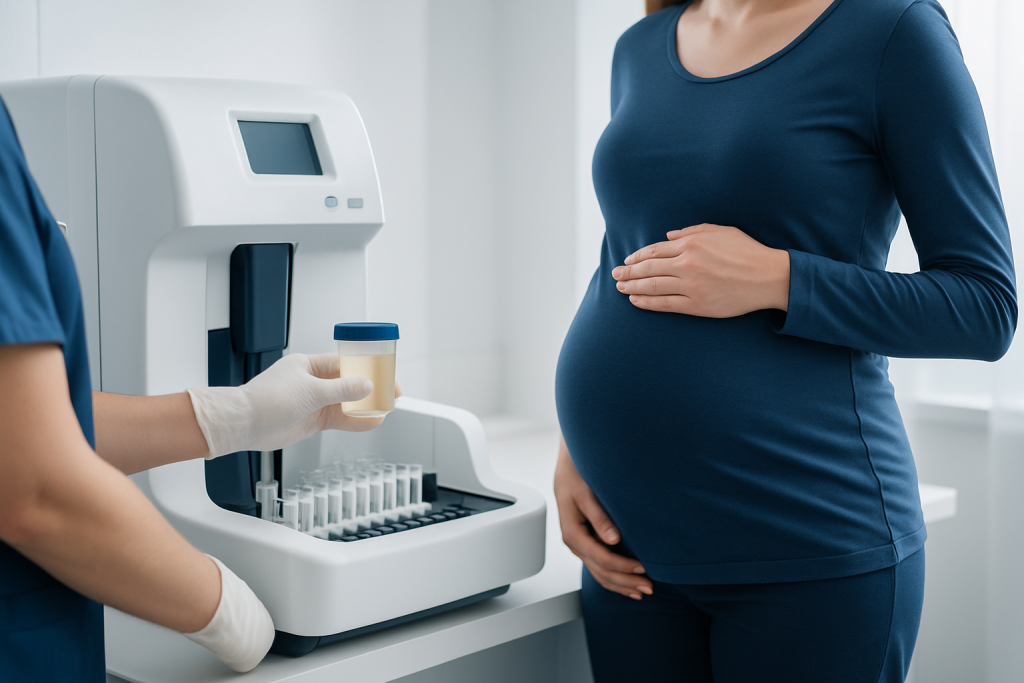
Protein in urine often does not cause symptoms on its own. Many women discover it only during a routine prenatal visit. That is one reason prenatal screening is so important: a problem can be found before it becomes noticeable.
When protein in urine is linked with a condition such as preeclampsia, other symptoms may appear alongside it. These can develop gradually or sometimes quite quickly. Common warning signs include:
- Swelling of the hands, face, or feet that is sudden or increasing
- Headache that does not improve easily
- Blurred vision, spots, or flashing lights
- Pain in the upper right side of the abdomen
- Nausea or vomiting after the middle of pregnancy
- Shortness of breath or a feeling of chest tightness
- High blood pressure noted at a clinic visit
It is also useful to remember that mild swelling and some tiredness can be part of a healthy pregnancy. What matters is change, severity, and whether symptoms occur together. A clinician can help separate common pregnancy discomforts from signs that need evaluation.
Causes & Risk Factors
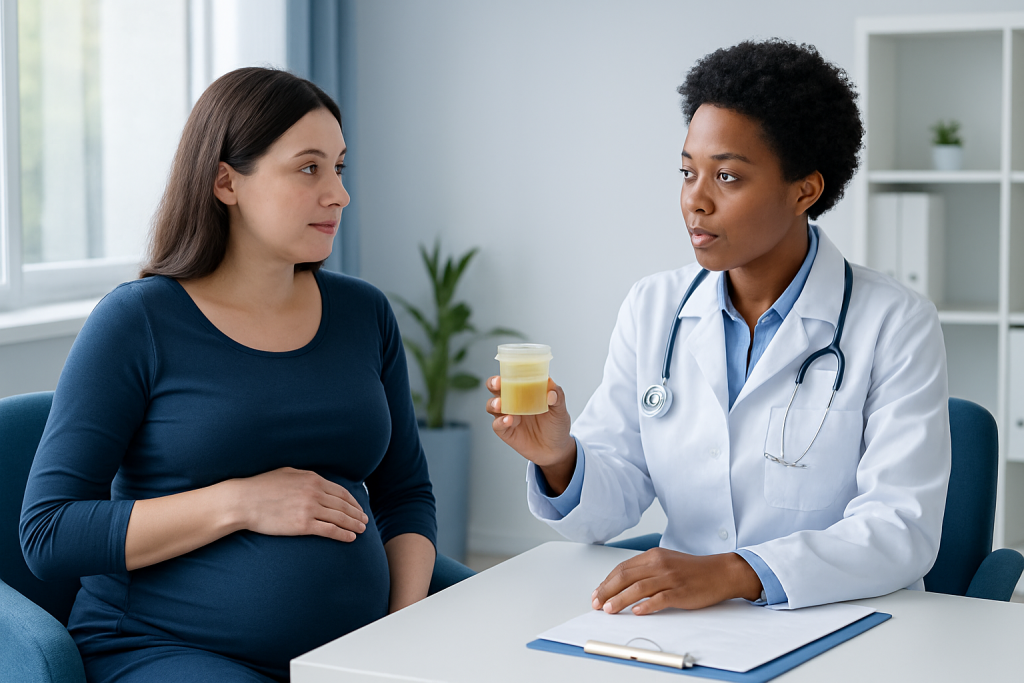
There are several reasons protein may appear in a pregnant woman’s urine. Some are temporary and less concerning, while others deserve careful follow-up. Dehydration, a urinary tract infection, recent strenuous activity, or fever can sometimes affect urine findings. In these situations, protein may disappear once the underlying issue is treated.
Later in pregnancy, the most important cause doctors look for is preeclampsia. This condition involves high blood pressure and signs that organs such as the kidneys or liver may be under stress. Protein in urine can be one part of that picture. Preeclampsia does not always start with obvious symptoms, which is why blood pressure checks and urine testing are built into prenatal care.
Some women have a higher chance of developing proteinuria or preeclampsia during pregnancy. Risk can be increased by a history of preeclampsia, chronic high blood pressure, kidney disease, diabetes, autoimmune disease, a first pregnancy, multiple pregnancy, or certain family and personal health factors. Even so, protein in urine can also occur in women without obvious risk factors, which is another reason routine monitoring matters.
Diagnosis
Doctors usually begin by asking when the protein was found, how it was detected, and whether there are symptoms or blood pressure changes. A dipstick test in the office can provide a quick screening result, but it is not the final word. If protein is seen, the next step may be a repeat sample or a more precise urine test.
Common ways to confirm or measure protein in urine include a urine protein-to-creatinine ratio or a 24-hour urine collection. These tests help estimate how much protein is present and whether it is likely to be clinically important. The care team may also check blood pressure repeatedly, examine swelling, and order blood tests to look at kidney function, liver enzymes, and platelet levels.
If the pregnancy is beyond the second trimester, the doctor may also monitor the baby more closely with ultrasound, growth checks, or fetal heart rate testing. The evaluation is designed to answer two questions at once: what is affecting the mother, and whether the baby is being affected as well. That broader view is what makes prenatal care so valuable.
Treatment Options
Treatment depends on the cause, the amount of protein, and the overall pregnancy picture. If the protein is related to a urinary tract infection or dehydration, treating that issue may resolve the finding. If there is underlying kidney disease, care is usually coordinated between obstetrics and the relevant specialist.
When preeclampsia is suspected or confirmed, management becomes more structured. Some women can be followed closely as outpatients, while others need hospital observation, especially if blood pressure is high or symptoms are progressing. The doctor may recommend medications to control blood pressure or prevent complications, and frequent monitoring of maternal symptoms, laboratory tests, and fetal well-being.
Delivery is sometimes the safest treatment for preeclampsia, particularly when pregnancy is near term or if the mother or baby shows signs of stress. The timing is individualized; doctors weigh the risks of continuing the pregnancy against the benefits of more time in the womb. For women traveling for treatment, this is one reason a clear plan for monitoring, communication, and follow-up after returning home is essential.
Prevention & Self-care
Not every case of protein in urine can be prevented, but good prenatal care lowers the chance that a problem will go unnoticed. Keeping scheduled appointments, having blood pressure checked, and following testing recommendations are the most reliable steps. This is especially important for women with prior high blood pressure, kidney disease, or a history of pregnancy complications.
At home, the emphasis should be on supportive habits rather than self-diagnosis. Drinking enough fluids, resting when advised, and paying attention to symptoms are sensible measures. A woman should not try to interpret urine results on her own or wait for the next appointment if symptoms are changing. Urine dipsticks bought for home use can be misleading unless they are used and interpreted in the right context.
It can also help to keep a simple symptom note: blood pressure readings if they are being monitored, new swelling, headaches, visual changes, or abdominal pain. For Myomectomy Recovery for International Patients: The Usual Travel Timeline" class="ahp-ilk">international patients, bringing this information to each visit—whether at home or during travel—makes handover between clinicians easier and safer.
When to See a Doctor
Any protein finding during pregnancy should be discussed with the prenatal care team, especially if it appears for the first time after 20 weeks. It may not mean something serious, but it should not be ignored or assumed to be normal without review. The doctor can decide whether repeat testing or additional monitoring is needed.
Prompt medical attention is especially important if protein in urine occurs together with high blood pressure, severe headache, vision changes, sudden swelling, right upper belly pain, decreased fetal movement, shortness of breath, or nausea and vomiting that is unusual for that stage of pregnancy. These symptoms can point to a condition that needs same-day assessment.
Women who already have kidney disease, chronic hypertension, diabetes, or a previous pregnancy complication should be followed closely throughout pregnancy. If care is being sought abroad, a multidisciplinary team and JCI-accredited hospitals such as Acibadem Health Point can help diagnose and treat this condition for international patients, with coordinated obstetric, medical, and follow-up care.
Frequently asked questions
01Is protein in urine always dangerous during pregnancy?
No. Protein can sometimes appear temporarily because of dehydration, an infection, or other non-serious causes. Still, it should always be reviewed in the context of blood pressure, symptoms, and the stage of pregnancy.
02Does protein in urine mean preeclampsia?
Not necessarily, but it is one of the findings doctors consider when checking for preeclampsia. High blood pressure and other symptoms are also important, so the urine result is only one part of the evaluation.
03Can protein in urine go away on its own?
Yes, if it is related to a temporary issue such as a urinary tract infection or dehydration. If it is linked to a pregnancy complication or kidney problem, it usually needs medical follow-up.
04What tests are used to check protein in urine during pregnancy?
A urine dipstick may be used first, but doctors often confirm the result with a protein-to-creatinine ratio or a 24-hour urine collection. Blood pressure checks and blood tests may also be done to understand the cause.
05Should a pregnant woman worry if she sees foam in the urine?
Foamy urine can sometimes happen when there is protein in the urine, but it can also have harmless explanations. It is a good reason to mention the symptom to a doctor, especially if it is new or persistent.
06Can protein in urine affect the baby?
It can, depending on the cause. If protein is part of preeclampsia or another condition that affects placental blood flow, the baby may need closer monitoring to make sure growth and well-being stay on track.
This article is for general information only and is not a substitute for professional medical advice. Please consult a qualified doctor about your individual situation.
Persistent digestive symptoms? Get evaluated in Turkey
JCI-accredited · board-certified surgeons · reply within 24h
Add us as a Preferred Source to see more of our trusted health content across Google Search, AI Overviews and Discover.