10 Weeks Pregnant Woman: What You Need to Know

Key Takeaways
- A 10 weeks pregnant woman is typically in the final stretch of the first trimester, when major early development is underway.
- Nausea, fatigue, breast tenderness, and mood changes are common, but symptom patterns vary widely from person to person.
- Mild cramping or spotting can happen in early pregnancy, yet heavy bleeding, severe pain, or dizziness need medical review.
- Prenatal care, hydration, gentle nutrition, and rest remain important, even when food aversions or morning sickness are present.
- Ultrasound and routine prenatal checks may help confirm progress and support the next steps in care.
- Any new or worrying symptom should be discussed with a qualified obstetrician or midwife.
At 10 weeks pregnant, a woman is usually near the end of the first trimester, when early pregnancy symptoms can be intense but the baby is developing quickly. This stage often brings questions about nausea, cramping, scans, and what is normal, and clear guidance can help make the weeks feel more manageable.
Overview
At 10 weeks pregnant, a woman is usually well into the first trimester and often beginning to feel both the physical demands of pregnancy and the emotional reality of it. This is a stage when the body is adapting quickly, the placenta is developing its role, and the embryo is entering an important period of growth.
Many people search for what a 10 weeks pregnant woman should expect because this week can feel especially mixed: symptoms may still be strong, yet the pregnancy may not be visibly obvious to others. For some, there is relief after an early scan or prenatal appointment; for others, uncertainty remains while they wait for reassurance from a healthcare professional.
Pregnancy experiences differ widely. Some women feel exhausted and nauseated, while others notice only mild changes. What matters most at this point is knowing which symptoms are common, which ones deserve attention, and how to support health safely during a time of rapid change.
What Is Happening in the Body and to the Baby

By 10 weeks of pregnancy, the embryo is developing into a fetus, and many of the body’s early structures are already forming. The heart is beating, the brain and spinal cord are continuing to mature, and tiny limbs, fingers, and facial features are becoming more defined. Although the baby is still very small, this is a highly active stage of development.
In the mother’s body, hormones continue to rise and influence many first-trimester symptoms. These hormonal shifts help maintain the pregnancy, but they can also affect digestion, energy levels, skin, emotions, and appetite. The uterus is growing, though it may still sit low in the pelvis and not be visible from the outside.
Some women find that the idea of a “10 weeks pregnant woman” sounds simple, but the reality is often layered. One person may feel almost normal, while another may need frequent rest and help coping with nausea. Both can be within the range of healthy early pregnancy.
Common Symptoms at 10 Weeks
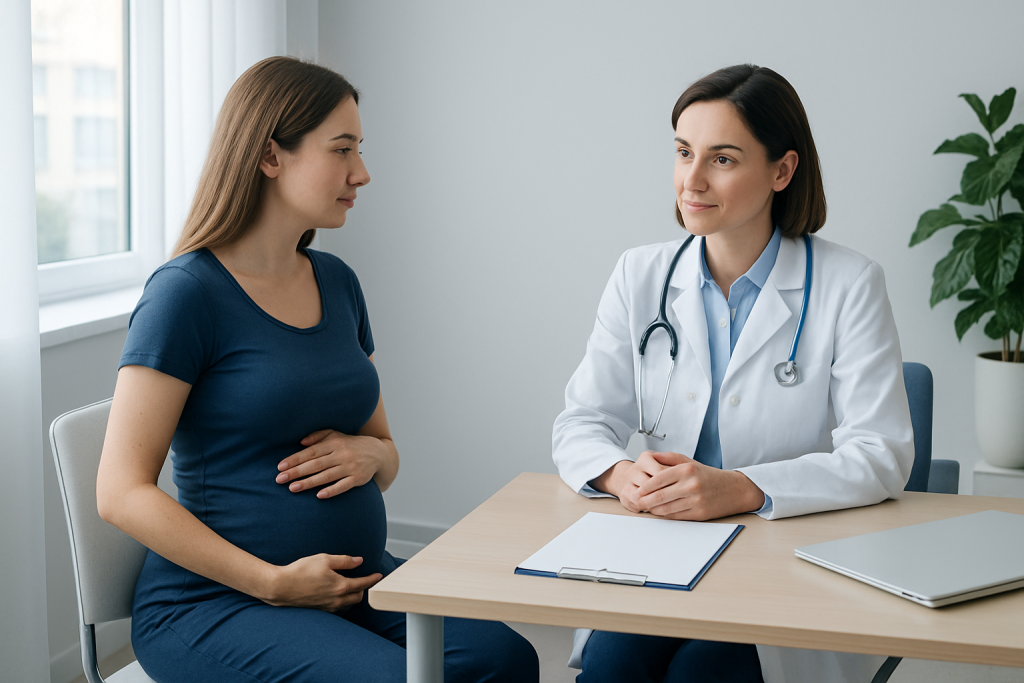
At 10 weeks, many pregnancy symptoms are related to hormone changes and the body’s adjustment to carrying a baby. Nausea and vomiting are among the most common, often called morning sickness even though they may happen throughout the day. Food aversions, heightened smell sensitivity, and a reduced appetite are also frequent.
Fatigue is another classic first-trimester symptom. A woman may notice she needs more sleep, feels less able to concentrate, or becomes tired after activities that once felt easy. Breast tenderness, bloating, frequent urination, mild cramping, constipation, and mood changes can also occur.
It can be helpful to remember that symptom severity does not reliably predict how the pregnancy is progressing. Some women worry because they feel too unwell, while others worry because they feel very few symptoms. In either case, prenatal assessment can provide reassurance and help answer specific concerns.
- Nausea or vomiting
- Tiredness and sleepiness
- Breast changes and tenderness
- Bloating or constipation
- More frequent urination
- Emotional ups and downs
Causes and Risk Factors for Discomfort or Concern
Most discomfort at 10 weeks pregnant is linked to normal pregnancy hormones, especially hCG, progesterone, and estrogen. These hormones support the pregnancy, but they also slow digestion, relax muscles, and influence the nervous system, which is why nausea, bloating, and fatigue are so common.
Some factors can make symptoms feel stronger or create a need for closer monitoring. A history of severe morning sickness, multiple pregnancy, thyroid conditions, anemia, digestive disorders, or previous pregnancy complications may affect how early pregnancy is experienced. Certain lifestyle factors, such as dehydration, irregular meals, or lack of rest, can also worsen discomfort.
It is important to separate common discomfort from warning signs. Mild cramping, light spotting, and variable nausea may occur in uncomplicated pregnancies, but pain that is intense, bleeding that becomes heavy, or symptoms such as fainting should not be ignored. A healthcare professional can determine whether the symptoms fit normal pregnancy changes or need prompt evaluation.
How Doctors Confirm Pregnancy Progress
For many women, the 10-week point is when early prenatal care becomes especially useful. A clinician may review the pregnancy history, discuss symptoms, check blood pressure and weight, and confirm estimated gestational age. If an ultrasound has not already been done, this may be a helpful time to assess the pregnancy and make sure the developing baby is in the uterus and growing as expected.
An early ultrasound can also help explain dating differences if the menstrual cycle was irregular or if conception timing is unclear. Depending on the situation, a doctor may recommend blood tests or urine tests to check general health, screen for anemia, or assess hormone-related concerns.
Not every 10 week ultrasound looks the same, and the reason for the scan may differ from person to person. Some are done to confirm viability, some to establish dates, and some to investigate bleeding or pain. The key goal is to gather information and guide safe next steps, not to create unnecessary worry.
Treatment Options and Medical Support
There is no treatment for being 10 weeks pregnant because pregnancy itself is not an illness, but there are many ways to manage symptoms and support a healthy course. If nausea is interfering with eating or hydration, a clinician may suggest practical measures first and, when needed, medicines that are considered appropriate in pregnancy under medical supervision.
Supportive care can also include treatment for constipation, reflux, dehydration, or anemia if these issues arise. When a woman has a pre-existing condition such as diabetes, thyroid disease, or high blood pressure, pregnancy care may need to be tailored to keep both mother and baby safe. This is one reason early prenatal follow-up matters.
If there has been bleeding, significant pain, or concern about an ectopic pregnancy or miscarriage, diagnosis and management depend on the findings. In some cases, simple observation is enough; in others, timely intervention is needed. A qualified obstetrician should guide any treatment decisions, especially when symptoms change quickly or the pregnancy is being followed from another country.
Prevention, Self-care, and Day-to-Day Comfort
At 10 weeks pregnant, self-care is less about perfection and more about consistency. Small meals or snacks may be easier to tolerate than large portions, and fluids can be taken in frequent sips if nausea is present. Many women find that bland, protein-containing foods are gentler on the stomach than rich or strongly scented meals.
Rest is also valuable, especially if sleep quality has changed. Gentle movement, such as walking or stretching, may help with energy and digestion when approved by a doctor. Prenatal vitamins are commonly recommended, though if they worsen nausea, a clinician can suggest ways to adjust timing or formulation.
Simple habits can make early pregnancy more manageable:
- Drink water regularly throughout the day
- Eat in a way that fits current appetite and nausea patterns
- Avoid alcohol, smoking, and recreational drugs
- Take prenatal supplements as advised
- Use safe, pregnancy-appropriate medication only after medical advice
- Ask for support with travel, work demands, or childcare if fatigue is high
For Myomectomy Recovery for International Patients: The Usual Travel Timeline" class="ahp-ilk">international patients, continuity matters. If care is being coordinated across borders, keeping copies of ultrasound reports, lab results, and medication lists can make follow-up smoother and reduce delays in decision-making.
When to See a Doctor
A 10 weeks pregnant woman should contact a doctor promptly if she has heavy vaginal bleeding, strong or one-sided abdominal pain, fever, persistent vomiting, fainting, severe dehydration, or sudden worsening of symptoms. These signs do not always mean something serious, but they deserve professional assessment.
It is also wise to seek medical advice if nausea prevents keeping fluids down, if there is ongoing concern about cramping, or if anxiety is growing because symptoms suddenly change. Even when the issue turns out to be minor, a consultation can provide reassurance and help prevent complications from being missed.
If a woman is considering care abroad, an experienced team can help coordinate evaluation, imaging, and follow-up in a way that respects pregnancy safety and timing. At Acibadem Health Point, multidisciplinary specialists in JCI-accredited hospitals diagnose and treat pregnancy-related concerns for international patients with coordinated care.
Looking Ahead to the Next Few Weeks
Week 10 is often a turning point because the first trimester is nearing its end, and many women begin to hope that nausea and fatigue will improve soon. While symptoms may ease gradually in the coming weeks, pregnancy care should continue to focus on steady monitoring and practical support.
Planning for the next prenatal visit, reviewing test results, and preparing questions in advance can help a woman feel more confident. Questions about exercise, travel, medications, diet, and when to schedule the next ultrasound are all reasonable topics to raise.
The most useful mindset at this stage is balanced and calm: notice what the body is doing, but do not try to interpret every change alone. A reliable prenatal team can help distinguish ordinary early pregnancy discomfort from signs that need attention.
Frequently asked questions
01Is it normal to feel very tired at 10 weeks pregnant?
Yes, fatigue is very common in early pregnancy because of hormonal changes and the body’s increased demands. Resting more often and pacing daily activities can help, but severe exhaustion should still be discussed with a doctor if it feels unusual.
02Can a 10 weeks pregnant woman still have nausea all day?
Yes, nausea can happen at any time of day and may last beyond the morning hours. If vomiting becomes frequent or fluids cannot stay down, medical advice is important to prevent dehydration.
03Is mild cramping normal at 10 weeks?
Mild cramping can occur as the uterus grows and the body adjusts. However, cramps that are severe, one-sided, or accompanied by heavy bleeding should be assessed promptly.
04What does a 10 week ultrasound usually show?
An ultrasound at this stage may help confirm the pregnancy’s location, growth, and heartbeat, depending on the situation. The exact findings can vary, and the scan is often used for reassurance or dating rather than to predict every future outcome.
05Should exercise be avoided at 10 weeks pregnant?
Not necessarily. Many women can continue gentle or moderate activity if their doctor says it is safe, but the routine may need to be adjusted based on symptoms and medical history.
06When should spotting in early pregnancy be checked?
Any spotting should be mentioned to a healthcare professional, especially if it is new or recurring. Light spotting can happen in early pregnancy, but heavier bleeding or pain deserves prompt evaluation.
This article is for general information only and is not a substitute for professional medical advice. Please consult a qualified doctor about your individual situation.
Persistent digestive symptoms? Get evaluated in Turkey
JCI-accredited · board-certified surgeons · reply within 24h
Add us as a Preferred Source to see more of our trusted health content across Google Search, AI Overviews and Discover.