Pregnant in a Jacuzzi: What You Need to Know
Key Takeaways
- Hot tubs and jacuzzis can raise core body temperature, which is the main concern in pregnancy.
- The first trimester is the most sensitive time for heat exposure.
- If a pregnant person feels dizzy, overheated, nauseated, or faint, they should get out immediately and cool down.
- Warm baths are usually safer than hot tubs, but water temperature still matters.
- Anyone with bleeding, cramping, a high-risk pregnancy, or concerns after exposure should contact a doctor.
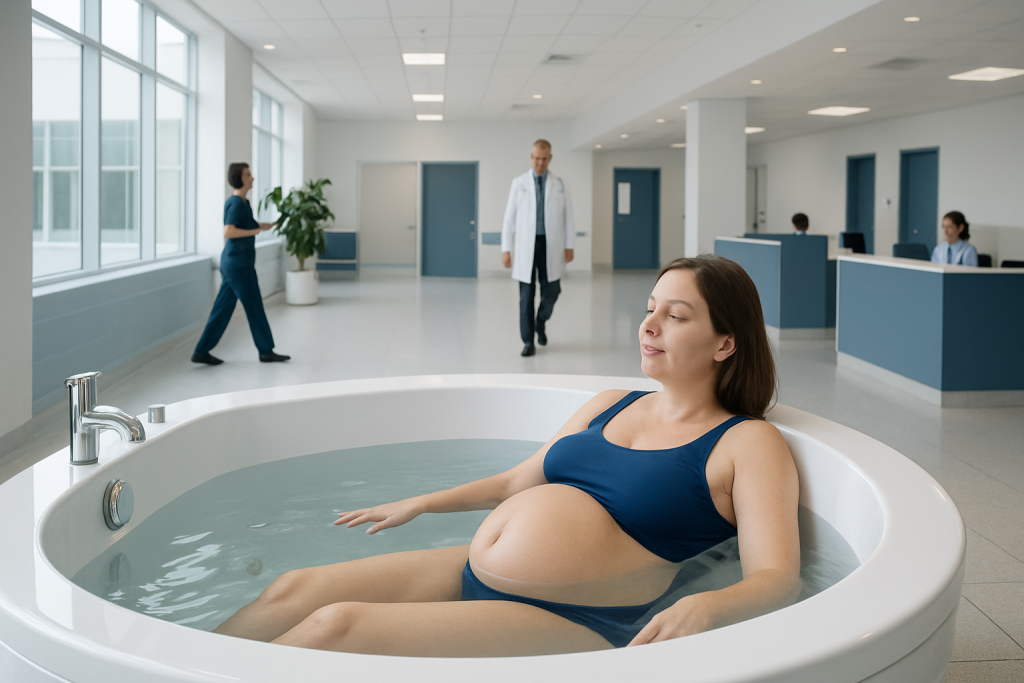
Being pregnant in a jacuzzi is generally not recommended, especially in the first trimester, because high heat can raise core body temperature and may affect the developing baby. The safest approach is to avoid hot tubs and choose cooler, pregnancy-friendly ways to relax.
Overview
For someone who is pregnant in a jacuzzi, the main issue is not the water itself but the heat. Hot tubs can raise the body’s core temperature faster than many people realize, and during pregnancy that matters because prolonged overheating is not considered safe for the developing baby.
The question is especially important early in pregnancy, when major organs are forming. Even a short soak in very hot water may be enough to cause discomfort, lightheadedness, or a rise in temperature that a pregnant person may not notice right away. The practical answer is straightforward: it is best to avoid jacuzzis and other hot tubs during pregnancy unless a doctor gives very specific guidance for a particular situation.
For families planning travel, hotel stays, spa visits, or a babymoon, this advice can be easy to miss because a jacuzzi may seem harmless compared with other restrictions. In reality, pregnancy-safe relaxation is usually better found in warm—not hot—settings and with careful attention to how the body feels.
What the Main Symptoms and Warning Signs Look Like
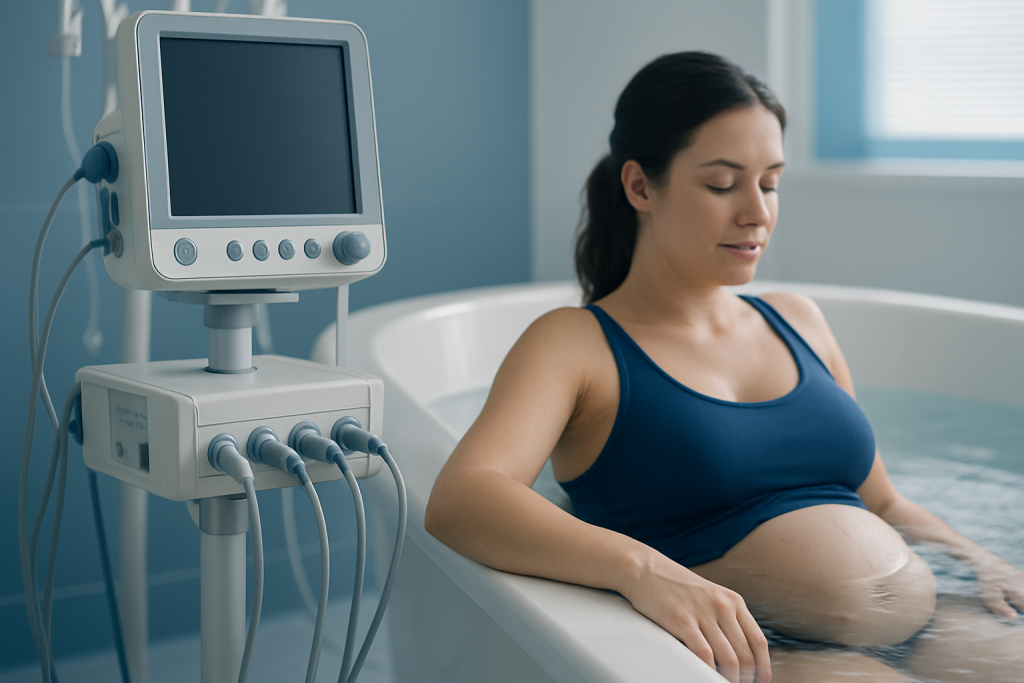
Many people do not feel unwell immediately when the water is too hot, which is one reason hot tub exposure can be misleading. Early signs that the body is getting too warm include flushing, sweating, dizziness, headache, nausea, weakness, and an unusually fast heartbeat. These symptoms should be taken seriously in pregnancy.
If a pregnant person in a jacuzzi feels faint, confused, short of breath, or unsteady on their feet, they should get out of the water right away and cool down. Sitting or standing up too quickly can make dizziness worse, so it is reasonable to move slowly and ask for help if needed.
After leaving the hot tub, drinking cool water, moving to a shaded or air-conditioned space, and resting can help. If symptoms do not improve, or if there is abdominal pain, cramping, Common Causes and How Doctors Evaluate It" class="ahp-ilk">vaginal bleeding, contractions, or decreased fetal movement later in pregnancy, medical advice should be sought without delay.
Why Hot Tubs Matter in Pregnancy: Causes and Risk Factors
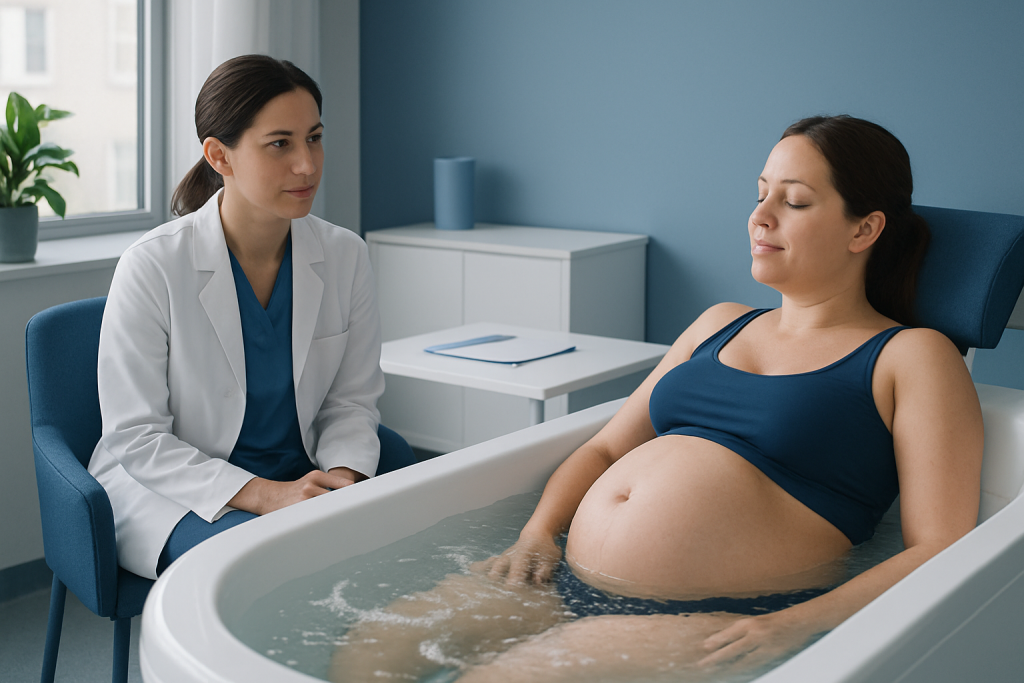
The concern with hot tubs is heat exposure. Unlike a bath, a jacuzzi continuously circulates hot water, often with jets that can make the environment feel comfortable while still warming the body quickly. Pregnancy already changes circulation and heat tolerance, so overheating may happen more easily than expected.
The first trimester is usually considered the most sensitive period because the embryo’s organs are developing. Very high body temperature at this stage has been associated with a higher risk of neural tube defects in some research. That does not mean every brief exposure causes harm, but it does explain why clinicians advise caution.
Certain situations can make overheating more likely:
- Water that feels “pleasantly hot” rather than just warm
- Long soaking time, even if the person feels fine at first
- Hot tubs outdoors in warm weather
- Dehydration before or during use
- Pregnancy complications, fever, or illness
Anyone with a high-risk pregnancy, a history of preterm labor, or a condition that affects temperature regulation should ask their obstetric team for individualized advice before using any heated pool, spa, or jacuzzi.
How Doctors Evaluate Concern After Hot Tub Exposure
If a pregnant person has spent time in a jacuzzi and is worried, clinicians usually begin with a few simple questions: how hot the water was, how long the person stayed in it, whether any symptoms occurred, and how far along the pregnancy is. That history is often more useful than trying to estimate risk from memory alone.
In many cases, no special test is needed if the exposure was brief and the person feels well afterward. If there are symptoms, the doctor may check maternal temperature, hydration status, blood pressure, and fetal well-being depending on the stage of pregnancy.
Ultrasound or further evaluation may be recommended if there are pregnancy-related symptoms such as cramping, bleeding, or reduced fetal movement. For Myomectomy Recovery: Healing Time, Activity Limits, and Fertility Planning" class="ahp-ilk">Myomectomy Recovery for International Patients: The Usual Travel Timeline" class="ahp-ilk">international patients arranging care from another country, it can help to share the approximate water temperature, duration of exposure, and any symptoms as clearly as possible so the medical team can triage the situation appropriately.
Treatment Options and What to Do Right Away
There is no special antidote for hot tub exposure. The immediate goal is to stop heating the body and restore comfort safely. Leaving the jacuzzi, moving to a cooler room, drinking water, and resting are usually the first steps.
If the person feels overheated, cool compresses, loose clothing, and a gradual return to normal body temperature are sensible measures. Ice-cold measures are not usually necessary; gentle cooling is enough in most situations. The key is to avoid continuing the exposure or trying to “tough it out.”
Medical care is important if the person has persistent symptoms, a fever, fainting, strong contractions, vaginal bleeding, or severe abdominal pain. The doctor may also review the timing of exposure, other risk factors, and any medicines or illness that could have contributed to overheating.
Prevention and Self-care
The safest prevention is to skip hot tubs and jacuzzis during pregnancy. If relaxation is the goal, a lukewarm bath, a cool shower, gentle stretching, prenatal yoga, or seated breathing exercises are usually better choices. Comfort does not have to involve heat.
If a pregnant person is considering any warm-water activity while traveling, it is worth checking the water temperature first and remembering that what feels mild to others may still be too warm in pregnancy. A good rule is that the body should never feel hot, flushed, or short of breath.
Helpful habits include:
- Drinking water before and after bathing
- Limiting time in warm water
- Avoiding baths or spas when already overheated
- Getting out immediately if dizziness or nausea appears
- Asking an obstetrician about any planned spa, sauna, or hydrotherapy use
When pregnancy care is being arranged from abroad, the same practical steps matter even more. Travel schedules, time zones, and unfamiliar facilities can make it easier to overlook warning signs, so planning ahead with a doctor is wise.
When to See a Doctor
A pregnant person should contact a doctor if they spent time in a jacuzzi and now have concerning symptoms, even if they feel mostly better. This is especially important if there is bleeding, abdominal pain, contractions, leakage of fluid, fever, or reduced fetal movement. Those symptoms deserve prompt assessment.
Medical advice is also appropriate if the exposure happened in the first trimester, if the water was very hot, or if the person stayed in the tub for a long time and is unsure what to do next. A clinician can help put the exposure in context and decide whether any monitoring is needed.
For patients traveling internationally, a coordinated review can be reassuring. Acibadem Health Point’s multidisciplinary specialists and JCI-accredited hospitals diagnose and treat pregnancy-related concerns for international patients, with careful follow-up when needed. That can be especially helpful when questions arise after travel, spa use, or a change in routine away from home.
A Practical Bottom Line
Being pregnant in a jacuzzi is usually not worth the risk. The issue is not fear of water, but the possibility of overheating, which can be avoided with simpler, safer options.
If a person has already been in a hot tub, the most important question is whether any symptoms developed and how intense the heat exposure was. Most brief exposures do not lead to a crisis, but it is always reasonable to check with an obstetrician if there is uncertainty.
Pregnancy often comes with enough discomfort on its own. Choosing cooler ways to unwind can protect both comfort and peace of mind, without sacrificing the chance to relax.
Frequently asked questions
01Is it safe to be pregnant in a jacuzzi for a few minutes?
It is generally better to avoid it, because even a short period in very hot water can raise body temperature. The first trimester is especially sensitive, so most clinicians advise choosing other ways to relax.
02What water temperature is considered too hot during pregnancy?
A safe threshold is not always easy to judge by feel alone, which is why hot tubs are discouraged in pregnancy. If the water feels hot, causes flushing, or makes the person sweat or feel dizzy, it is too warm.
03Are warm baths safer than hot tubs?
Usually yes, because a bath does not keep the water heated and circulated the way a jacuzzi does. Even so, the water should be comfortably warm rather than hot, and time in the bath should be limited if the person feels overheated.
04What should someone do after accidentally using a hot tub while pregnant?
They should leave the water, cool down gradually, hydrate, and watch for symptoms such as dizziness, nausea, cramping, or bleeding. If symptoms occur or the exposure was prolonged, contacting a doctor is a good idea.
05Can hot tub exposure harm the baby every time?
No single exposure automatically means harm, and many people are worried after a brief incident that does not lead to complications. The safest approach is still to avoid future hot tub use and discuss any concerns with an obstetrician.
06Is a jacuzzi ever allowed late in pregnancy?
Some clinicians may give individualized advice in specific cases, but the general recommendation remains to avoid hot tubs throughout pregnancy. Later in pregnancy, overheating can still cause dizziness and dehydration, so caution remains important.
This article is for general information only and is not a substitute for professional medical advice. Please consult a qualified doctor about your individual situation.
Persistent digestive symptoms? Get evaluated in Turkey
JCI-accredited · board-certified surgeons · reply within 24h
Add us as a Preferred Source to see more of our trusted health content across Google Search, AI Overviews and Discover.