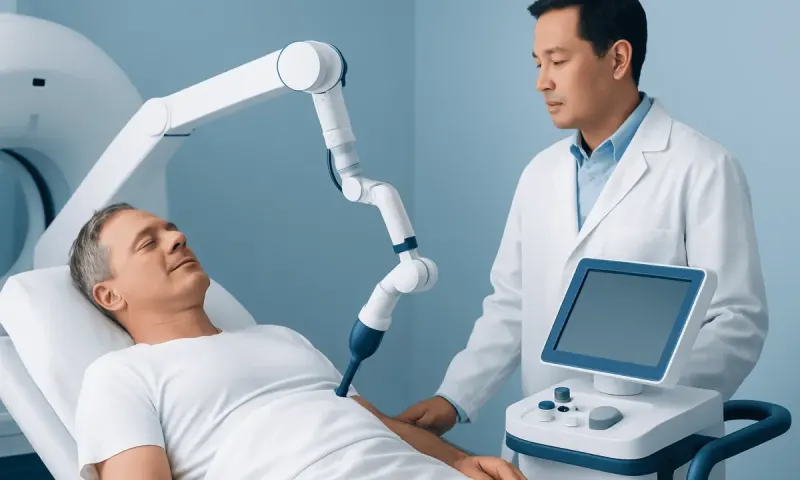
Prostate Gland Removal Procedure: Steps and Recovery
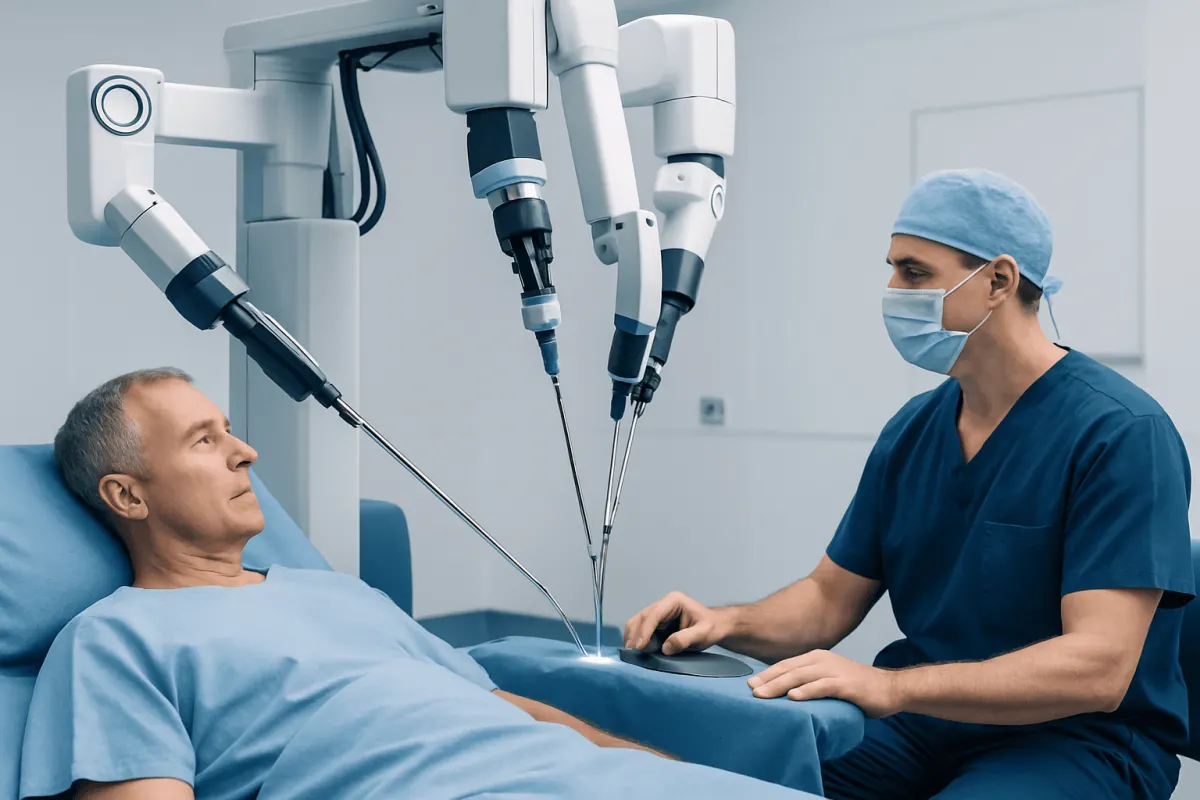
A prostate gland removal procedure, also called prostatectomy, is surgery to remove part or all of the prostate gland. It is most often used to treat localized prostate cancer, although a different type of prostate surgery may be considered for benign prostate enlargement causing significant urinary blockage.
Overview: What Is a Prostate Gland Removal Procedure?
A prostate gland removal procedure is surgery that removes some or all of the prostate, a walnut-sized gland below the bladder that surrounds part of the urethra. The purpose, surgical technique, and expected recovery depend on why surgery is being performed. For prostate cancer, the usual operation is a radical prostatectomy, which removes the prostate and seminal vesicles. For noncancerous enlargement, a simple prostatectomy may remove only the obstructing inner portion of the gland.
Radical prostatectomy can be performed through open surgery, laparoscopic surgery, or robot-assisted laparoscopic surgery. These approaches differ in incision size and operative technique, but the goal is the same: to remove cancerous prostate tissue while preserving urinary control and sexual function whenever safely possible. The best option depends on the cancer, anatomy, overall health, and the surgical team’s assessment.
Before choosing surgery, patients should discuss all appropriate management options. For localized prostate cancer, these may include active surveillance, radiation therapy, surgery, or selected focal approaches in carefully chosen cases. The decision is individualized and should consider cancer risk, life expectancy, existing urinary and sexual function, personal priorities, and possible treatment effects.
Who May Be a Candidate for Prostate Removal?
Radical prostatectomy is generally considered for people with prostate cancer that appears confined to the prostate or involves nearby tissues but may still be removable. It may be recommended when a person is healthy enough for anesthesia and surgery and is expected to benefit from treatment aimed at cure. Imaging tests, biopsy findings, prostate-specific antigen (PSA) results, and cancer grade all help guide this decision.
Simple prostatectomy is different. It may be considered for very large benign prostate enlargement when medication and less invasive procedures have not relieved serious blockage. It is generally used for urinary symptoms or complications such as repeated retention, bladder stones, recurrent infections, or kidney effects from obstruction—not for cancer treatment. Benign enlargement is often discussed in the context of benign prostatic hyperplasia.
Not everyone with prostate cancer needs immediate surgery. Some low-risk cancers can be monitored closely with active surveillance. Conversely, surgery may not be appropriate when cancer has spread widely, when another treatment is likely to offer a better balance of benefit and risk, or when significant medical conditions make an operation unsafe. A urologist and multidisciplinary cancer team can help clarify the options.
How the Procedure Is Performed Step by Step

Preparation usually includes a medical review, blood tests, anesthesia assessment, and instructions about eating, drinking, and medicines. Blood thinners, diabetes medicines, supplements, and other treatments may need adjustment, but patients should only make changes after receiving instructions from their clinician. The operation is performed under general anesthesia, so the patient is asleep and does not feel pain during surgery.
During radical prostatectomy, the surgeon reaches the prostate through a lower abdominal incision or several small laparoscopic incisions. The prostate and seminal vesicles are removed, and the bladder is then reconnected to the urethra. Nearby lymph nodes may also be removed if there is a meaningful risk that cancer has spread to them. When appropriate, surgeons may use nerve-sparing techniques to protect nerves involved in erections, although cancer control remains the priority.
A urinary catheter is placed through the penis into the bladder at the end of surgery. This allows the bladder-urethra connection to heal and drains urine into a collection bag. People usually stay in hospital briefly, though the duration varies with the surgical approach, recovery, and individual health needs. Detailed planning for prostatectomy should include discussion of expected outcomes and rehabilitation support.
Recovery Timeline After Prostatectomy
Recovery begins immediately after surgery with monitoring of pain, blood pressure, urine output, and mobility. Patients are usually encouraged to sit up and walk with assistance as soon as it is safe. Early movement lowers the risk of blood clots, supports lung function, and can help the bowels begin working again. Temporary fatigue, abdominal soreness, bloating, and constipation are common during the first days.
The catheter commonly remains in place for about one to two weeks after radical prostatectomy, although the exact timing is determined by the surgeon. A nurse will explain catheter and drainage-bag care before discharge. After removal, urinary leakage is common because the pelvic floor muscles need time to regain control. Pelvic floor muscle exercises, when advised by the care team, are an important part of continence recovery.
Many people can return to light daily activities within a few weeks, while strenuous activity, heavy lifting, cycling, and driving may need to wait until the surgeon says they are safe. Full recovery varies, but energy levels and comfort often improve over several weeks. Sexual recovery may take months or longer, particularly after radical surgery, and depends on age, nerve preservation, preoperative erections, and other health factors.
Follow-up includes review of healing, urinary symptoms, pathology results, and PSA testing after cancer surgery. The PSA should fall to a very low or undetectable level after radical prostatectomy; ongoing testing helps the care team monitor for recurrence. Patients should keep all scheduled follow-up appointments even if they feel well.
Benefits, Risks, and Long-Term Effects
For appropriately selected people with localized prostate cancer, radical prostatectomy can remove the known cancer and provide detailed information about the cancer’s extent through pathology testing. It may also be followed by further treatment if pathology or PSA results indicate an additional need. For severe benign enlargement, simple prostatectomy can substantially improve urine flow and relieve obstruction-related complications.
All operations have potential risks, including bleeding, infection, blood clots, reactions to anesthesia, injury to nearby structures, wound problems, and narrowing at the bladder-urethra connection. The surgical team takes steps to reduce these risks, but individual risk varies with age, medical history, previous surgery, prostate size, and the type of operation.
The principal long-term concerns after radical prostatectomy are urinary incontinence and erectile dysfunction. Most people regain meaningful urinary control over time, but recovery differs and some need pads, pelvic floor therapy, medication, or additional procedures. Erections may recover gradually if the nerves can be preserved; rehabilitation options may include oral medicines, vacuum devices, injections, or other treatments discussed with a urologist.
Because the prostate and seminal vesicles are removed, ejaculation no longer occurs after radical prostatectomy. Orgasm may still be possible, but it is dry. Fertility is permanently affected, so people who may want biological children should ask about sperm banking before treatment. An experienced urology team can also explain other prostate cancer management approaches, including radiation therapy, when appropriate.
How Painful Is the Recovery From a Prostatectomy?
Recovery discomfort is usually most noticeable in the first several days after surgery and generally improves steadily. The location and intensity of pain vary by approach: open surgery may cause more incision discomfort, while laparoscopic or robot-assisted surgery may cause smaller-incision soreness and temporary shoulder discomfort from surgical gas. Pain should be manageable with the plan provided by the surgical team.
Patients should take pain medicines exactly as directed and should not wait until pain becomes severe before asking for help. Non-medication measures such as gentle walking, changing position carefully, supporting the abdomen with a pillow when coughing, and preventing constipation can also improve comfort. Severe or worsening pain, especially with fever, vomiting, abdominal swelling, or inability to pass urine after catheter removal, needs prompt medical advice.
How Do You Pee After Prostate Removal?
Immediately after radical prostatectomy, urine drains through a catheter that passes through the urethra into the bladder. The catheter is connected to a bag, allowing the new connection between the bladder and urethra to heal without pressure from normal urination. The hospital team teaches patients how to empty the bag, keep the tubing from kinking, and recognize concerns such as poor drainage.
Once the catheter is removed, urine again passes from the bladder through the urethra and out through the penis. Temporary leakage is very common at this stage, especially with standing, coughing, laughing, or physical activity. Wearing pads and doing clinician-guided pelvic floor exercises can help while continence improves.
Do You Need a Bag If Your Prostate Is Removed?
Most people need a urine drainage bag temporarily because they go home with a catheter after radical prostatectomy. A larger bag may be used overnight, while a smaller leg bag can be used during daytime activities. This is not the same as a permanent urinary diversion, and it is usually removed when the surgical connection has healed.
A permanent bag is not routinely needed after standard prostate removal surgery. Rarely, complications or other serious urinary tract conditions may require a different long-term solution, but this is not expected for most patients. The surgeon can explain the anticipated plan based on the individual procedure and medical situation.
How Much Should You Walk After a Prostatectomy?
Walking is usually encouraged soon after prostatectomy, beginning with short, supported walks in hospital and gradually increasing at home. Rather than focusing on a fixed distance, patients should take several gentle walks each day and build up based on comfort, balance, fatigue, and the instructions provided by their surgical team. Regular movement supports circulation and bowel function without placing excessive strain on healing tissues.
In the first weeks, walking should remain easy enough that it does not significantly increase pain, bleeding, dizziness, or exhaustion. Heavy lifting, intense exercise, running, cycling, and abdominal straining should be avoided until the surgeon gives clearance. Patients should contact their clinician if activity triggers new bright-red bleeding, worsening swelling, chest pain, shortness of breath, or calf pain.
When to Seek Medical Care
Patients should contact their surgical team promptly for fever, chills, increasing redness or drainage from an incision, worsening pain, repeated vomiting, or urine that is not draining through the catheter. They should also seek advice if there are large blood clots in the urine, new heavy bleeding, a blocked catheter, or leakage around the catheter combined with poor drainage into the bag.
Urgent medical assessment is needed for chest pain, sudden shortness of breath, fainting, severe weakness, or painful swelling in one leg, as these may indicate a serious postoperative complication. After catheter removal, inability to urinate or severe lower abdominal pain also requires urgent evaluation.
Questions about cancer treatment decisions, continence rehabilitation, sexual health, or recovery planning should be raised early at follow-up visits. Acıbadem Health Point’s multidisciplinary specialists and JCI-accredited hospitals provide assessment and treatment for international patients undergoing prostate cancer care and prostate surgery.
Frequently asked questions
01Is prostate removal the same as prostate cancer treatment?
Radical prostatectomy is one treatment option for prostate cancer, particularly when cancer is localized or locally advanced and removable. However, not every person with prostate cancer needs surgery. Active surveillance, radiation therapy, hormone therapy, and other treatments may be appropriate depending on the cancer and the person’s overall health.
02How long does a catheter stay in after prostate removal?
After radical prostatectomy, a urinary catheter commonly stays in place for around one to two weeks. The exact timing depends on healing and the surgeon’s protocol. It should only be removed by or under the direction of the treating team.
03How painful is the recovery from a prostatectomy?
Most patients have temporary abdominal or incision discomfort that is strongest during the first few days and improves gradually. Pain can usually be managed with prescribed medication and gentle movement. Worsening or severe pain should be reported because it can occasionally signal a complication.
04How do you pee after prostate removal?
At first, urine drains through a catheter into a bag while the bladder and urethra heal. Once the catheter is removed, urine passes through the urethra normally. Leakage is common initially and often improves with time and pelvic floor rehabilitation.
05Do you need a bag if your prostate is removed?
A drainage bag is usually needed temporarily while a urinary catheter remains in place after radical prostatectomy. Most people do not need a permanent bag. The surgical team will explain catheter care and when removal is expected.
06How much should I walk after a prostatectomy?
Patients are generally encouraged to take several short, easy walks each day and gradually increase activity as comfort improves. The right amount varies by the type of surgery and individual recovery. Heavy lifting and strenuous exercise should wait until the surgeon provides clearance.
This article is for general information only and is not a substitute for professional medical advice. Please consult a qualified doctor about your individual situation.
Oncology care in Turkey — second opinion and treatment plan
JCI-accredited · board-certified surgeons · reply within 24h
Add us as a Preferred Source to see more of our trusted health content across Google Search, AI Overviews and Discover.