Prostate Cancer Symptoms, Diagnosis, Stages and Care
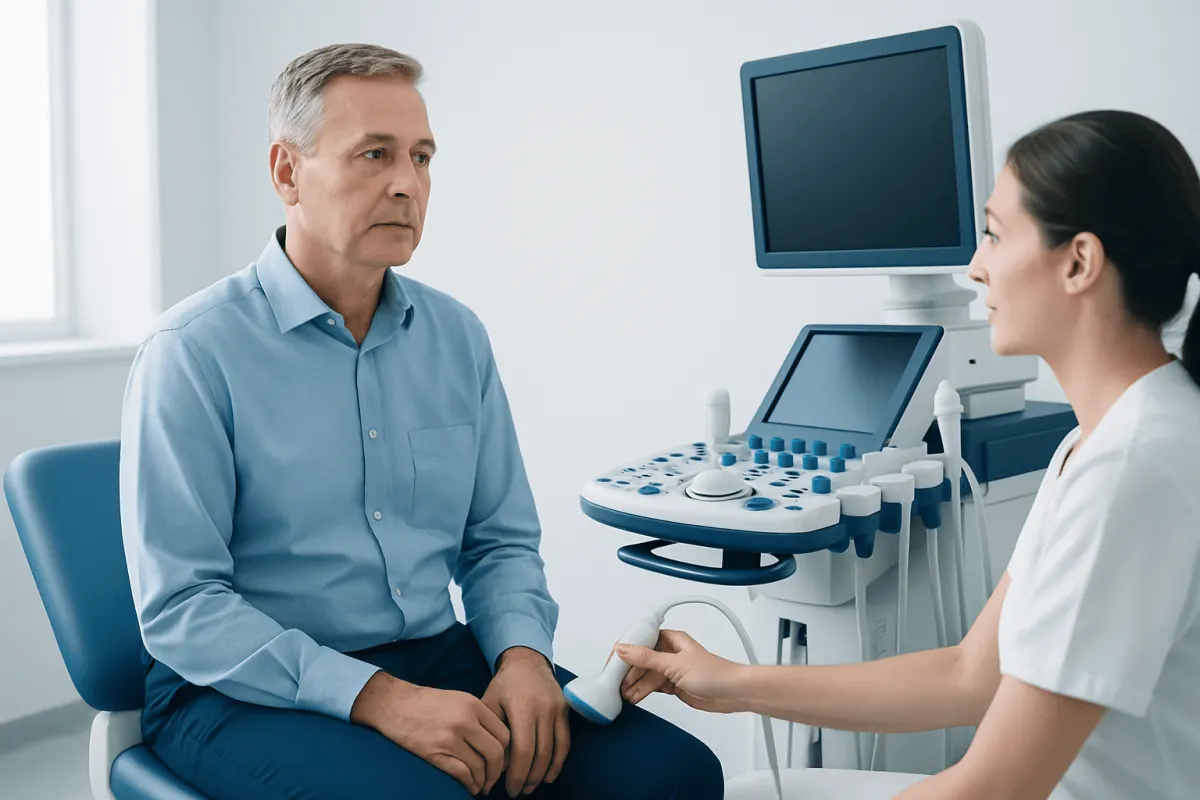
Prostate cancer begins in the prostate gland, a small gland below the bladder that helps produce semen. Many prostate cancers grow slowly and can be managed effectively, while others need timely treatment to prevent spread.
Overview: What Is Prostate Cancer?
Prostate cancer develops when abnormal cells grow in the prostate, a walnut-sized gland found only in men. The prostate sits below the bladder and surrounds part of the urethra, the tube that carries urine out of the body. It also contributes fluid to semen.
Many prostate cancers grow slowly and remain confined to the prostate for years. However, some cancers are more aggressive and can grow beyond the prostate or spread to nearby lymph nodes, bones or other areas of the body. Finding prostate cancer early can provide more treatment choices.
Prostate cancer is more likely with increasing age and is uncommon in younger men. It may also occur more often in people with a close family history of prostate cancer or certain inherited gene changes. A diagnosis can feel overwhelming, but care is individualized and several effective management options are available.
Symptoms of Prostate Cancer
Early prostate cancer often causes no noticeable symptoms. This is one reason discussions about screening may be important for some people. When symptoms occur, they can overlap with common non-cancerous conditions, particularly benign prostatic hyperplasia, which is an enlargement of the prostate.
Possible urinary or sexual symptoms include difficulty starting urination, a weak or interrupted urine stream, needing to urinate more often, waking at night to urinate, a feeling that the bladder does not empty completely, blood in urine or semen, and erectile difficulties. These symptoms do not confirm cancer and should be assessed by a clinician.
More advanced cancer can sometimes cause persistent bone pain, unexplained weight loss, fatigue, weakness or swelling in the legs. Such symptoms can have many causes, but prompt medical assessment is important, especially if they are new, persistent or worsening.
- Urinary changes are not specific to prostate cancer.
- Early-stage disease commonly has no symptoms.
- New blood in urine or semen should always be discussed with a doctor.
Causes and Risk Factors

The exact cause of prostate cancer is not fully understood. Cancer begins when changes develop in the DNA of prostate cells, allowing cells to multiply abnormally. These changes may arise over time and are not usually caused by anything a person did or did not do.
Age is the strongest known risk factor. Risk also rises in people with a father, brother or son diagnosed with prostate cancer, particularly when the relative was diagnosed at a younger age. Having several affected relatives may suggest an inherited predisposition.
Some inherited genetic changes, including changes associated with BRCA genes and DNA repair pathways, can increase risk or influence how a prostate cancer behaves. People with a strong family history of prostate, breast, ovarian, pancreatic or related cancers may benefit from discussing genetic counseling with their doctor.
A healthy lifestyle supports overall health, although it cannot fully prevent prostate cancer. Maintaining a healthy body weight, being physically active, not smoking and eating a balanced diet are sensible steps for general wellbeing and may support recovery during and after treatment.
Screening, Diagnosis and Tests
Screening aims to identify prostate cancer before symptoms appear. The main screening blood test measures prostate-specific antigen, or PSA. PSA can rise for several reasons, including prostate enlargement, inflammation, infection, recent ejaculation and cancer. Therefore, an elevated PSA result does not by itself diagnose prostate cancer.
A clinician may also perform a digital rectal examination, in which the prostate is gently felt through the rectum for areas that seem enlarged, firm or irregular. Decisions about PSA screening should be made individually after discussing potential benefits and possible harms, such as false-positive results, unnecessary biopsies and detection of cancers that may never cause harm.
If results suggest possible cancer, further tests may include repeat PSA testing, urine tests, prostate magnetic resonance imaging (MRI), and a biopsy. During a biopsy, small tissue samples are taken from the prostate and examined by a pathologist. Imaging and biopsy findings help determine whether cancer is present and how likely it is to grow or spread.
The biopsy report commonly includes a Gleason score or Grade Group. These describe how abnormal the cancer cells look under a microscope. Higher-grade cancers are more likely to behave aggressively, though grade is considered alongside PSA, imaging, stage and the individual’s health.
Prostate Cancer Stages and Risk Groups
Staging describes the extent of cancer in the body. Doctors use information from the PSA level, biopsy grade, examination findings and imaging to estimate whether cancer is limited to the prostate, has grown into nearby tissues, involves lymph nodes or has spread to distant organs.
In general, stage I and stage II cancers are localized within the prostate. Stage III cancer has grown outside the prostate or into nearby structures. Stage IV cancer has spread to lymph nodes farther from the prostate or to distant parts of the body, commonly the bones. Not every person requires every imaging test; scans are selected based on the likelihood of spread and the planned treatment.
Clinicians also use risk groups, often described as low, intermediate or high risk. These groups combine cancer stage, PSA level and Grade Group to guide management. A low-risk cancer may be suitable for monitoring, while a higher-risk cancer may require treatment aimed at controlling or curing disease.
It is useful for patients to ask their care team to explain their PSA, Grade Group, stage and risk group in plain language. Understanding these details can make treatment decisions more manageable and support shared decision-making.
Treatment Options for Prostate Cancer
There is no single best treatment for every person with prostate cancer. The most appropriate approach depends on whether the cancer is localized or spread, how quickly it is likely to grow, possible treatment side effects, age, other health conditions and individual priorities. A urologist, radiation oncologist and medical oncologist may work together to develop a care plan.
For selected low-risk cancers, active surveillance may be recommended. This means monitoring the cancer with PSA tests, examinations, imaging and sometimes repeat biopsies, with treatment offered if signs suggest the cancer is changing. Active surveillance is different from watchful waiting, which generally focuses on managing symptoms rather than regular testing with curative treatment in mind.
Localized prostate cancer may be treated with surgery to remove the prostate, called radical prostatectomy, or radiation therapy. Radiation may be delivered externally or, in appropriate cases, by placing radioactive material in or near the prostate. Both approaches can be highly effective, but their possible effects on urinary control, sexual function and bowel function differ and should be discussed carefully.
For higher-risk or advanced disease, treatment may include hormone therapy, also called androgen-deprivation therapy, often combined with radiation or other systemic medicines. Chemotherapy, targeted treatments, immunotherapy or radiopharmaceutical treatments may be considered for certain advanced cancers. Supportive care for pain, bone health, emotional wellbeing and treatment side effects remains an important part of care at every stage.
Living Well, Follow-Up and Support
After diagnosis, people may experience worry, uncertainty or concerns about sexual health, continence, relationships and daily activities. Speaking openly with the care team can help. Specialist nurses, pelvic floor physiotherapists, dietitians, mental health professionals and support groups may offer practical guidance and emotional support.
Follow-up commonly includes PSA testing at scheduled intervals. A changing PSA level can help the care team monitor response after treatment or identify possible recurrence. The meaning of a PSA result depends on the treatment received, so patients should ask their own clinician how their results will be interpreted.
Regular physical activity, a nutritious eating pattern, sleep, avoiding tobacco and limiting alcohol can support general health. Pelvic floor exercises may help some people improve urinary control after prostate surgery, but they should be learned from a qualified clinician or physiotherapist.
Acıbadem Health Point’s multidisciplinary specialists and JCI-accredited hospitals provide diagnosis and treatment planning for international patients with prostate cancer. Patients should seek individualized advice from a qualified cancer care team before making decisions about testing or treatment.
When to See a Doctor
A person should arrange a medical appointment for persistent urinary changes, blood in urine or semen, unexplained pelvic discomfort, new erectile difficulties or other symptoms that are concerning. These symptoms are often caused by non-cancerous conditions, but assessment can identify the cause and provide appropriate care.
Urgent medical advice is appropriate for inability to pass urine, severe pain, fever with urinary symptoms, heavy bleeding, sudden weakness or numbness in the legs, or loss of bladder or bowel control. These symptoms need prompt assessment and may not necessarily be related to cancer.
People without symptoms may wish to discuss Bladder Cancer Screening: How It Works, Results and What to Expect" class="ahp-ilk">Cancer Screening: PSA Testing, MRI, and When Biopsy Is Needed" class="ahp-ilk">prostate cancer screening with a doctor, particularly from middle age onward or earlier if they have a strong family history or known inherited cancer risk. The discussion should include personal risk factors and the advantages and limitations of PSA testing.
Frequently asked questions
01Is prostate cancer always serious?
Prostate cancer varies widely. Some cancers grow so slowly that they may never cause symptoms or threaten health, while others are more aggressive and need treatment. The cancer’s grade, stage, PSA level and imaging results help doctors estimate its likely behavior.
02Can urinary symptoms mean prostate cancer?
Urinary symptoms can occur with prostate cancer, but they are more commonly caused by benign prostate enlargement, infection or other urinary conditions. A doctor can assess the symptoms and decide whether tests such as PSA testing, urine tests or imaging are needed.
03What PSA level means prostate cancer?
There is no single PSA level that proves prostate cancer. PSA can be increased by several non-cancerous causes, and some people with prostate cancer have PSA levels within a lower range. Doctors interpret PSA in context, including age, PSA changes over time, examination findings and other test results.
04Can prostate cancer be cured?
Many localized prostate cancers can be treated with the aim of cure using surgery or radiation therapy. For cancer that has spread, treatment can often control the disease, reduce symptoms and support quality of life for extended periods. Outcomes differ between individuals and should be discussed with the treating team.
05What is active surveillance for prostate cancer?
Active surveillance is a structured monitoring approach for selected cancers that appear unlikely to cause harm in the near term. It involves regular PSA tests, clinical reviews, imaging and sometimes repeat biopsies. Curative treatment can be started if the cancer shows signs of progression.
06Does prostate cancer treatment cause erectile dysfunction?
Erectile dysfunction can occur after surgery, radiation therapy and hormone therapy, although the degree and duration vary. Age, pre-treatment erectile function, other health conditions and treatment type all matter. Doctors can discuss strategies and treatments that may help preserve or restore sexual function.
This article is for general information only and is not a substitute for professional medical advice. Please consult a qualified doctor about your individual situation.
Medical weight-loss options in Turkey — costs & eligibility
JCI-accredited · board-certified surgeons · reply within 24h
Add us as a Preferred Source to see more of our trusted health content across Google Search, AI Overviews and Discover.