Prostate Cancer Images: How Scans Guide Treatment
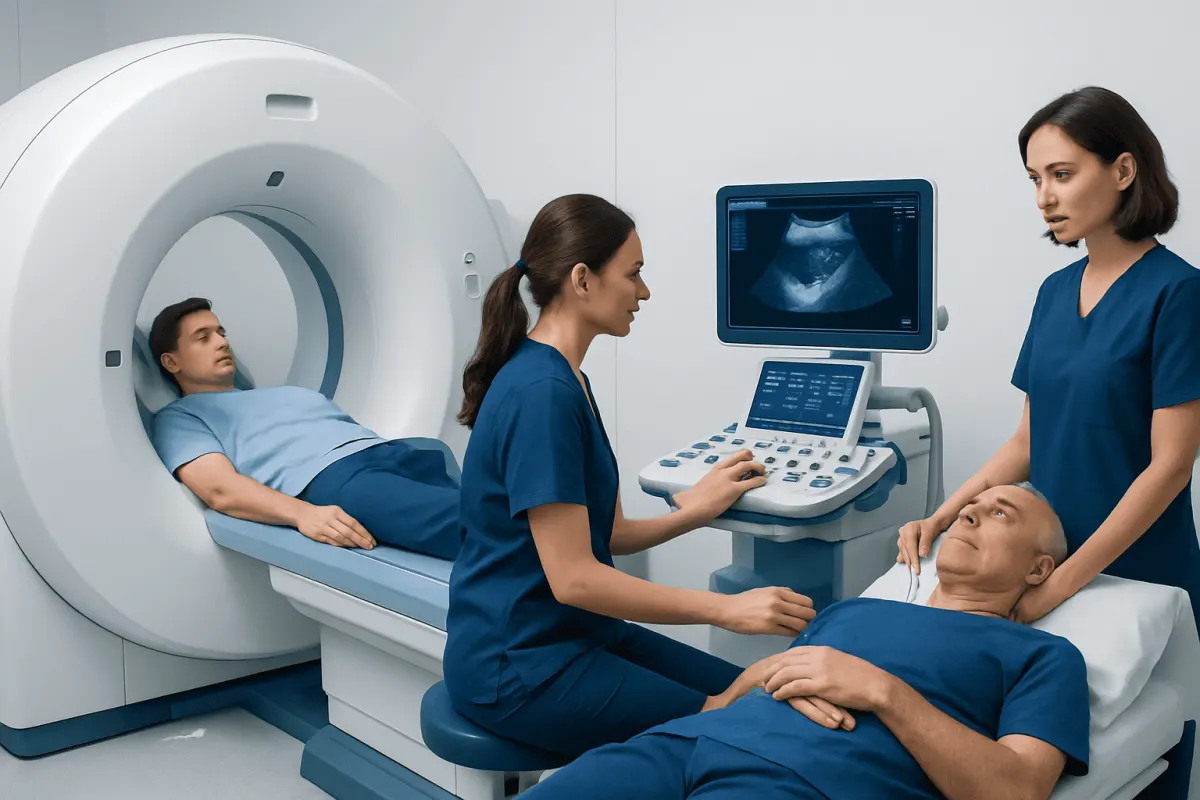
Prostate cancer images are not photographs of a cancer but medical scans and microscope images used to find suspicious areas, assess whether cancer has spread and plan treatment. MRI, PET/CT, ultrasound and biopsy results each provide different information, and are interpreted together with PSA levels, examination findings and the person’s overall health.
What prostate cancer images can show
Prostate cancer images are medical images used to investigate a raised prostate-specific antigen (PSA) result, symptoms, an abnormal rectal examination or a known prostate cancer. They may include magnetic resonance imaging (MRI), ultrasound, computed tomography (CT), positron emission tomography (PET) and microscope images of biopsy tissue. No single image alone gives the full answer.
These tests help clinicians answer practical questions: Is there an area in the prostate that needs a biopsy? How likely is clinically significant cancer? Does the cancer appear confined to the prostate, or could it involve lymph nodes, bones or other sites? The results are considered alongside PSA trends, biopsy grade and the person’s health and preferences.
Images may look concerning to a non-specialist without necessarily proving cancer. Inflammation, benign enlargement and previous procedures can also affect the appearance of the prostate. A radiologist, urologist and pathologist therefore interpret results in context before recommending the next step.
How MRI, ultrasound, PET/CT and biopsy images differ
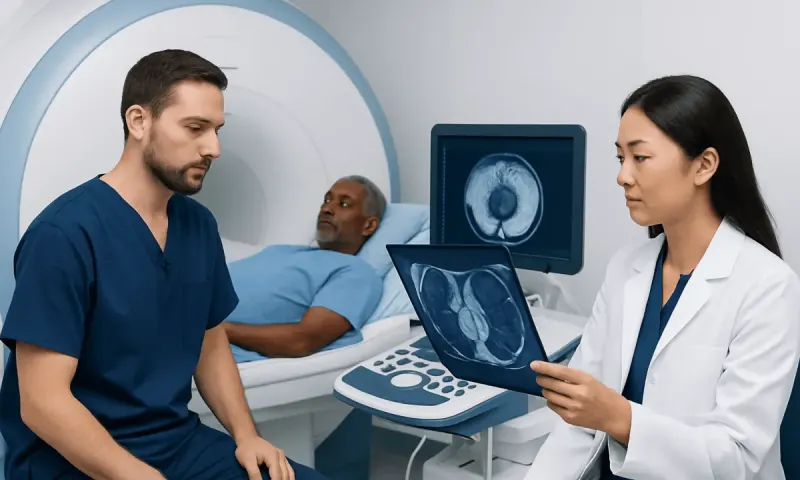
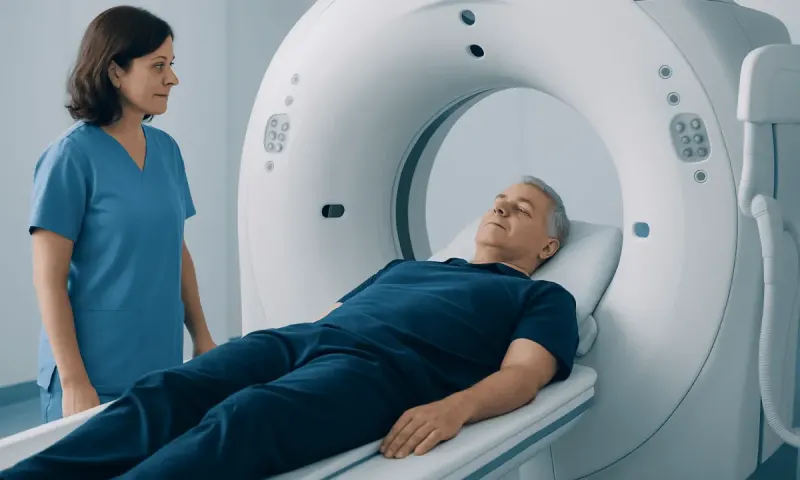
Multiparametric MRI is often the most informative scan for looking inside the prostate. It combines several image sequences to assess the prostate tissue and can identify areas that may need targeted sampling. MRI reports commonly use the PI-RADS scoring system, where a higher score suggests a greater likelihood of clinically significant cancer, but a score is not a diagnosis by itself.
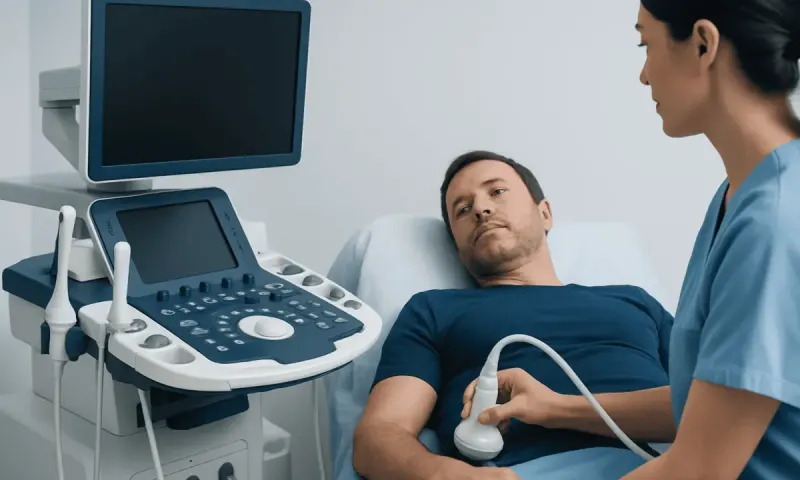
Transrectal or transperineal ultrasound is commonly used to guide a prostate biopsy. Ultrasound does not always show cancer clearly, but it allows the clinician to place biopsy needles accurately. When MRI has identified a suspicious area, MRI-ultrasound fusion techniques may help target that location during biopsy.
PSMA PET/CT is a newer type of molecular imaging used in many people with higher-risk newly diagnosed cancer, biochemical recurrence after treatment, or uncertainty about the extent of disease. It can detect prostate cancer cells that express prostate-specific membrane antigen. CT, bone scans and conventional MRI may also be used depending on the clinical situation. The diagnosis itself is confirmed by prostate cancer biopsy results, examined under a microscope by a pathologist.
- MRI: evaluates suspicious areas in and around the prostate.
- Ultrasound: helps guide biopsies and some treatments.
- PSMA PET/CT: helps assess possible spread or recurrence in appropriate patients.
- Biopsy microscopy: confirms cancer and assigns a grade group.
From images to a prostate cancer outlook

Imaging contributes to staging, which describes where the cancer is and how far it may have grown. A tumour that appears limited to the prostate is usually considered localised. Cancer extending just outside the gland or involving nearby structures is locally advanced, while cancer found in distant lymph nodes, bones or organs is metastatic. Imaging can be very helpful, but very small deposits of cancer may not always be visible.
Outlook is based on more than scan results. Clinicians also consider the PSA level, Grade Group or Gleason score from the biopsy, number and location of positive biopsy samples, tumour stage, symptoms, age, other medical conditions and expected benefit from treatment. Lower-risk cancers often grow slowly, whereas higher-grade or more extensive cancers may need earlier treatment.
A care team should explain results in plain language and discuss what remains uncertain. Asking for a copy of the MRI report, pathology report and scan results can help a person understand the plan and seek another specialist opinion if desired.
What is the best treatment for prostate cancer with the least side effects?
There is no single treatment that has the fewest side effects for every person with prostate cancer. For low-risk, localised cancer, active surveillance often avoids or delays treatment-related urinary, bowel and sexual side effects. It involves regular PSA testing, examinations, repeat MRI and sometimes repeat biopsy so that treatment can begin if the cancer shows signs of progression.
For cancer that needs active treatment, options may include surgery, radiation therapy, hormone therapy and, in selected cases, focal therapies or systemic medicines. Each approach has a different side-effect pattern. Surgery can affect urinary control and erections; radiation can cause temporary or longer-term urinary and bowel changes and may also affect sexual function; hormone therapy can cause hot flushes, fatigue, reduced libido and metabolic or bone changes.
The most suitable approach is the one that balances cancer control with a person’s priorities, baseline urinary and sexual function, health and cancer risk. A urologist, radiation oncologist and medical oncologist can help compare options. For selected localised cancers, robotic prostatectomy may be discussed as a surgical approach, but it is not automatically the best choice for everyone.
What foods should I avoid if I have prostate cancer?
There is no proven food that can cure prostate cancer, and most people do not need a highly restrictive diet. A generally balanced eating pattern can support heart health, strength and wellbeing during surveillance or treatment. This is especially important because some prostate cancer treatments can influence weight, blood sugar, cholesterol and bone health.
It is sensible to limit highly processed foods, processed meats, excessive red meat, sugary drinks and foods high in saturated fat. Alcohol should be kept within recommended limits, or avoided if a clinician advises it. A person should not take high-dose supplements, including vitamins or herbal products marketed for prostate health, without discussing them with their healthcare team because they may be unhelpful or interact with treatment.
A practical pattern emphasises vegetables, fruits, beans, whole grains, nuts, fish or other lean protein sources, and healthy fats such as olive oil. Maintaining a healthy weight, staying physically active within personal ability and working with a dietitian can be valuable. Nutrition advice should also be adapted for anyone experiencing treatment-related bowel changes, appetite loss or weight loss.
What are the modern treatment options for prostate cancer?
Modern prostate cancer care is tailored to the cancer’s risk category and stage. For some people, active surveillance is appropriate. For localised disease requiring treatment, choices commonly include prostate removal surgery and external-beam radiation therapy, sometimes with brachytherapy. Image guidance, advanced planning and techniques that protect nearby normal tissues have improved radiation delivery; radiotherapy is planned individually by a radiation oncology team.
For locally advanced or metastatic disease, treatment may include androgen-deprivation therapy, also called hormone therapy, often combined with newer androgen-receptor-targeted medicines, chemotherapy, radiation to the prostate or specific metastatic sites, or other systemic treatments. Selected patients may benefit from targeted therapies, immunotherapy or radioligand therapy when tumour features and previous treatments make these suitable.
Some centres offer focal therapies for carefully selected localised cancers, but these are not suitable for all tumours and require close follow-up. Genetic testing of tumour tissue or inherited genes may be recommended for some people with advanced cancer or a strong family history. A multidisciplinary discussion helps ensure that treatment decisions reflect both evidence and personal goals.
I recently got diagnosed with prostate cancer. What should I do now?
A new diagnosis can feel overwhelming, but most people have time to understand the results and consider options carefully. The first step is to ask the treating clinician to explain the PSA level, Grade Group or Gleason score, clinical stage, number of biopsy samples involved and whether further imaging is needed. These details help define the cancer risk category and whether it appears localised or has spread.
It is reasonable to meet both a urologist and a radiation oncologist before choosing treatment for localised disease. For higher-risk or advanced disease, a medical oncologist may also be involved. A second pathology review or second clinical opinion can be helpful, particularly when treatment choices are closely balanced.
People may wish to bring a family member or trusted friend to appointments, write down questions and request copies of reports. Questions can include the goal of treatment, likely benefits, short- and long-term side effects, impact on urinary and sexual health, monitoring schedule and whether genetic counselling is relevant. Avoid making major changes to medication, diet or supplements without medical advice.
When to seek medical care
Prompt medical assessment is appropriate for blood in the urine, inability to pass urine, new severe back or bone pain, unexplained weakness or numbness in the legs, loss of bladder or bowel control, or unintentional weight loss. These symptoms are often caused by conditions other than prostate cancer, but they should not be ignored.
A person with a persistently raised PSA, an abnormal digital rectal examination, a strong family history of prostate or related cancers, or new urinary symptoms should arrange a clinical evaluation. Urinary symptoms are commonly caused by benign prostate enlargement rather than cancer, so testing is needed to identify the cause accurately.
Acıbadem Health Point’s multidisciplinary specialists and JCI-accredited hospitals support international patients with prostate cancer assessment, imaging and treatment planning. Care should always be individualised after review by qualified clinicians.
Frequently asked questions
01Can an MRI diagnose prostate cancer without a biopsy?
MRI can identify areas that are more likely to contain clinically significant prostate cancer and can help guide a targeted biopsy. However, MRI alone usually cannot confirm the diagnosis. A biopsy with pathology examination is generally needed to establish whether cancer is present and determine its grade.
02What does a PI-RADS score mean on a prostate MRI?
PI-RADS is a reporting system used to describe the likelihood that an MRI finding represents clinically significant prostate cancer. Scores range from 1 to 5, with higher scores generally indicating greater suspicion. The score must be interpreted with PSA results, clinical findings and, when appropriate, biopsy results.
03Is a PSMA PET scan needed for every prostate cancer diagnosis?
No. PSMA PET/CT is most often considered when cancer has higher-risk features, when there is concern that it may have spread, or when PSA rises after prior treatment. For low-risk localised cancer, it may not add useful information.
04Does prostate cancer always need treatment straight away?
No. Some low-risk prostate cancers grow slowly and can be monitored safely with active surveillance. This approach uses regular tests and imaging to detect meaningful change while avoiding or postponing treatment side effects.
05Can prostate cancer treatment affect erections and urinary control?
Yes. Surgery, radiation and hormone therapy can each affect sexual function, urinary control or both, although the type and likelihood of effects vary. Baseline function, age, other health conditions, treatment technique and recovery support all influence outcomes.
06Should family members be tested if someone has prostate cancer?
Some people with prostate cancer may benefit from genetic counselling and testing, especially those with advanced disease, multiple affected relatives or a family history of breast, ovarian, pancreatic or prostate cancer. If a hereditary mutation is found, relatives may be offered counselling and tailored screening advice.
This article is for general information only and is not a substitute for professional medical advice. Please consult a qualified doctor about your individual situation.
Oncology care in Turkey — second opinion and treatment plan
JCI-accredited · board-certified surgeons · reply within 24h
Add us as a Preferred Source to see more of our trusted health content across Google Search, AI Overviews and Discover.