Private X-Ray Price: What You May Actually Pay
A private X-ray price is not one fixed amount: the final bill may include the scan, radiologist’s report, clinician assessment and facility fees. Asking for a written, itemised estimate and checking insurance coverage can make costs clearer before the appointment.
Private X-Ray Price: What Does the Total Include?
A private X-ray price depends on more than the image itself. The total may include the imaging appointment, the number and type of views needed, use of the imaging facility, a radiologist’s interpretation and, in some settings, a clinician consultation. Because these elements are billed differently, two facilities may quote different prices for what sounds like the same test.
Before booking a non-urgent X-ray, patients can ask whether the quoted amount includes the radiology report, any consultation fee and copies of the images. It is also useful to ask whether the estimate is for self-pay or insurance billing, and whether additional images could create an extra charge. A written, itemised estimate helps patients compare services accurately.
An X-ray is often requested after an injury, for ongoing bone or joint symptoms, or to examine the chest. The appropriate test should be chosen according to symptoms and clinical examination; a lower price should not replace suitable medical assessment when imaging is needed.
How an X-Ray Works and When It Is Used
An X-ray uses a small amount of ionising radiation to create images of structures inside the body. Dense material, such as bone, absorbs more radiation and usually appears lighter on the image. Air-filled areas appear darker, which is why chest X-rays can help clinicians assess the lungs, heart silhouette and certain chest conditions.
Plain X-rays are commonly used to identify or assess suspected fractures, joint alignment, some types of arthritis, chest infection concerns and selected dental or abdominal problems. They do not show every condition clearly. Soft tissues, ligaments and many internal organs may require a different examination, such as ultrasound, CT or MRI.
The image is reviewed by a radiologist or another appropriately trained clinician, alongside the person’s symptoms and examination findings. For example, persistent joint pain may need assessment for osteoarthritis, while breathing symptoms may call for a chest examination and other tests rather than an X-ray alone.
Who May Need a Private X-Ray?

A clinician may recommend a private X-ray when prompt outpatient imaging is appropriate and a person wants to use a private facility or has private insurance. It may be considered after a fall, sporting injury, persistent localized bone pain, possible chest infection, a suspected broken bone or follow-up of a previously identified problem.
Not everyone with pain or an injury needs an X-ray. The decision depends on the location of symptoms, physical examination, severity, medical history and the likelihood that the result will change treatment. For suspected fractures, clinical assessment is important because some injuries need urgent stabilisation even before imaging is performed.
People who are pregnant, might be pregnant or are trying to conceive should tell the referring clinician and imaging team. An X-ray may still be appropriate when clinically necessary, but the team can consider alternatives or use techniques that minimise exposure. Patients should also bring previous imaging reports where available, as this may prevent unnecessary repeat examinations.
What Happens During a Private X-Ray Appointment?
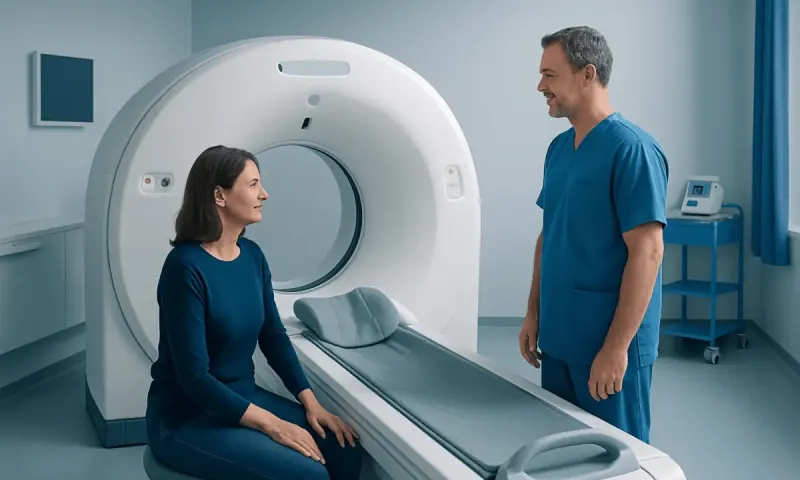
Before the examination, staff confirm the requested body area and ask safety questions, including about possible pregnancy. The patient may need to remove jewellery, watches, metal objects or clothing that could obscure the image. A gown may be provided depending on the body area being examined.
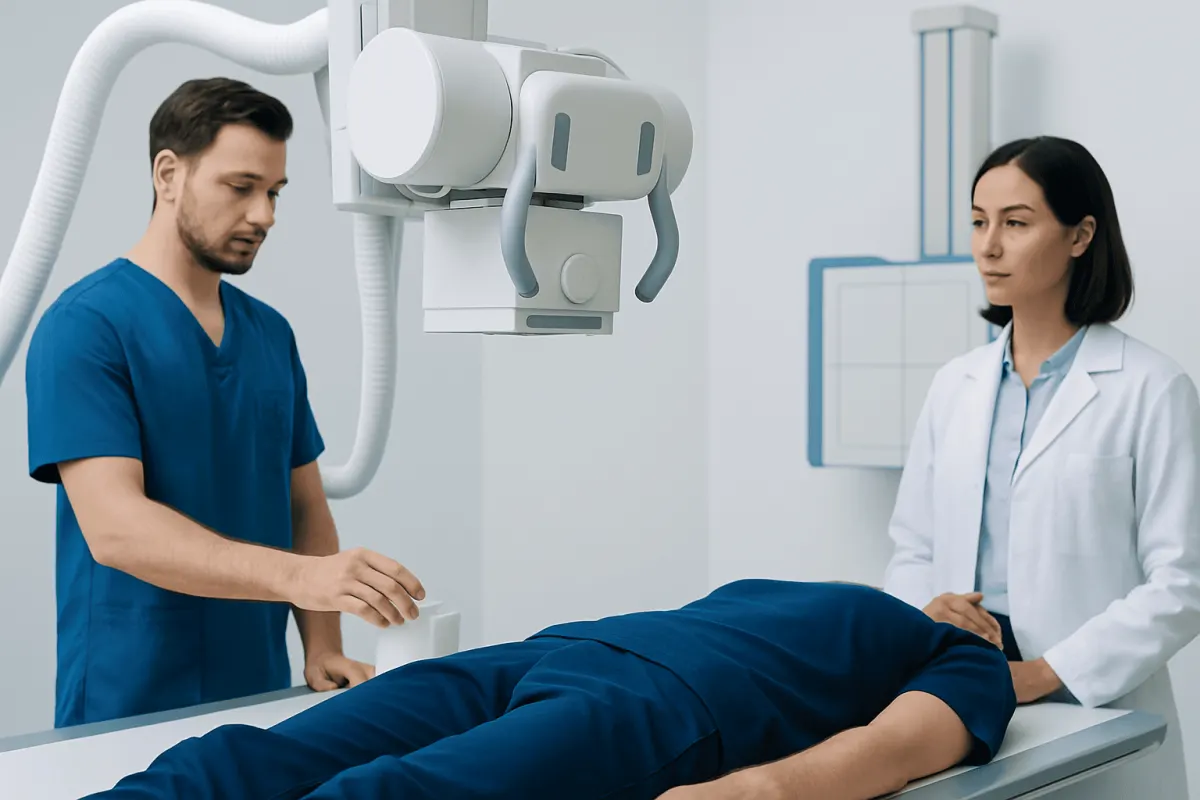
A radiographer positions the body against an image detector or table and explains how to remain still. More than one image is often needed because bones and chest structures must be viewed from different angles. For a chest X-ray, the patient may be asked to take a deep breath and hold it briefly while the image is taken.
The imaging portion is usually brief and painless. The radiographer checks that the images are technically adequate, but may not be able to discuss findings at the appointment. A radiologist’s report is commonly sent to the referring clinician, who explains what the findings mean and whether further care is needed. Where available, X-ray imaging services can provide the examination as part of a clinically guided diagnostic plan.
Benefits, Risks and Recovery After an X-Ray
The main benefit of an X-ray is that it is fast, widely used and particularly effective for examining many bone-related concerns. It can help a clinician confirm a fracture, assess bone position, look for changes in a joint and guide decisions about splints, casts, rehabilitation or referral to a specialist.
X-rays use ionising radiation, but the exposure from a standard examination is generally low and is kept as low as reasonably achievable. Imaging professionals select the correct technique for the clinical question and avoid unnecessary images. The benefits of obtaining important diagnostic information may outweigh the small radiation risk when an X-ray is medically indicated.
There is no physical recovery period after a standard X-ray. Patients can usually eat, drink, work, drive and resume normal activities immediately unless an injury or another medical condition requires restrictions. The next step is usually waiting for the report and following the clinician’s advice about treatment, additional imaging or follow-up.
Can I Negotiate the Price of an X-ray?
Patients may be able to discuss the price of a non-urgent private X-ray, especially when paying directly. Rather than assuming a quoted fee is final, it is reasonable to ask whether the facility offers a self-pay rate, a package that includes the report, a payment plan or a lower-cost outpatient location. The availability of these options differs between providers and healthcare systems.
The most helpful question is often, “What is included in this estimate?” Patients can ask for the cost of the technical imaging service, radiologist interpretation, consultation and any possible additional views. They can also check whether a referral is required and whether the facility is in their insurance network.
Cost should be balanced with clinical appropriateness and quality. A facility should be properly licensed or accredited according to local requirements, and the images should be interpreted by qualified professionals. If symptoms suggest an urgent injury or illness, delaying care to compare prices may not be safe.
How Much Do X-Rays Cost at an ER?
X-rays performed in an emergency department can cost more than the same imaging test at an outpatient centre. This is because the bill may include emergency clinician assessment, nursing and monitoring, facility or hospital charges, medicines or treatment for the underlying problem, and the radiologist’s interpretation in addition to the X-ray itself.
There is no single reliable ER X-ray price. Costs vary considerably by country, region, insurance plan, hospital, body part examined and the complexity of care. An emergency department is designed for urgent evaluation, not simply for obtaining an image, so the total charge should not be compared directly with a standalone imaging quote.
For a non-urgent concern, a clinician may be able to arrange outpatient imaging. However, emergency care is appropriate when there are signs of a serious injury or illness, such as severe pain after trauma, a visibly deformed limb, trouble breathing, fainting, confusion or symptoms of a possible heart or stroke emergency.
How Much Does Medicare Pay for a Chest X-Ray?
Medicare payment for a chest X-ray depends on the country and the specific Medicare programme involved. In the United States, coverage and the patient’s share may depend on whether the examination is medically necessary, whether the clinician and imaging facility accept Medicare assignment, the setting where it is performed and any applicable deductible or coinsurance.
Medicare reimbursement is not the same as the amount a patient is billed or pays out of pocket. A patient should contact their plan, healthcare provider or imaging facility before a non-urgent appointment to confirm coverage, referral requirements and expected personal costs. The facility can often provide billing codes or estimate information to support this discussion.
In other countries where a programme is called Medicare, eligibility and payment rules may be entirely different. Checking the relevant national or regional health authority guidance is the most reliable approach. If a chest X-ray is urgently needed, medical assessment should take priority over obtaining a pre-service cost estimate.
Frequently asked questions
01What is the real cost of an X-ray?
The real cost of an X-ray may include the imaging procedure, facility charge, radiologist’s report and a consultation or referral visit. It varies by the body area, number of views, care setting, insurance coverage and local healthcare system. An itemised estimate is the best way to understand the expected charge before non-urgent imaging.
02Does a private X-ray price include the radiologist report?
Not always. Some facilities quote a bundled amount, while others charge separately for image acquisition and radiologist interpretation. Patients should ask specifically whether the written report and image access are included in the quoted price.
03Can I get an X-ray without a referral?
Rules vary by country, facility and insurance plan. Some private imaging services require a referral from a doctor or another qualified clinician, while others may accept self-referral for selected examinations. A referral can help ensure the correct body area and imaging views are requested.
04How quickly are private X-ray results available?
Image acquisition is usually completed during the appointment, but the final report may take from the same day to several days depending on the facility and urgency. Urgent findings are generally communicated promptly to the referring clinician. Patients should ask when and how they will receive results before leaving.
05Is an X-ray safe?
A standard X-ray uses a low dose of ionising radiation, and imaging teams use the lowest exposure needed to obtain useful images. X-rays are used when the expected diagnostic benefit is greater than the small radiation risk. Patients should tell staff about pregnancy or possible pregnancy before the examination.
06When should I seek medical care rather than arrange a routine X-ray?
Urgent medical assessment is important for severe pain, an obvious deformity, inability to use a limb after an injury, heavy bleeding, shortness of breath, chest pain, confusion or loss of consciousness. These symptoms may need treatment beyond imaging. For less urgent but persistent pain, swelling, cough or reduced movement, a clinician can advise whether an outpatient X-ray is appropriate.
This article is for general information only and is not a substitute for professional medical advice. Please consult a qualified doctor about your individual situation.
Joint and spine care in Turkey — expert assessment & treatment
JCI-accredited · board-certified surgeons · reply within 24h
Add us as a Preferred Source to see more of our trusted health content across Google Search, AI Overviews and Discover.