Private Ultrasound Scans: Access, Safety and Results

A private ultrasound is an ultrasound examination arranged through an independent clinic, hospital or imaging provider, sometimes without a referral depending on the scan and local regulations. It uses sound waves rather than radiation and can help clinicians assess many parts of the body, but results should always be interpreted in the context of symptoms and medical history.
Private ultrasound: meaning and role in medical care
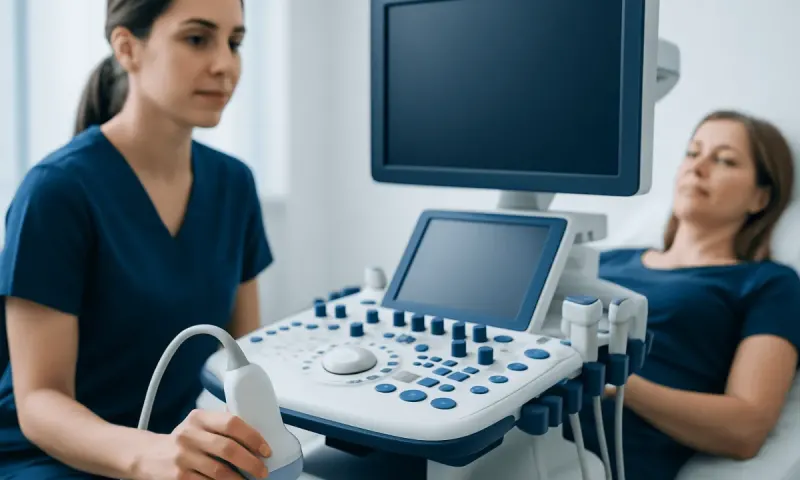
A private ultrasound is an imaging examination arranged through a private hospital, radiology centre, specialist clinic or other independent provider rather than through a public healthcare pathway. The term describes how the scan is accessed and funded, not a different type of technology. The examination is usually performed by a trained sonographer, radiologist or clinician using a handheld probe and gel placed on the skin.
Ultrasound creates images by sending high-frequency sound waves into the body and recording the echoes that return. It does not use ionizing radiation, unlike X-rays and CT scans. It is commonly used to assess the abdomen, pelvis, thyroid, breast, blood vessels, muscles, joints, testes and pregnancy, among other areas.
A private ultrasound may offer a convenient appointment route when a clinician has recommended imaging or when a person wants an assessment for a specific concern. However, a scan is most useful when it answers a clear clinical question. It should be performed by an appropriately qualified professional, with a reporting process and a plan for discussing abnormal or unclear findings.
What can a private ultrasound scan assess?
The details of private ultrasound anatomy depend on the type of examination. An abdominal scan may examine the liver, gallbladder, kidneys, pancreas, spleen and abdominal aorta. A pelvic scan can assess the uterus, ovaries, bladder or prostate, while a vascular Doppler ultrasound evaluates blood flow through arteries and veins.
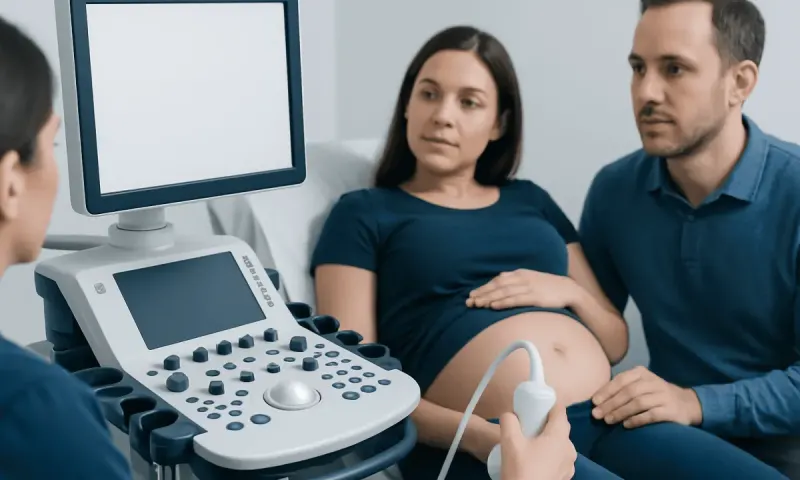
Other focused examinations may look at a lump under the skin, a thyroid nodule, a joint tendon, a swollen leg vein or a scrotal symptom. In pregnancy, ultrasound helps assess fetal development and pregnancy-related structures. The scan is dynamic, meaning the operator can view structures in real time and may ask the patient to change position or breathe in a particular way.
Ultrasound has limitations. Air in the bowel, body habitus, deep structures and bone can make some areas harder to see. A normal scan does not always exclude every possible condition, and an unexpected finding may need blood tests, follow-up imaging, specialist assessment or a different scan. For example, symptoms related to the gallbladder may require further evaluation for gallstones when clinically appropriate.
Can I get a private ultrasound without a referral?

In many settings, it is possible to book some private ultrasound scans without a referral. This is often called self-referral or direct access. Availability depends on the country, the provider’s policies, the body area being scanned and the reason for the appointment. Private ultrasound practices may require a short clinical screening process before confirming that a scan is appropriate.
Some examinations are more likely to require a referral from a doctor or qualified healthcare professional. This may apply when there are complex symptoms, a need for contrast imaging or a specialist scan, or when the result must be integrated into ongoing treatment. A referral can also help ensure the correct test is selected and that the imaging provider has useful background information.
People considering direct booking should ask who performs the scan, who formally reports it, how results are shared and what happens if an urgent concern is found. Reputable private ultrasound companies should have clear arrangements for clinical oversight, report delivery and onward referral. If symptoms are severe, sudden or worsening, seeking medical assessment first is safer than arranging routine imaging independently.
How to prepare and what should you not do before an ultrasound?
Preparation varies by examination, so patients should follow the instructions supplied by the imaging provider. For an abdominal ultrasound, fasting for several hours may be requested because food and drink can cause the gallbladder to contract and can increase bowel gas. For a pelvic or early pregnancy scan, a full bladder may be needed to improve the view of pelvic structures.
What should you not do before an ultrasound? Patients should not eat, drink, empty their bladder or take a medication differently if their provider has specifically advised otherwise. It is also sensible not to apply heavy creams, oils or lotions to the area to be examined, as they may interfere with the probe’s contact with the skin. Smoking and chewing gum before a fasting abdominal scan may increase swallowed air and may be discouraged.
Regular prescribed medicines are often continued with a small sip of water, but this should be confirmed in advance, especially for people with diabetes or those taking medicines that need to be taken with food. Patients should bring relevant previous imaging reports, a medication list and details of symptoms. Comfortable clothing that allows easy access to the area can make the appointment smoother.
- Ask whether fasting is required and for how long.
- Ask whether a full bladder is needed and whether toilet use should be avoided.
- Tell the provider about pregnancy, recent surgery, implanted devices and current symptoms.
- Do not delay urgent medical care while waiting for a routine scan appointment.
Are private ultrasounds covered by insurance?
Private ultrasounds may be covered by health insurance when the policy includes outpatient diagnostic imaging and the scan is medically necessary. Coverage differs widely between insurers and plans. Some policies require a referral, prior authorization, use of an approved provider or a copayment, while others may exclude self-referred or screening examinations.
Before booking, patients should contact their insurer and ask whether the specific ultrasound type, provider and reporting service are covered. It is helpful to confirm whether the policy covers the consultation, scan, radiologist’s report, follow-up appointment and any further tests that may be recommended. Written confirmation can help avoid misunderstandings.
Where insurance does not cover the scan, a patient may choose to self-fund. A provider should explain what is included in the quoted service and whether there could be additional charges for specialist reporting or a consultation. Insurance approval does not determine whether a scan is clinically useful; that decision should be guided by an appropriate healthcare professional.
How much does a private ultrasound scan cost?
The cost of a private ultrasound scan varies substantially and cannot be assumed from the scan name alone. Location, the body area examined, the complexity of the test, the clinician’s expertise, whether Doppler blood-flow assessment is needed, and whether a consultation or formal radiology report is included can all affect the price.
A simple focused scan may have a different fee from a detailed abdominal, pelvic, vascular or pregnancy-related examination. Costs may also differ among private ultrasound companies, hospitals and specialist imaging centres. Patients should request a clear written estimate before booking and ask exactly what it includes.
Useful questions include whether a clinician consultation is included, when the written report will be available, whether images are provided, and what fees might apply if additional views or follow-up are advised. The least expensive option is not necessarily the most appropriate; clinical quality, qualified reporting and a clear follow-up pathway are important considerations.
Understanding results and planning next steps
After the scan, the operator may explain basic practical information, but the final interpretation should come from the clinician or radiologist responsible for the report. Results may be described as normal, reassuring, inconclusive or showing a finding that needs further assessment. A finding is not always the cause of a person’s symptoms, and many imaging changes are benign or incidental.
The report should be discussed with the referring clinician, primary care doctor or relevant specialist. Depending on the result, next steps may include monitoring, blood or urine tests, medication, another imaging study or referral to a specialist. Vascular symptoms, for example, may need urgent evaluation if a scan suggests or cannot exclude deep vein thrombosis.
It is important to keep a copy of the report and make sure it reaches the clinician coordinating care. At Acıbadem Health Point, multidisciplinary specialists and JCI-accredited hospitals can arrange diagnostic evaluation and appropriate treatment planning for international patients when further assessment is needed.
When to seek medical care
A private ultrasound can be useful for non-urgent concerns, but it is not a substitute for timely medical care. People should seek urgent assessment for severe or sudden pain, chest pain, shortness of breath, fainting, signs of stroke, heavy bleeding, a rapidly enlarging swelling, high fever with worsening illness, or severe pain during pregnancy.
Medical advice should also be sought promptly for persistent abdominal or pelvic pain, unexplained weight loss, jaundice, blood in the urine or stool, a new breast or testicular lump, ongoing vomiting, or new leg swelling and pain. A clinician can assess symptoms, examine the patient and decide whether ultrasound or another investigation is the right next step.
For symptoms that are mild but do not improve, an appointment with a qualified doctor remains the best starting point. They can consider the person’s full health history and help avoid unnecessary testing while ensuring concerning symptoms are investigated appropriately.
Frequently asked questions
01Is a private ultrasound safe?
Diagnostic ultrasound is generally considered safe because it uses sound waves rather than ionizing radiation. It should still be performed only when there is a clinical reason and by trained professionals who use appropriate scanning settings and duration.
02How long does a private ultrasound appointment take?
The scan itself commonly takes around 15 to 45 minutes, depending on the body area and complexity. The overall visit may take longer if it includes registration, preparation or a consultation.
03Can a private ultrasound diagnose cancer?
An ultrasound can identify a mass or other abnormality that may need further investigation, but it usually cannot confirm cancer on its own. Further imaging, specialist review and sometimes a biopsy may be needed for a definite diagnosis.
04Will I receive the results on the same day?
Some providers give preliminary information on the day, while others issue a formal report after review by a radiologist or clinician. The timing should be confirmed when booking, particularly if the scan is being arranged for an ongoing medical concern.
05Do I need to bring anything to a private ultrasound?
Patients should bring identification, referral information if they have it, previous scan reports and a list of medicines and relevant health conditions. They should also follow any fasting or bladder-preparation instructions provided by the clinic.
06Can I have an ultrasound if I am pregnant?
Ultrasound is widely used during pregnancy and does not use radiation. The type and timing of a pregnancy scan should be discussed with the maternity team or a qualified clinician, especially if there are pain, bleeding or other symptoms.
This article is for general information only and is not a substitute for professional medical advice. Please consult a qualified doctor about your individual situation.
Joint and spine care in Turkey — expert assessment & treatment
JCI-accredited · board-certified surgeons · reply within 24h
Add us as a Preferred Source to see more of our trusted health content across Google Search, AI Overviews and Discover.