Private Pacemaker Cost UK: Care, Choices and Planning
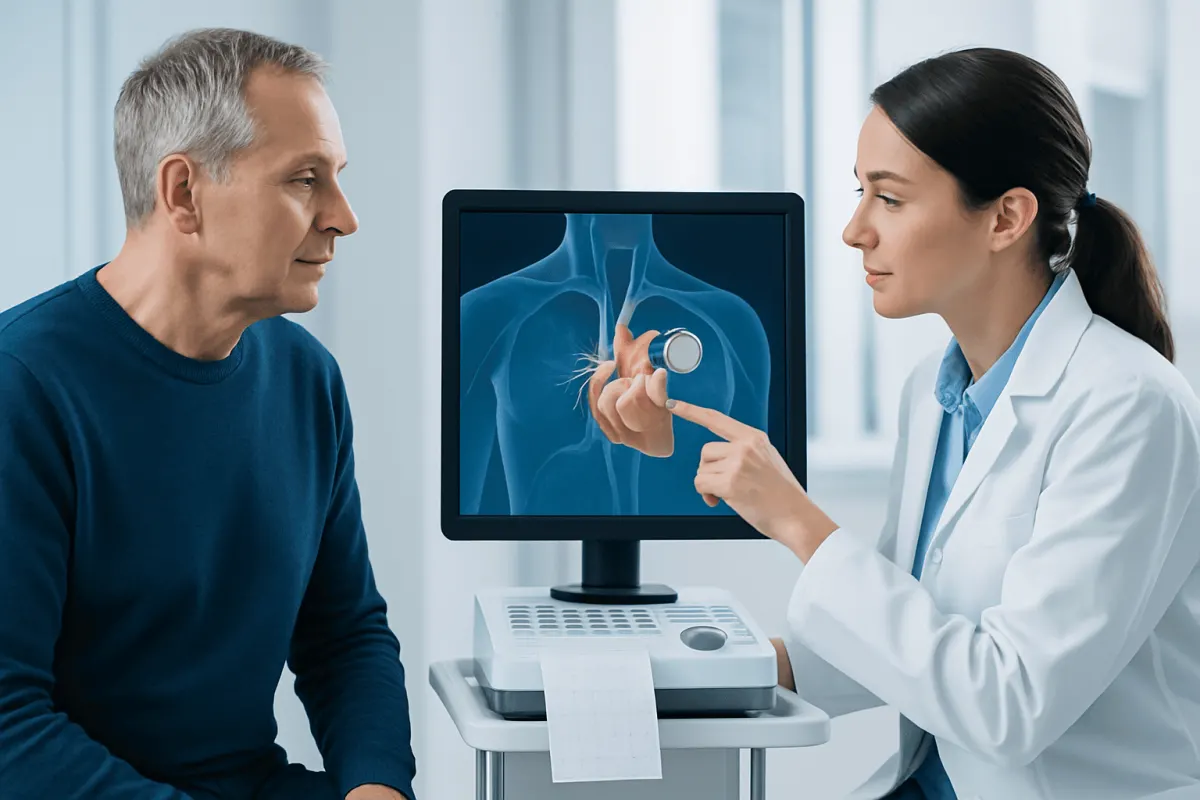
Private pacemaker cost UK cannot be given as one reliable figure because the final quote depends on the type of pacemaker, clinical complexity, hospital services and follow-up needs. Patients should request an itemised estimate and discuss whether private treatment, NHS care or a combination of both is most appropriate.
Private pacemaker cost UK: what affects the final quote?
Private pacemaker cost UK varies substantially, so there is no single accurate price that applies to every patient. The total reflects the person’s heart rhythm condition, the type of device recommended, the investigations needed before implantation, the hospital setting, specialist and anaesthetic fees, and the follow-up programme. A safe comparison starts with a written, itemised quotation rather than a headline price.
A private quote may include the initial cardiology consultation, electrocardiogram (ECG), blood tests, imaging, the pacemaker device and leads, the implantation procedure, hospital accommodation, medicines used during admission and device checks after discharge. In some cases, further monitoring, treatment for another heart condition, additional imaging or management of complications may not be included. Patients can ask exactly what is covered, what could create additional charges, and whether future battery replacement or remote monitoring is included.
For people eligible for NHS care, pacemaker assessment and implantation may be available through the NHS based on clinical need. Some people consider private assessment for appointment timing, choice of hospital or continuity with a particular specialist. The best route depends on individual circumstances, urgency and insurance coverage, and should be discussed openly with the treating cardiology team.
- Ask for the make and category of device proposed and why it is suitable.
- Confirm whether consultant, facility, device and follow-up fees are included.
- Ask about expected length of stay and costs if an overnight stay is needed.
- Check how routine checks, remote monitoring and future generator replacement will be arranged.
How a pacemaker supports the heart rhythm
A pacemaker is a small electronic device placed under the skin, usually below the collarbone. It monitors the heart’s electrical activity and sends small electrical impulses when the heartbeat is too slow or pauses for too long. These impulses help maintain a more reliable heart rate and may improve symptoms caused by an abnormally slow rhythm.
Most conventional pacemakers have a pulse generator, which contains the battery and computer, and one or more thin insulated wires called leads. The leads travel through a vein into the heart and deliver impulses when needed. Some patients may be suitable for a leadless pacemaker, which is placed inside the heart through a catheter; this is not appropriate for every rhythm problem.
Pacemakers do not usually treat every type of arrhythmia. For example, they are mainly used for bradycardia, certain types of heart block and some forms of sinus node dysfunction. A cardiologist or heart rhythm specialist assesses the ECG findings, symptoms and monitoring results to determine whether a pacemaker is likely to help.
Who may be considered for a pacemaker?

A pacemaker may be recommended when a slow or interrupted heartbeat is causing symptoms or creates a significant risk. Symptoms can include dizziness, fainting, unusual tiredness, breathlessness, reduced exercise tolerance, confusion or palpitations. Some people have few symptoms but show a rhythm abnormality that requires treatment because of its pattern or severity.
The assessment commonly includes an ECG, blood tests and ambulatory rhythm monitoring such as a Holter monitor or event recorder. An echocardiogram may also be used to examine heart structure and pumping function. The clinician will review medicines, because some drugs can slow the heart rate and may need adjustment before a permanent device is considered.
Age is not the deciding factor. A person in their seventies, eighties or beyond can receive a pacemaker when the expected benefit outweighs the risks. Frailty, other medical conditions, mobility, independence, personal goals and ability to attend follow-up appointments are all considered as part of shared decision-making.
Can a 70 year old get a pacemaker?
Yes. A 70 year old can get a pacemaker if they have a heart rhythm condition for which a pacemaker is clinically appropriate. In fact, slow heart rhythms and conduction problems become more common with age, so many people receiving pacemakers are older adults.
Before recommending the procedure, the cardiology team considers the individual’s symptoms, ECG and monitoring results, heart function, kidney and lung health, medicines and any conditions that may affect healing or infection risk. The decision should be based on likely improvement in safety, symptoms and daily function rather than age alone.
Older patients may benefit from practical planning before the procedure. This can include discussing transport, support at home, medication management and the timing of follow-up visits. Family members or carers can be included in conversations when the patient wishes.
What happens during pacemaker implantation?
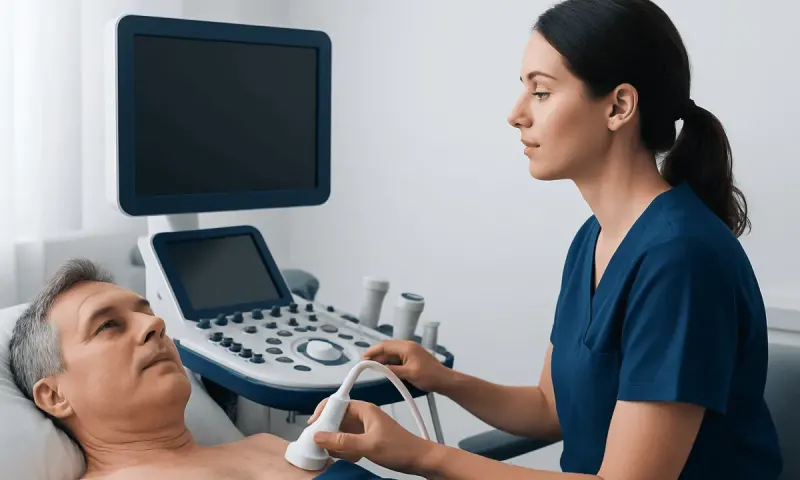
Pacemaker implantation is usually performed in a cardiac catheterisation laboratory or operating theatre by a cardiologist with expertise in heart rhythm procedures. The patient is awake in many cases and receives local anaesthetic to numb the area, sometimes with sedation to improve comfort. General anaesthetic may be used in selected situations.
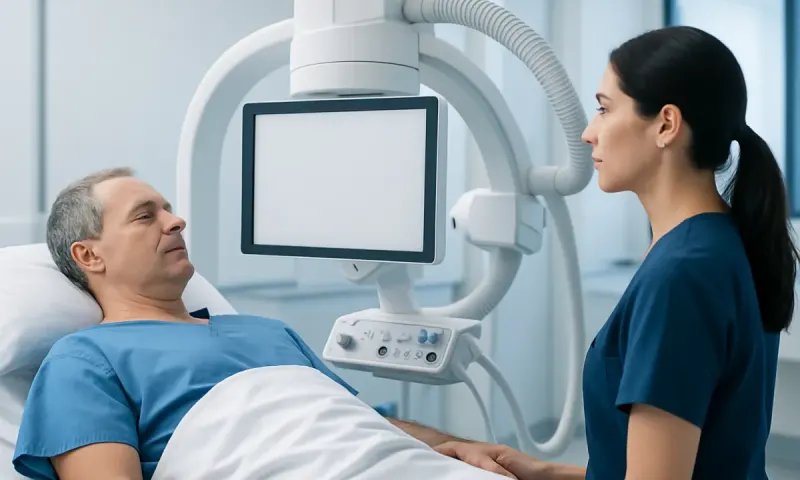
After the skin is cleaned and covered with sterile drapes, the clinician makes a small incision below the collarbone. For a conventional pacemaker, one or more leads are guided through a vein to the heart using X-ray imaging. The leads are tested to confirm stable positioning, then connected to the generator, which is placed in a small pocket under the skin. The incision is closed and covered with a dressing.
The procedure time varies depending on the device and anatomy. Afterwards, the device is checked and programmed for the individual’s needs. Most people have observation in hospital for several hours or overnight. A chest X-ray may be taken to confirm lead position and check for uncommon complications such as air around the lung.
Patients considering device implantation can learn more about pacemaker implantation and follow-up care when discussing their treatment pathway with a qualified cardiology team.
Is having a pacemaker fitted a big deal?
Having a pacemaker fitted is an important medical procedure, but it is also a well-established treatment performed routinely in specialist cardiac centres. It involves placing a permanent device in the body and requires sterile technique, imaging, monitoring and continued checks after implantation. For many people with a significant slow rhythm problem, it can reduce symptoms and lower the risk of episodes related to an excessively slow heartbeat.
It is normal to feel concerned before the procedure. The care team should explain why a pacemaker is recommended, which type is planned, what anaesthesia will be used, how long recovery may take and how the device will be monitored. Patients should tell the team about allergies, blood-thinning medicines, diabetes treatments, previous chest procedures and any concerns about sedation.
Potential risks include bruising or bleeding at the implant site, infection, lead movement, damage to a blood vessel, collapsed lung, blood clot and, rarely, injury to the heart. Serious complications are uncommon, but the individual risk differs between patients. The specialist team takes steps to prevent complications and provides instructions on what symptoms require urgent attention.
Recovery, daily life and long-term device checks
Most people can return home on the day of the procedure or after an overnight stay, depending on their health and the type of pacemaker. Mild discomfort, swelling or bruising around the wound is common at first. The team will advise on pain relief, wound care, bathing and when to remove or change the dressing.
For the first weeks, patients are commonly asked to avoid heavy lifting, vigorous upper-body exercise and repeated stretching of the arm on the implant side. These precautions help the wound heal and, with conventional devices, allow leads to settle. The exact restrictions vary, so the treating team’s instructions should take priority. Driving advice also differs according to the reason for implantation and local regulations.
Follow-up appointments check the incision and test the pacemaker. Many modern devices can be monitored remotely, alongside periodic in-person reviews. Pacemaker batteries often last for years, but they eventually require replacement of the generator through another planned procedure. The leads may remain in place if they are functioning well.
Most household electronics are safe when used normally. Patients should nevertheless carry their pacemaker identification card, inform healthcare professionals and dentists about the device, and ask their cardiac team about magnetic equipment, security systems, work-related machinery and any planned MRI scan.
When to seek medical care
Urgent medical advice is needed after pacemaker implantation if there is worsening redness, warmth, swelling, discharge or bleeding from the wound; fever or chills; increasing pain; sudden shortness of breath; chest pain; fainting; or a new fast or irregular heartbeat. These symptoms do not always mean there is a serious complication, but they should be assessed promptly.
Before implantation, anyone with fainting, severe breathlessness, chest pain, persistent palpitations or a very slow pulse should seek prompt medical assessment. Emergency services should be contacted for severe chest pain, collapse, severe breathing difficulty or symptoms suggestive of stroke, such as facial weakness, arm weakness or speech difficulty.
Acıbadem Health Point’s multidisciplinary specialists and JCI-accredited hospitals diagnose and treat heart rhythm conditions for international patients, with individual assessment and follow-up planning. A cardiologist can explain whether a pacemaker is appropriate and what care arrangements are needed after treatment.
How much does a pacemaker cost in Canada?
Pacemaker costs in Canada depend on the province or territory, whether the patient is eligible for publicly funded care, the hospital system, the device type and any additional services required. For medically necessary treatment, many Canadian residents may receive hospital-based pacemaker care through provincial or territorial health coverage, although coverage rules and related out-of-pocket expenses can vary.
Private or self-pay arrangements are not directly comparable with private pacemaker cost UK. Differences in healthcare funding, hospital billing, device procurement, insurance and follow-up systems mean that figures from one country should not be used to predict costs in another. Patients should contact the relevant provincial health authority, insurer or treating hospital for current, personalised information.
For people travelling for treatment, it is especially important to plan who will provide wound checks, device interrogation and emergency care after returning home. A pacemaker is a long-term treatment, so continuity of follow-up matters as much as the implantation itself.
Frequently asked questions
01How much does it cost to have a pacemaker done privately?
There is no single private price for pacemaker implantation because device selection, investigations, specialist fees, hospital stay and follow-up requirements differ between patients and providers. A detailed written quote should state what is included and identify potential additional costs, such as extra testing, treatment of complications or future device checks. Patients should also ask how long-term monitoring and eventual battery-generator replacement will be managed.
02Can a 70 year old get a pacemaker?
Yes. A person aged 70 can receive a pacemaker when they have an appropriate rhythm condition and the expected benefits outweigh the risks. The decision is based on health status, symptoms, heart tests, other conditions and the person’s goals, not age alone.
03Is having a pacemaker fitted a big deal?
Pacemaker implantation is a significant procedure because it places a permanent medical device and requires ongoing follow-up. However, it is a well-established cardiac treatment and is commonly performed by specialist teams. The care team will explain the individual risks, expected benefits and recovery plan before treatment.
04How much does a pacemaker cost in Canada?
Costs in Canada vary by province or territory, eligibility for public healthcare, device type and hospital arrangements. Medically necessary pacemaker care is often publicly funded for eligible residents, but coverage details and related expenses differ. A provincial health authority, insurer or treating hospital can provide current information for an individual situation.
05How long does recovery take after pacemaker implantation?
Many people leave hospital the same day or after one night, while wound healing and return to normal activity take longer. Arm movement and lifting restrictions are often advised for the first few weeks, particularly with conventional lead-based devices. The precise timeline depends on the procedure and should be confirmed with the implanting team.
06Will a pacemaker cure an irregular heartbeat?
A pacemaker mainly treats slow heart rhythms or pauses by preventing the heart rate from becoming too low. It does not cure every form of arrhythmia, and some people need medicines, ablation or other treatments for additional rhythm problems. Regular device checks help ensure the pacemaker is working as intended.
This article is for general information only and is not a substitute for professional medical advice. Please consult a qualified doctor about your individual situation.
Explore treatments in Turkey — costs, top hospitals & a free quote
JCI-accredited · board-certified surgeons · reply within 24h
Add us as a Preferred Source to see more of our trusted health content across Google Search, AI Overviews and Discover.