Pulmonary Embolism Treatment: Diagnosis, Outlook, and Modern Treatment Approaches
Sudden breathlessness that comes out of nowhere, or a sharp chest pain that bites when you take a deep breath — that combination is one you should never wait out at home. It can mean a clot has lodged in an artery in your lungs.
Pulmonary embolism treatment aims to stop a clot from growing, prevent new clots, and protect the heart and lungs. Most people are treated with blood-thinning medication, while more urgent cases may need hospital-based procedures to dissolve or remove the clot.
Overview: What Pulmonary Embolism Treatment Involves
When a blood clot blocks an artery in your lungs, the care you get is called pulmonary embolism treatment. It usually starts as soon as we suspect it, without waiting for every result, because we have three jobs to do fast: steady your breathing and circulation, keep the clot from enlarging, and reduce the chance of another one forming.
For many patients, the first-line treatment is anticoagulation, often called blood-thinning therapy. These medicines do not directly dissolve the existing clot right away, but they help the body gradually break it down while preventing new clots. In more serious cases, especially if blood pressure is low or the heart is under strain, doctors may consider more advanced options such as clot-dissolving medication, catheter-based procedures, or surgery.
Pulmonary embolism is closely linked to deep vein thrombosis, where a clot forms in a deep vein and then travels to the lungs. Because of this, evaluation often includes looking for deep vein thrombosis and understanding why the clot developed. Treatment decisions are individualized and based on severity, overall health, age, pregnancy status, cancer history, recent surgery, kidney function, and bleeding risk.
Symptoms and Why Quick Recognition Matters
Symptoms of pulmonary embolism can vary widely. Some people have sudden shortness of breath, sharp chest pain that may worsen with deep breathing, a fast heartbeat, lightheadedness, or cough. Others may have milder symptoms, especially if the clot is small. In some cases, the first warning sign may be unexplained low oxygen levels or reduced exercise tolerance.
A pulmonary embolism can sometimes occur alongside symptoms of a clot in the leg. These may include swelling in one leg, calf pain, warmth, redness, or tenderness. When leg symptoms appear together with sudden breathing symptoms, doctors are more likely to suspect a clotting problem involving both the veins and lungs.
Why the rush? Left untreated, a pulmonary embolism strains the right side of the heart and cuts oxygen delivery to the body. Treating it early usually means a better outcome and fewer complications. So even if your symptoms feel mild, don’t shrug off new chest pain or sudden breathlessness — the same symptoms show up in other urgent heart and lung problems.
Causes, Risk Factors, and How Severity Is Assessed
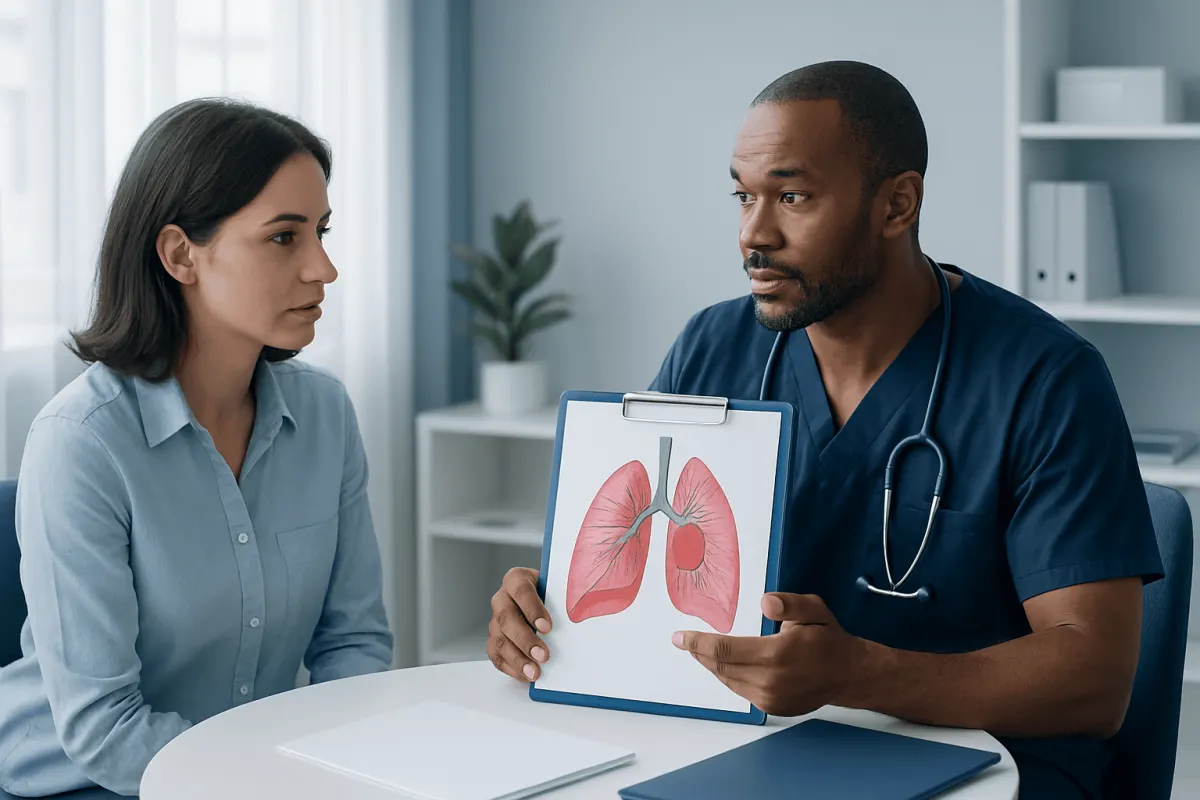
Most pulmonary emboli begin as clots in the deep veins of the legs or pelvis. These clots may form when blood flow slows, the blood becomes more likely to clot, or the blood vessel lining is injured. This can happen after surgery, long periods of immobility, hospitalization, major illness, trauma, or long-distance travel. Clot risk is also higher during pregnancy and the postpartum period.
Other important risk factors include cancer, inherited clotting disorders, prior venous thromboembolism, smoking, obesity, hormone therapy, and some chronic inflammatory conditions. Sometimes no clear trigger is found. In those cases, doctors may review whether further testing is needed, especially if the event occurs at a younger age or recurs.
Not every pulmonary embolism is equally dangerous. Doctors usually assess severity by looking at blood pressure, oxygen levels, heart rate, signs of right heart strain on imaging, and blood test results. A patient who is stable may be treated very differently from someone with low blood pressure or signs of cardiovascular collapse. This risk-based approach helps guide whether treatment can be given with medication alone or whether urgent intervention is needed.
How Pulmonary Embolism Is Diagnosed
Diagnosis begins with a clinical assessment of symptoms, medical history, and risk factors. Doctors may use structured risk tools to estimate how likely a pulmonary embolism is before ordering tests. In lower-risk situations, a blood test called D-dimer may help rule out a clot when the result is normal and the clinical picture fits. However, a positive D-dimer does not confirm pulmonary embolism on its own.
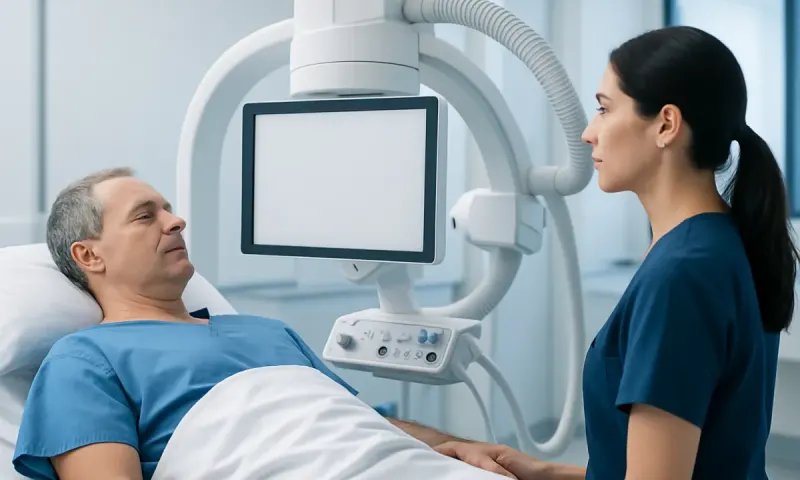
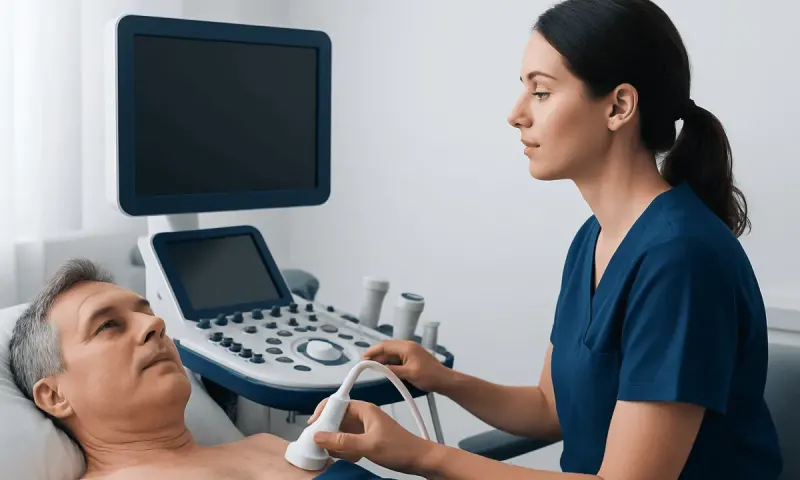
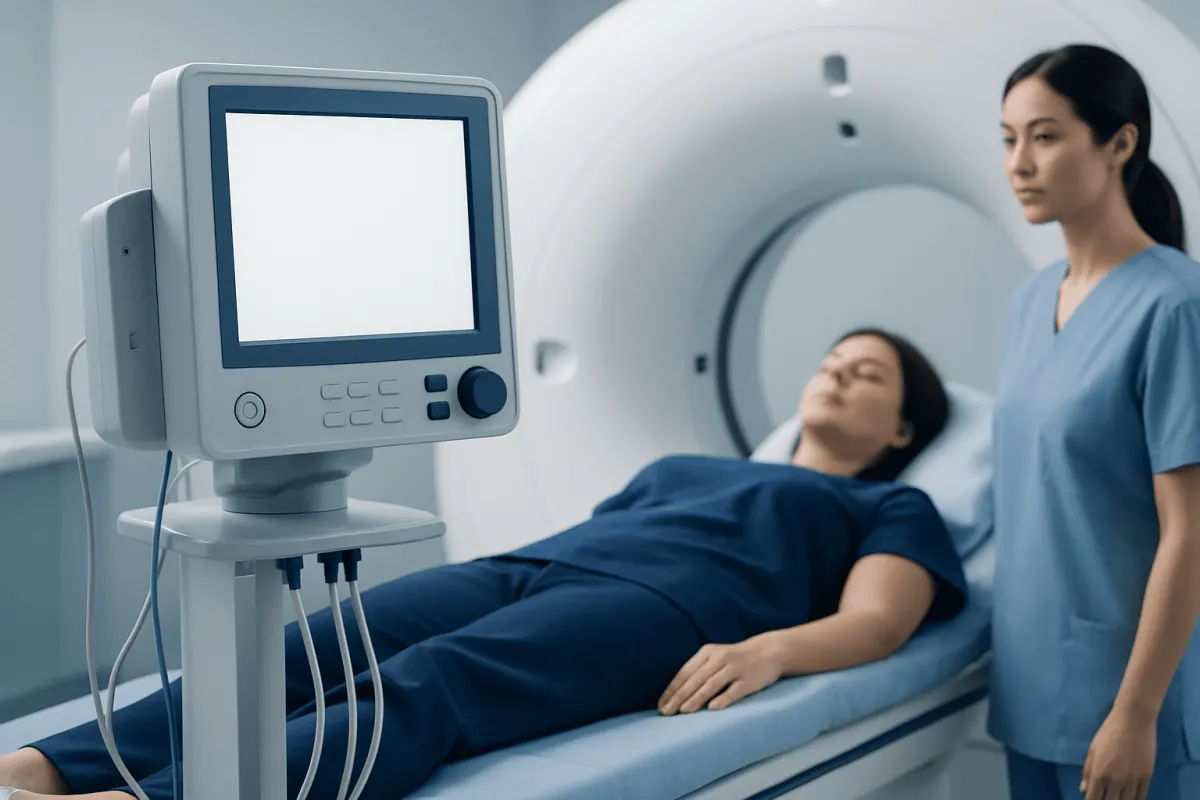
The main imaging test used to confirm the diagnosis is a CT pulmonary angiogram, which shows blood flow in the lung arteries and can reveal where a clot is located. If CT imaging is not suitable, such as in some cases of contrast allergy, kidney concerns, or pregnancy, a ventilation-perfusion scan may be considered. An ultrasound of the legs may also help identify a source clot in patients with suspected deep vein thrombosis.
Doctors often order additional tests to understand how the embolism is affecting the body. These may include blood oxygen measurement, electrocardiogram, chest X-ray, echocardiography, and blood tests that look for signs of heart strain. These results do more than confirm the diagnosis; they help shape the treatment plan and estimate short-term risk.
Because chest pain and breathing difficulty can have many causes, pulmonary embolism may need to be distinguished from conditions such as pneumonia, asthma flare, heart attack, or lung cancer when symptoms are persistent or imaging reveals another finding. The focus is not only on finding the clot but also on identifying related conditions that may change management.
Modern Treatment Approaches
The foundation of pulmonary embolism treatment is anticoagulation. These medicines reduce the blood’s ability to clot and help prevent the existing clot from getting larger while the body slowly breaks it down. Depending on the situation, treatment may begin with an injectable anticoagulant or an oral medication. The choice depends on factors such as kidney function, cancer, pregnancy, drug interactions, and bleeding risk.
Some patients can be treated at home if they are stable, have a low-risk pulmonary embolism, and have reliable follow-up. Others need hospital care for oxygen support, monitoring, pain control, or closer observation of the heart and lungs. If breathing is significantly affected, supportive care may include oxygen therapy and close monitoring in an emergency or inpatient setting.
When the embolism is severe and causes low blood pressure, shock, or major right heart strain, doctors may use clot-dissolving therapy, often called thrombolysis. This treatment can work faster than anticoagulation alone, but it also carries a higher bleeding risk, so patient selection is important. In carefully chosen cases, specialists may recommend thrombolytic therapy or a minimally invasive catheter-based interventional radiology procedure to deliver treatment directly to the clot or remove part of it.
If medicines and catheter-based options are not suitable or are unsuccessful, surgery may be considered. A surgical embolectomy is less common, but it can be lifesaving in selected emergencies. In special situations where anticoagulation cannot be used at all, a vena cava filter may be discussed to help reduce the chance of more clots reaching the lungs, though filters are not routine first-line treatment. Some patients with ongoing circulation problems may also be evaluated by specialists in cardiovascular surgery or pulmonary vascular disease.
Recovery, Follow-Up, and Outlook
Recovery after pulmonary embolism varies. Some people feel better within days to weeks, while others notice fatigue, shortness of breath, or lower exercise tolerance for a longer period. This does not always mean treatment is failing; the body needs time to clear the clot and recover from the strain it caused. Follow-up helps doctors confirm that symptoms are improving as expected and that medication remains safe and effective.
One of the most important follow-up decisions is how long anticoagulation should continue. Treatment duration depends on whether the clot was provoked by a temporary risk factor, whether it happened without a clear trigger, whether cancer is present, and how likely bleeding complications are. Some patients need treatment for a limited period, while others benefit from longer-term prevention.
Doctors may also assess for complications if symptoms persist. A small number of patients develop chronic thromboembolic pulmonary hypertension, a condition in which pressure in the lung arteries remains high because clot material does not fully resolve. Ongoing shortness of breath, reduced stamina, or signs of heart strain after treatment should be reviewed rather than simply attributed to deconditioning.
Diagnosed promptly and treated properly, many patients recover well. Keeping your follow-up appointments, taking your medication as prescribed, and staying alert to recurrence risk all tip the odds in your favour. Some people do better when chest physicians, hematologists, cardiologists, radiologists, and surgeons look at the case together. Acıbadem Health Point’s multidisciplinary specialists and JCI-accredited hospitals diagnose and treat pulmonary embolism for international patients when specialist assessment is needed.
Prevention and Self-Care After Treatment
Once you’ve had one clot, preventing the next one becomes part of your daily routine. Take your anticoagulant exactly as prescribed. Don’t stop early or adjust the dose on your own, even if you feel completely back to normal. And tell every doctor and pharmacist about all the medicines and supplements you take — some raise bleeding risk or change how anticoagulants work.
Daily habits also matter. Staying mobile, avoiding long periods of sitting, drinking enough fluids unless a doctor has advised otherwise, and following post-surgical mobility plans can all help reduce risk. During long trips, standing up regularly, doing calf exercises, and wearing compression stockings when recommended may be useful for selected patients.
Learn what a recurrence and what bleeding look like. New shortness of breath, chest pain, fainting, or leg swelling should be assessed promptly. Unusual bruising, prolonged bleeding, black stools, vomiting blood, or severe headache while on anticoagulants also needs urgent medical advice. People with pulmonary embolism related to surgery, pregnancy, cancer, or inherited risk may need more individualized prevention planning than the general population.
- Take medicines exactly as prescribed.
- Keep follow-up appointments and blood tests if required.
- Stay active within medical guidance.
- Discuss travel, pregnancy, or future surgery plans with a doctor.
- Seek advice before starting new over-the-counter medicines or supplements.
When to Seek Medical Care
Urgent medical care is needed for sudden shortness of breath, chest pain, fainting, blue lips, severe dizziness, coughing up blood, or a rapid decline in breathing. These symptoms do not always mean pulmonary embolism, but they need immediate evaluation because they can signal a serious heart or lung problem.
A prompt outpatient or same-day medical review is also appropriate for one-sided leg swelling, new calf pain, unexplained fast heartbeat, or lingering breathlessness after a recent surgery, hospitalization, long trip, or period of immobility. Anyone already receiving pulmonary embolism treatment should contact a doctor quickly if symptoms worsen or if there are signs of bleeding.
People who have complex clotting histories, recurrent episodes, pregnancy-related clots, or possible long-term complications may need coordinated specialist care. This may include assessment by experts in hematology, cardiology, lung disease, vascular medicine, or imaging, especially if standard treatment does not fully explain persistent symptoms.
Frequently asked questions
01What is the first-line pulmonary embolism treatment?
For most patients, the first-line treatment is anticoagulation, also called blood-thinning medication. It helps prevent the clot from growing and lowers the chance of new clots while the body gradually clears the existing clot.
02How long does pulmonary embolism treatment usually last?
Treatment length varies depending on why the clot happened and whether the person has an ongoing risk of recurrence. Some people need a limited course, while others may need extended or long-term anticoagulation after a careful risk-benefit review.
03Can pulmonary embolism be treated at home?
Some patients with a low-risk pulmonary embolism can be treated at home if they are stable and have reliable follow-up. Others need hospital care for oxygen support, closer monitoring, or advanced treatment.
04Do blood thinners dissolve a pulmonary embolism?
Blood thinners do not directly dissolve the clot in the same way clot-busting medicines do. Instead, they stop further clotting and allow the body's natural processes to break down the clot over time.
05When is surgery or a procedure needed for pulmonary embolism?
Procedures are usually considered when the embolism is severe, the heart is under significant strain, blood pressure is low, or anticoagulation alone is not enough. Options may include catheter-based treatment, clot-dissolving therapy, or surgery in selected emergency situations.
06What is the outlook after pulmonary embolism treatment?
Many people recover well, especially when diagnosis and treatment are prompt. <a href="https://www.acibademhealthpoint.com/blog/how-long-is-neck-surgery-recovery-time/" title="How Long Is Neck Surgery Recovery Time?" class="ahp-ilk">Recovery time varies, and some patients need follow-up for persistent shortness of breath, medication planning, or assessment for longer-term complications.
This article is for general information only and is not a substitute for professional medical advice. Please consult a qualified doctor about your individual situation.
Oncology care in Turkey — second opinion and treatment plan
JCI-accredited · board-certified surgeons · reply within 24h
Add us as a Preferred Source to see more of our trusted health content across Google Search, AI Overviews and Discover.