

Private Knee Arthroscopy: Procedure, Benefits, Risks and Recovery
- 10 min read
- Published November 27, 2026
Key Takeaways
- Knee arthroscopy uses small incisions and a camera to examine or treat the joint.
- It is commonly considered for meniscus injuries, cartilage problems, loose bodies, and some cases of knee pain or swelling.
- Recovery is often faster than open surgery, but it still requires rest, rehabilitation, and follow-up care.
- As with any operation, there are risks such as infection, stiffness, blood clots, and persistent symptoms.
- A specialist should confirm whether arthroscopy is appropriate, because not every knee problem benefits from surgery.
Private knee arthroscopy is a minimally invasive surgical procedure used to diagnose and treat selected knee problems through small incisions and a camera-guided approach. It may help relieve pain, improve movement, and clarify the cause of ongoing symptoms when non-surgical treatment has not been enough.
Overview
Private knee arthroscopy is a minimally invasive procedure used to look inside the knee joint and, when appropriate, treat a problem during the same operation. It is often chosen by people who want timely specialist assessment, a clear surgical plan, and coordinated follow-up care, including those travelling from another country for treatment.
The surgeon inserts a thin camera called an arthroscope through a small incision, usually alongside one or more tiny working ports for instruments. This approach can help address certain injuries and joint conditions without the larger incision of traditional open surgery, but it is not suitable for every knee complaint. A careful orthopedic assessment is the first step in deciding whether arthroscopy is likely to help.
In practice, the value of private care often lies in speed and coordination: imaging, consultation, surgery, physiotherapy, and later review can be arranged in a more streamlined way. Even so, the medical decision remains the same everywhere—arthroscopy should be recommended because it matches the patient’s symptoms, examination, and test results, not simply because the procedure is available.
Symptoms and Common Problems It May Address
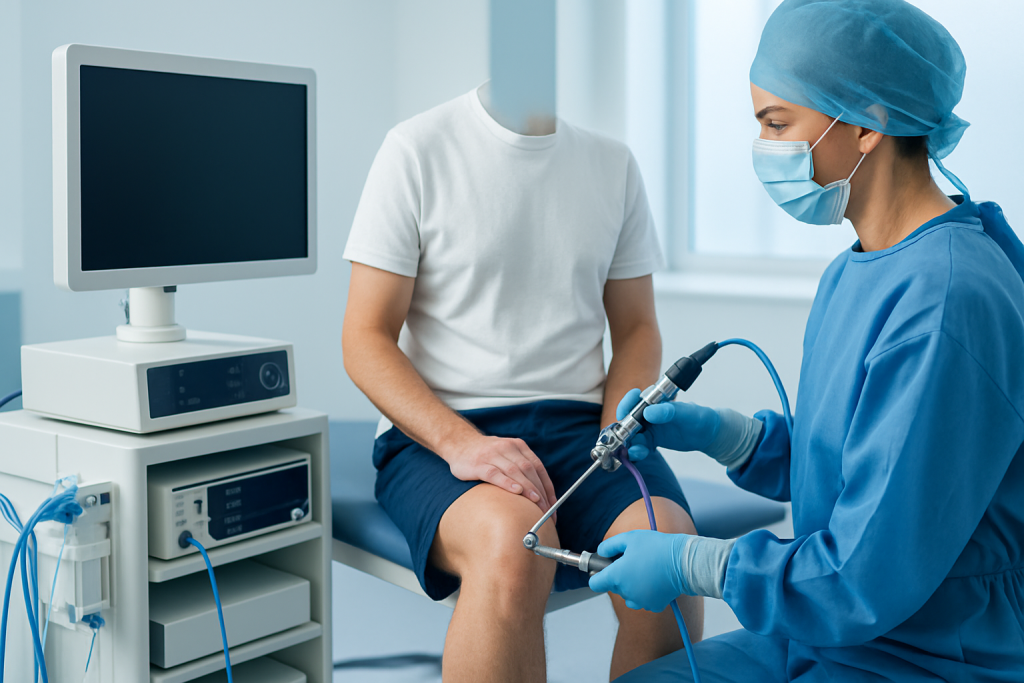
People are usually referred for knee arthroscopy because they have persistent symptoms that have not settled with rest, medication, physiotherapy, or activity modification. These symptoms may include pain, swelling, catching, locking, instability, or a sense that the knee is “stuck” or not moving smoothly.
Arthroscopy may be used to assess or treat several knee conditions, including a meniscus tear, loose cartilage fragments, some ligament-related problems, inflamed joint lining, and selected cases of cartilage damage. It may also be used to remove loose bodies that cause mechanical symptoms or to help a surgeon better understand the source of ongoing pain.
Not every painful knee needs surgery. Many people with osteoarthritis, overuse injuries, or mild soft-tissue irritation improve without an operation. A specialist will usually consider whether the symptoms are mechanical, whether there is a clear target to repair or remove, and whether the expected benefit is greater than the recovery time and surgical risk.
Causes and Risk Factors
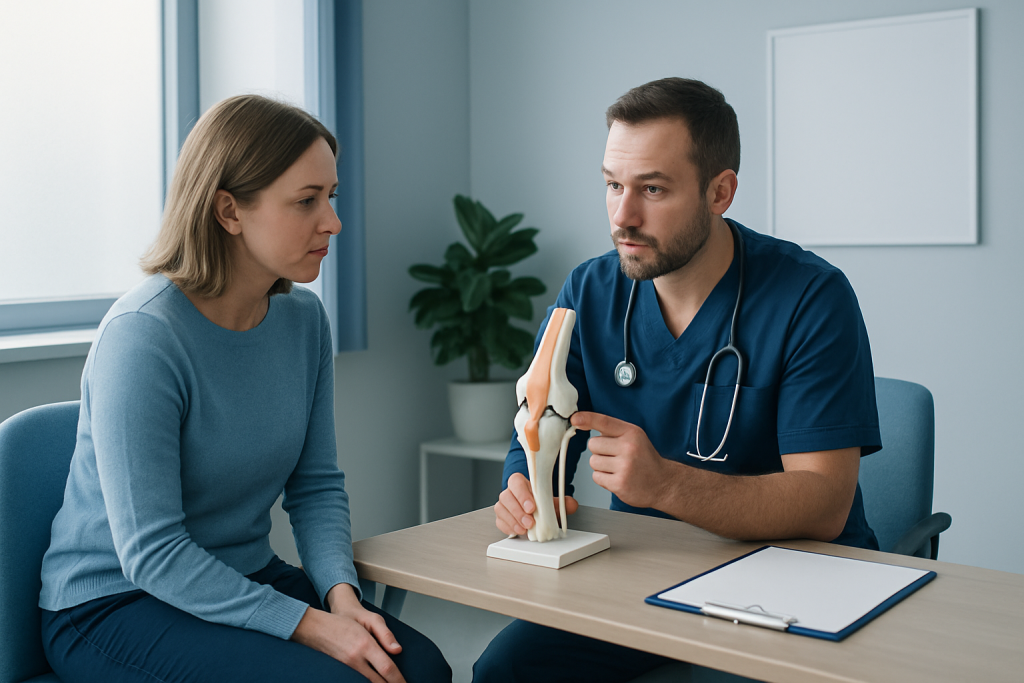
Knee problems that lead to arthroscopy often begin with a twist, sports injury, fall, or gradual wear and tear. A meniscus tear may happen during a sudden pivot, while cartilage injuries may develop after trauma or repeated stress. Some people also have symptoms linked to aging changes in the joint rather than a single injury.
Risk factors depend on the underlying condition. Sporting activities with twisting or impact, jobs that require kneeling or frequent squatting, previous knee injuries, excess body weight, and poor muscle support around the knee can all place more stress on the joint. A history of inflammatory joint disease or prior surgery may also influence the likelihood of ongoing symptoms.
For international patients considering private knee arthroscopy, it is useful to bring prior scans, clinic letters, and a list of treatments already tried. This helps the orthopedic team avoid repeating tests unnecessarily and makes it easier to judge whether the knee problem is likely to benefit from surgery or from a non-operative plan instead.
How Diagnosis Is Made
Diagnosis starts with a detailed consultation. The orthopedic specialist will ask about how the symptoms began, which movements trigger pain, whether the knee locks or gives way, and how the problem affects walking, work, sports, or daily travel. A physical examination then checks swelling, range of motion, tenderness, stability, and signs of mechanical irritation.
Imaging is often part of the workup, especially if the clinician needs to confirm a meniscus tear, cartilage damage, or another internal joint issue. X-rays can show bone and alignment changes, while MRI is commonly used to evaluate soft tissues. In some cases, the final decision about arthroscopy is made after combining symptoms, examination findings, and imaging rather than relying on any single test.
It is important to remember that arthroscopy is not usually performed simply to “look around” without a clear reason. Good diagnostic planning helps avoid unnecessary surgery and supports a more realistic discussion about what the procedure can and cannot achieve.
Treatment Options and What Happens During the Procedure
Knee arthroscopy may be recommended when symptoms are persistent and there is a specific problem that can be treated through the scope. Common arthroscopic procedures include trimming or repairing parts of a torn meniscus, smoothing damaged cartilage, removing loose bodies, washing out debris, or treating inflamed tissue. In some cases, the procedure is purely diagnostic, but this is less common than it once was.
Before surgery, the patient meets the team to review the plan, anesthesia options, fasting instructions, medications, and any travel arrangements if coming from abroad. The procedure is usually performed under regional or general anesthesia. After the small incisions are made, the camera sends images to a monitor so the surgeon can inspect the joint and carry out the planned treatment using delicate instruments.
Because the surgery is minimally invasive, tissue disruption is typically lower than with open surgery, and many patients can go home the same day. However, the exact experience depends on the procedure performed, whether repair or removal was done, and whether there were additional findings inside the knee that needed attention.
Typical treatment pathways after diagnosis may include:
- Arthroscopic meniscus trimming or repair
- Removal of loose fragments or debris
- Cartilage smoothing or other limited cartilage procedures
- Joint washout in selected situations
- Physiotherapy and non-surgical care when surgery is not the best option
Benefits and Possible Risks
The main benefit of knee arthroscopy is that it can treat selected joint problems through small incisions, which may mean less tissue trauma and a quicker early recovery than open surgery. For the right patient, it may reduce mechanical symptoms, improve knee function, and clarify exactly what is causing ongoing pain or swelling.
Another practical benefit is that diagnosis and treatment can occur in one procedure. This can be reassuring when symptoms are limiting work, exercise, or travel plans and a specialist has identified a problem that is likely to respond to arthroscopic care. For patients choosing private treatment, shorter waiting times and coordinated appointments may also matter, especially when time away from home is limited.
All surgery carries risk. Possible complications include infection, bleeding, blood clots, stiffness, anesthesia-related problems, continued pain, nerve or blood vessel injury, and the possibility that symptoms do not fully improve. There is also the chance that the knee problem is more complex than expected and needs additional treatment later. A balanced discussion with the surgeon should cover both the likely benefit and the realistic limitations of the operation.
Recovery, Rehabilitation and Self-care
Recovery after knee arthroscopy varies according to the procedure performed and the patient’s overall health. Many people walk with support soon after surgery, but activity is usually limited at first. Swelling, mild discomfort, and temporary stiffness are common in the early days and typically improve gradually with rest, elevation, and guided movement.
Physiotherapy is often an important part of recovery. A rehabilitation plan may focus on restoring range of motion, reducing swelling, rebuilding thigh muscle strength, and improving balance and confidence during walking or stairs. Patients who travel home after surgery should ask the team when it is safe to fly, drive, or begin more active rehabilitation, since timing can vary by procedure and individual recovery.
Self-care usually includes keeping the wounds clean and dry as instructed, using pain relief only as advised, following weight-bearing guidance, and avoiding sudden twisting or impact until cleared by the surgeon. It also helps to pace activity carefully; doing too much too early can prolong swelling, while doing too little can increase stiffness. A good recovery plan strikes a steady middle ground and is adjusted at each review.
When to See a Doctor
A specialist review is appropriate when knee pain or swelling lasts more than expected, keeps returning, or interferes with walking, work, sport, sleep, or travel. Arthroscopy is most useful when the symptoms suggest a treatable internal joint problem and non-surgical care has not brought enough relief.
After surgery, the patient should seek medical advice if there is increasing redness, fever, worsening pain, calf swelling, shortness of breath, drainage from the wound, or loss of knee movement beyond what was explained as part of normal recovery. These symptoms do not always mean a serious problem, but they should be assessed promptly.
For international patients, follow-up planning matters as much as the operation itself. Before leaving the country, it is sensible to confirm wound care instructions, rehabilitation milestones, medication guidance, and how to contact the team if something changes at home. Acibadem Health Point’s multidisciplinary specialists and JCI-accredited hospitals diagnose and treat knee conditions for international patients with coordinated care from consultation through recovery.
Frequently asked questions
01What is private knee arthroscopy?
Private knee arthroscopy is a minimally invasive operation that uses a camera and small instruments to examine and treat selected problems inside the knee joint. People often choose private care for faster access to assessment, scheduling, and follow-up, but the medical indication for surgery should still be carefully confirmed.
02Who is a good candidate for knee arthroscopy?
A good candidate usually has a specific knee problem, such as a meniscus tear or loose body, that matches the symptoms and imaging findings. The best results are generally seen when there is a clear mechanical issue rather than vague pain alone.
03How long does recovery take after arthroscopy?
Recovery varies depending on what was done during surgery and how well the knee responds to rehabilitation. Some people resume light activities relatively quickly, while return to sport or heavier work may take longer and should be guided by the surgeon and physiotherapist.
04Is knee arthroscopy painful?
Some discomfort, swelling, and stiffness are expected after the procedure, especially in the first few days. Pain is usually managed with the care plan provided by the medical team, and symptoms should gradually improve rather than worsen.
05Can knee arthroscopy cure arthritis?
Knee arthroscopy does not cure arthritis. In selected cases it may help with a specific mechanical problem, but many forms of osteoarthritis are better managed with non-surgical treatments such as exercise therapy, weight management, activity changes, and pain control.
06When can someone travel after knee arthroscopy?
Travel timing depends on the procedure, mobility, swelling, and the risk of complications such as blood clots. Patients should ask their surgeon before taking a long flight or long journey so the plan is tailored to their recovery and safety.
This article is for general information only and is not a substitute for professional medical advice. Please consult a qualified doctor about your individual situation.
Joint and spine care in Turkey — expert assessment & treatment
JCI-accredited · board-certified surgeons · reply within 24h
Add us as a Preferred Source to see more of our trusted health content across Google Search, AI Overviews and Discover.



How can we help you today?
Meet an Acibadem specialist by secure video, before you travel.
Book a video visit