

Beard Transplant Results: Procedure, Benefits, Risks and Recovery
- 10 min read
- Published November 27, 2026
Key Takeaways
- Beard transplant results usually become visible in stages, with early shedding followed by new growth.
- Natural-looking outcomes depend on hair angle, density planning, and matching the donor hair to the face.
- Temporary redness, swelling, and shedding are common parts of recovery, not usually signs of failure.
- Good candidacy depends on healthy donor hair, stable skin, and realistic expectations.
- Aftercare matters: protecting grafts and following instructions can improve healing and final appearance.
Beard transplant results vary by donor hair quality, facial anatomy, surgeon technique, and how carefully aftercare is followed. In many patients, the outcome is a fuller, more natural-looking beard that develops gradually over several months.
Overview
A beard transplant is a surgical procedure that moves hair follicles, usually from the back or sides of the scalp, to areas of the face where beard growth is thin, patchy, or absent. For many people, the main question is not simply whether the procedure works, but what beard transplant results actually look like in real life: subtle at first, then progressively fuller as the grafts settle and grow.
The most satisfying outcomes are typically those that fit the person’s facial structure and hair pattern rather than creating an overly dense or artificial look. A well-planned beard transplant is designed to blend with existing facial hair, allow normal grooming, and age naturally over time.
Because this is a medical procedure, the result depends on more than the day of surgery. Candidacy, donor hair quality, the surgeon’s technique, healing, and aftercare all play a role. For international patients, that also means considering how follow-up will be organized once they return home, especially during the first months of growth.
What Beard Transplant Results Typically Look Like
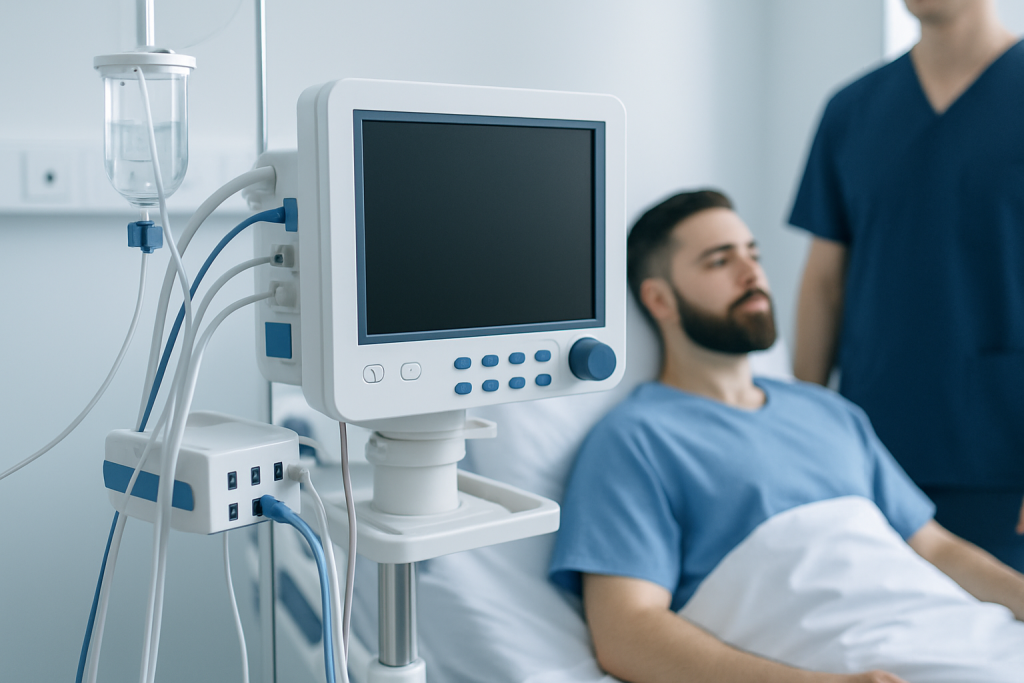
Immediately after the procedure, the transplanted area often appears red, slightly swollen, or dotted with tiny scabs. This early appearance is not the final result. In fact, some of the transplanted hairs may shed in the first few weeks, which can be surprising if the patient expects continuous visible growth from day one.
The next phase is usually a quiet one. The follicles remain in place under the skin while new hair begins to grow gradually. Initial regrowth is often seen after a few months, but the beard may continue to thicken and mature for many months after that. Texture, direction, and density may also become more natural as healing progresses.
Final beard transplant results are usually judged by balance: whether the beard looks even, matches the face, and feels appropriate for the patient’s goals. In a strong result, the transplanted hair can be trimmed, shaved, or styled like other facial hair, although individual hair characteristics may still differ slightly from native beard hair.
- Early phase: redness, scabbing, and temporary shedding
- Growth phase: new hairs begin to appear gradually
- Maturation phase: density and texture continue to improve
Procedure: How a Beard Transplant Is Done

Most beard transplants use follicular unit extraction, often called FUE. In this method, individual hair follicles are removed from a donor area, usually the scalp, and then placed into tiny incisions in the beard area. This approach allows the surgeon to control direction, spacing, and contour with precision.
The planning stage is especially important. The surgeon maps the face, considers existing beard growth, and designs the pattern so the result complements the patient’s jawline, cheeks, chin, sideburns, or mustache area. For patients seeking a natural appearance, this design work is just as important as the graft placement itself.
During the procedure, local anesthesia is commonly used so the patient remains comfortable while awake. The session may take several hours depending on the number of grafts and the size of the area being treated. After the grafts are placed, the skin is cleaned and the patient receives detailed aftercare instructions for the days ahead.
Benefits of Beard Restoration
For people who feel self-conscious about patchy facial hair, the emotional benefit can be as meaningful as the cosmetic one. A fuller beard may help the face appear more balanced, reduce the need to fill in sparse areas with makeup or grooming tricks, and create a style that feels more consistent with the patient’s personal image.
Another important advantage is permanence. Once transplanted follicles take hold, they usually continue to grow hair in the new location. That makes beard restoration different from temporary cosmetic solutions, which need daily effort and may not offer the same natural texture.
Some patients also appreciate the flexibility the procedure can offer. Depending on the plan, it may be used to improve a short beard, strengthen a chin area, fill cheek gaps, or refine sideburn connection. The best benefit is not always maximum density; it is often a result that looks believable from a close distance and in everyday life.
Risks, Limitations, and Possible Side Effects
Like any surgical procedure, a beard transplant has risks and limitations. Common short-term effects include redness, swelling, tenderness, small scabs, and temporary numbness in the donor or recipient areas. These usually improve during recovery, but patients should still know what is expected and what is not.
Less common concerns include infection, poor graft survival, uneven growth, visible scarring, or a result that does not match the original plan. In some people, hair may grow at an angle that requires later trimming or minor revision. In others, the donor supply may limit how dense the final beard can be.
Realistic expectations are essential. A transplant can improve coverage and shape, but it cannot always create a beard that behaves exactly like naturally dense facial hair. A qualified specialist will discuss these limitations honestly before surgery so the patient can decide with clear information rather than idealized assumptions.
- Temporary: redness, swelling, scabbing, shedding
- Possible but less common: infection, scarring, patchy growth
- Longer-term limitation: donor hair availability affects final density
Recovery and Healing Timeline
Recovery begins right after the procedure. During the first days, the main goal is to protect the grafts from rubbing, scratching, sweat, and pressure while the skin starts to settle. Patients are usually asked to sleep carefully, wash the face gently, and avoid activities that could dislodge the new follicles.
In the first couple of weeks, scabs and redness generally fade, and some transplanted hairs may shed. This can look discouraging if the patient is not expecting it, but it is often a normal stage of the process. The follicles themselves remain under the skin and can later produce new growth.
Over the following months, new facial hair typically appears and thickens gradually. Full results take time, and follow-up may be especially important for people who have traveled from another country and need remote review after returning home. Clear instructions, photos, and scheduled check-ins can help the specialist assess healing and answer questions without unnecessary travel.
Recovery support usually includes:
- Protecting the grafts from friction and direct trauma
- Following washing and skin-care instructions carefully
- Avoiding heavy exercise too early if advised
- Attending follow-up appointments or virtual reviews
Who Is a Good Candidate?
Not everyone seeking fuller facial hair is an ideal candidate for a beard transplant. Good candidates usually have healthy donor hair, stable skin in the beard area, and a clear understanding of what the procedure can and cannot achieve. A consultation should assess hair quality, growth pattern, medical history, and any conditions that might affect healing.
People with active skin disease, untreated hair loss disorders, or unrealistic expectations may need treatment of the underlying issue before surgery is considered. Likewise, patients with very limited donor supply may need a conservative plan to make the best use of available follicles.
The most suitable candidates are usually those who want improvement, not perfection. They understand that beard transplant results evolve slowly and that the final appearance depends on both the surgical plan and the body’s healing response.
Prevention & Self-Care: How to Support the Best Outcome
Good preparation begins before the procedure. Patients are usually advised to share their full medical history, including any tendency to scar, smoking habits, skin conditions, and medications or supplements they use. Honest communication helps the team plan safely and reduce avoidable complications.
After surgery, self-care is mostly about patience and protection. The face should be cleaned only as instructed, and the grafted area should not be picked at, rubbed, or shaved too early. Sun protection may also matter once the skin has healed enough, since new tissue can be more sensitive during recovery.
People traveling for treatment should plan for a calm recovery period before flying home, and they should leave enough time for the initial check of healing. A structured aftercare plan, including what to do if redness, swelling, or discomfort changes unexpectedly, makes recovery feel more manageable and less uncertain.
Acibadem Health Point’s multidisciplinary specialists and JCI-accredited hospitals diagnose and treat hair restoration cases for international patients, with care pathways that can support surgery, healing, and follow-up planning.
When to See a Doctor
Medical advice should be sought if the face develops increasing pain, spreading redness, pus, fever, or any symptom that seems to worsen rather than improve. These can be signs that need prompt assessment, even if they are not common.
It is also sensible to contact the surgeon if grafts appear to have been displaced, if healing seems uneven, or if the growth pattern does not match the expected timeline. Sometimes the issue is simply part of normal recovery, but it is better to ask than to guess.
Anyone considering the procedure should arrange a consultation with a qualified hair restoration or facial surgery specialist before making a decision. That discussion can clarify likely results, donor availability, recovery expectations, and whether a beard transplant is the right option for the person’s goals.
Frequently asked questions
01How long do beard transplant results take to appear?
The first changes are usually seen after the healing phase, not immediately after surgery. Temporary shedding is common, and new growth often appears gradually over the following months. Final maturation can take several months longer.
02Will a beard transplant look natural?
It can look very natural when the design follows the face and the grafts are placed at the correct angle and density. The outcome depends heavily on surgical planning and the patient’s own hair characteristics. Natural-looking results are more likely when the goal is balance rather than extreme density.
03Can transplanted beard hair be shaved or trimmed?
In many cases, yes, once the area has healed fully and the surgeon says it is safe to do so. Because the new hairs are real follicles, they can often be groomed like other facial hair. Timing matters, so shaving too early should be avoided.
04What can affect beard transplant results the most?
Donor hair quality, the number of grafts available, the surgeon’s technique, and how carefully aftercare instructions are followed all matter. Healing differences from person to person also influence the final look. A thorough consultation helps set realistic expectations before surgery.
05Are beard transplants permanent?
Transplanted follicles are generally intended to be a long-term solution. Once they settle and grow in the new area, they usually continue to produce hair. Long-term appearance can still be influenced by aging, skin health, and overall grooming habits.
This article is for general information only and is not a substitute for professional medical advice. Please consult a qualified doctor about your individual situation.
Hair transplant in Turkey — costs, graft counts & a free assessment
JCI-accredited · board-certified surgeons · reply within 24h
Add us as a Preferred Source to see more of our trusted health content across Google Search, AI Overviews and Discover.



How can we help you today?
Meet an Acibadem specialist by secure video, before you travel.
Book a video visit