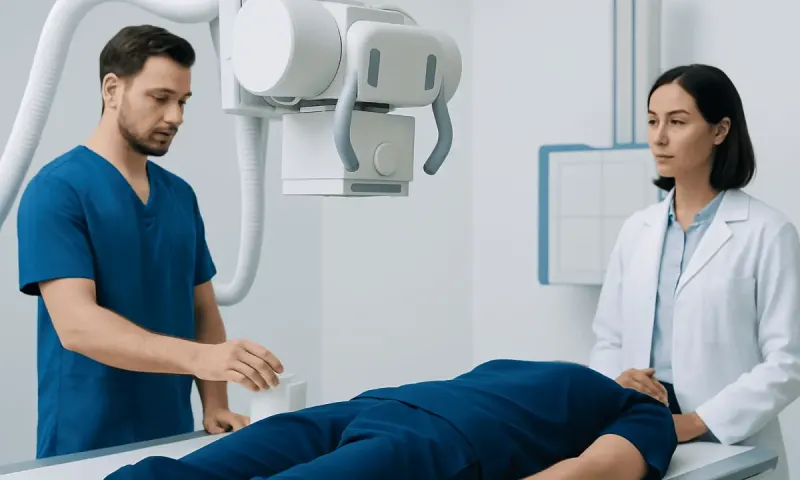
Private Health Screening: Choosing Tests That Add Value
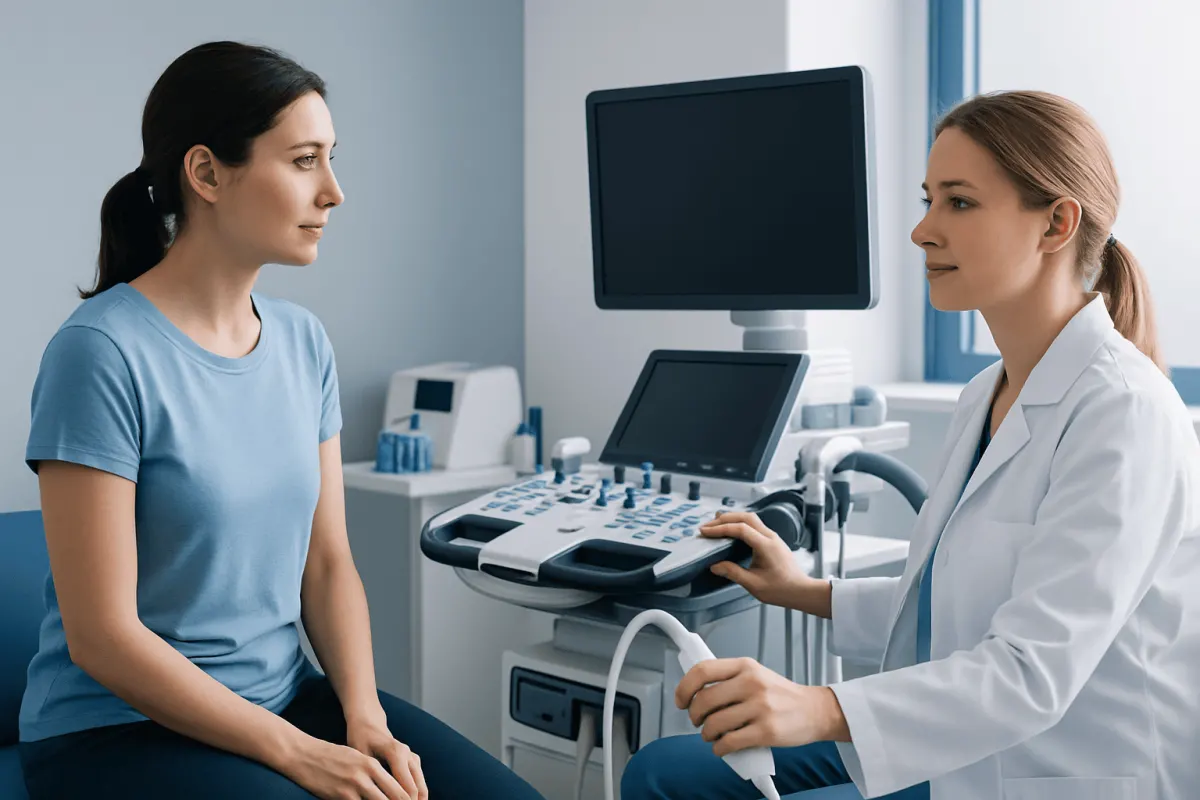
Private health screening is a planned medical assessment that may help identify certain health risks before symptoms develop. The most useful screening plan is individualized, based on age, sex, family history, lifestyle, existing conditions and recommended national screening guidance rather than a long list of tests.
Private Health Screening: What It Is and Why It Matters
Private health screening is a preventive medical assessment arranged outside an urgent illness visit. It commonly combines a health questionnaire, physical examination, measurements such as blood pressure and body mass index, selected laboratory tests, and a discussion of future health risks. Some programs also include imaging or consultations with specialists.
The purpose is to identify conditions or risk factors early, when lifestyle changes, monitoring or treatment may be more effective. However, screening is intended for people without concerning symptoms. Anyone with chest pain, unexplained bleeding, persistent shortness of breath, a new lump, sudden weakness or other worrying symptoms should seek medical assessment promptly rather than wait for a routine check-up.
A thoughtful private health screening plan is not simply the largest available package. It should reflect the person’s age, sex, medical and family history, medicines, smoking status, reproductive history where relevant, occupational exposures, and previous test results. A clinician can explain which tests are likely to be useful and which may create more harm than benefit.
What Tests Are Included in a Health Screening Test?
There is no single health screening test that is appropriate for every adult. Most comprehensive programs begin with a medical history, review of current medicines, discussion of lifestyle, measurement of height and weight, blood pressure, pulse, and a focused physical examination. These basics help a clinician decide whether further tests are appropriate.
Common laboratory tests may include blood glucose or HbA1c to assess diabetes risk, cholesterol testing to estimate cardiovascular risk, and kidney or liver tests when a person’s health history, medicines or risk factors support them. A urine test, blood count, thyroid test, vitamin measurements and infection screening may be included in selected situations, but are not automatically needed for all people.
Age- and risk-appropriate cancer screening may involve cervical screening, breast imaging, colorectal cancer screening, or lung cancer screening for people who meet smoking-history criteria. Cardiovascular assessment may include an electrocardiogram when clinically indicated, while tests such as exercise testing, echocardiography or coronary imaging are generally reserved for specific risks, symptoms or clinical findings. Relevant conditions such as diabetes and high blood pressure can often be identified or better managed through appropriate routine assessment.
- Medical and family history review
- Blood pressure, weight and cardiovascular risk assessment
- Blood glucose and cholesterol testing when appropriate
- Recommended cancer screening based on age and individual risk
- Targeted imaging or specialist review only when it is likely to add useful information
How a Personalized Screening Plan Is Built

Personalization is central to safe and useful screening. For example, a person with a parent or sibling affected by early heart disease may benefit from a more detailed cardiovascular risk discussion. Someone with a family history of bowel, breast, ovarian or prostate cancer may need screening to begin at a different age or may benefit from genetic counseling.
Health behaviors also guide recommendations. Smoking or previous smoking may change the discussion around lung health and cardiovascular risk. Alcohol intake, diet, physical activity, sleep, mental wellbeing, work demands and exposure to chemicals or dust can all affect the focus of a check-up. Pregnancy plans, menstrual changes and sexual health concerns may also shape screening choices.
Previous results matter as much as new tests. Repeating normal imaging or blood work too often may not improve health outcomes. In contrast, known high cholesterol, elevated blood pressure, prediabetes, kidney disease or a prior abnormal screening result may require regular follow-up. A clinician can help coordinate preventive care with a structured medical check-up and any necessary specialist referrals.
What Are Five Medical Tests That Should Be Questioned After 70 Years Old?
After age 70, screening decisions should increasingly consider overall health, independence, life expectancy, personal priorities and the possible consequences of an abnormal result. Age alone does not mean that screening should stop, and some healthy older adults may still benefit from selected tests. The key question is whether finding a condition would be likely to improve quality or length of life.
Five tests that deserve an individualized discussion after 70 are: routine prostate-specific antigen (PSA) testing for prostate cancer; screening mammography beyond the age where expected benefit is uncertain; screening colonoscopy at older ages or after prior adequate screening; cervical cancer screening in people with a long history of normal results; and routine whole-body CT, MRI or extensive cardiac imaging without symptoms or a specific clinical reason.
These tests should not automatically be viewed as inappropriate. For example, continued breast or colorectal screening may be reasonable for some people in good health, while PSA testing may be chosen after a discussion of possible benefits and harms. Potential downsides include false-positive results, overdiagnosis, anxiety, invasive procedures and treatments for slow-growing conditions that may never have caused symptoms.
Older adults should also discuss medication review, falls risk, hearing and vision, bone health, vaccinations, cognition, mood, mobility and support at home. These areas can be especially meaningful for maintaining independence and wellbeing.
How Much Does an Executive Check-Up Cost?
An executive check-up is usually a more extensive private health screening program that may include longer physician consultations, multiple laboratory tests, imaging studies and assessments from more than one specialty. Its cost varies substantially according to the country, hospital, program duration, the tests selected, use of imaging, specialist involvement and whether follow-up investigations are needed.
Because program names and contents are not standardized, two executive check-ups with similar labels may include very different services. Before booking, individuals should ask for a written outline of what is included, which tests are optional, whether physician interpretation is included, how abnormal results are communicated, and what additional tests may be charged separately.
The most appropriate program is not necessarily the most extensive one. A focused evaluation designed around a person’s health profile can be more useful than broad testing with low expected benefit. It is reasonable to ask whether each proposed test is recommended by recognized screening guidance for the individual’s age and risk factors.
How Much Do Health Screenings Cost?
Health screening costs range from relatively simple preventive visits with basic measurements and laboratory testing to comprehensive packages involving imaging, specialist assessments and same-day consultations. The final price can differ by healthcare system, city, laboratory fees, imaging technology, insurance coverage, clinical complexity and the need for further testing after an initial result.
A clear estimate should distinguish the base screening appointment from optional services and from follow-up care. It is also helpful to ask whether a repeat consultation to discuss results is included, whether pathology or radiology reporting is separate, and whether insurance reimbursement is available. Patients should avoid choosing a package solely on price or the number of tests offered.
Screening can lead to findings that need monitoring or confirmation, even when a person feels well. Planning for possible follow-up is part of informed decision-making. A clinician can explain how likely a test is to change care and whether a simpler, evidence-based alternative is available.
When to Seek Medical Care
Private health screening is not designed to investigate urgent symptoms. Medical care should be sought promptly for chest pressure or pain, sudden breathing difficulty, fainting, new weakness or speech problems, severe abdominal pain, coughing up blood, black or bloody stools, unexplained heavy bleeding, or a severe allergic reaction. Emergency services may be needed for sudden or severe symptoms.
A timely non-emergency appointment is also important for persistent fatigue, unexplained weight loss, a new or changing lump, lasting change in bowel or bladder habits, ongoing pain, repeated fever, new palpitations, or a symptom that is worsening or disrupting daily life. These concerns require diagnostic evaluation rather than a routine screening package.
People with known long-term conditions should continue scheduled monitoring with their usual care team. At Acıbadem Health Point, multidisciplinary specialists in JCI-accredited hospitals can assess preventive health needs and arrange further evaluation for international patients when clinically appropriate.
Frequently asked questions
01Is private health screening worth it?
Private health screening may be worthwhile when it is based on established preventive recommendations and tailored to the individual. It is most useful when results are reviewed by a qualified clinician who can explain next steps. Broad testing without a clear reason may lead to unnecessary follow-up and uncertainty.
02How often should a person have a private health screening?
The right interval depends on age, health risks, prior results and the type of screening. Some checks, such as blood pressure assessment, may be needed regularly, while many cancer screening tests are done at longer intervals. A doctor can recommend a schedule that avoids both missed care and unnecessary repeat testing.
03Do normal screening results mean a person is healthy?
Normal results are reassuring, but they do not rule out every condition or guarantee future health. Screening tests have limitations and may not detect disease at an early stage in every case. New or persistent symptoms should always be assessed, even after a recent normal check-up.
04Can private health screening detect cancer?
Certain validated screening tests can help detect some cancers before symptoms occur in people who meet the relevant age and risk criteria. Examples include cervical, breast, colorectal and lung cancer screening for eligible groups. There is no single blood test or scan that reliably screens all people for all cancers.
05Should healthy people have whole-body scans?
Routine whole-body CT or MRI scans are generally not recommended for healthy people without symptoms or specific risk factors. They can identify incidental findings that may not be harmful but can lead to additional tests, anxiety and sometimes invasive procedures. Imaging is best selected for a defined clinical reason.
06What should a person bring to a private health screening appointment?
It is helpful to bring a list of medicines and supplements, previous test reports, vaccination information, and details of family medical history. People should also prepare questions about symptoms, lifestyle concerns and personal health goals. The clinic should provide instructions about fasting or medication adjustments if these are needed before testing.
This article is for general information only and is not a substitute for professional medical advice. Please consult a qualified doctor about your individual situation.
Explore treatments in Turkey — costs, top hospitals & a free quote
JCI-accredited · board-certified surgeons · reply within 24h
Add us as a Preferred Source to see more of our trusted health content across Google Search, AI Overviews and Discover.