Exercising With High Blood Pressure: Risks and Safety

The dangers of exercising with high blood pressure are greatest when blood pressure is severely elevated, symptoms are present, or a person starts strenuous activity without medical advice. For most people with controlled high blood pressure, regular, appropriately paced exercise is beneficial and can help lower readings over time.
Overview: Can Someone Exercise With High Blood Pressure?
In most cases, yes. The dangers of exercising with high blood pressure are mainly a concern when blood pressure is severely high, uncontrolled, or accompanied by warning symptoms. For people whose blood pressure is stable and managed, regular physical activity is usually an important part of treatment because it can improve heart fitness, support weight management, reduce stress, and help lower blood pressure over time.
Blood pressure is recorded as two numbers in millimetres of mercury (mmHg). The first, or systolic, number measures pressure while the heart contracts. The second, or diastolic, number measures pressure while the heart relaxes between beats. A single reading does not always diagnose high blood pressure, since readings can change with activity, stress, caffeine, pain, sleep, illness, and measurement technique.
During exercise, systolic pressure normally rises to deliver more oxygen-rich blood to working muscles. Diastolic pressure often changes little or may fall slightly during steady aerobic activity. This short-term response differs from persistently raised resting blood pressure, also called hypertension. A clinician can help determine which forms and intensity of activity are appropriate, particularly for someone with newly diagnosed hypertension, cardiovascular disease, kidney disease, diabetes, or symptoms during exertion.
Blood Pressure Ranges: What High and Low Results Mean
For most non-pregnant adults, a resting blood pressure of less than 120/80 mmHg is considered normal. Readings from 120 to 129 mmHg systolic with a diastolic pressure below 80 mmHg are often described as elevated. High blood pressure is generally classified as 130/80 mmHg or higher when confirmed with proper repeat measurements, although diagnostic thresholds and treatment decisions can vary slightly between professional guidelines and countries.
A reading of 140/90 mmHg or above is more clearly elevated and should be discussed with a healthcare professional, especially if repeat readings remain in this range. A result of 180/120 mmHg or above is severely high. If this occurs with chest pain, shortness of breath, confusion, vision changes, weakness, difficulty speaking, or a severe headache, it may indicate a medical emergency and requires immediate care.
Low blood pressure has no single universal cutoff because some people naturally have lower readings without symptoms. Values below about 90/60 mmHg may be considered low, particularly when they cause dizziness, fainting, blurred vision, nausea, weakness, or difficulty concentrating. Low readings can result from dehydration, medications, prolonged standing, illness, blood loss, or heart and hormone conditions. Both unusually high and low results are more medically meaningful when they are repeated, symptomatic, or represent a clear change from a person’s usual level.
- Normal: below 120/80 mmHg
- Elevated: 120–129 systolic and below 80 diastolic
- High blood pressure: generally 130/80 mmHg or higher on confirmed readings
- Severely high: 180/120 mmHg or higher, requiring prompt assessment
- Possibly low: often below 90/60 mmHg when symptoms are present
Why Exercise Can Be Risky When Blood Pressure Is Uncontrolled

Exercise places temporary demands on the heart and circulation. In a person with severely uncontrolled blood pressure, intense exertion can raise blood pressure further and increase strain on blood vessels and the heart. The concern is not that everyday movement is inherently harmful, but that vigorous activity may be unsafe until severely elevated readings have been assessed and brought under better control.
High-intensity exercise, heavy lifting, and activities that involve straining or holding the breath can produce larger temporary blood pressure spikes. Breath-holding during resistance training, sometimes called the Valsalva manoeuvre, can be particularly problematic. People with hypertension are usually encouraged to breathe continuously, use manageable resistance, and avoid lifting loads that require maximal effort unless a qualified clinician or exercise professional has advised otherwise.
Underlying health conditions also matter. Hypertension can occur alongside coronary artery disease, heart rhythm disorders, heart failure, kidney disease, diabetes, or prior stroke. These conditions may alter which activities are suitable and whether further assessment is needed before beginning a program. More information about high blood pressure (hypertension) can help patients understand why long-term control and follow-up are important.
It is also important not to assume that the absence of symptoms means blood pressure is controlled. Hypertension often causes no noticeable symptoms, which is why reliable measurement and regular medical review are essential.
Exercise Choices That Are Usually Safer for Hypertension
For many people with controlled blood pressure, moderate aerobic activity is a suitable place to start. Examples include brisk walking, cycling on level ground, swimming, dancing, water exercise, and gardening that raises the heart rate without causing severe breathlessness. The goal is often regular activity spread across the week rather than occasional, very demanding sessions.
Starting gradually is especially important after a long period of inactivity, a recent illness, or a new diagnosis. A warm-up of several minutes allows the cardiovascular system to adjust progressively, while a gradual cool-down helps prevent a sudden drop in blood pressure after exercise. A person should be able to speak in short sentences during moderate activity; if speaking becomes difficult, the intensity may be too high.
Resistance training can also be beneficial when performed with good technique and appropriate loads. Lighter weights or resistance bands, controlled repetitions, and steady breathing are generally preferable to maximal lifts. Yoga, stretching, tai chi, and balance exercises can complement aerobic and strength work, although positions that cause discomfort, dizziness, or prolonged breath-holding should be modified.
People taking blood pressure medicines may notice changes in exercise tolerance. For example, some medicines can affect heart rate response or contribute to light-headedness, particularly in hot weather or when dehydrated. Medication should not be stopped or adjusted solely to exercise without discussing it with the prescribing clinician.
How to Check Blood Pressure Around Exercise
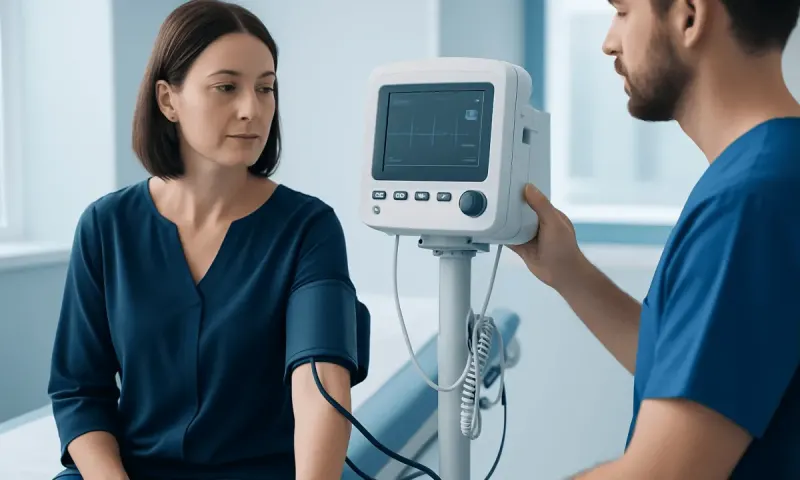
Home blood pressure monitoring can provide useful information, but the measurement should be taken correctly. Before checking a resting reading, a person should sit quietly for at least five minutes with the back supported, feet flat on the floor, and arm supported at heart level. Caffeine, smoking, and vigorous activity should be avoided for about 30 minutes beforehand when possible. A validated upper-arm monitor and the correct cuff size improve accuracy.
Do not use an immediate post-workout reading to judge usual blood pressure control. Exercise naturally changes blood pressure, and a reading taken just after activity may be higher or lower than the resting value. Instead, keeping a dated record of resting readings at similar times of day can help a clinician see patterns and assess whether treatment is working.
If a resting reading is at or above 180/120 mmHg, the person should sit quietly and repeat it after a few minutes. They should not start an exercise session while the reading remains this high. If symptoms such as chest pain, breathlessness, neurological changes, severe headache, or visual disturbance are present, emergency assessment is needed rather than repeat home monitoring.
A clinician may recommend an exercise stress test or other cardiovascular evaluation for selected people before vigorous exercise, particularly those with symptoms, known heart disease, multiple cardiovascular risk factors, or an unclear exercise tolerance. This assessment is individualized; it is not required for every person with high blood pressure.
Reducing Risk Through Everyday Blood Pressure Care
Exercise works best as one part of a broader blood pressure plan. Taking prescribed medicines consistently, attending follow-up appointments, limiting tobacco exposure, getting adequate sleep, and managing stress all support cardiovascular health. A dietary pattern rich in vegetables, fruits, whole grains, legumes, and other minimally processed foods may also help, while excessive sodium and alcohol can raise blood pressure in some people.
Hydration and environmental conditions deserve attention. Heat, humidity, illness, and dehydration can contribute to dizziness or low blood pressure during activity, especially for people taking diuretics or other cardiovascular medicines. Choosing cooler times of day, wearing suitable clothing, taking breaks, and stopping if unwell can make activity more comfortable and safer.
Rather than stopping all activity out of fear, people with high blood pressure can work with their healthcare team to develop a realistic plan. This may include walking goals, supervised cardiac rehabilitation when indicated, strength exercises adapted to ability, and regular monitoring. A structured approach to hypertension treatment may combine lifestyle measures with medication when needed.
Acıbadem Health Point’s multidisciplinary specialists and JCI-accredited hospitals evaluate and treat hypertension and related cardiovascular concerns for international patients, with care plans tailored to the individual’s health status and activity goals.
When to Seek Medical Care
People should arrange a medical appointment before starting vigorous exercise if they have repeatedly high readings, have recently been diagnosed with hypertension, have been inactive for a long time, or have heart, kidney, or metabolic disease. Medical advice is also appropriate when exercise regularly causes dizziness, unusual fatigue, palpitations, chest discomfort, or breathlessness that seems out of proportion to the activity.
Urgent assessment is needed for a blood pressure reading of 180/120 mmHg or higher that remains high on repeat measurement. Emergency care is particularly important when this occurs with chest pain, severe shortness of breath, fainting, sudden severe headache, confusion, vision loss or changes, weakness or numbness on one side, facial drooping, or trouble speaking. These symptoms can indicate serious heart, blood vessel, or neurological problems.
During exercise, a person should stop immediately if they develop chest pressure or pain, severe dizziness, fainting, new irregular heartbeat sensations, severe shortness of breath, or neurological symptoms. They should not attempt to “push through” these signs. Resting in a safe position and seeking appropriate medical help is the safer approach.
Frequently asked questions
01Is it dangerous to exercise if blood pressure is 140/90?
A reading of 140/90 mmHg is high and should be reviewed if it is persistent, but it does not automatically mean all exercise is unsafe. Many people can safely perform moderate activities such as walking after discussing their overall health and treatment plan with a clinician. Vigorous exercise may need to be delayed or adjusted if blood pressure is uncontrolled or symptoms occur.
02At what blood pressure should someone avoid exercise?
A resting blood pressure at or above 180/120 mmHg should be assessed promptly, and exercise should be avoided until medical advice is obtained. If the reading is accompanied by chest pain, severe headache, breathlessness, confusion, vision changes, or neurological symptoms, emergency care is needed. Individual limits may be lower for people with certain heart or blood vessel conditions.
03Does blood pressure normally rise during exercise?
Yes. The systolic, or top, number normally rises during exercise because the heart pumps more blood to active muscles. The diastolic number often stays similar or may decrease slightly during steady aerobic activity. Persistent high resting readings, rather than the expected temporary response to activity, are the main concern.
04Can weightlifting raise blood pressure too much?
Heavy lifting can cause brief, substantial blood pressure increases, especially when a person strains or holds their breath. This does not mean resistance exercise must be avoided, but it should be adapted with lighter loads, controlled movements, and continuous breathing. A clinician can advise on an appropriate program for someone with hypertension.
05Can low blood pressure make exercise unsafe?
Low blood pressure can make exercise unsafe when it causes dizziness, fainting, weakness, blurred vision, or confusion. Dehydration, heat, medications, and underlying medical conditions can contribute. A person with these symptoms should stop activity, rest safely, and seek medical advice, especially if symptoms are recurrent.
06Should blood pressure medicine be taken before exercise?
Blood pressure medicines should generally be taken exactly as prescribed, including on exercise days. A person should not skip, delay, or change doses to alter workout performance without medical guidance. Anyone experiencing repeated dizziness, low readings, or difficulty exercising after taking medication should speak with the prescribing clinician.
This article is for general information only and is not a substitute for professional medical advice. Please consult a qualified doctor about your individual situation.
Heart care in Turkey — expert evaluation and treatment
JCI-accredited · board-certified surgeons · reply within 24h
Add us as a Preferred Source to see more of our trusted health content across Google Search, AI Overviews and Discover.
More from the Health Library

High Blood Pressure Medication Explained: Reference Ranges and What Affects Them
Low Diastolic Blood Pressure Explained: Reference Ranges and What Affects Them