Prescription Dry Eye Drops: Choosing a Brand

The best prescription dry eye drops are not the same for every person: clinical studies support treatments that target inflammation, tear production, or tear evaporation depending on the underlying cause. An eye doctor can identify the type of dry eye and help select a safe treatment plan, often beginning with lubricating drops and eyelid care.
Overview: Choosing Prescription Drops Safely
People searching for the best Rx dry eye drops brands and clinical studies usually want a clear answer: there is no universally best prescription drop. The most suitable option depends on whether dryness is driven mainly by inflammation, low tear production, meibomian gland dysfunction, allergy, eyelid problems, contact lens use, or another eye or health condition.
Clinical research supports several prescription approaches for dry eye disease, including medicines that reduce inflammation on the eye surface and medicines that stimulate tear production. However, trials differ in the people enrolled, symptoms measured, length of follow-up, and comparison treatments. For this reason, brand rankings or online reviews cannot replace an individualized eye examination.
Dry eye disease is more than occasional discomfort. It is a disorder of the tear film and eye surface that can cause burning, grittiness, fluctuating vision, redness, watery eyes, and sensitivity to light. It may occur alongside dry eye syndrome and can affect daily activities such as reading, driving, screen work, and wearing contact lenses.
What Are the Highest Rated Eye Drops for Dry Eyes?
“Highest rated” eye drops are usually those that patients find comfortable and useful, but ratings do not establish that a product is clinically superior. The best choice depends on the severity and cause of symptoms, whether a person wears contact lenses, and how often drops are used. A product that works well for mild, occasional dryness may not control chronic inflammatory dry eye.
For many people, preservative-free artificial tears are a sensible first option, especially when drops are needed more than a few times per day. They may contain lubricating ingredients such as hyaluronic acid, carboxymethylcellulose, glycerin, polyethylene glycol, propylene glycol, or lipid-based components. Different formulations are designed to support either the watery or oily parts of the tear film.
Thicker gels and ointments can provide longer-lasting lubrication, particularly overnight, but may temporarily blur vision. Eye drops marketed to “get the red out” are not dry eye treatments and may worsen redness with repeated use. It is important to distinguish lubricating drops from allergy drops, antibiotic drops, steroid drops, and vasoconstrictor drops, as these products have different purposes.
For moderate or persistent symptoms, an ophthalmologist may recommend a prescription medicine rather than simply trying additional over-the-counter brands. The goal is not to find the most popular bottle, but to improve tear-film stability and protect the eye surface safely.
What Do Ophthalmologists Recommend for Dry Eyes?

Ophthalmologists commonly recommend a stepwise plan. It often starts with education about triggers, regular use of appropriate lubricating drops, screen and environmental adjustments, and treatment of eyelid conditions. Frequent blinking during close work, taking visual breaks, avoiding direct airflow from fans or air conditioning, and using protective eyewear outdoors may reduce evaporation.
Warm compresses and gentle eyelid hygiene may be recommended when blocked or poorly functioning meibomian glands contribute to evaporative dry eye. These glands produce oils that slow tear evaporation. An eye-care professional can show the safest method, since overly hot compresses or vigorous lid scrubbing can irritate the skin and eyes.
If inflammation is contributing to dry eye, prescription anti-inflammatory drops may be considered. Some treatments are intended for long-term control and may take several weeks to produce noticeable benefit. In selected cases, clinicians may use a short course of prescription steroid drops under supervision because these medicines can raise eye pressure or contribute to other complications when used inappropriately.
Other options may include tear-stimulating medicines, punctal plugs to reduce tear drainage, treatment for eyelid gland dysfunction, or specialized contact lenses in more severe disease. Care should also include review of medicines and health conditions that can worsen dryness, such as certain antihistamines, decongestants, antidepressants, autoimmune disorders, and hormonal changes.
How to Choose the Right Dry Eye Drops?
Choosing the right dry eye drops begins with recognizing the pattern of symptoms. Mild symptoms that occur after prolonged screen use or in dry, windy environments may respond to lubricating artificial tears. Persistent symptoms, burning on waking, crusting along the lashes, or tears that seem to evaporate quickly may point toward an eyelid oil-gland problem and need targeted care.
People who use drops frequently should ask a clinician or pharmacist whether preservative-free single-use vials are appropriate. Preservatives can be tolerated in occasional use, but frequent exposure may irritate an already sensitive eye surface in some people. Contact lens wearers should use products specifically labeled as compatible with lenses or follow their eye-care professional’s instructions about removing lenses before treatment.
It is useful to consider the type of formulation. Watery drops can be convenient during the day but may not last long. Lipid-containing drops may be helpful when tears evaporate rapidly. Gels and ointments may suit bedtime use but can blur vision. A person should not combine multiple medicated eye drops without advice, and should generally separate different drops by several minutes to avoid washing one treatment away.
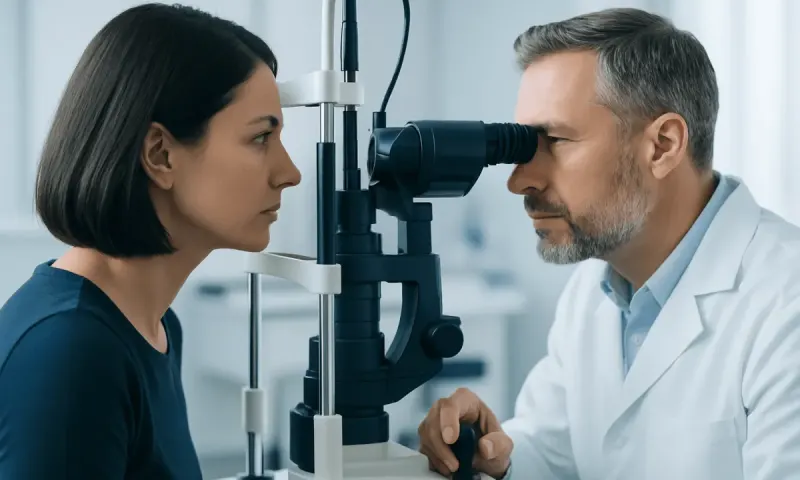
Prescription medication should be chosen after an examination rather than based on brand comparisons alone. The clinician may assess tear volume, tear breakup time, corneal staining, eyelid margins, meibomian glands, eye pressure, and other conditions that can resemble dry eye. This approach helps avoid missing infection, allergy, corneal disease, glaucoma treatment effects, or another cause of discomfort.
What Is the Newest Treatment for Dry Eye Syndrome?
Newer dry eye treatments aim to address the biology of the disease rather than providing lubrication alone. Depending on local regulatory approval and availability, prescription options may include immune-modulating anti-inflammatory drops, tear-production stimulators, and newer medicines designed to reduce inflammation on the eye surface. Some patients may also be candidates for in-office procedures focused on meibomian gland dysfunction.
“Newest” does not automatically mean “best.” A newer medicine may be useful for a particular form of dry eye, but it can have side effects, application instructions, cost considerations, or a delayed onset of benefit. Clinical studies can show average results in selected groups, while an individual’s response may differ.
Research also continues into regenerative and biologic approaches, including blood-derived tear products for selected severe eye-surface disorders, as well as devices that support eyelid gland function. These options are generally considered by specialists when standard measures have not provided adequate relief or when the cornea is at risk.
Anyone considering a newer treatment should discuss the expected benefit, possible irritation or stinging, monitoring needs, interactions with other eye treatments, and alternatives. A specialist can help place new therapies within a complete plan for dry eye treatment, rather than treating them as a stand-alone solution.
Clinical Studies, Safety, and Realistic Expectations
Clinical studies of prescription dry eye treatments often evaluate symptoms, tear production, corneal staining, tear-film stability, or a combination of these outcomes. Improvements in signs do not always exactly match improvements in symptoms. This is one reason why an eye doctor may adjust treatment over time based on both examination findings and the person’s daily experience.
Most prescription dry eye treatments are intended for regular use, not immediate relief. Lubricating drops may help quickly, while anti-inflammatory therapies can require consistent use for several weeks or months before full benefit is assessed. Stinging, burning, altered taste, temporary blurred vision, or eye redness can occur with certain products; persistent or severe reactions should be reported promptly.
Eye drops should be used exactly as directed. The bottle tip should not touch the eye, fingers, eyelashes, or other surfaces, as this can contaminate the product. Contact lenses may need to be removed before certain treatments. People should tell their clinician about pregnancy, breastfeeding, current medicines, eye surgery, glaucoma, infections, and allergies before starting prescription eye drops.
Medication changes should be made with a qualified clinician, particularly for people already using prescription drops for glaucoma or other eye disorders. The safest choice is one supported by an eye examination, clinical evidence, tolerability, and regular follow-up when needed.
When to Seek Medical Care
Dryness that lasts for several weeks, frequently disrupts daily life, or does not improve with suitable lubricating drops should be assessed by an optometrist or ophthalmologist. An examination can identify whether symptoms are due to dry eye, eyelid disease, allergy, infection, corneal injury, medication effects, or another condition requiring a different approach.
Prompt medical attention is important for eye pain, a sudden change or loss of vision, marked light sensitivity, significant redness in one eye, pus-like discharge, an eye injury, chemical exposure, or symptoms after eye surgery. These are not typical signs of uncomplicated dry eye and should not be managed by trying different over-the-counter products alone.
People with autoimmune disease, rheumatoid arthritis, Sjögren’s disease, facial nerve problems, thyroid eye disease, or a history of corneal disease may benefit from earlier specialist review. Acıbadem Health Point’s multidisciplinary specialists and JCI-accredited hospitals can assess and treat dry eye and related eye-surface conditions for international patients.
Frequently asked questions
01Are prescription dry eye drops better than artificial tears?
Prescription drops and artificial tears serve different purposes. Artificial tears mainly lubricate the eye surface, while prescription treatments may address inflammation or help stimulate natural tears. Some people need both as part of a clinician-guided treatment plan.
02How long do prescription dry eye drops take to work?
The timing depends on the medicine and the underlying type of dry eye. Lubricating drops may provide short-term relief quickly, while prescription anti-inflammatory treatment may take several weeks or longer to show meaningful improvement. A clinician can advise when treatment response should be reviewed.
03Can dry eye drops make symptoms worse?
Some drops can cause brief stinging, burning, or blurred vision after application. Frequent use of preserved drops may irritate some people, and redness-relief drops are not intended to treat dry eye. Persistent worsening, pain, significant redness, or vision changes should be evaluated promptly.
04Should preservative-free drops be used for dry eyes?
Preservative-free drops are often considered when artificial tears are needed frequently or when the eye surface is especially sensitive. They may reduce exposure to preservatives that can be irritating for some users. The most suitable formulation depends on symptoms, lens use, and advice from an eye-care professional.
05Can screen time cause dry eye?
Screen use can contribute to dry eye symptoms because people tend to blink less completely when concentrating. Taking regular visual breaks, consciously blinking, adjusting screen position, and avoiding direct airflow may help. Persistent symptoms still deserve an eye examination because other factors may be involved.
06Is dry eye syndrome permanent?
Dry eye is often a long-term condition, but symptoms can usually be managed effectively once contributing factors are identified. Treatment may need adjustment over time because tear production, eyelid health, medications, environment, and general health can change. Regular follow-up is helpful for persistent or more severe dry eye.
This article is for general information only and is not a substitute for professional medical advice. Please consult a qualified doctor about your individual situation.
Explore treatments in Turkey — costs, top hospitals & a free quote
JCI-accredited · board-certified surgeons · reply within 24h
Add us as a Preferred Source to see more of our trusted health content across Google Search, AI Overviews and Discover.