Can You Get Pregnant After a Hysterectomy?
Can you get pregnant after a hysterectomy? In nearly all cases, a hysterectomy prevents pregnancy because the uterus, where a pregnancy develops, has been removed. However, very rare ectopic pregnancies can occur if ovaries and fallopian tubes remain, so new pelvic pain, vaginal bleeding, dizziness, or a positive pregnancy test should be assessed promptly.
Can You Get Pregnant After a Hysterectomy?
After a hysterectomy, pregnancy in the uterus is not possible because the uterus has been removed. This is true whether the procedure was performed for fibroids, heavy bleeding, endometriosis, prolapse, cancer, or another health concern. For most people, pregnancy concerns after surgery are therefore not a sign of pregnancy.
There is one very rare exception: an ectopic pregnancy. This occurs when a fertilized egg implants outside the uterus, most often in a fallopian tube. It can happen after some hysterectomies when the ovaries and fallopian tubes have been left in place and sperm can still reach an egg through a small remaining pathway. Although uncommon, ectopic pregnancy can become serious without treatment and should be assessed urgently when symptoms suggest it.
Symptoms such as bloating, nausea, breast tenderness, fatigue, lower abdominal discomfort, or weight changes are much more likely to have another explanation. A clinician can help clarify the cause and provide reassurance or treatment where needed.
Why the Type of Hysterectomy Matters
A hysterectomy removes the uterus, but the exact operation may differ. In a total hysterectomy, the uterus and cervix are removed. In a subtotal or supracervical hysterectomy, the uterus is removed while the cervix remains. Neither procedure allows a pregnancy to grow normally because the uterus is absent.
A hysterectomy may also include removal of the fallopian tubes and ovaries. Removing both ovaries causes surgical menopause if a person has not already reached menopause. When the ovaries remain, they can continue releasing hormones and, in some cases, eggs. This means menstrual periods stop because there is no uterine lining to shed, but natural hormonal cycles may continue.
Removal of the cervix or fallopian tubes generally further reduces the already very low possibility of an ectopic pregnancy. Still, the individual surgical details matter. Anyone unsure which organs were removed can ask the surgical team or request a copy of the operative report.
How an Ectopic Pregnancy Can Rarely Happen
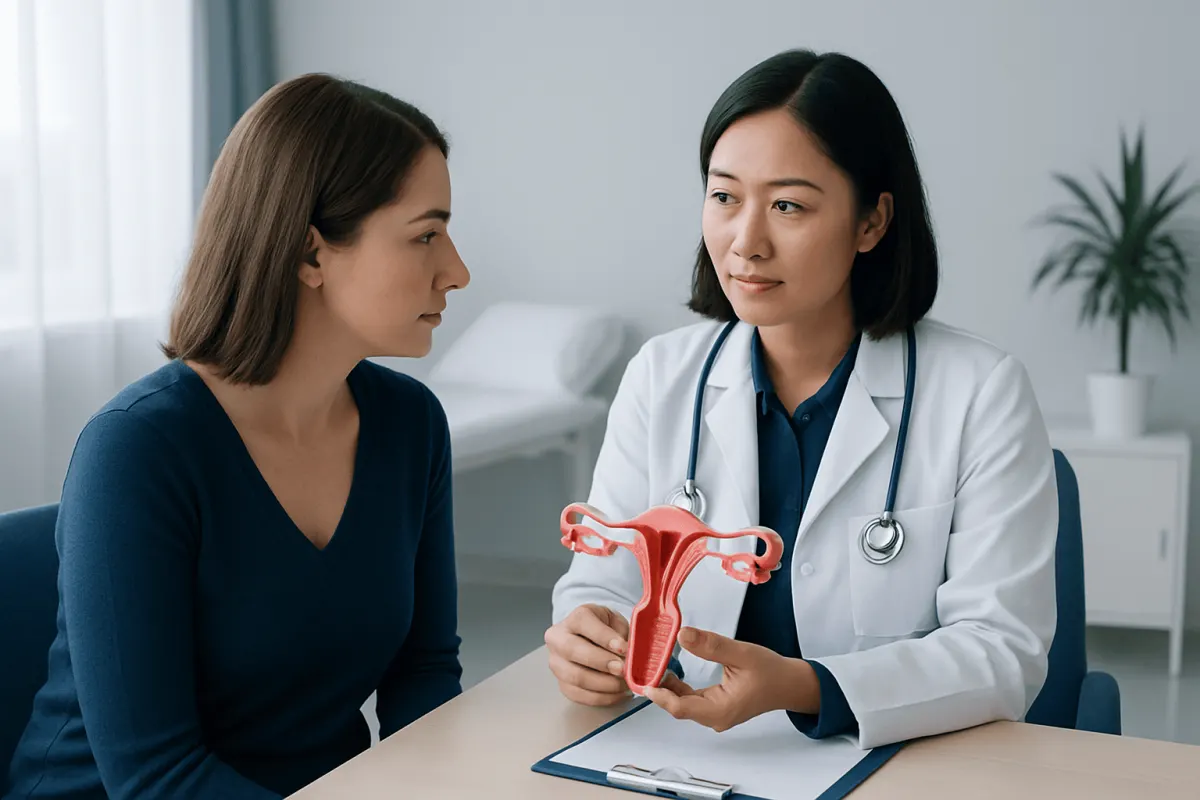
An ectopic pregnancy begins when an egg is fertilized but does not implant in the uterus. Following hysterectomy, this is exceptionally uncommon, but it may be possible if the ovaries and one or both fallopian tubes remain. In some circumstances, sperm may pass through the vagina and a tiny tract or opening near the top of the vagina, then reach an egg.
Most ectopic pregnancies occur in a fallopian tube, but they can occasionally occur elsewhere in the pelvis or abdomen. Because these locations cannot safely support a developing pregnancy, prompt diagnosis is important. An ectopic pregnancy is not caused by anything a person did or did not do.
Risk can be influenced by factors that affect the fallopian tubes, including a history of pelvic infection, prior ectopic pregnancy, endometriosis, pelvic surgery, or scarring. These factors do not mean an ectopic pregnancy will happen. They simply help a doctor judge whether testing is appropriate when symptoms arise.
Symptoms That May Need Checking
Pregnancy-like symptoms after hysterectomy are often harmless and may be linked to normal hormonal activity, menopause, stress, constipation, urinary tract problems, medication effects, or gastrointestinal conditions. Bloating and mild cramping, for example, can occur for many reasons and do not by themselves indicate pregnancy.
However, a person should contact a healthcare professional promptly if they have a positive home pregnancy test, new one-sided pelvic or lower abdominal pain, unusual vaginal bleeding or spotting, worsening pelvic pressure, or pain during intercourse. Even after a hysterectomy, bleeding from the vagina should be discussed with a clinician, especially if it is new, persistent, or associated with pain.
Urgent assessment is needed for severe or escalating abdominal pain, pain in the shoulder tip, marked weakness, dizziness, fainting, shortness of breath, or heavy bleeding. These symptoms can have several causes, including internal bleeding from an ectopic pregnancy, and should not be managed at home.
- Mild nausea or bloating alone is usually not an emergency, but persistent symptoms deserve medical advice.
- A positive pregnancy test after hysterectomy should be treated as medically important until a doctor confirms the cause.
- Severe pain, fainting, or heavy bleeding warrants emergency care.
How Doctors Investigate Symptoms After Hysterectomy
A doctor will begin by reviewing the type and date of hysterectomy, whether the ovaries and fallopian tubes were retained, current symptoms, sexual activity, medications, and relevant medical history. They may ask about prior pelvic infections, endometriosis, fertility treatment, and previous surgeries because these details can guide the assessment.
If pregnancy is possible, a urine or blood test measuring human chorionic gonadotropin (hCG) may be performed. A blood test can be particularly useful when results need confirmation or when there is concern about an ectopic pregnancy. A positive result does not identify the location of a pregnancy, so further assessment is required.
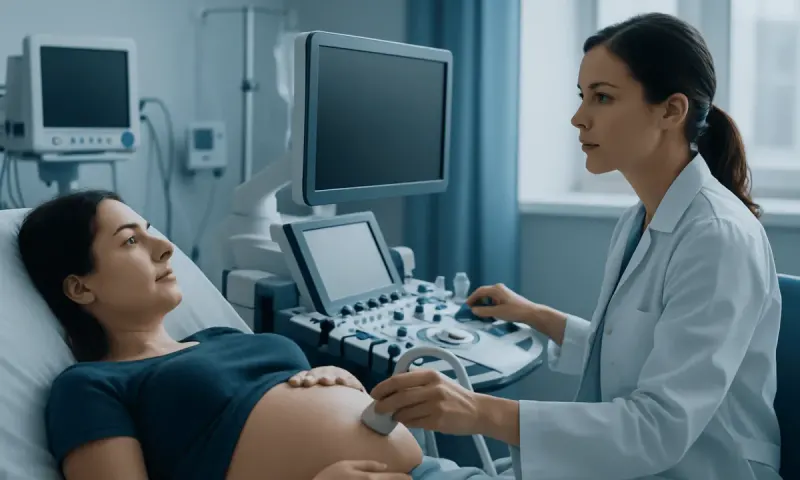
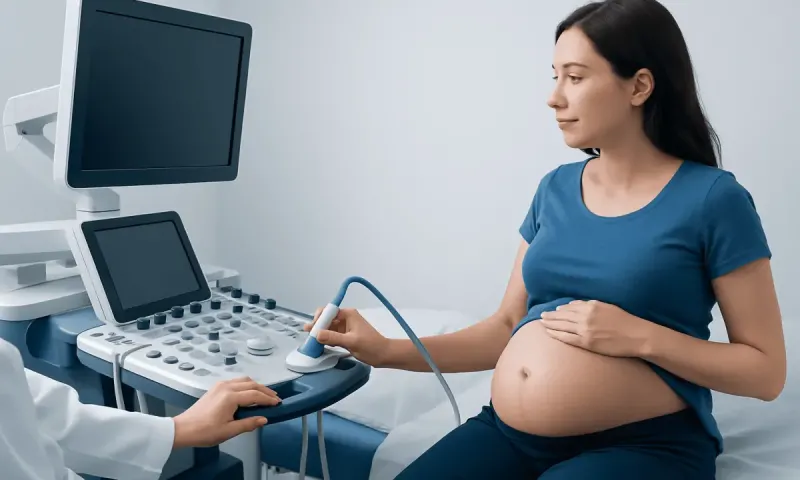
Pelvic ultrasound is commonly used to examine the ovaries, fallopian tube area, pelvis, and abdomen. Depending on symptoms, clinicians may also arrange blood counts, urine testing, or other imaging. The goal is to rule out urgent causes first and then identify other common explanations, such as an ovarian cyst, urinary infection, bowel condition, or changes related to menopause.
Treatment and Next Steps
Treatment depends entirely on the diagnosis. If an ectopic pregnancy is confirmed or strongly suspected, care is arranged urgently. Depending on the location, hormone levels, symptoms, and overall health, management may involve close monitoring, medication to stop pregnancy tissue from growing, or surgery. A specialist will explain the safest option for the individual situation.
Other causes of pelvic symptoms may need different care. For example, ovarian cysts may be monitored or treated depending on their features and symptoms, while urinary or digestive problems may respond to targeted treatment. Menopausal symptoms can often be addressed with lifestyle measures, non-hormonal options, or hormone therapy when appropriate after an individual medical review.
For people who had a hysterectomy but retained their ovaries, new or persistent pelvic symptoms should not automatically be attributed to the prior surgery. Assessment can identify whether symptoms are related to the ovaries, pelvic scar tissue, hormones, or another condition. Endometriosis may also remain relevant when ovaries are retained, as symptoms can sometimes continue or recur after surgery.
Sex, Contraception, and Future Family Planning
After recovery from hysterectomy, many people can resume sexual activity when their surgeon confirms that healing is complete. A hysterectomy prevents uterine pregnancy, so contraception is generally not required for pregnancy prevention. However, condoms may still be important for reducing the risk of sexually transmitted infections.
People who retain ovaries may continue to have hormonal changes, ovulation, and symptoms that resemble premenstrual changes despite no longer having periods. This can sometimes make nausea, cramping, or breast tenderness concerning, but these symptoms do not confirm pregnancy.
A hysterectomy means a person cannot carry a pregnancy. If having a genetically related child remains a goal and the ovaries are present, eggs may sometimes be used with in vitro fertilization and a gestational carrier, depending on local laws and individual circumstances. IVF treatment and fertility counseling can help people understand available options before or after surgery.
When to Seek Medical Care
Non-urgent medical advice is appropriate for new pelvic discomfort, persistent bloating, urinary symptoms, abnormal discharge, vaginal spotting, or symptoms that interfere with daily life. It is also sensible to contact a clinician after a positive home pregnancy test, even if symptoms are mild or uncertain.
Emergency care is needed for severe lower abdominal or pelvic pain, pain that is getting worse, fainting, significant dizziness, shoulder-tip pain, heavy vaginal bleeding, or feeling suddenly very unwell. These signs require prompt evaluation because ectopic pregnancy and other pelvic or abdominal conditions can worsen quickly.
Acıbadem Health Point’s multidisciplinary specialists and JCI-accredited hospitals diagnose and treat gynecological concerns, including urgent pelvic symptoms, for Myomectomy Recovery for International Patients: The Usual Travel Timeline" class="ahp-ilk">international patients. A qualified gynecologist can review the surgical history, investigate symptoms appropriately, and discuss the next steps with care and clarity.
Frequently asked questions
01Can a pregnancy test be positive after a hysterectomy?
Yes, although it is unusual and should be checked by a doctor. A positive result may indicate a rare ectopic pregnancy, but it can also occur for other reasons, including testing error or certain medical conditions. Prompt assessment is important to identify the cause.
02Can you get pregnant if your ovaries were left after hysterectomy?
You cannot carry a normal pregnancy without a uterus, even when the ovaries remain. The ovaries may still release eggs and produce hormones. In very rare circumstances, this can allow an ectopic pregnancy outside the uterus.
03Do you still ovulate after a hysterectomy?
If one or both ovaries remain, ovulation may continue after hysterectomy. Because the uterus is no longer present, there are no menstrual periods. Some people may still notice cyclical hormonal symptoms, such as breast tenderness or mood changes.
04What does ectopic pregnancy pain feel like after hysterectomy?
Pain may be on one side of the lower abdomen or pelvis, and it may become persistent or severe. Some people also experience vaginal spotting, shoulder-tip pain, dizziness, or fainting. These symptoms can have other causes, but they need urgent medical assessment.
05Why do I feel pregnant after a hysterectomy?
Symptoms such as nausea, bloating, fatigue, breast tenderness, and abdominal discomfort are common and have many possible causes. Hormonal changes, menopause, digestive issues, stress, medications, and ovarian conditions can all contribute. A clinician can investigate persistent, new, or concerning symptoms.
06Do I need contraception after a hysterectomy?
Contraception is usually not needed to prevent uterine pregnancy after hysterectomy. However, condoms may still be recommended to help protect against sexually transmitted infections. A clinician can offer personalized advice based on the type of surgery and sexual health needs.
This article is for general information only and is not a substitute for professional medical advice. Please consult a qualified doctor about your individual situation.
Persistent digestive symptoms? Get evaluated in Turkey
JCI-accredited · board-certified surgeons · reply within 24h
Add us as a Preferred Source to see more of our trusted health content across Google Search, AI Overviews and Discover.