Preeclampsia Can Develop After Delivery, Even Weeks Later
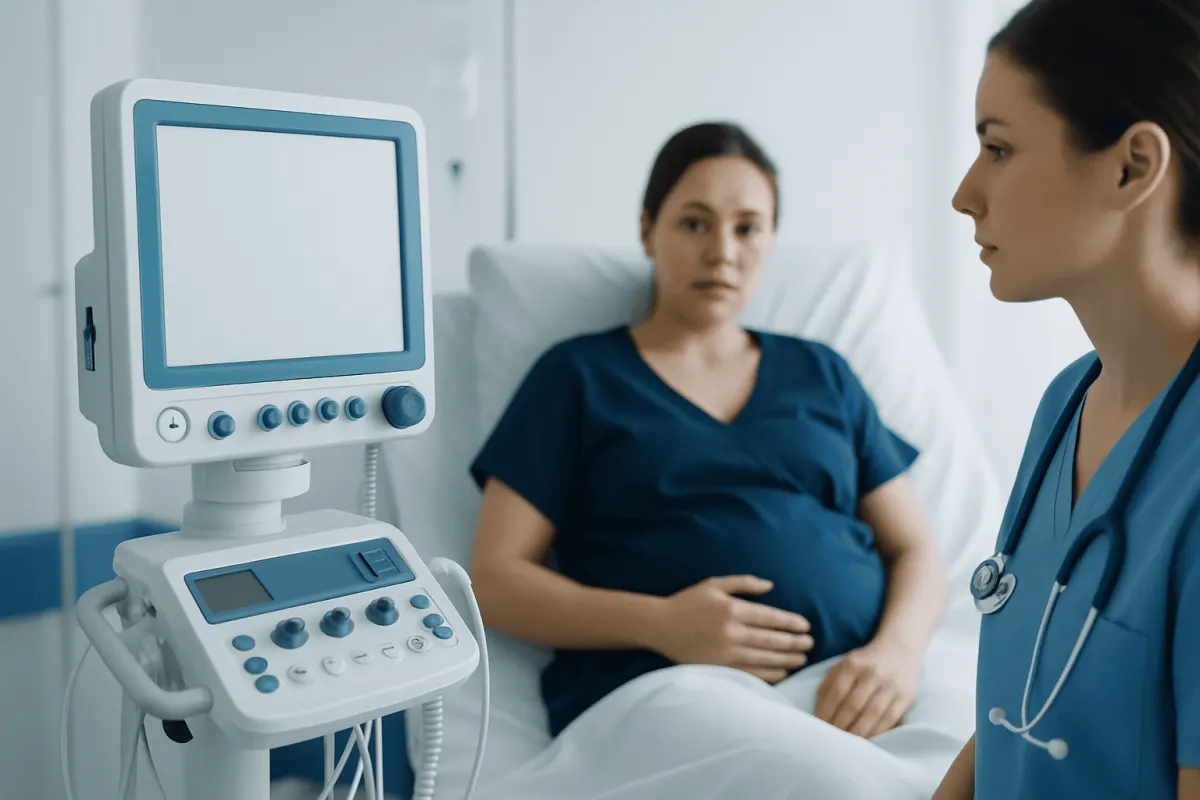
You gave birth, everything went smoothly, and you assumed the risky part was behind you. For most women it is. But a pounding headache, blurred vision or sudden swelling in the days or weeks after delivery is not something to wait out.
Postpartum preeclampsia is a serious condition in which high blood pressure and related complications develop after childbirth, sometimes even when pregnancy and delivery seemed normal. The good news: it is treatable. The catch: symptoms can progress quickly, so getting checked promptly really matters.
Overview
Postpartum preeclampsia is a form of preeclampsia that begins after childbirth rather than during pregnancy. It involves newly developed high blood pressure, often together with signs that organs such as the kidneys, liver, brain, or lungs are under strain. Although it is not as widely discussed as preeclampsia during pregnancy, it is a well-recognized medical condition that needs prompt attention.
Many people assume delivery ends the risk of pregnancy-related blood pressure problems, but that is not always the case. Postpartum preeclampsia can develop even if blood pressure was normal throughout pregnancy and labor. It most often starts within the first 48 hours after birth, but it may appear anytime in the first 6 weeks postpartum.
Left untreated, it can lead to seizures, stroke, fluid in the lungs, or injury to the kidneys and liver. Here is the reassuring part: with careful monitoring, early diagnosis and the right treatment, it usually responds well. Knowing what to watch for after birth is what gets families through the door in time.
Symptoms and warning signs
Early on, the symptoms can be quiet. They are easy to write off as ordinary exhaustion, stress or the usual aches of recovery. But anything severe, anything that sticks around, anything getting worse deserves a call.
Possible signs and symptoms include:
- High blood pressure, often found during a checkup or home reading
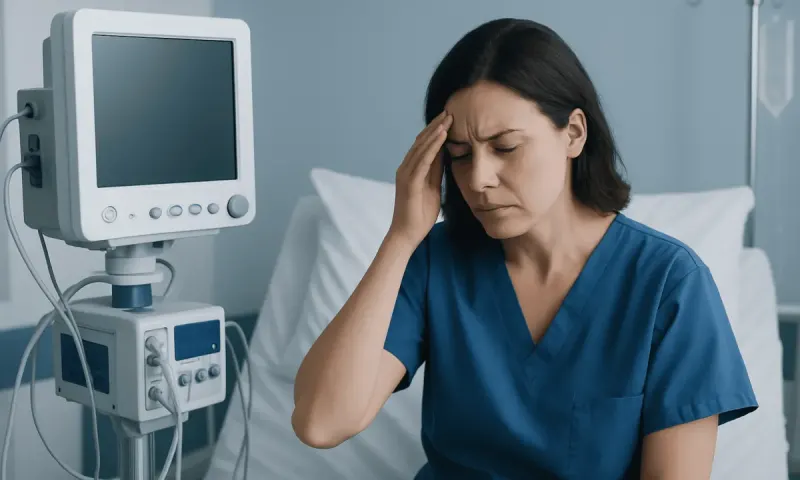
- A severe or persistent headache that does not improve
- Blurred vision, seeing spots, light sensitivity, or other visual changes
- Swelling of the face, hands, or legs that seems sudden or marked
- Pain in the upper abdomen, especially on the right side
- Nausea or vomiting that is new after delivery
- Shortness of breath or chest discomfort
- Reduced urination or a general feeling that something is seriously wrong
Some people also develop rapid weight gain from fluid retention, although this sign alone is not enough to diagnose the condition. In more severe cases, the first major event may be a seizure, called eclampsia. Because symptoms can overlap with other postpartum problems, urgent medical evaluation is the safest approach.
Postpartum preeclampsia can also overlap with other blood pressure disorders after pregnancy, including preeclampsia during pregnancy or worsening postpartum hypertension. The exact pattern varies from person to person, which is why a proper assessment is important rather than trying to self-diagnose.
Why it happens and who is at higher risk
The exact cause of postpartum preeclampsia is not fully understood. Experts believe it is linked to the same underlying processes involved in preeclampsia during pregnancy, including abnormal blood vessel function, inflammation, and changes in how the body regulates blood pressure and fluid balance. These effects may continue or become noticeable only after delivery.
Several factors can raise the risk. A person may be more likely to develop postpartum preeclampsia if they had high blood pressure during pregnancy, preeclampsia in a previous pregnancy, chronic hypertension, obesity, kidney disease, diabetes, or certain autoimmune conditions. Carrying twins or higher-order multiples and being older during pregnancy may also increase risk.
That said, this is not only a problem for high-risk pregnancies. It can follow a first pregnancy and an otherwise uncomplicated birth. That is exactly why postpartum follow-up matters so much in the first days and weeks after delivery.
Clinicians may also consider related conditions when assessing symptoms, such as severe high blood pressure or other causes of postpartum headache and swelling. A careful medical review helps identify whether postpartum preeclampsia is present and whether there are complications needing urgent treatment.
How doctors diagnose postpartum preeclampsia
Diagnosis begins with blood pressure measurement and a review of symptoms. In general, doctors look for new high blood pressure after delivery together with signs that organs are affected. These signs may be detected through symptoms, urine testing, blood tests, imaging, or all of these depending on the situation.
Urine may be tested for protein, which can suggest kidney involvement, though protein is not required in every case for diagnosis. Blood tests often check kidney function, liver enzymes, platelet count, and other markers that help show whether the condition is mild or severe. If a person has shortness of breath, chest symptoms, or neurologic symptoms, doctors may order additional tests to check the lungs, heart, or brain.
Doctors also consider conditions that can look similar, including migraine, postpartum fluid shifts, infection, medication effects, blood clots, and rare pregnancy-related disorders such as HELLP syndrome. Distinguishing among these possibilities is important because treatment and urgency can differ.
Checking your blood pressure at home can help you catch a problem sooner, but it is no substitute for being seen when you have symptoms. A very high reading, or any reading paired with headache, vision changes, chest symptoms or trouble breathing, means you should be assessed urgently.
Treatment and monitoring
Treatment depends on blood pressure levels, the presence of symptoms, and whether there are signs of organ involvement. Many patients need hospital-based care at least initially so blood pressure, urine output, breathing, and neurologic status can be watched closely. The main goals are to prevent complications, control blood pressure, and protect the brain and other organs.
Doctors may use medications to lower blood pressure safely and reduce the risk of stroke or other complications. If the condition is severe, magnesium sulfate is often given to help prevent seizures. In cases with excess fluid in the lungs or marked swelling, additional supportive treatment may be needed. Some patients require repeated blood and urine tests over time to confirm that organ function is improving.
Because postpartum preeclampsia can affect more than one system, care sometimes involves specialists in obstetrics, internal medicine, cardiology, nephrology, or critical care. Evaluation may include cardiology care when blood pressure control or heart-related symptoms need closer review, and a structured medical check-up can be helpful during recovery and follow-up.
After discharge, follow-up remains important. Blood pressure can stay elevated for days or weeks, and medication adjustments may be needed. Patients are usually advised to monitor symptoms, attend postpartum appointments, and ask when it is safe to reduce monitoring. At Acıbadem Health Point, multidisciplinary specialists in JCI-accredited hospitals diagnose and treat postpartum complications for international patients when advanced evaluation is needed.
Recovery, prevention, and self-care after birth
Recovery after postpartum preeclampsia varies. Some people improve quickly once treatment starts, while others need ongoing blood pressure checks for several weeks. Rest, hydration, prescribed medication use, and follow-up testing all support recovery, but self-care should never replace medical supervision for this condition.
There is no guaranteed way to prevent postpartum preeclampsia, but good postpartum monitoring can reduce delays in diagnosis. Keeping scheduled postpartum visits, checking blood pressure when advised, and paying attention to warning symptoms are practical steps. People with known risk factors should ask before discharge what signs to watch for and when to call for help.
General heart-healthy habits also matter over the longer term because a history of preeclampsia or postpartum hypertension may be linked with higher future cardiovascular risk. Doctors may recommend ongoing review of blood pressure, weight, blood sugar, and cholesterol. For some patients, nephrology evaluation or internal medicine follow-up may be useful if kidney function or blood pressure remains abnormal.
Do not overlook how this feels. A serious diagnosis is frightening at any time, and doubly so during weeks that were supposed to be about your baby. Ask questions, talk about future pregnancies, and reach out for support if the anxiety or distress lingers once the emergency is over.
When to seek medical care
Immediate medical care is important if a person has severe headache, vision changes, chest pain, shortness of breath, confusion, fainting, or a seizure after giving birth. These symptoms can signal severe postpartum preeclampsia or another urgent postpartum complication. It is safer to seek emergency assessment promptly rather than wait to see if symptoms improve.
Urgent same-day advice from a doctor is also appropriate for rising blood pressure readings, worsening swelling, new upper abdominal pain, nausea, or a general sense that recovery is not going as expected. Anyone who had high blood pressure during pregnancy or delivery should be especially alert in the first postpartum weeks.
Even mild symptoms deserve attention if they keep nagging at you. This is not the moment to brush things off as part of new parenthood. Let a qualified clinician decide whether you need observation, medication, testing or hospital care.
Frequently asked questions
01What is postpartum preeclampsia?
Postpartum preeclampsia is a condition in which high blood pressure and signs of organ stress develop after childbirth. It most often appears within the first few days after delivery, but it can occur up to 6 weeks postpartum. It requires prompt medical assessment because complications can develop quickly.
02Can postpartum preeclampsia happen if blood pressure was normal during pregnancy?
Yes. Some people develop postpartum preeclampsia even after a pregnancy and delivery without blood pressure problems. That is why warning symptoms after birth should be taken seriously, even if prenatal care was normal.
03How long after delivery can postpartum preeclampsia start?
It commonly starts within 48 hours after childbirth, but it can begin later in the postpartum period. Many doctors consider the risk window to extend up to 6 weeks after delivery. Any new concerning symptoms during this time deserve medical attention.
04What are the most important warning signs?
Key warning signs include a severe headache, vision changes, shortness of breath, chest pain, sudden swelling, and pain in the upper abdomen. Very high blood pressure readings are also concerning, especially when symptoms are present. Seizure or confusion is an emergency.
05Is postpartum preeclampsia treatable?
Yes, it is treatable. Doctors may use blood pressure medicines, magnesium sulfate to reduce seizure risk, and close monitoring in hospital when needed. Early treatment greatly improves safety and helps prevent serious complications.
06Does postpartum preeclampsia affect future health?
It can. A history of preeclampsia or postpartum hypertension may be linked with a higher long-term risk of high blood pressure and cardiovascular disease. This does not mean problems are inevitable, but regular follow-up with a doctor is sensible.
This article is for general information only and is not a substitute for professional medical advice. Please consult a qualified doctor about your individual situation.
Explore treatments in Turkey — costs, top hospitals & a free quote
JCI-accredited · board-certified surgeons · reply within 24h
Add us as a Preferred Source to see more of our trusted health content across Google Search, AI Overviews and Discover.