New Daily Persistent Headache: Sudden Onset, Ongoing Pain
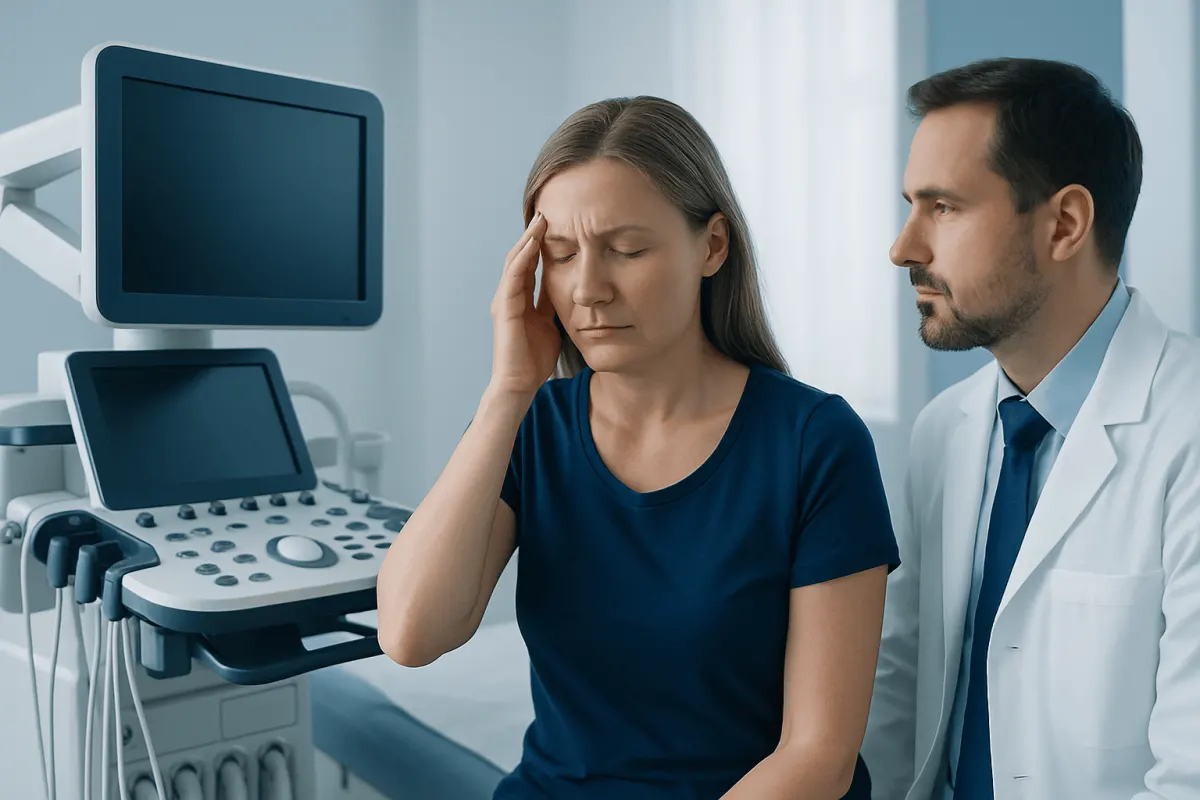
New daily persistent headache (NDPH) is an uncommon headache disorder defined by a clearly remembered onset followed by a daily, unremitting headache. Because other medical conditions can occasionally cause a similar pattern, a clinical assessment is important, particularly when warning signs are present.
What Is New Daily Persistent Headache?
New daily persistent headache, often called NDPH, is a headache disorder in which a person can usually identify the day the pain began. The headache becomes continuous, or nearly continuous, within 24 hours and remains present for more than 3 months. Unlike many other headache disorders, it does not gradually become frequent over time; its abrupt transition to a daily pattern is a defining feature.
The pain can feel different from person to person. Some people have pressure, tightness, or a dull ache similar to tension-type headache. Others have throbbing pain with nausea, sensitivity to light or sound, or worsening with activity, which are migraine-like features. NDPH may be diagnosed whether the pain is mild, moderate, or severe, as long as the characteristic onset and persistent pattern are present.
NDPH is considered a primary headache disorder only after a clinician has evaluated for other explanations. This distinction matters because a newly persistent headache can occasionally be caused by another health condition that requires specific treatment. A careful history, neurological examination, and selected tests help guide this process.
How the Headache Pattern Typically Appears
People with NDPH often recall a specific date or circumstance when the headache started, such as waking with a headache that did not go away or developing pain during an otherwise ordinary day. From that point onward, headache days are usually daily. There may be fluctuations in intensity, with better and worse periods, but a completely pain-free interval is uncommon.
Associated symptoms depend on the headache pattern. Migraine-like NDPH may include nausea, vomiting, sensitivity to light, noise, or smells, and discomfort with routine movement. Tension-type features may include a band-like pressure, tight neck or scalp muscles, and pain on both sides of the head. Sleep disruption, fatigue, concentration difficulties, and anxiety about persistent symptoms can also affect daily life.
The presence of neck pain does not automatically mean the headache comes from the neck, and a prior history of occasional migraine does not rule out NDPH. The key question is whether there was a clearly remembered onset followed by a persistent daily headache. Keeping a simple headache diary can help document timing, symptoms, activities, sleep, and medicines used.
Possible Triggers, Causes, and Risk Factors

In many cases, no definite cause or trigger is found. Some people report that the headache began after an infection, a flu-like illness, a stressful life event, surgery, travel, a minor injury, or a major change in sleep. These events may be temporally associated with NDPH, but they do not prove that the event caused the headache. It is important not to assume that stress or a recent illness is the explanation without an appropriate medical review.
Clinicians also consider whether the headache could be secondary to another condition. Examples include altered pressure of cerebrospinal fluid around the brain, blood vessel disorders, inflammation or infection, sleep disorders, head or neck injury, and less commonly a structural brain problem. Frequent use of pain-relieving medicines can also maintain or worsen a daily headache pattern; this is known as medication-overuse headache.
Risk factors for NDPH are not fully understood. It can occur in people with or without a prior history of migraine or other headaches. A personal or family tendency toward migraine may influence whether the symptoms have a migraine-like pattern, but it does not by itself explain a sudden daily onset.
- A recent viral or other systemic illness may precede symptoms in some people.
- Changes in sleep, stress, or routine can aggravate headache intensity even when they are not the original cause.
- Repeated use of acute headache medication may complicate recovery and should be reviewed with a clinician.
How New Daily Persistent Headache Is Diagnosed
There is no single blood test or scan that confirms NDPH. Diagnosis begins with a detailed discussion of when the pain started, how quickly it became continuous, what the pain feels like, associated symptoms, medical history, recent illnesses or injuries, and all medicines and supplements used. A clinician will also perform a neurological examination and may check blood pressure, vision, and the back of the eyes.
The formal headache classification requires a distinct onset, continuous or unremitting pain within 24 hours, and persistence for longer than 3 months. If the same pattern has lasted less than 3 months, a clinician may describe it as probable NDPH while continuing the evaluation. The diagnosis should not be made solely from an online symptom checklist.
Brain imaging, often MRI, may be recommended for a new persistent headache, especially when there are atypical features or red flags. Depending on the person’s symptoms and examination, clinicians may also order blood tests, assess for sleep-related breathing problems, examine the eyes, or perform a lumbar puncture to measure cerebrospinal fluid pressure and test the fluid. These investigations are chosen individually rather than routinely for everyone.
Treatment Options and Day-to-Day Management
Treatment is tailored to the symptoms and to any underlying cause identified. When testing finds a secondary cause, treating that condition is the priority. When NDPH is diagnosed, clinicians often use treatment approaches similar to those used for migraine or tension-type headache, depending on the dominant features. The goal is to reduce pain, improve function, and limit the impact on work, school, sleep, and family life.
Preventive medicines may be considered when headaches are persistent or disabling. The choice depends on headache features, other medical conditions, possible side effects, and personal preferences. Treatments used during more severe flare-ups may also be discussed, but frequent use of short-term pain medicines should be avoided unless a clinician advises otherwise, because overuse can contribute to ongoing headaches.
Non-medication strategies are an important part of care. Regular sleep and wake times, adequate fluids, consistent meals, gentle physical activity when tolerated, relaxation techniques, and management of neck or jaw tension may reduce symptom burden for some people. Cognitive behavioral therapy or other psychological support can help a person cope with chronic pain and its effects; this does not mean the pain is imagined or “just stress.”
NDPH can be difficult to treat, and improvement may be gradual. Reviewing the treatment plan regularly, sharing a headache diary, and setting practical goals can help clinicians adjust care safely. Acıbadem Health Point’s multidisciplinary specialists and JCI-accredited hospitals assess persistent headache conditions for international patients when specialist evaluation is needed.
When to Seek Medical Care
A new headache that becomes daily should be discussed with a qualified doctor, particularly if it persists beyond several days, interferes with normal activities, or is unlike previous headaches. Early assessment helps identify treatable causes and allows a safer plan for pain management. People should bring details about the onset, recent illnesses, injuries, medicines, and any changes in vision, balance, memory, or strength.
Urgent medical attention is needed for a sudden, extremely severe headache that reaches maximum intensity quickly, often described as a thunderclap headache. Emergency assessment is also important for headache accompanied by fainting, confusion, seizures, weakness or numbness, difficulty speaking, new double vision or vision loss, fever with a stiff neck, repeated vomiting, or symptoms after a significant head injury.
Prompt assessment is also advisable for a new headache during pregnancy or shortly after childbirth, after age 50, in a person with cancer or a weakened immune system, or when the headache is steadily worsening or changes with coughing, straining, standing, or lying down. These features do not necessarily indicate a serious cause, but they need timely clinical evaluation.
Living With a Persistent Headache
Persistent daily pain can be tiring and frustrating, particularly when other people cannot see the impact it has. A structured routine can provide useful support: aim for regular meals, hydration, consistent sleep, planned breaks from screens, and paced activity rather than alternating between overexertion and complete inactivity. Sudden large changes in caffeine intake may trigger headaches in some people, so gradual adjustments are generally easier to tolerate.
A headache diary can record daily pain level, location, associated symptoms, sleep, menstrual timing where relevant, activities, stressors, and medication use. This information may reveal patterns and helps a doctor determine whether treatment is working. It can also identify frequent use of pain relievers that may need to be reduced under medical guidance.
People should avoid stopping prescribed medication abruptly without advice. If low mood, worry, poor sleep, or reduced participation in work and social activities develops, discussing these effects openly with a healthcare professional is worthwhile. Treating the wider impact of chronic headache is part of comprehensive care, alongside treating the pain itself.
Frequently asked questions
01Is new daily persistent headache the same as chronic migraine?
No. Chronic migraine usually develops in someone with a history of migraine and is defined by frequent headache days over time. New daily persistent headache is distinguished by a clearly remembered onset and a headache that becomes continuous within 24 hours. NDPH can have migraine-like symptoms, so specialist assessment may be needed to tell the conditions apart.
02Can stress cause new daily persistent headache?
Stress may coincide with the onset of NDPH or make the pain more intense, but it is not considered a proven cause in every case. Because a new persistent headache can have other explanations, it should not be attributed to stress without medical evaluation. Stress-management approaches may still be useful as part of an overall care plan.
03How long does new daily persistent headache last?
By definition, NDPH lasts longer than 3 months. The course varies: some people improve over time, while others have symptoms that persist and require ongoing management. A clinician can help monitor changes and adjust treatment based on headache pattern and function.
04Will an MRI show new daily persistent headache?
An MRI does not diagnose NDPH directly. It may be used to look for other conditions that can cause a new persistent headache, especially when symptoms or examination findings suggest further investigation is needed. A normal scan can be reassuring, but diagnosis still relies on the full clinical history and examination.
05What pain medicines can be used for NDPH?
The most appropriate treatment depends on whether the headache has migraine-like, tension-type, or other features, as well as the person’s medical history. A clinician may recommend preventive treatment and limited use of medicines for acute flare-ups. Frequent self-treatment with pain relievers can worsen a daily headache pattern, so medication use should be reviewed carefully.
06When is a daily headache an emergency?
A headache needs emergency assessment if it is sudden and severe, reaches peak intensity rapidly, or occurs with weakness, speech difficulty, confusion, seizure, fainting, fever and stiff neck, major vision changes, or head injury. New headache during pregnancy or shortly after delivery also deserves prompt assessment. When in doubt, seeking urgent medical advice is the safest choice.
This article is for general information only and is not a substitute for professional medical advice. Please consult a qualified doctor about your individual situation.
Persistent digestive symptoms? Get evaluated in Turkey
JCI-accredited · board-certified surgeons · reply within 24h
Add us as a Preferred Source to see more of our trusted health content across Google Search, AI Overviews and Discover.