Postpartum Hair Loss Treatment: When Hair Regrowth Begins
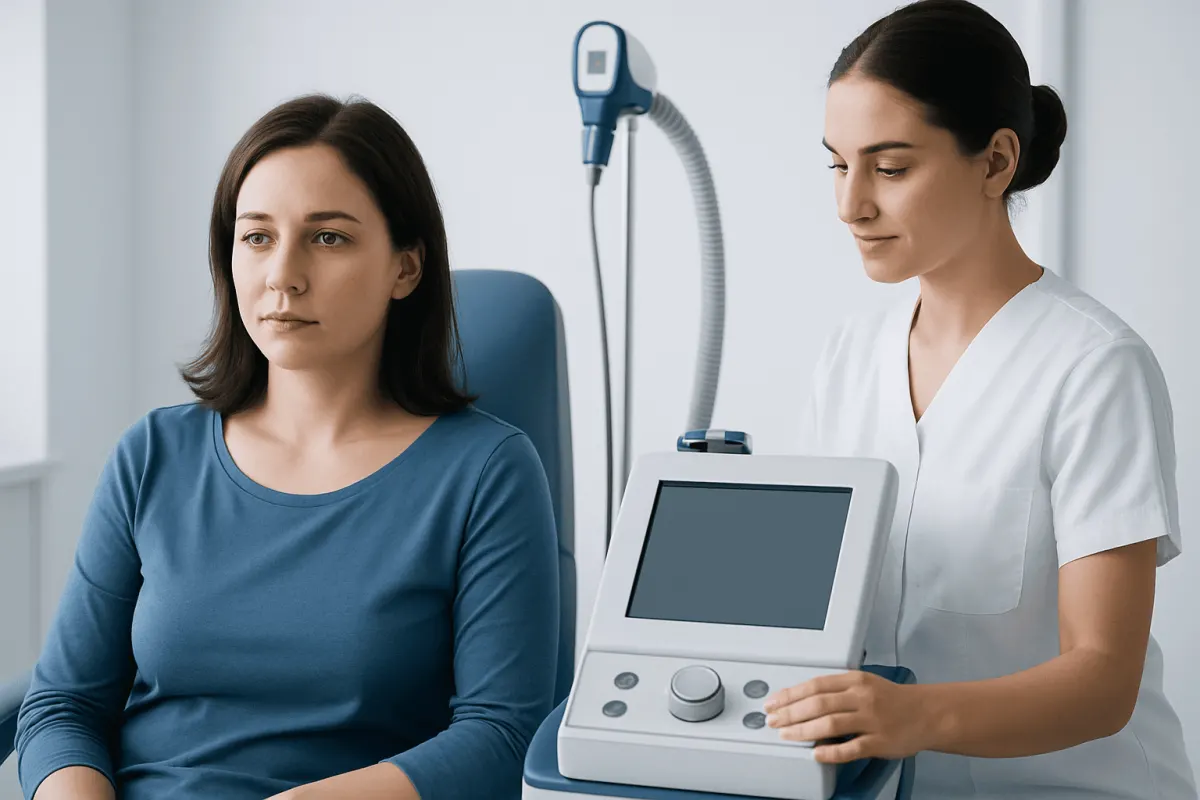
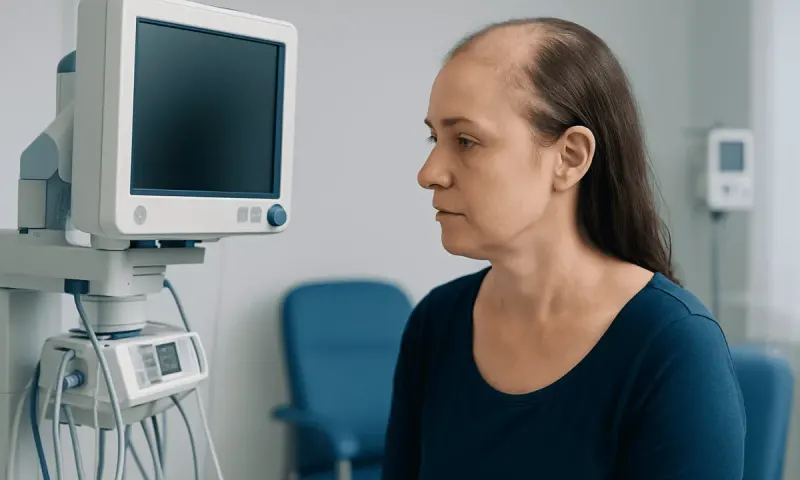
Postpartum hair loss is usually temporary shedding caused by hormonal changes after pregnancy, rather than permanent damage to the hair follicles. Treatment commonly focuses on confirming the cause, supporting healthy regrowth and addressing conditions such as iron deficiency or thyroid disease when present.
Postpartum Hair Loss Treatment: An Overview
Postpartum hair loss treatment usually does not involve a procedure. For most people, the appropriate approach is reassurance, gentle hair and scalp care, and a clinical assessment when shedding is unusually heavy, prolonged or accompanied by other symptoms. The shedding generally settles as the hair growth cycle returns to its usual pattern.
During pregnancy, higher estrogen levels keep more hairs in the growth phase. After delivery, estrogen levels fall and many of those hairs shift into a resting phase at roughly the same time. Several months later, the resting hairs shed, creating noticeable thinning that is medically known as postpartum telogen effluvium.
Although the amount of hair in a brush or shower drain can be upsetting, the follicles are generally still healthy. The goal of care is to distinguish expected temporary shedding from nutritional deficiencies, thyroid conditions, inflammatory scalp disorders or other forms of hair loss that may need specific treatment.
Is Hair Loss 4 Months Postpartum Normal?
Yes. Hair loss at 4 months postpartum is very commonly reported and often fits the usual timing of postpartum telogen effluvium. Shedding may begin around two to four months after delivery and can seem most noticeable around this period, particularly along the hairline, temples and part line.
The amount of shedding varies widely. It may appear more dramatic in people who had very thick hair during pregnancy, have long hair, or wash their hair less often, since loose hairs can collect before being released during washing or brushing.
In many cases, shedding starts to ease within six to twelve months after birth, while visible fullness may take longer to return. Short new hairs around the hairline can be an early sign of regrowth. If shedding continues without improvement beyond the first postpartum year, or if there are other concerning symptoms, medical review is sensible.
What Is the Difference Between Alopecia and Postpartum Hair Loss?
Alopecia is a broad medical term meaning hair loss. Postpartum hair loss is usually a specific type of non-scarring alopecia called telogen effluvium, in which more hairs than usual enter the resting and shedding phase after the hormonal changes of pregnancy and childbirth.
Typical postpartum shedding tends to be diffuse, meaning it affects the scalp generally rather than producing completely smooth bald patches. By contrast, alopecia areata often causes distinct round or oval patches of hair loss, while female pattern hair loss usually causes gradual widening of the part or thinning over the crown. Postpartum shedding can sometimes make an underlying pattern of hereditary hair thinning more noticeable.
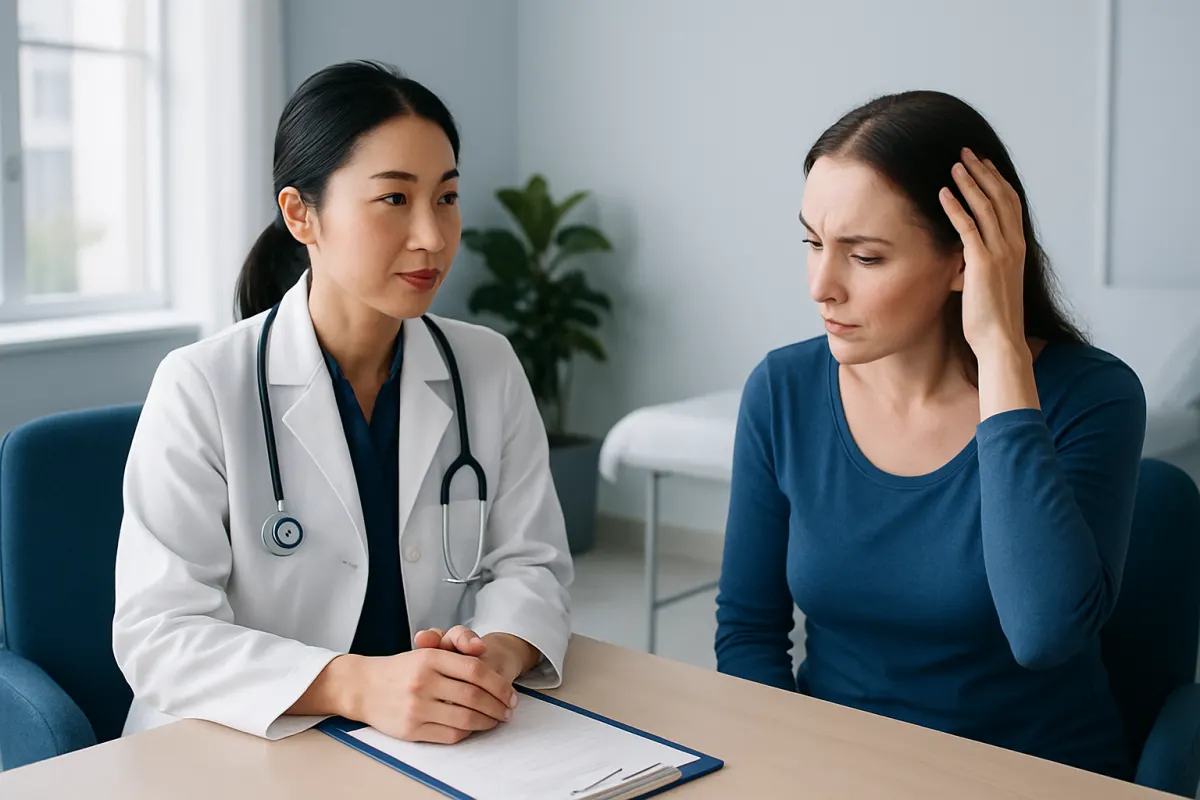
A clinician or dermatologist can assess the timing, distribution and duration of hair loss, as well as the scalp itself. They may ask about pregnancy complications, blood loss at delivery, diet, medications, family history and symptoms such as fatigue, weight change, temperature intolerance or skin changes that could suggest another cause.
Evaluation, Treatment Options, Recovery and Results
A medical evaluation begins with a history and examination of the scalp and hair pattern. When indicated, a doctor may arrange blood tests to check for anemia, low iron stores, thyroid dysfunction or other nutritional concerns. Testing is individualized; not everyone with expected postpartum shedding needs extensive investigations.
If an underlying condition is identified, treatment is directed at that cause. For example, a documented iron deficiency may need correction, and thyroid disease requires appropriate medical management. A balanced diet and recovery from the physical demands of pregnancy and delivery also support normal hair growth, but supplements should not be used in high doses unless advised by a qualified clinician.
For straightforward postpartum telogen effluvium, medicines are usually unnecessary because the hair follicles commonly resume normal cycling on their own. A dermatologist may discuss topical minoxidil when there is confirmed female pattern hair loss or persistent thinning, but it is not routinely needed for short-term postpartum shedding. Anyone who is breastfeeding, planning another pregnancy or taking other medicines should discuss the suitability of treatment with their doctor before using it.
Hair transplantation is not generally appropriate during active postpartum shedding, because it does not address the temporary shift in the hair cycle. Procedures such as platelet-rich plasma treatments and light-based devices have limited evidence specifically for postpartum shedding and are not standard first-line care. Recovery usually means waiting for the shedding phase to settle; results are gradual, with less shedding followed by new growth and improving density over months rather than days.
What Is the Best Shampoo for Postpartum Hair Loss?
There is no single best shampoo for postpartum hair loss, and no shampoo has been proven to stop the hormone-related shedding of telogen effluvium. Shampoo works on the hair shaft and scalp surface, while postpartum shedding begins within the hair growth cycle below the skin.
A gentle shampoo suited to the person’s scalp type is usually a practical choice. Someone with a dry or sensitive scalp may prefer a mild, fragrance-free formula, while someone with an oily scalp may benefit from regular cleansing with a non-irritating product. A clinician may recommend a medicated shampoo if dandruff, seborrheic dermatitis or another scalp condition is present.
Volumizing shampoos and conditioners can temporarily make hair appear fuller by coating the strands, but they do not change the rate of regrowth. It is helpful to use conditioner on hair lengths, rinse thoroughly and avoid vigorous rubbing with a towel, which may add breakage to already fragile-looking hair.
Should I Cut My Hair If I'm Experiencing Postpartum Hair Loss?
Cutting the hair does not change hair shedding or make follicles grow faster, because hair growth occurs at the scalp rather than at the ends. There is no medical need to cut hair solely because of postpartum hair loss.
However, a shorter cut, layers or a style that creates the appearance of volume may help some people feel more comfortable while regrowth is underway. Trimming damaged ends can also reduce the look of breakage and make styling easier. The best choice is one that feels manageable and avoids tight pulling or frequent high-heat styling.
Daily Care, Nutrition and Emotional Wellbeing
Gentle daily habits can protect the hair that remains while the growth cycle resets. Using a wide-toothed comb, detangling carefully, limiting tight ponytails or braids, reducing repeated bleaching or chemical straightening, and using lower heat settings can help reduce breakage and traction. These measures do not stop telogen effluvium, but they can make the hair easier to manage.
Regular meals that include adequate protein, iron-rich foods, fruits, vegetables and whole grains support general recovery after pregnancy. People who follow restrictive diets, had significant blood loss during delivery, have digestive conditions or have symptoms of deficiency may benefit from individualized nutrition advice and blood testing. High-dose biotin, iron or other supplements should not be started simply for hair loss without professional guidance, particularly during breastfeeding.
Visible shedding can affect confidence at a time of major physical and emotional adjustment. Temporary changes in hairstyle, hair fibers or other cosmetic approaches may provide reassurance while regrowth occurs. If appearance concerns are causing persistent distress, speaking with a doctor or a mental health professional can be a helpful part of postpartum care.
When to Seek Medical Care
Medical care is appropriate if hair loss occurs in sharply defined patches, the scalp is painful, itchy, scaly or inflamed, or there is scarring or loss of eyebrows or body hair. An assessment is also advisable when shedding is very severe, continues to worsen, has not begun to improve by around twelve months postpartum, or is accompanied by symptoms such as marked fatigue, dizziness, palpitations, weight changes or intolerance to heat or cold.
A doctor can determine whether postpartum shedding is the likely explanation and rule out other treatable causes. Acıbadem Health Point’s multidisciplinary specialists at JCI-accredited hospitals can assess persistent hair loss and related dermatology, endocrine or nutritional concerns for international patients.
Frequently asked questions
01Does postpartum hair loss grow back on its own?
In most cases, yes. Postpartum telogen effluvium is temporary, and the follicles usually return to their usual growth cycle after the shedding phase. Regrowth is gradual, so hair may take several months to look fuller again.
02Can breastfeeding cause postpartum hair loss?
Postpartum hair loss is mainly linked to hormonal changes after pregnancy and delivery, rather than breastfeeding itself. Breastfeeding can coincide with the shedding period, but it is not usually considered the direct cause. Adequate nutrition and hydration remain important during breastfeeding and postpartum recovery.
03Should prenatal vitamins be continued for hair loss after delivery?
A clinician may recommend continuing a prenatal or postnatal vitamin while breastfeeding, depending on individual nutritional needs. However, taking vitamins does not reliably prevent normal postpartum shedding. Iron or other supplements should be targeted to a confirmed deficiency or professional advice.
04Can minoxidil be used for postpartum hair loss?
Topical minoxidil may be considered when a doctor diagnoses persistent hair loss or female pattern hair loss, but it is not routinely required for temporary postpartum shedding. Anyone who is breastfeeding, pregnant or planning pregnancy should discuss its use with a doctor before starting treatment.
05Does washing hair make postpartum shedding worse?
Washing does not cause postpartum hair loss. It can make shedding seem more noticeable because hairs that were already in the resting phase are released during washing. Gentle washing and careful detangling are safe and can help keep the scalp comfortable.
06Can postpartum hair loss happen after pregnancy loss?
Hormonal changes after a miscarriage, stillbirth or pregnancy termination can also trigger temporary telogen effluvium. The timing and recovery pattern may be similar to shedding after childbirth. Medical support is appropriate if hair loss is distressing or if there are symptoms that suggest another health concern.
This article is for general information only and is not a substitute for professional medical advice. Please consult a qualified doctor about your individual situation.
Hair transplant in Turkey — costs, graft counts & a free assessment
JCI-accredited · board-certified surgeons · reply within 24h
Add us as a Preferred Source to see more of our trusted health content across Google Search, AI Overviews and Discover.