

Pons Stroke: Symptoms, Causes and Treatment
- 8 min read
- Published November 12, 2026
Key Takeaways
- The pons is part of the brainstem, so a stroke there can affect many body functions at once.
- Common warning signs include weakness, trouble speaking, double vision, dizziness, and swallowing problems.
- A pons stroke is a medical emergency and should be evaluated immediately, even if symptoms seem to improve.
- Treatment focuses on restoring blood flow when possible, preventing complications, and supporting rehabilitation.
- Recovery often requires coordinated therapy and follow-up, especially for patients traveling from another country.
A pons stroke affects a small but vital area of the brainstem that helps control movement, sensation, breathing, swallowing, and facial function. Because the symptoms can be sudden and varied, prompt medical evaluation is essential for the best chance of recovery.
Overview
A pons stroke is a stroke that occurs in the pons, a small but essential part of the brainstem. The pons acts like a communication hub, carrying signals between the brain and the rest of the body while also helping regulate breathing, swallowing, sleep, and eye movement.
Because this area is so central to many functions, a stroke in the pons can look different from a stroke in the brain’s outer regions. Some people notice facial weakness or double vision. Others develop difficulty speaking, walking, swallowing, or moving one side of the body.
For patients and families, the first challenge is often recognizing that the symptoms are neurological and need urgent assessment. The second is understanding that treatment and recovery may involve several specialists working together, especially when the person is receiving care away from home.
Symptoms
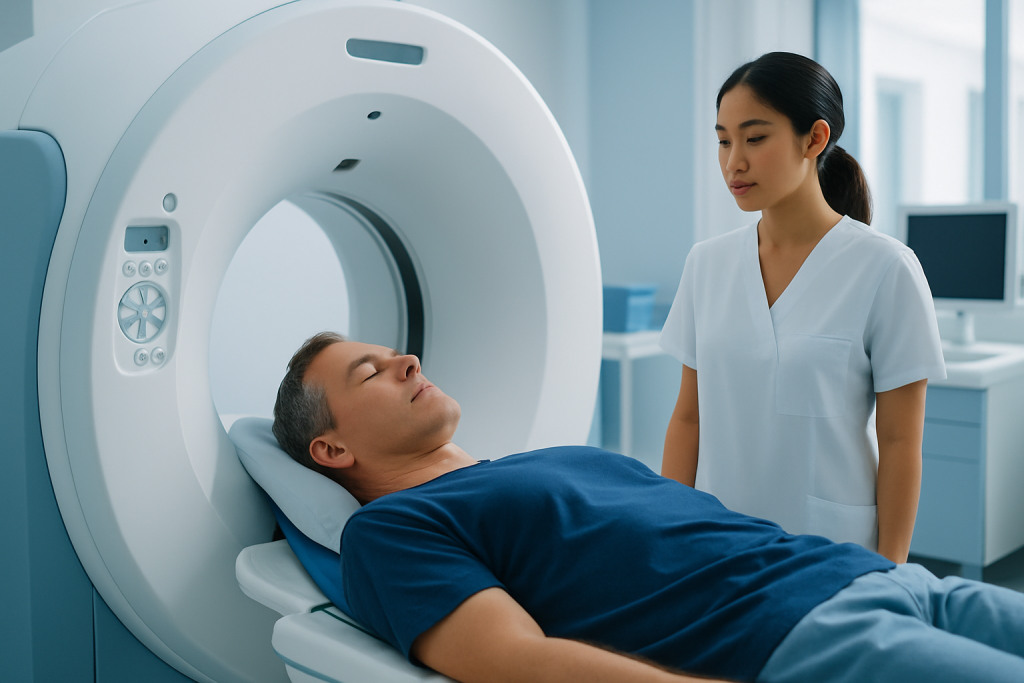
Pons stroke symptoms can begin suddenly and may range from subtle to severe. Some signs reflect the pons’ role in movement and sensation, while others are linked to the nearby pathways that control breathing, eye movements, and facial muscles.
Typical symptoms may include:
- Weakness or numbness on one or both sides of the body
- Facial drooping or facial numbness
- Slurred speech or difficulty finding words
- Double vision or abnormal eye movements
- Dizziness, imbalance, or trouble walking
- Difficulty swallowing or choking on liquids
- Reduced coordination or clumsiness
In some cases, symptoms can be dramatic, while in others they are surprisingly mixed or incomplete. Because the pons sits in the brainstem, serious symptoms can develop quickly, and even a person who seems alert may still be having a major stroke.
Causes & Risk Factors

Most pons strokes are caused by interruption of blood flow to the brainstem. This may happen because of a blocked artery, a clot that travels from elsewhere in the body, or less commonly bleeding in the area. The specific mechanism matters because it guides treatment decisions.
Risk factors are similar to those for other strokes and often include high blood pressure, diabetes, high cholesterol, smoking, Neurology for Stroke Prevention: Which Patients May Benefit?" class="ahp-ilk">Stroke Prevention in Atrial Fibrillation: How Doctors Choose Between Drugs and Procedures" class="ahp-ilk">atrial fibrillation, and a history of previous stroke or transient ischemic attack. Aging and certain lifestyle factors can also increase risk, but younger adults are not immune.
Some pons strokes involve small deep vessels, while others are linked to larger artery disease or an embolus. Doctors usually look for both the immediate cause and the broader pattern of vascular risk, since prevention depends on addressing the full picture rather than only the acute event.
Diagnosis
Diagnosis starts with a careful neurological exam and a conversation about when symptoms began. Timing is especially important because some treatments for ischemic stroke work best within a limited window after the first signs appear.
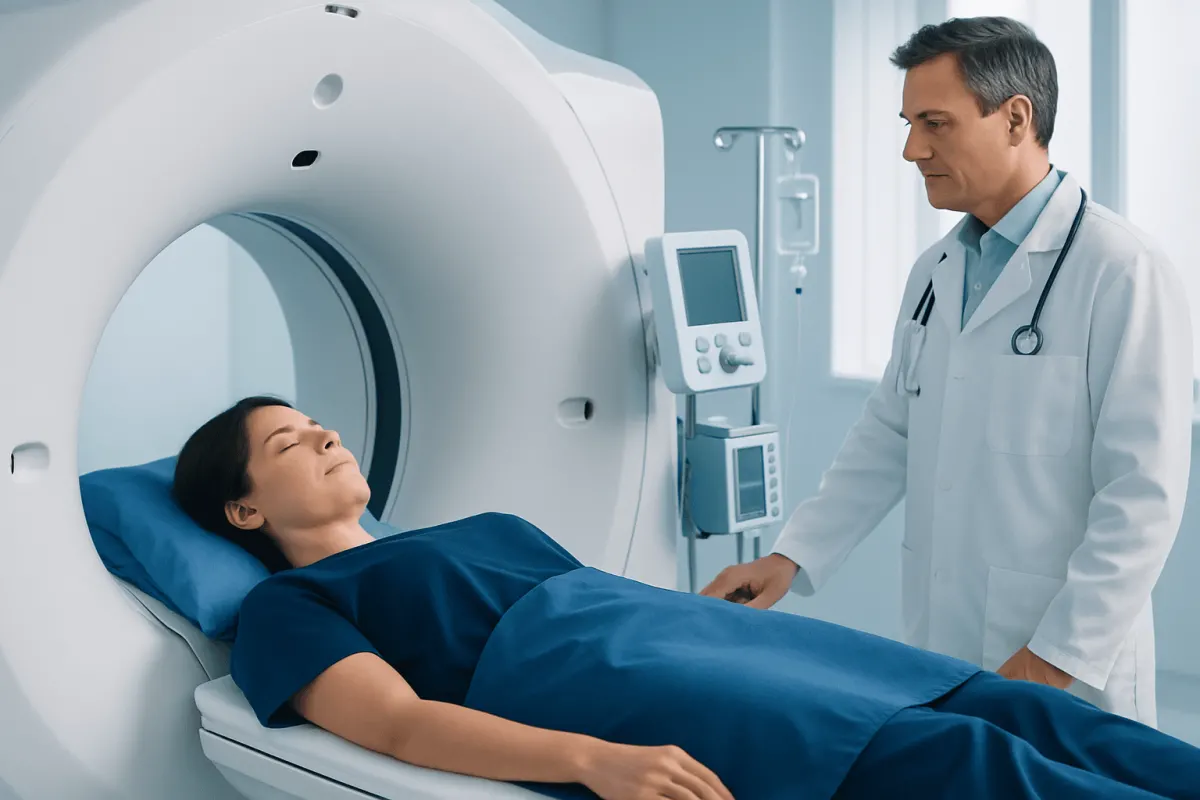
Brain imaging is usually the next step. A CT scan may be used quickly to rule out bleeding, while MRI is often more sensitive for detecting brainstem and pons strokes. Doctors may also order blood tests, heart monitoring, and vascular imaging to understand whether a clot, narrowed artery, or another factor caused the stroke.
For international patients, this stage may happen soon after arrival to a specialist center or after urgent transfer from another facility. A well-coordinated stroke team can shorten the time from arrival to diagnosis, which is one reason emergency pathways matter so much in suspected brainstem stroke.
Treatment Options
Treatment depends on whether the pons stroke is ischemic, meaning caused by a blocked vessel, or hemorrhagic, meaning caused by bleeding. Ischemic strokes may be treated with clot-busting or clot-removal strategies in selected patients, while hemorrhagic strokes are managed differently and may require blood pressure control, close monitoring, or neurosurgical input.
Once the immediate emergency is stabilized, care focuses on preventing complications and supporting recovery. This may include medicines to reduce future stroke risk, treatment of swallowing problems, support for breathing if needed, and early rehabilitation. If the person has trouble moving or speaking, physical, occupational, and speech therapy often begin as soon as it is safe.
Patients often ask whether the brainstem location makes treatment more difficult. In practice, it makes the team’s coordination more important. A pons stroke can affect several body systems at once, so neurologists, radiologists, rehabilitation specialists, nurses, and therapists may all contribute to the care plan.
Prevention & Self-care
After the acute phase, prevention becomes a central part of care. The goals are to reduce the chance of another stroke and help the person regain as much function as possible. This usually means treating the underlying vascular risk factors rather than focusing on one symptom alone.
Helpful self-care measures may include following the prescribed medicine plan, attending follow-up appointments, monitoring blood pressure or blood sugar when advised, and stopping smoking if relevant. A heart-healthy eating pattern, regular activity as cleared by the doctor, and attention to sleep and hydration can also support recovery.
For people recovering abroad, planning matters. It is wise to keep copies of imaging reports, discharge summaries, and medication lists, and to arrange follow-up either locally or with the treating team after returning home. Rehabilitation progress can continue across borders when communication is clear and records are shared.
Rehabilitation itself is a form of prevention too, because it helps reduce falls, aspiration risk, deconditioning, and other secondary problems that can slow recovery.
When to See a Doctor
Any sudden neurological symptom should be treated as an emergency. This is especially true for weakness, face drooping, trouble speaking, double vision, severe dizziness, difficulty walking, or trouble swallowing. Even if symptoms seem mild or partially improve, urgent medical evaluation is still appropriate.
A person should call emergency services right away rather than waiting to see whether the symptoms pass. Time-sensitive stroke treatment is only possible when the medical team can assess the situation quickly.
After the emergency phase, patients should also seek prompt follow-up if swallowing remains unsafe, walking is unsteady, headaches worsen, or there are new symptoms during recovery. For international patients, it can be helpful to choose a center that can coordinate imaging, neurology review, and rehabilitation in one pathway; Acibadem Health Point’s multidisciplinary specialists and JCI-accredited hospitals diagnose and treat pons stroke for international patients.
Recovery and Outlook
Recovery after a pons stroke is highly individual. Some people improve quickly, while others need a longer rehabilitation period because the brainstem controls so many functions at once. Progress may come in stages, and early changes do not always predict the final outcome.
Therapy often focuses on walking, balance, speech, swallowing, hand use, and daily activities. Family members may need guidance too, especially if the patient has fatigue, communication difficulties, or a changed ability to eat safely. Emotional recovery matters as much as physical recovery, and concerns about travel, independence, and work are common.
Follow-up visits allow the doctor to adjust medicines, monitor blood pressure and other risk factors, and make sure rehabilitation is matched to the person’s current abilities. A thoughtful plan can make recovery feel less fragmented, even when care starts in one country and continues in another.
Frequently asked questions
01What makes a pons stroke different from other strokes?
A pons stroke affects the brainstem, which helps control essential functions such as movement, swallowing, breathing, and eye coordination. Because of that location, symptoms may involve several body systems at once. The pattern can look different from a stroke in the brain’s outer areas.
02Can someone have a pons stroke and still be awake?
Yes. A person may be fully awake and still have a serious stroke in the pons. Being alert does not rule out a stroke, so sudden neurological symptoms still require immediate evaluation.
03What is the first test for a suspected pons stroke?
Doctors usually begin with a neurological exam and urgent brain imaging, often a CT scan first. MRI is especially helpful for brainstem strokes because it can show small areas of injury more clearly. Additional tests may be used to find the cause.
04Is recovery from a pons stroke possible?
Recovery is often possible, but it depends on the size of the stroke, the cause, and how quickly treatment begins. Rehabilitation plays a major role, especially for speech, swallowing, balance, and mobility. Some people improve steadily over time, while others need longer-term support.
05What should families watch for after discharge?
Families should watch for new weakness, worsening speech changes, swallowing problems, repeated choking, falls, or confusion. Any sudden change should be reported promptly. Keeping follow-up appointments and medication lists organized can make recovery safer and smoother.
06Can a person travel after a pons stroke?
Travel is usually not recommended until the treating doctor says it is safe. The timing depends on stability, mobility, swallowing, and the risk of another event. International patients should ask for a clear discharge plan and copies of all medical records before traveling.
This article is for general information only and is not a substitute for professional medical advice. Please consult a qualified doctor about your individual situation.
Explore treatments in Turkey — costs, top hospitals & a free quote
JCI-accredited · board-certified surgeons · reply within 24h
Add us as a Preferred Source to see more of our trusted health content across Google Search, AI Overviews and Discover.
How can we help you today?
Meet an Acibadem specialist by secure video, before you travel.
Book a video visit