Medical Abbreviation for a Stroke: TIA, CVA and FAST
The medical abbreviation for a stroke is commonly CVA, which stands for cerebrovascular accident. TIA is not the same as a stroke, although it can cause similar temporary symptoms and needs urgent medical assessment.
What is the medical abbreviation for a stroke?
The medical abbreviation for a stroke is commonly CVA, meaning cerebrovascular accident. “Cerebrovascular” refers to the blood vessels supplying the brain, and “accident” is an older medical term for a sudden event. In modern clinical communication, many healthcare professionals simply use the clearer term stroke.
Other abbreviations may appear in medical records, emergency departments or imaging reports. TIA means transient ischemic attack, sometimes called a “mini-stroke,” although this phrase can be misleading because a TIA is still urgent. ICH refers to intracerebral haemorrhage, bleeding within the brain, while SAH means subarachnoid haemorrhage, bleeding around the brain.
A stroke happens when part of the brain does not receive enough blood and oxygen, or when a blood vessel in or around the brain bleeds. Brain cells can be injured quickly, so recognising symptoms and seeking emergency help without delay is essential.
Is a stroke a TIA or CVA?
A stroke may be described as a CVA, but a TIA is not usually classified as a completed stroke. CVA is a broad term traditionally used for a stroke, including both blockage-related and bleeding-related events. The term does not identify the precise cause, which is why clinicians often document the specific stroke type instead.
A TIA occurs when blood flow to part of the brain is briefly interrupted, usually by a small clot or narrowing in an artery. Symptoms can resemble those of a stroke, such as weakness on one side, speech difficulty, facial drooping or vision changes. However, they resolve completely, often within minutes or hours, and do not leave evidence of permanent brain injury on standard assessment.
Even if symptoms disappear, a TIA should be treated as an emergency. It can be an early warning that a full stroke may occur, particularly in the following hours or days. Prompt evaluation helps doctors identify possible causes, such as an irregular heart rhythm, carotid artery narrowing, high blood pressure or blood-clotting problems.
What are the four types of strokes?
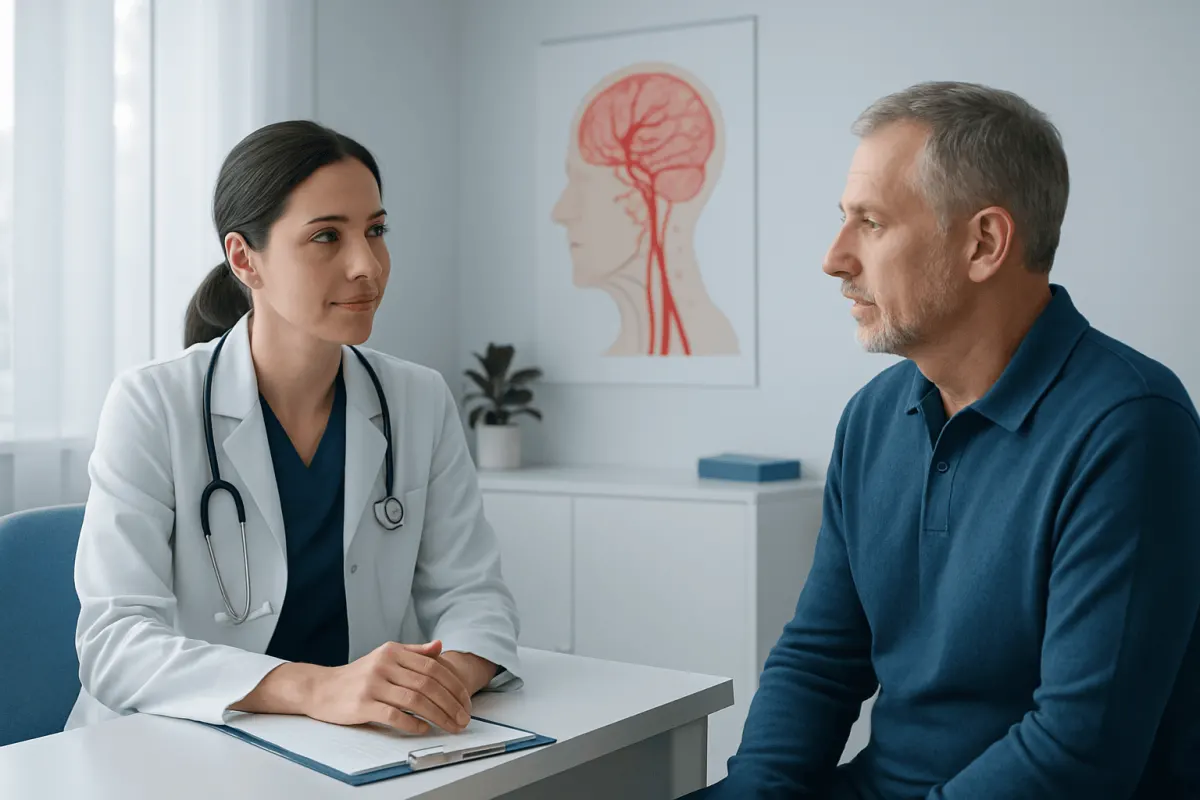
The two main types of stroke are ischemic stroke and haemorrhagic stroke. In wider patient education, TIA and cryptogenic stroke are also often discussed alongside these types, creating a useful four-part overview. Each has different causes and may need different investigations and treatment.
- Ischemic stroke: This is caused by a blocked artery, usually due to a blood clot. The clot may form in a brain artery or travel from elsewhere in the body, often the heart or neck arteries.
- Haemorrhagic stroke: This happens when a weakened blood vessel ruptures and bleeds into or around the brain. Uncontrolled high blood pressure is a major risk factor.
- Transient ischemic attack (TIA): This is a temporary reduction in brain blood flow. Symptoms resolve, but urgent assessment is needed to reduce the risk of later stroke.
- Cryptogenic stroke: This describes a stroke for which no definite cause is found after standard testing. Further heart rhythm monitoring, blood vessel imaging or blood tests may be considered.
Haemorrhagic strokes include intracerebral haemorrhage and subarachnoid haemorrhage. A specialist team uses symptoms, brain imaging and other tests to distinguish between these conditions quickly, because treatment decisions depend on the type of event.
What are the four P's of a stroke?
The “four P’s of stroke” is not one universal medical standard, and the meaning can vary between educational programmes. It is sometimes used as a memory aid for four important areas: prevention, prompt recognition, pre-hospital response and post-stroke rehabilitation. The exact wording is less important than understanding the actions each area represents.
Prevention includes managing blood pressure, diabetes and cholesterol, avoiding tobacco, staying physically active and taking prescribed medicines as directed. Prompt recognition means noticing sudden neurological symptoms, even when they are mild or temporary.
Pre-hospital response involves calling emergency services rather than driving the person to hospital or waiting to see whether symptoms improve. Post-stroke rehabilitation may include physiotherapy, occupational therapy, speech and language therapy, emotional support and measures to prevent another stroke. Recovery plans are individual and may change over time.
What is the new acronym for stroke?
The best-known stroke acronym is FAST: Face drooping, Arm weakness, Speech difficulty and Time to call emergency services. A newer, broader acronym is BE FAST. It adds Balance and Eyes to help people recognise symptoms that can occur with strokes affecting different parts of the brain.
- B – Balance: sudden loss of balance, dizziness or trouble walking.
- E – Eyes: sudden blurred vision, double vision or loss of vision in one or both eyes.
- F – Face: one side of the face may droop or feel numb.
- A – Arms: sudden weakness or numbness in an arm or leg, especially on one side.
- S – Speech: slurred speech, difficulty speaking or trouble understanding words.
- T – Time: call emergency services immediately and note when symptoms began or when the person was last known well.
BE FAST is helpful because not every stroke begins with facial weakness or speech changes. Sudden confusion, severe unexplained headache, fainting, new weakness, loss of coordination or sudden vision symptoms can also need urgent medical assessment.
How is a suspected stroke assessed and treated?
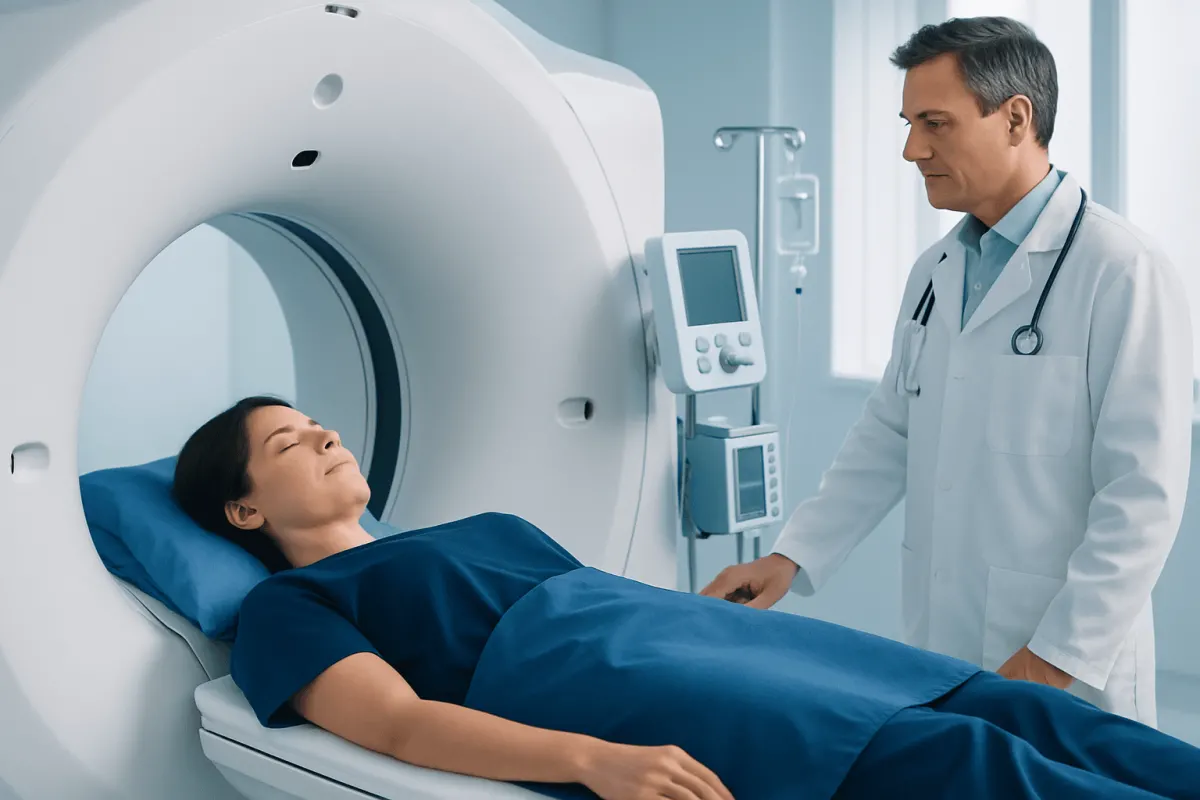
Emergency stroke assessment begins with checking symptoms, vital signs, blood glucose and the time symptoms started. Clinicians usually arrange urgent brain imaging, commonly a CT scan and sometimes MRI, to determine whether there is bleeding, a blockage or another condition causing similar symptoms. Blood tests, heart tracing and blood vessel imaging may also be needed.
Treatment depends on the stroke type and how long symptoms have been present. For selected people with ischemic stroke, clot-busting medicine or a catheter-based procedure to remove a clot may be considered within appropriate time windows. Stroke treatment also includes close monitoring, prevention of complications and addressing the cause of the event.
Haemorrhagic stroke treatment focuses on controlling bleeding-related risks, managing blood pressure and addressing the underlying blood vessel problem where appropriate. Some people may need neurosurgical or interventional treatment. After the acute stage, rehabilitation supports movement, communication, swallowing, thinking skills and daily independence.
Reducing stroke risk and supporting recovery
Many stroke risk factors can be reduced, although age, family history and some medical conditions cannot be changed. Regular blood pressure checks are particularly important because high blood pressure often has no noticeable symptoms. Diabetes, high cholesterol, atrial fibrillation and sleep apnoea should also be assessed and managed with a clinician’s guidance.
Everyday protective steps include not smoking, limiting alcohol, following a balanced eating pattern, staying active at a level that is safe for the individual and maintaining a healthy body weight where possible. People prescribed medicines for blood pressure, cholesterol, diabetes or irregular heart rhythm should not stop them without speaking to their doctor.
After a stroke or TIA, follow-up care may involve neurologists, cardiologists, rehabilitation specialists, nurses and therapists. Acıbadem Health Point’s multidisciplinary specialists and JCI-accredited hospitals support the diagnosis, treatment and rehabilitation planning of stroke-related conditions for international patients.
When to seek medical care
Emergency medical care is needed immediately for any sudden signs of possible stroke. These include facial drooping, new weakness or numbness on one side, difficulty speaking or understanding speech, sudden vision loss, severe dizziness, inability to walk normally, sudden confusion or a severe unexplained headache.
Do not wait to see whether symptoms improve, and do not take aspirin or other medicines unless advised by an emergency professional. Bleeding strokes require different treatment from blockage-related strokes, and taking certain medicines without assessment may be unsafe. If possible, note the time symptoms began or when the person was last known to be well.
A person whose symptoms have completely resolved may still have had a TIA and should receive urgent medical evaluation. Planned medical appointments are also appropriate for people who want help managing stroke risks such as high blood pressure, diabetes, high cholesterol or an irregular heartbeat.
Frequently asked questions
01What does CVA mean in medical terms?
CVA stands for cerebrovascular accident, a traditional medical term for stroke. It refers to a sudden problem involving blood flow or bleeding in the brain. Many clinicians now use the more direct term “stroke” and specify whether it is ischemic or haemorrhagic.
02Is TIA an abbreviation for a stroke?
TIA means transient ischemic attack. It is not usually considered a completed stroke because symptoms resolve without lasting injury on standard assessment. However, it is a medical emergency because it may indicate a high short-term risk of stroke.
03Why is a TIA sometimes called a mini-stroke?
TIA is sometimes called a mini-stroke because it can cause the same sudden symptoms as a stroke, but they are temporary. The term can underestimate its importance, since a TIA needs urgent assessment even after symptoms go away. Healthcare professionals often prefer the term TIA.
04What is the difference between FAST and BE FAST?
FAST covers Face, Arms, Speech and Time, which are common stroke warning signs. BE FAST adds Balance and Eyes, helping people recognise sudden dizziness, coordination problems and vision changes that may also occur with stroke. Both tools encourage immediate emergency action.
05Can stroke symptoms come and go?
Yes. Symptoms that come and go can occur with a TIA, but they may also happen early in a developing stroke. Any sudden neurological symptom, even one that resolves, requires urgent medical assessment.
06What should someone do while waiting for emergency help for a suspected stroke?
The person should be kept safe and comfortable, ideally seated or lying on their side if they are drowsy or vomiting. They should not eat, drink or take medication unless specifically instructed by emergency professionals, as swallowing may be affected. Note the symptom onset time and share it with the medical team.
This article is for general information only and is not a substitute for professional medical advice. Please consult a qualified doctor about your individual situation.
Explore treatments in Turkey — costs, top hospitals & a free quote
JCI-accredited · board-certified surgeons · reply within 24h
Add us as a Preferred Source to see more of our trusted health content across Google Search, AI Overviews and Discover.