Mini Stroke Symptoms, Risks and Urgent Next Steps
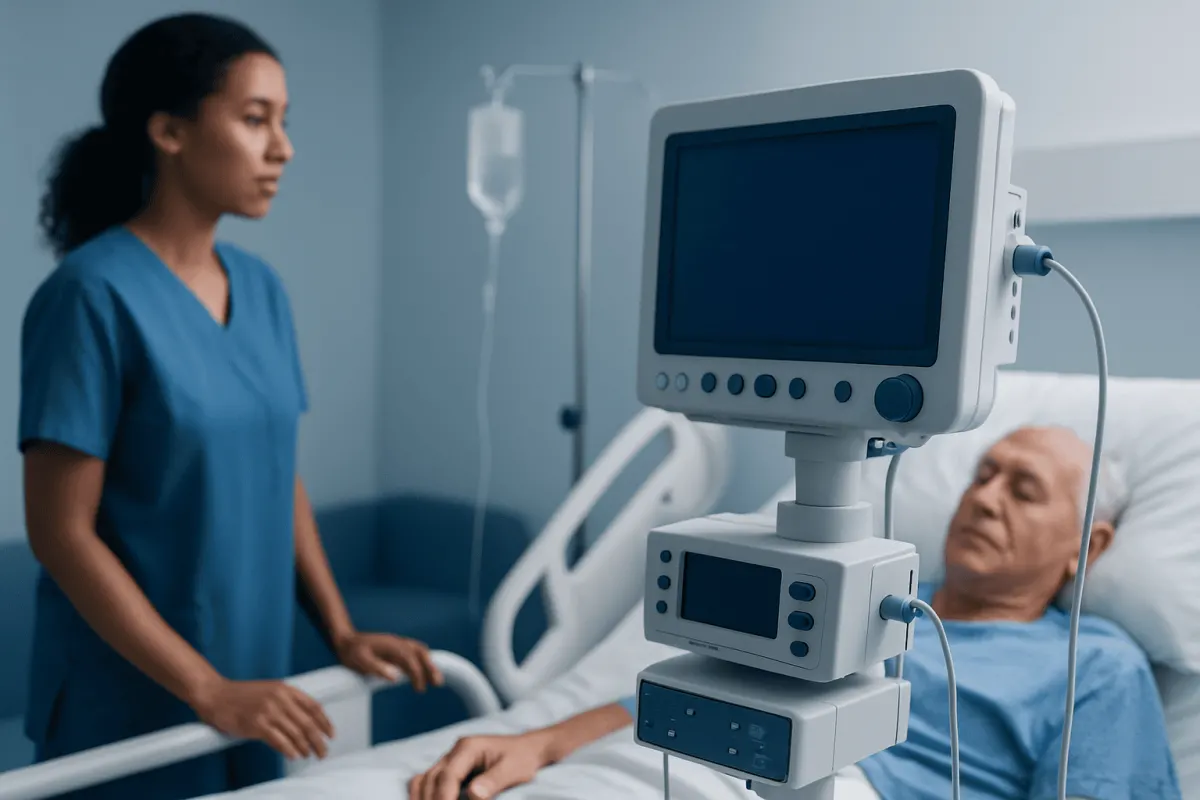
A mini stroke, medically called a transient ischemic attack (TIA), causes stroke-like symptoms that resolve because blood flow to the brain returns. Even when symptoms disappear quickly, a TIA is a medical emergency and should be assessed urgently to reduce the risk of a future stroke.
Mini Stroke Overview
A mini stroke is the common term for a transient ischemic attack (TIA). It happens when blood flow to part of the brain, spinal cord, or retina is briefly blocked. The resulting symptoms are similar to those of a stroke, but they resolve completely because the blockage clears and does not leave persistent neurological deficits.
The word “mini” can be misleading. A TIA should never be dismissed as minor, because it may signal that the same underlying blood-vessel or heart problem could cause a longer-lasting stroke. Anyone with sudden neurological symptoms should seek emergency medical assessment immediately, even if they feel well again.
A stroke causes brain injury when blood flow remains blocked or, less commonly, when a blood vessel bleeds. A TIA does not produce an area of acute brain injury on standard brain imaging, but only prompt evaluation can distinguish a TIA from stroke or other conditions that may resemble one.
Mini Stroke Symptoms and How Long They Last
Mini stroke symptoms begin suddenly. They depend on the area of the brain affected and may involve one side of the body, speech, vision, coordination, or sensation. Symptoms can be brief and may be gone before a person reaches hospital, but the event still requires urgent care.
- Weakness, numbness, or drooping of the face, arm, or leg, especially on one side
- Difficulty speaking, slurred speech, confusion, or trouble understanding words
- Sudden loss, blurring, or double vision; temporary loss of vision in one eye can also occur
- Sudden dizziness, unsteadiness, poor coordination, or difficulty walking
- A Neurology May Be Urgently Needed" class="ahp-ilk">sudden severe headache, particularly when accompanied by other neurological symptoms
The FAST reminder can help people act quickly: facial drooping, arm weakness, speech difficulty, and time to call emergency services. It is important to note the time symptoms were first noticed or the last time the person was known to be well.
How long does a mini stroke usually last?
Symptoms of a mini stroke often last a few minutes and commonly resolve within an hour, although they can last longer. By definition, a TIA causes temporary symptoms without evidence of acute tissue injury on brain imaging. A person should not wait to see whether symptoms improve; a stroke can look identical at the start, and urgent assessment is needed while symptoms are occurring or immediately afterward.
Is a Mini Stroke Very Serious?

Yes. A mini stroke is very serious because it can be a warning that a full stroke may occur, sometimes soon after the TIA. The risk varies according to the cause and individual health factors, which is why rapid assessment and prevention treatment are so important.
A TIA can be caused by a small clot forming in a narrowed artery, a clot traveling from the heart, or disease in the blood vessels supplying the brain. Conditions such as atrial fibrillation, high blood pressure, diabetes, high cholesterol, smoking, and carotid artery narrowing can increase the likelihood of these problems.
Prompt care can identify causes that may be treatable. For example, a clinician may look for an irregular heartbeat, including atrial fibrillation, which can allow blood clots to form in the heart and travel to the brain. Early prevention planning can substantially lower the chance of a subsequent stroke.
Causes and Risk Factors for a Mini Stroke
Most TIAs are ischemic, meaning they arise from a temporary reduction or blockage in blood flow. A clot may form in an artery already narrowed by atherosclerosis, or it may travel through the bloodstream from the heart or a larger artery in the neck. Less commonly, inflammation, blood disorders, or other vascular conditions may contribute.
Some risk factors can be changed, while others cannot. Age, family history, and a previous TIA or stroke are examples of factors that cannot be altered. High blood pressure, diabetes, elevated cholesterol, smoking, limited physical activity, excess alcohol use, obesity, and untreated sleep apnea are among the modifiable factors.
People with a history of cardiovascular disease should be especially alert to sudden neurological symptoms. Risk-factor management is individualized, and it should be guided by a clinician rather than by self-starting or stopping medicines.
Diagnosis After Suspected Mini Stroke
Clinicians diagnose a suspected TIA by carefully reviewing the symptoms, their timing, medical history, and examination findings. Even if symptoms have resolved, a detailed description from the person and anyone who witnessed the event can provide essential clues. Similar symptoms can occasionally result from migraine, seizures, low blood sugar, inner-ear disorders, or other conditions, so professional evaluation is important.
Assessment may include brain imaging, often a CT scan or MRI, to look for bleeding, stroke, or other explanations. Doctors may also examine blood vessels in the head and neck with ultrasound, CT angiography, or magnetic resonance angiography. These tests can identify narrowing or blockage that may require targeted treatment.
Blood tests and heart assessment are often part of the evaluation. An electrocardiogram and, in some cases, longer heart-rhythm monitoring or echocardiography may help identify a cardiac source of clots. The results guide a personalized stroke-prevention plan.
Treatment and Recovery After a Mini Stroke
TIA treatment aims to prevent a stroke by addressing its cause. Depending on the clinical findings, this may include antiplatelet medicine, anticoagulant medicine for certain heart-rhythm conditions, medicines to lower cholesterol, and treatment for high blood pressure or diabetes. The right treatment depends on the person’s medical history, imaging results, and bleeding risk.
When a major narrowing in a neck artery is found, selected patients may need a procedure to improve blood flow. This can include carotid endarterectomy or another vascular intervention when clinically appropriate. Decisions about procedures should be made with stroke and vascular specialists after a full evaluation.
Can your brain fully recover from a mini stroke?
Symptoms from a true TIA resolve completely, and standard imaging does not show acute brain injury. However, a person may still feel tired, worried, or less confident afterward, and a TIA remains a signal of future stroke risk. Follow-up care, treatment adherence, and support with lifestyle changes are important parts of recovery and prevention.
For international patients, Acıbadem Health Point’s multidisciplinary specialists and JCI-accredited hospitals can assess suspected TIA and provide coordinated stroke-prevention care when needed.
What Not to Do After a Mini Stroke
After possible mini stroke symptoms, the most important step is not to ignore them or wait for a routine appointment. Symptoms that disappear are still urgent. The person should not drive themselves to hospital, as symptoms can return or worsen; emergency medical services are safer and can begin assessment during transport.
What not to do after a mini stroke?
Do not take aspirin, blood thinners, or other medicines specifically for the event unless a clinician advises it. Although these medicines are useful for some people, they are not appropriate for everyone and may be unsafe if symptoms are caused by bleeding or another condition. Do not stop prescribed heart, blood pressure, diabetes, or cholesterol medication without medical guidance.
It is also wise not to smoke, use recreational drugs, or consume heavy amounts of alcohol. Rather than relying on home remedies, record the symptoms, when they began, medicines currently used, and relevant medical history. Bringing this information to emergency clinicians can support faster decision-making.
When to Seek Medical Care
Emergency medical care is needed immediately for any sudden signs of stroke or TIA, including face drooping, one-sided weakness or numbness, difficulty speaking, sudden vision loss, severe unsteadiness, or new confusion. Call local emergency services even if symptoms last only a few minutes or have fully resolved.
People who have already been assessed for a TIA should seek urgent help if symptoms return, change, or become more severe. New symptoms after a TIA should be treated as a possible stroke, not assumed to be another harmless episode.
After emergency evaluation, follow-up with a stroke specialist or primary care clinician helps ensure that test results are reviewed and prevention measures are adjusted. Long-term steps may include controlling blood pressure and blood sugar, taking prescribed medicines consistently, avoiding tobacco, eating a heart-healthy diet, staying physically active as advised, and attending scheduled appointments.
Frequently asked questions
01Can a mini stroke happen without warning?
A mini stroke usually begins suddenly, often without prior warning. The symptoms may be brief, but abrupt weakness, speech trouble, vision changes, or loss of balance should always be treated as an emergency.
02Can stress cause a mini stroke?
Stress alone is not usually considered a direct cause of a TIA. However, long-term stress may affect sleep, blood pressure, smoking habits, physical activity, and other factors that influence cardiovascular health. A clinician can help address overall stroke risk.
03Can a mini stroke be seen on a brain scan?
A true TIA does not show acute brain tissue injury on imaging, but brain scans remain important. They can rule out bleeding, identify a completed stroke, and help investigate other possible causes of symptoms.
04Should symptoms be taken seriously if they have stopped?
Yes. Resolved symptoms may indicate a TIA, and the risk of stroke can be higher soon after such an event. Emergency assessment is still needed even when the person feels completely normal.
05Can a mini stroke happen more than once?
Yes, recurrent TIAs can occur, particularly if the cause has not been identified or treated. Repeated episodes should never be managed at home and require urgent medical evaluation.
06How can someone reduce the risk of another mini stroke?
The best prevention plan depends on the underlying cause. It commonly includes taking prescribed medication, managing blood pressure, cholesterol and diabetes, avoiding tobacco, following a balanced diet, and staying physically active as advised by a healthcare professional.
This article is for general information only and is not a substitute for professional medical advice. Please consult a qualified doctor about your individual situation.
Joint and spine care in Turkey — expert assessment & treatment
JCI-accredited · board-certified surgeons · reply within 24h
Add us as a Preferred Source to see more of our trusted health content across Google Search, AI Overviews and Discover.