Polycystic Ovary Syndrome: Symptoms, Causes and Treatment

Key Takeaways
- PCOS treatment is individualized and depends on symptoms such as irregular periods, acne, excess hair growth, weight changes, or fertility concerns.
- Lifestyle changes can improve insulin resistance and support cycle regularity, even when weight loss is not the main goal.
- Medicines may be used to protect the uterine lining, lower androgen-related symptoms, or help with ovulation.
- Fertility treatment is available for people with PCOS who want to conceive, and the approach often starts with ovulation induction.
- Long-term follow-up matters because PCOS can affect metabolic health, mood, and overall well-being over time.
Polycystic ovarian syndrome, often called PCOS, is managed with a treatment plan tailored to a person’s symptoms, goals, and long-term health needs. Care may include lifestyle changes, medicines to regulate periods or hormones, and fertility support when pregnancy is a priority.
Overview
When someone is told they have polycystic ovarian syndrome, the next question is often not what the diagnosis means, but what can actually be done about it. The answer depends on what the condition is doing in that person’s life. For one patient, the main concern may be skipped periods; for another, it may be acne, unwanted hair growth, or difficulty getting pregnant.
PCOS is a hormonal condition that can affect the ovaries, menstrual cycles, skin, metabolism, and fertility. It is common, but it does not look the same in every patient. That is why treatment is usually not one single medicine or one fixed plan. It is a combination of measures chosen to reduce symptoms, protect long-term health, and match the patient’s goals.
For Myomectomy Recovery for International Patients: The Usual Travel Timeline" class="ahp-ilk">international patients, treatment planning may also involve deciding where to begin care, what testing is needed before travel, and how follow-up will work after returning home. A good plan is clear, practical, and flexible enough to adapt as symptoms or life plans change.
Symptoms that treatment aims to improve

PCOS treatment is usually guided by the symptoms that are most disruptive. Some people notice irregular or infrequent periods, while others have signs related to higher androgen levels, such as acne, thinning scalp hair, or excess facial or body hair. Many also report weight gain or difficulty losing weight, and some experience no obvious symptoms until they try to conceive.
Treating the symptom does more than improve comfort. Regularizing menstrual cycles can help protect the lining of the uterus, and addressing insulin resistance may support broader metabolic health. In people trying to conceive, treatment may focus on restoring ovulation rather than simply managing visible symptoms.
It is also important to recognize the emotional side of PCOS. Living with changes in appearance, unpredictable cycles, or fertility uncertainty can be frustrating and isolating. A thoughtful treatment plan often includes room to talk about these concerns rather than focusing only on lab results.
Causes and risk factors
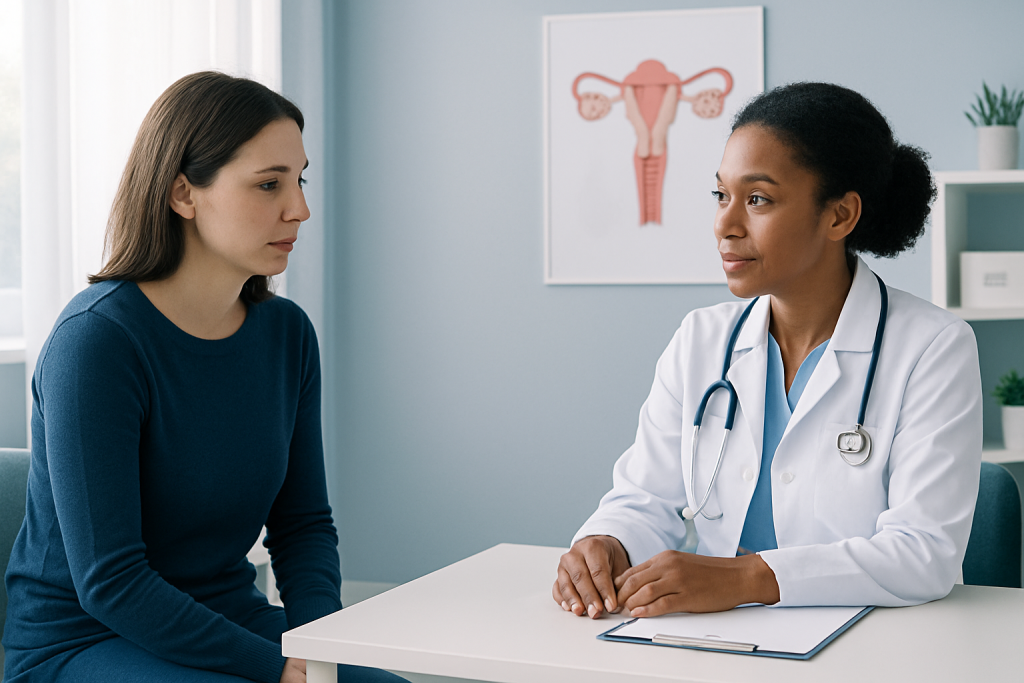
PCOS does not have a single cause. It appears to develop from a combination of hormonal and metabolic factors, including insulin resistance, excess androgen production, and changes in how the ovaries respond to hormonal signals. Genetics can play a role, which is why PCOS sometimes runs in families.
Certain factors can make the condition more likely to show up or become more noticeable. These include a family history of PCOS, insulin resistance, excess body weight, and a personal history of irregular cycles since the teenage years. However, PCOS can also occur in people who are not overweight, so body size alone does not rule it in or out.
Because the condition affects different body systems, treatment is often most effective when it addresses more than one issue at once. For example, a person may need support for cycle control, skin symptoms, and blood sugar health together rather than separately.
How PCOS is diagnosed before treatment starts
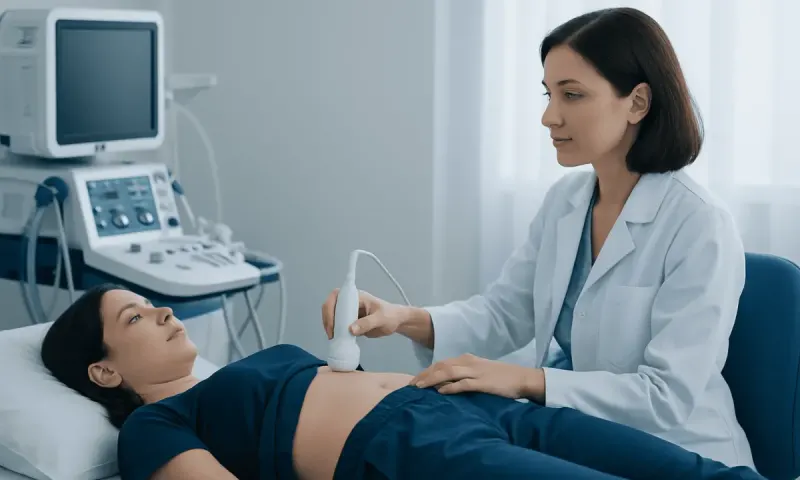
Before treatment begins, a clinician usually confirms that PCOS is the most likely explanation for the symptoms. There is no single test that diagnoses it in every case. Instead, diagnosis is based on the medical history, physical examination, hormone testing, and sometimes pelvic ultrasound.
Blood tests may be used to rule out other conditions that can resemble PCOS, such as thyroid disorders or elevated prolactin. Clinicians may also check glucose and cholesterol because PCOS can be associated with metabolic changes. The exact tests chosen depend on age, symptoms, and whether the person is seeking help for irregular periods, skin concerns, or infertility.
For patients traveling for care, having prior records, past test results, and a cycle history can make the first consultation more efficient. It helps the care team decide whether treatment can begin right away or whether additional evaluation is needed first.
Treatment options
PCOS treatment is usually built from a few main options, selected according to the patient’s goals. If pregnancy is not currently desired, hormonal birth control may be used to regulate bleeding and reduce androgen-related symptoms. In some cases, a healthcare professional may also recommend medicines that help protect the uterine lining when periods are very infrequent.
When insulin resistance or weight-related concerns are part of the picture, lifestyle treatment is often a core piece of care. This does not mean strict dieting or extreme exercise. More often, it means a sustainable nutrition plan, regular physical activity, and support for sleep and stress, all of which can improve how the body responds to insulin and hormones.
Medicines that reduce insulin resistance may be considered in selected patients, especially when blood sugar concerns are present. For acne or excess hair growth, treatment may include therapies directed at those symptoms, sometimes alongside hormonal treatment. Because symptom patterns differ, the best plan often combines several approaches instead of relying on a single medication.
- Cycle regulation: hormonal treatment or progestin-based options may help make bleeding more predictable.
- Skin and hair symptoms: acne or hair-growth treatments may be added when androgen effects are prominent.
- Metabolic support: lifestyle changes and, in some cases, medicines may help address insulin resistance.
- Ongoing monitoring: follow-up visits help adjust treatment as symptoms and life plans change.
Fertility treatment for people trying to conceive
For patients who want to become pregnant, treatment often shifts toward helping the ovaries release an egg regularly. This is one of the areas where PCOS management can be especially rewarding, because many people with PCOS do conceive with the right support. The first step is usually a fertility evaluation to make sure PCOS is the main reason ovulation is not happening regularly.
Ovulation-inducing medicines are commonly used when pregnancy is the goal. If needed, a fertility specialist may also consider additional options such as monitored cycles or assisted reproductive treatment. The choice depends on age, how long pregnancy has been desired, other fertility factors, and prior responses to treatment.
For international patients, fertility planning benefits from clear coordination. That may include arranging testing before travel, timing treatment around cycle days, and planning how monitoring or follow-up will continue after returning home. A well-organized approach helps reduce uncertainty during an already emotional process.
Prevention and self-care
There is no guaranteed way to prevent PCOS, but self-care can make symptoms easier to manage and may reduce some of the health risks linked with the condition. Regular movement, balanced meals, adequate sleep, and stress management can all support better metabolic and hormonal balance. These habits are not a replacement for medical care, but they are often an important part of the overall plan.
Keeping track of menstrual cycles, changes in skin or hair, and signs of blood sugar problems can help patients and doctors spot patterns early. Some people find it useful to note weight changes, mood shifts, and any side effects from treatment as well. This record can be especially helpful during follow-up visits if care is being shared across countries.
Self-care also includes making treatment realistic. A plan is more likely to work when it fits into the patient’s daily life, cultural preferences, and travel schedule. Small, steady changes are usually more sustainable than short bursts of intensive effort.
When to see a doctor
Medical advice is worthwhile if periods are very irregular, if bleeding is unexpectedly heavy, if acne or hair growth is worsening, or if weight changes and fatigue are becoming difficult to manage. It is also important to seek evaluation when pregnancy has not happened after a period of trying, especially if cycles are infrequent or absent.
Patients should also speak with a doctor if they notice symptoms that could suggest another condition, such as rapid changes in hair growth, severe pelvic pain, or symptoms of high blood sugar. These signs do not automatically mean something serious is wrong, but they do deserve assessment rather than guesswork.
Anyone starting treatment should know what follow-up will look like, especially if care will continue abroad. Acibadem Health Point’s multidisciplinary specialists and JCI-accredited hospitals diagnose and treat PCOS for international patients, helping patients move from evaluation to follow-up with a coordinated plan.
Living well with PCOS over time
PCOS is usually a long-term condition, which means treatment is often adjusted over months and years rather than settled in one visit. That may sound demanding, but it also means there is room to fine-tune care as life changes. A person may focus on cycle control now and fertility later, or manage skin symptoms first and metabolic health next.
The best outcomes often come from regular review rather than one-time treatment. Periodic check-ins can help confirm that the chosen therapy is still working, check for side effects, and make sure the plan fits the patient’s goals. This is especially useful when the person is balancing care across two healthcare systems or preparing to travel home after treatment.
With a clear diagnosis, a realistic plan, and the right follow-up, PCOS is a condition that can be managed effectively. Many patients feel better once they understand that treatment is not about perfection; it is about steady control, informed choices, and support that matches their stage of life.
Frequently asked questions
01Can PCOS be cured?
PCOS is usually managed rather than cured. Treatment can greatly reduce symptoms and help protect long-term health, but needs may change over time. Many people do well with a plan that is reviewed regularly.
02Which treatment is best for PCOS?
The best treatment depends on the main concern. Some people need help with irregular periods, others with acne or excess hair, and some with fertility. A clinician usually chooses treatment based on symptoms, test results, and pregnancy goals.
03Will lifestyle changes alone treat PCOS?
Lifestyle changes can help a great deal, especially for insulin resistance, cycle regularity, and overall health. However, some patients also need medicines or fertility treatment. The right approach is often a combination rather than one method alone.
04Does PCOS always cause infertility?
No. PCOS can make ovulation less predictable, but it does not mean pregnancy is impossible. Many patients conceive with lifestyle support, ovulation-inducing treatment, or other fertility care when needed.
05Do patients with PCOS need ongoing monitoring?
Yes, follow-up is usually helpful because symptoms and health needs can change. Monitoring can include menstrual patterns, metabolic health, skin or hair symptoms, and response to treatment. This is especially important if treatment is being coordinated from another country.
06When should someone seek medical advice for possible PCOS?
Medical advice is appropriate if periods are consistently irregular, if acne or hair growth is troublesome, or if pregnancy is not happening when expected. A doctor can confirm the cause and rule out other conditions that may look similar.
This article is for general information only and is not a substitute for professional medical advice. Please consult a qualified doctor about your individual situation.
Hair transplant in Turkey — costs, graft counts & a free assessment
JCI-accredited · board-certified surgeons · reply within 24h
Add us as a Preferred Source to see more of our trusted health content across Google Search, AI Overviews and Discover.