Can You Die From Pelvic Congestion Syndrome?
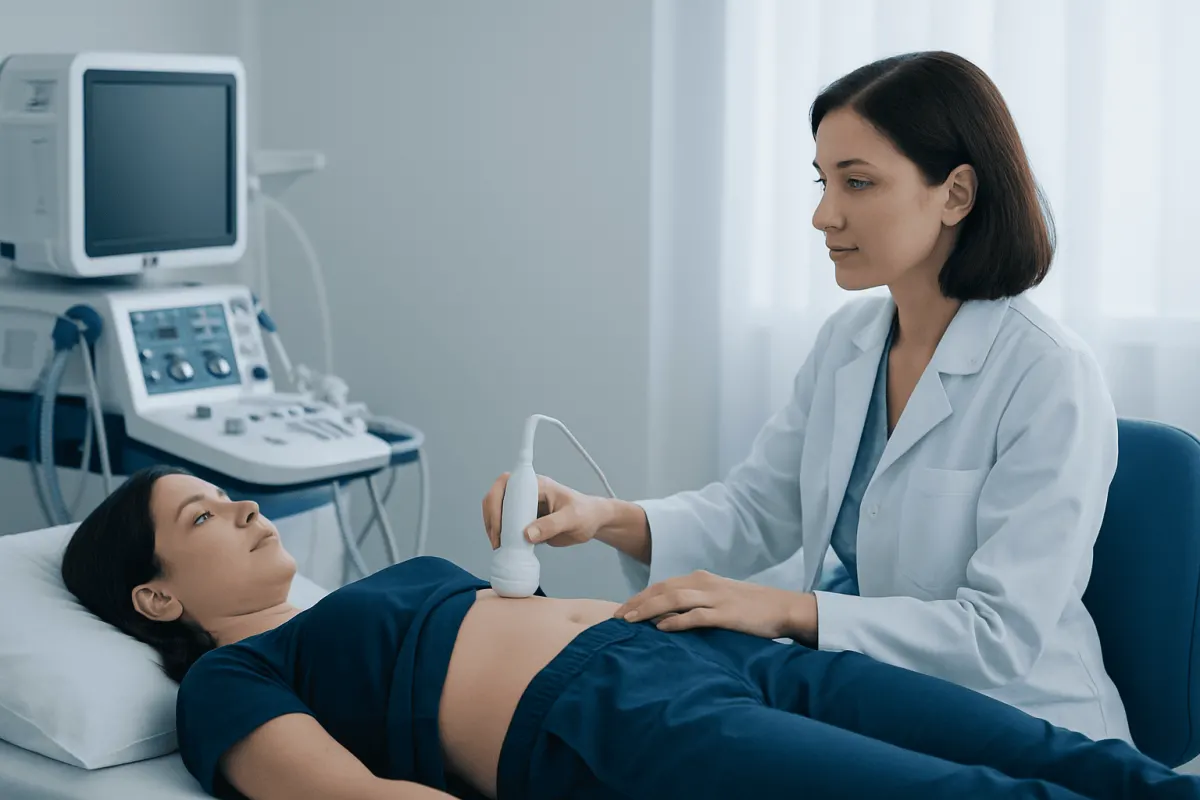
Pelvic congestion syndrome is usually a chronic, non-life-threatening cause of pelvic pain related to enlarged pelvic veins. Although it does not typically cause death, symptoms that are sudden, severe, or accompanied by bleeding, fever, fainting, or possible blood-clot signs require prompt medical evaluation.
Can pelvic congestion syndrome cause death?
Pelvic congestion syndrome (PCS) is usually not life-threatening and does not typically cause death. It is a chronic condition in which veins around the ovaries and uterus become enlarged and blood does not flow through them as efficiently as it should. The main concern is usually ongoing pelvic pain and its effect on daily life, rather than a direct threat to life.
However, pelvic pain should not automatically be assumed to be PCS. Sudden or intense pain, pain during pregnancy, heavy vaginal bleeding, fever, fainting, chest pain, shortness of breath, or one-sided leg swelling can point to another condition that needs urgent assessment. A clinician can determine whether symptoms are due to pelvic vein changes or another cause.
PCS can be frustrating because symptoms may be gradual, intermittent, and difficult to distinguish from other gynecological, urinary, digestive, or musculoskeletal conditions. A careful assessment is helpful both for reassurance and for finding treatment that fits the person’s symptoms and circumstances.
What pelvic congestion syndrome is and why it happens
Pelvic congestion syndrome is also called pelvic venous insufficiency. It occurs when valves inside pelvic veins do not close effectively, allowing blood to pool and the veins to stretch. These veins may include ovarian veins and branches of the internal iliac veins. The resulting pressure can contribute to aching or heaviness in the lower abdomen and pelvis.
The condition is most often discussed in people who have had pregnancies, because pregnancy increases blood volume and places additional pressure on pelvic veins. Hormonal influences, particularly estrogen, may also affect vein walls. PCS can occur in others as well, and it should not be diagnosed based on symptoms alone.
In some cases, pelvic vein enlargement is related to compression of a larger vein in the abdomen or pelvis. Doctors may consider these anatomical factors when symptoms are persistent or when imaging suggests an obstruction. Enlarged pelvic veins can occasionally be seen on scans in people without pain, so imaging findings need to be interpreted alongside symptoms and examination results.
Symptoms that may suggest pelvic congestion syndrome
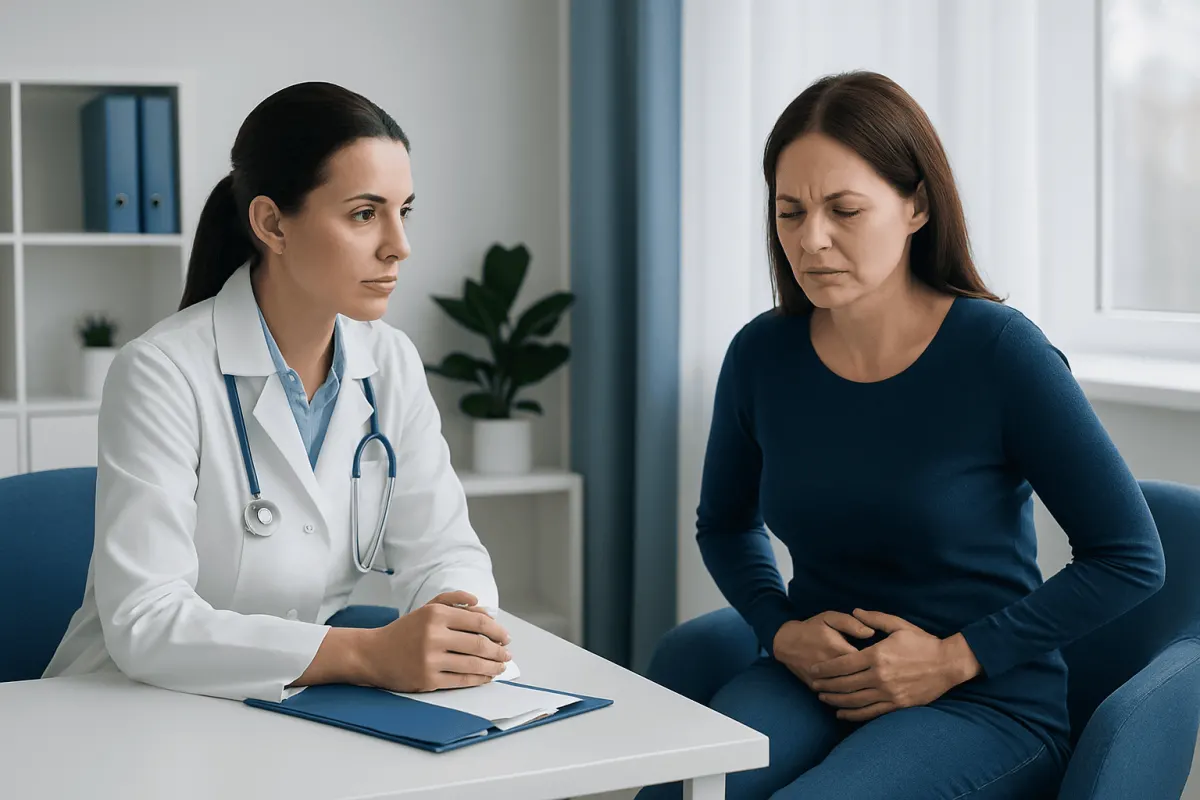
The most common symptom is dull, aching pelvic pain lasting for several months. It may feel like pressure, fullness, heaviness, or a dragging sensation. Pain often becomes more noticeable after prolonged standing, walking, lifting, or sitting, and may worsen toward the end of the day.
Some people notice more discomfort before or during menstruation, during or after sexual intercourse, or after pregnancy. Additional symptoms can include lower back pain, aching around the hips or upper thighs, urinary urgency, and visible varicose veins around the vulva, buttocks, or upper legs.
Symptoms vary widely, and none is specific to PCS. Endometriosis, fibroids, ovarian cysts, bladder disorders, irritable bowel syndrome, pelvic floor muscle pain, and other causes of chronic pelvic pain can feel similar. This is why a diagnosis should be made by a qualified clinician rather than from symptoms or a scan alone.
- Pelvic aching that lasts six months or longer
- Symptoms that worsen with standing or late in the day
- Pain during or after intercourse
- Visible varicose veins in the pelvic, buttock, or upper-thigh area
- Improvement when lying down, in some people
Red flags and when to seek medical care
Anyone with persistent pelvic pain, especially pain that affects sleep, work, movement, sexual well-being, or emotional health, should arrange a medical appointment. A gynecologist, vascular specialist, or clinician experienced in chronic pelvic pain can assess whether PCS is a possible explanation and check for other causes.
Urgent medical care is appropriate for sudden severe pelvic or abdominal pain; heavy or unusual vaginal bleeding; fever with pelvic pain; vomiting that prevents fluids from being kept down; fainting or severe dizziness; or pelvic pain during a known or possible pregnancy. These symptoms are not typical proof of PCS and may need prompt testing for conditions such as ectopic pregnancy, ovarian torsion, infection, or internal bleeding.
Emergency assessment is also important for chest pain, unexplained shortness of breath, coughing blood, or new painful swelling and redness in one leg. These may be signs of a blood clot affecting the leg or lungs. PCS itself is not usually the cause, but these symptoms should never be managed at home without medical advice.
How doctors evaluate pelvic vein-related pain
Diagnosis begins with a detailed discussion of the pain pattern, menstrual and pregnancy history, medicines, previous procedures, and other symptoms. A clinician may perform an abdominal and pelvic examination and may recommend tests to rule out common gynecological, urinary, bowel, or musculoskeletal causes of pain.
Pelvic ultrasound, often with Doppler imaging, is commonly used as an initial test because it can assess pelvic organs and blood flow in veins. Depending on the situation, magnetic resonance imaging (MRI), computed tomography (CT), or specialized venous imaging may provide more detail about enlarged pelvic veins or possible vein compression.
Catheter venography is an invasive imaging test that may be used when a minimally invasive procedure is being considered. It can show blood flow in real time and may allow treatment during the same session in selected patients. The best test depends on symptoms, pregnancy status, prior results, and the need to exclude alternative diagnoses.
A diagnosis is usually based on the combination of typical symptoms, imaging evidence of abnormal pelvic veins, and exclusion of other meaningful causes. This careful approach helps avoid treating an incidental imaging finding that may not be responsible for pain.
Treatment options and daily symptom support
Not everyone with pelvic vein changes needs treatment. If symptoms are mild, a clinician may suggest observation, regular low-impact activity, avoiding long uninterrupted periods of standing where possible, and strategies for managing chronic pain. Pelvic floor physiotherapy or pain-management support may also be useful when muscle tension or other pain mechanisms contribute.
Medicines can help some people manage symptoms. Depending on the individual situation, clinicians may discuss anti-inflammatory pain medicines or hormone-based treatment intended to reduce pelvic venous congestion. Medication choices should be individualized, particularly for people who are pregnant, trying to conceive, breastfeeding, or have a history of clotting problems or hormone-sensitive conditions.
For persistent symptoms clearly linked to abnormal pelvic veins, a specialist may discuss pelvic vein embolization. This minimally invasive procedure blocks selected problematic veins to redirect blood flow through healthier pathways. Surgical options are less commonly used and are considered only in carefully selected circumstances.
Treatment decisions should reflect the person’s symptoms, imaging findings, future pregnancy plans, other medical conditions, and preferences. Relief may be gradual, and continued follow-up can help address symptoms that have more than one cause.
Living with chronic pelvic pain and protecting overall health
Chronic pelvic pain can affect mobility, relationships, sleep, and mood even when the underlying condition is not dangerous. Keeping a symptom diary can be useful before appointments. It may include the location and severity of pain, links with activity or the menstrual cycle, bowel or bladder symptoms, medicines used, and any visible vein changes.
Gentle movement, hydration, regular meals, sleep routines, and pacing activities may support overall well-being. These measures do not correct enlarged veins, but they can help some people cope with discomfort and reduce the impact of pain on everyday life. It is sensible to seek professional advice before starting compression garments, supplements, or hormone-related products.
People should also tell their doctor about new symptoms or changes in established pain. A new pattern may not be caused by PCS, even in someone who has already received that diagnosis. Ongoing communication allows the care plan to be updated safely.
Acıbadem Health Point’s multidisciplinary specialists and JCI-accredited hospitals assess and treat pelvic pain conditions, including pelvic venous disorders, for Myomectomy Recovery for International Patients: The Usual Travel Timeline" class="ahp-ilk">international patients when specialist evaluation is needed.
Frequently asked questions
01Can pelvic congestion syndrome turn into a blood clot?
Pelvic congestion syndrome involves enlarged veins and impaired blood flow, but it is not generally described as a condition that routinely progresses into a dangerous blood clot. Individual clot risk depends on many factors, including pregnancy, recent surgery, immobility, inherited clotting conditions, and certain medicines. New one-sided leg swelling, chest pain, or shortness of breath needs urgent medical assessment.
02Is pelvic congestion syndrome cancer?
No. Pelvic congestion syndrome is a vein condition, not cancer. Because pelvic pain can have many causes, a clinician may still recommend examinations or imaging to rule out other gynecological or abdominal conditions.
03Can pelvic congestion syndrome go away on its own?
Symptoms may fluctuate and can improve for some people, particularly when contributing hormonal or physical factors change. Persistent or worsening pain should be assessed rather than simply tolerated. Treatment is available when symptoms have a significant effect on quality of life.
04How is pelvic congestion syndrome different from varicose veins in the legs?
Both involve veins that have become enlarged because blood flow is not moving efficiently. In PCS, the affected veins are inside the pelvis and may cause pelvic pain rather than visible leg symptoms. Some people have both pelvic and leg varicose veins, but one does not always mean the other is present.
05Can pelvic congestion syndrome affect fertility?
PCS is not established as a direct common cause of infertility. However, pelvic pain can affect sexual comfort and well-being, and other conditions that cause pelvic pain may influence fertility. Anyone trying to conceive who has ongoing pelvic pain should discuss it with a gynecologist.
06What kind of doctor treats pelvic congestion syndrome?
Evaluation may involve a gynecologist, primary care clinician, vascular specialist, or interventional radiologist. Chronic pelvic pain can have several overlapping causes, so coordinated care may be helpful. The appropriate specialist depends on the symptoms, test results, and whether a vein procedure is being considered.
This article is for general information only and is not a substitute for professional medical advice. Please consult a qualified doctor about your individual situation.
Explore treatments in Turkey — costs, top hospitals & a free quote
JCI-accredited · board-certified surgeons · reply within 24h
Add us as a Preferred Source to see more of our trusted health content across Google Search, AI Overviews and Discover.