Poison Ivy in the Eye: Symptoms and Urgent Care
Poison ivy and eye exposure usually affects the eyelids and skin around the eye after the plant oil is transferred by hands, clothing, pets, or outdoor equipment. Prompt rinsing, avoiding rubbing, and medical assessment for significant swelling, pain, discharge, or vision symptoms can help protect the eye and support recovery.
Overview: Can Poison Ivy Affect the Eye?
Poison ivy and eye exposure can happen when urushiol, the oily substance in poison ivy, poison oak, and poison sumac, reaches the eyelids or eye area. This may occur after touching the plant directly, then rubbing the face, or after contact with contaminated gloves, clothing, garden tools, pet fur, or smoke from burning plants. The reaction is an allergic contact dermatitis rather than an infection.
In many cases, the skin of the eyelids and around the eye becomes itchy, red, and swollen. Because eyelid skin is thin and sensitive, swelling can look dramatic even when the reaction is limited to the surrounding skin. Direct irritation of the eye surface is less common but requires careful attention, particularly if there is pain, persistent redness, light sensitivity, discharge, or a change in vision.
A poison ivy reaction can begin within hours or may take one to several days to become fully noticeable. People who have reacted to urushiol before may develop symptoms more quickly. Although the rash is uncomfortable, appropriate cleansing and medical care when needed generally lead to recovery.
What Symptoms May Occur?
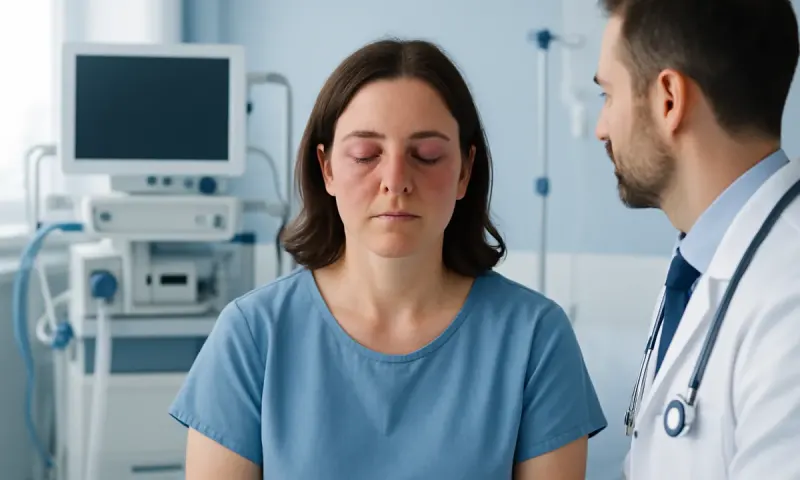
Symptoms near the eye can range from mild itching to pronounced eyelid swelling. A person may notice redness, a burning or itchy sensation, watery eyes, small bumps, or fluid-filled blisters on the eyelids or nearby facial skin. The skin may later become dry, crusted, or flaky as it heals.
Swelling may affect one or both eyelids, depending on where urushiol was transferred. In some cases, the eyelid can swell enough to make opening the eye difficult. This does not automatically mean the eyeball is injured, but it is sensible to arrange timely medical assessment if swelling is substantial or prevents normal eye opening.
Symptoms that are more concerning for involvement of the eye surface or another eye condition include significant eye pain, ongoing foreign-body sensation, marked sensitivity to light, blurred or reduced vision, pus-like discharge, or redness concentrated in the white part of the eye. These symptoms should not be assumed to be a simple skin reaction and need prompt evaluation by a qualified clinician.
- Itching, redness, or rash on the eyelids or around the eye
- Puffy eyelids or facial swelling
- Tearing or mild eye irritation
- Blisters, oozing, or crusting on nearby skin
- More urgent signs: vision changes, severe pain, light sensitivity, or inability to open the eye
How Exposure Happens and Why the Rash Can Seem to Spread
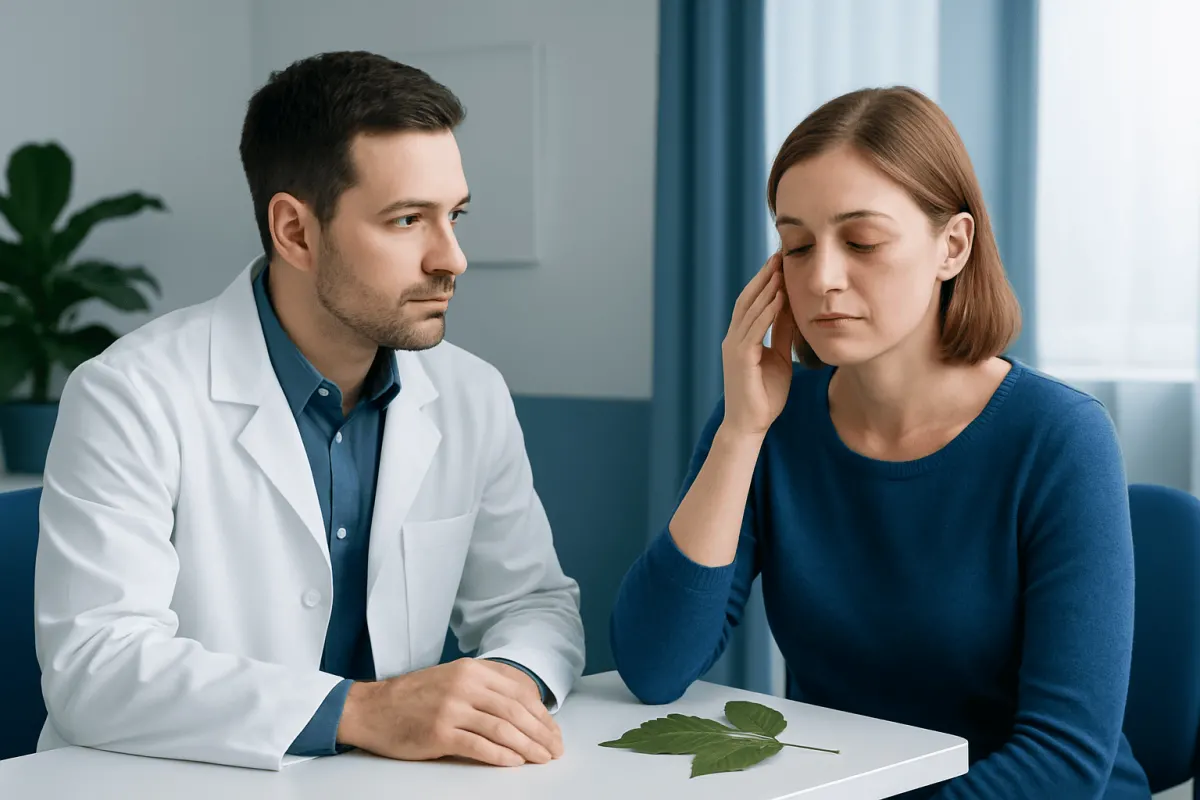
Urushiol is present in the leaves, stems, and roots of poison ivy. It can be transferred easily before it is washed away. Contact is not limited to hiking or gardening: contaminated shoes, sports equipment, camping items, and pet fur can carry the oil indoors. The oil may also remain active on objects for a long time if they are not properly cleaned.
A rash may appear in different places at different times, which can make it seem as though it is spreading from the eye or face to other parts of the body. Usually, this pattern reflects differences in the amount of exposure, skin thickness, and the timing of the immune response. It can also mean that urushiol remained under fingernails or on an unwashed item and was transferred again.
The fluid inside poison ivy blisters does not contain urushiol and does not spread the rash. However, scratching can break the skin and increase the risk of a secondary bacterial infection. Keeping fingernails short, avoiding rubbing of the eyes, and washing hands carefully are particularly important when a rash is close to the face.
Immediate First Aid After Possible Eye Exposure
If poison ivy is suspected near the eye, the first priority is gentle rinsing. The person should wash their hands first if possible, then flush the affected eye with clean lukewarm water or sterile saline for several minutes. They should avoid forceful rubbing, as rubbing may further irritate the eye and move any remaining oil across the eyelid skin.
The face, eyelids, hands, and any exposed skin should be washed gently with soap and water. Contact lenses should be removed before rinsing if they can be taken out easily; they should not be worn again until the eye is comfortable and a clinician has advised that it is safe. Makeup, eye creams, and other products applied after the exposure should be set aside until the area has healed.
Cool, clean compresses over closed eyelids can help reduce itching and puffiness. A clean cloth should be used each time, and ice should not be placed directly on the skin. Clothing, towels, bedding, tools, and pet-related items that may have contacted the plant should also be cleaned to reduce the chance of repeated exposure.
It is best not to place over-the-counter redness-relief drops, numbing drops, herbal preparations, or steroid creams in or close to the eye unless a clinician specifically recommends them. Some products can worsen irritation, mask a more serious problem, or be unsafe for use on the delicate eyelid area.
How Clinicians Diagnose and Treat Poison Ivy Near the Eye
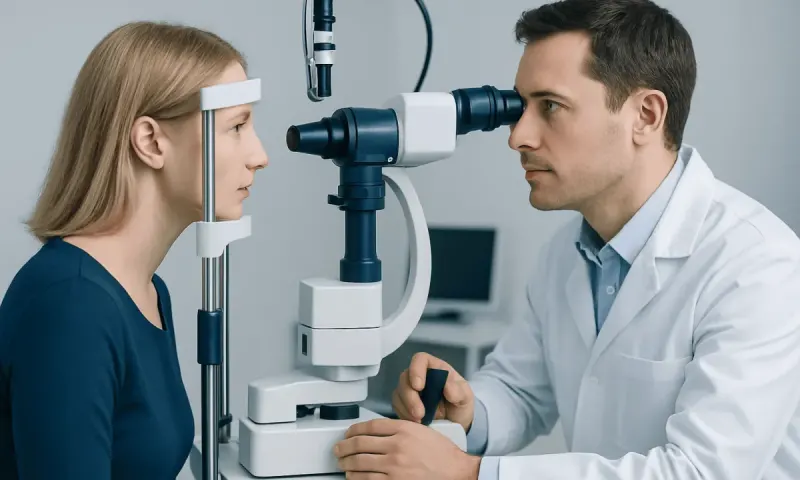
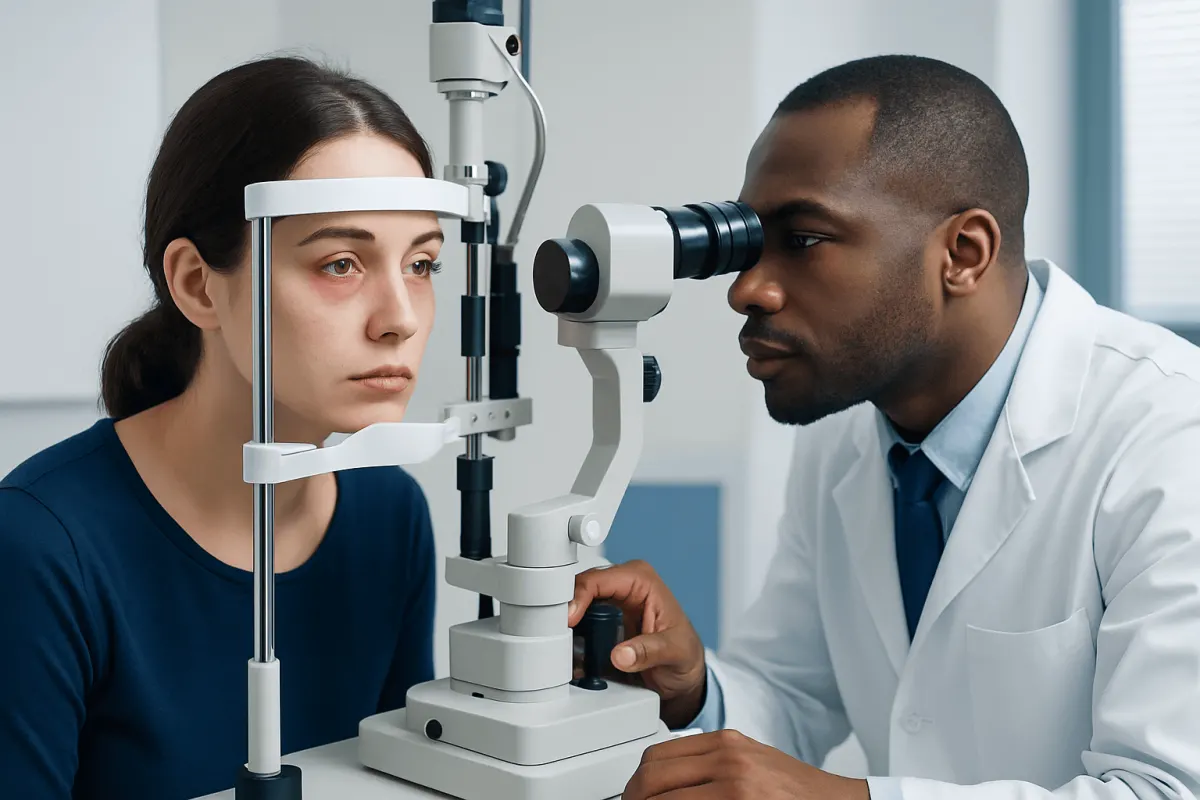
Diagnosis is usually based on the pattern of symptoms, recent outdoor activity, and possible contact with poison ivy or contaminated items. A clinician will examine the eyelid skin and may check vision, eye movements, pupil responses, and the surface of the eye. This helps distinguish allergic contact dermatitis from conditions such as infection, conjunctivitis, styes, or other causes of eyelid swelling.
Mild reactions may be managed with cool compresses, skin-protective measures, and clinician-guided treatment for itch or inflammation. Depending on the severity and location of the rash, a doctor may recommend an oral antihistamine for itching or prescribe anti-inflammatory treatment. Steroid treatment can be helpful in selected cases, but the type, strength, and duration should be decided by a clinician when the eyelid or eye area is involved.
If there are signs that the eye surface is inflamed or injured, an eye specialist may examine the cornea and conjunctiva more closely. Antibiotics are not routinely needed for poison ivy itself because the rash is not bacterial. They may be considered only when a clinician identifies a secondary skin or eye infection.
People with extensive facial swelling, severe dermatitis, pre-existing eye disease, or uncertainty about the cause of symptoms may benefit from assessment by dermatology or ophthalmology specialists. Acıbadem Health Point’s multidisciplinary specialists and JCI-accredited hospitals can evaluate eye and skin concerns for international patients when coordinated care is needed.
When to Seek Medical Care
Medical advice should be sought promptly when a poison ivy rash is on or very close to the eye, especially if swelling is progressing. Early assessment is useful because treatments that are appropriate for the arm or leg may not be suitable for the thin skin of the eyelids or for the eye itself.
Urgent same-day medical care is appropriate for blurred vision, reduced vision, severe eye pain, intense light sensitivity, a sensation that something is stuck in the eye, thick discharge, fever, or spreading redness and warmth around the eyelid. These symptoms may indicate significant eye irritation, an infection, or another condition that needs treatment.
Emergency care is needed if facial or throat swelling is accompanied by trouble breathing, wheezing, faintness, or difficulty swallowing. While this is uncommon with typical poison ivy skin exposure, these symptoms can signal a serious allergic reaction and should be treated as an emergency.
- Seek prompt care for rash or swelling involving the eyelids.
- Seek urgent care for pain, vision changes, light sensitivity, or discharge.
- Seek emergency help for breathing difficulty or swelling of the mouth or throat.
- Contact a clinician if symptoms worsen, do not improve, or appear infected.
Prevention and Safe Self-Care During Recovery
Preventing poison ivy and eye exposure begins with learning to recognize poison ivy in the local area and avoiding contact with unfamiliar plants. Long sleeves, long trousers, gloves, and closed shoes can reduce skin exposure during outdoor work. Gloves should be removed carefully and washed, as urushiol can remain on their outer surface.
After possible exposure, washing skin promptly with soap and water may reduce the amount of oil that remains. Outdoor clothing should be washed separately, and shoes, tools, and other durable items should be cleaned according to their material and manufacturer guidance. Pets do not usually develop the same rash, but urushiol can stay on their fur and be transferred to people, so washing a pet may be appropriate after known exposure.
During healing, the person should avoid scratching and should not pop blisters. Cool compresses and gentle cleansing may provide comfort. They should use only medications or creams recommended by a pharmacist or clinician for the facial and eye area, and should follow up if the rash becomes increasingly painful, hot, crusted, or associated with fever.
Most poison ivy reactions improve gradually over time, although redness and itching may persist for days to weeks depending on severity. Protecting the skin from further irritation, avoiding repeat contact with urushiol, and getting medical guidance for eye-area symptoms are the safest ways to support recovery.
Frequently asked questions
01Can poison ivy get into the eye?
Yes. Urushiol can reach the eye area after direct contact with the plant or after it is transferred from hands, clothing, pets, or equipment. It commonly affects the eyelids and surrounding skin, but eye-surface irritation can also occur and should be assessed if there is pain or a vision change.
02What should someone do if they rub poison ivy into their eye?
They should rinse the eye gently with clean lukewarm water or sterile saline and wash their hands and surrounding skin. They should avoid rubbing, remove contact lenses if possible, and seek medical advice promptly if symptoms persist or the eye is painful, very red, or affecting vision.
03How long does poison ivy swelling around the eye last?
The duration varies with the amount of exposure and the person's sensitivity to urushiol. Mild swelling may begin to settle over several days, while a more substantial reaction can take longer to resolve. A clinician should assess worsening swelling or swelling that makes it difficult to open the eye.
04Is poison ivy around the eye contagious?
The rash itself is not contagious, and blister fluid does not spread it. However, urushiol can remain on skin, clothing, tools, and pet fur, allowing new exposure until those items are washed or cleaned.
05Can steroid cream be used on poison ivy near the eye?
Steroid creams should not be applied near the eye without medical guidance. The eyelid area is sensitive, and some medications can cause problems if they enter the eye or are used incorrectly. A clinician can recommend the safest treatment based on the location and severity of the reaction.
06Does poison ivy near the eye require an eye doctor?
Not every mild eyelid rash requires specialist care, but a doctor should be contacted when poison ivy is close to the eye. An ophthalmologist or other eye-care professional is particularly important if there is eye pain, light sensitivity, discharge, reduced vision, or concern that the eye surface is involved.
This article is for general information only and is not a substitute for professional medical advice. Please consult a qualified doctor about your individual situation.
Explore treatments in Turkey — costs, top hospitals & a free quote
JCI-accredited · board-certified surgeons · reply within 24h
Add us as a Preferred Source to see more of our trusted health content across Google Search, AI Overviews and Discover.