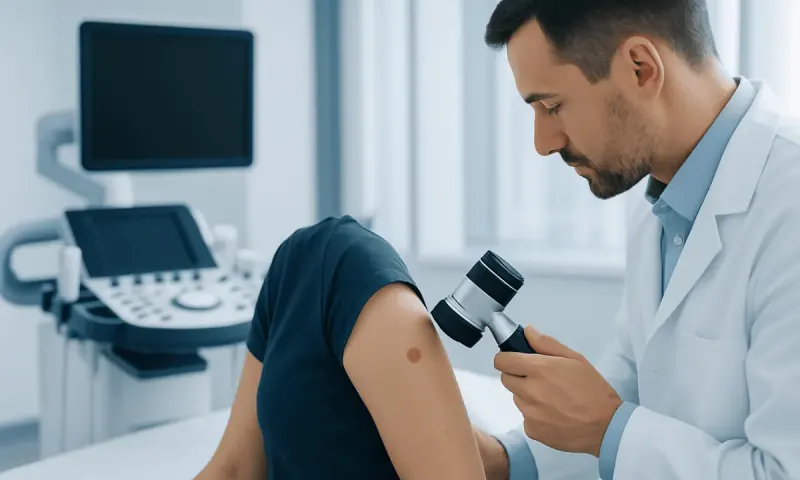
Plantar Callus: Relieving Pressure and Thickened Skin
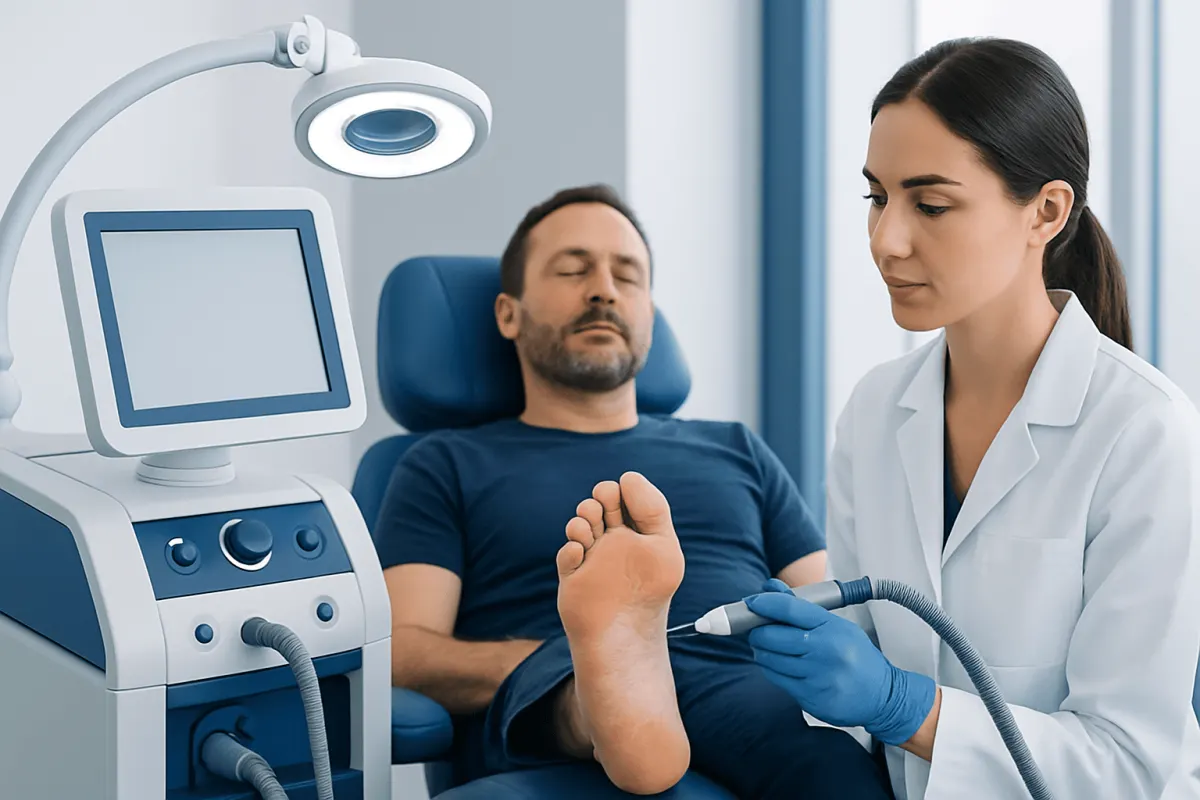
A plantar callus is an area of hardened, thickened skin on the bottom of the foot that develops in response to repeated pressure or friction. It is usually harmless, but persistent pain, skin breakdown, diabetes, or poor circulation should be assessed by a qualified healthcare professional.
What Is a Plantar Callus?
A plantar callus is a broad patch of thick, hardened skin that forms on the sole of the foot. It develops when repeated pressure or rubbing causes the outermost skin layer to build up. In many cases, a plantar callus can be managed by reducing the pressure that caused it, wearing appropriate footwear, and using gentle skin care.
Calluses most often occur beneath the ball of the foot, around the heel, or under the big toe and other toes. They may look yellowish, gray, or slightly opaque and can feel rough or firm. A callus is commonly painless at first, although a very thick area may create a sensation of walking on a pebble or cause discomfort during standing and walking.
Calluses are not contagious and are not caused by poor hygiene. They are a normal protective response by the skin. However, recurrent calluses can sometimes point to an underlying issue with footwear, foot shape, walking mechanics, or a medical condition that affects sensation or circulation.
How a Plantar Callus Differs From Corns and Warts
Although these conditions can appear similar, a plantar callus is not the same as a corn or a plantar wart. A callus is usually spread over a wider area and forms directly over a pressure-bearing part of the foot. Skin lines generally continue across its surface, and there are usually no small black dots within it.
A corn is more focused and has a firm central core. Corns frequently develop on or between the toes, where shoes rub against bony areas, but they may also occur on the sole. Because pressure is concentrated at the center, corns can be particularly tender when direct force is applied.
Plantar warts are caused by certain strains of human papillomavirus. They may interrupt normal skin lines and can contain tiny dark dots caused by small clotted blood vessels. A wart may hurt more when the skin is squeezed from the sides, while a callus is commonly more uncomfortable with direct downward pressure. A clinician or podiatry professional can clarify the diagnosis when the appearance is uncertain.
Why Plantar Calluses Form
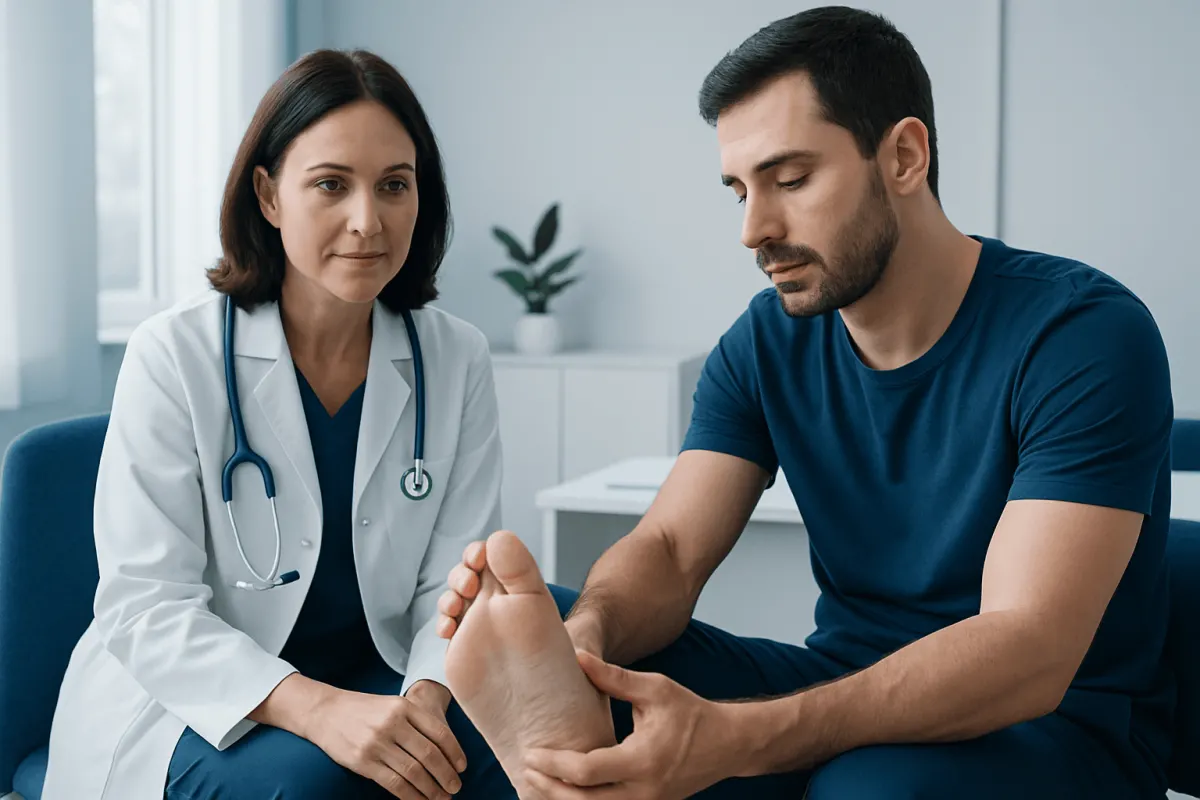
The main cause of a plantar callus is repeated mechanical stress. Shoes that are too tight, too loose, narrow in the toe area, or lacking adequate cushioning can increase friction and pressure. High heels, thin-soled shoes, and footwear that does not match a person’s activity level may also place excess force on specific areas of the sole.
Foot structure and movement patterns can change how body weight is distributed with each step. Examples include high arches, flat feet, prominent bones, toe deformities, bunions, reduced ankle movement, or an altered gait after injury. Long periods of walking, running, standing at work, or participating in impact sports can make calluses more likely, especially when footwear is worn out.
Some health conditions increase the importance of foot assessment. Diabetes can reduce protective sensation and affect blood flow, meaning a person may not notice minor pressure injuries. Peripheral neuropathy, circulation disorders, inflammatory joint disease, and prior foot surgery can also affect skin pressure and healing. A callus itself does not necessarily indicate one of these conditions, but recurrent or rapidly worsening changes should be discussed with a clinician.
- Repeated pressure beneath the forefoot or heel
- Ill-fitting, poorly cushioned, or worn footwear
- Long periods of standing, walking, running, or dancing
- Foot shape differences or gait changes
- Loss of sensation or reduced circulation in the feet
Symptoms and Signs to Notice
A plantar callus usually begins as an area of dry, thickened skin. It may feel rougher than surrounding skin and become increasingly firm over time. The affected area may be discolored, sometimes appearing pale yellow, tan, or gray. The skin can occasionally crack, particularly around the heel, where dryness and pressure combine.
Discomfort varies. Some calluses cause no symptoms, while others produce tenderness, burning, or aching when weight is placed on the affected area. A deep callus under the ball of the foot can alter the way a person walks, which may eventually place strain on the ankle, knee, hip, or opposite foot.
It is important to look beyond the thickness of the skin. Redness, swelling, warmth, bleeding, drainage, a foul odor, or an open area are not typical features of an uncomplicated callus. These signs may indicate irritation, an ulcer, or infection and require professional evaluation, especially in people with diabetes or reduced foot sensation.
Assessment and Diagnosis
Healthcare professionals can often diagnose a plantar callus by examining the foot and asking about symptoms, footwear, daily activities, and medical history. They may assess where pressure occurs while standing or walking and look for changes in foot alignment, toe position, or shoe wear patterns. This helps identify why the callus developed and how recurrence may be reduced.
During an assessment, the clinician may gently reduce part of the thickened skin to determine whether there is a central corn, a wart, a foreign body, a wound, or another skin condition beneath it. This should be done with appropriate sterile instruments when indicated, rather than by attempting deep trimming at home.
Further testing is not usually necessary for a simple callus. However, assessment of sensation, pulses, circulation, or blood glucose may be appropriate when there are concerns about diabetes, neuropathy, or vascular disease. Imaging may occasionally be considered if a bone prominence, fracture, or structural foot problem is suspected.
Treatment Options and Safe Foot Care
Effective treatment focuses on both reducing the thick skin and removing the pressure that caused it. A clinician, podiatrist, or trained foot-care professional may carefully pare down a painful callus. This can provide relief, but the callus may return if shoe fit, activity demands, or foot mechanics are not addressed.
At home, people without diabetes, neuropathy, poor circulation, or open skin may soften a callus by soaking the foot briefly in warm water and gently using a pumice stone or foot file. This should be done gradually, without causing pain, bleeding, or raw skin. Applying a plain moisturizing cream regularly can reduce dryness and help prevent cracking; products containing urea may be recommended by a healthcare professional for some people.
Footwear changes are often central to treatment. Shoes should have enough room in the toe box, a secure heel, cushioning, and a sole suitable for the person’s activities. Cushioned socks, non-medicated padding, shoe inserts, or custom orthotics may help redistribute pressure. A clinician can advise whether an insole or orthotic is suitable for an individual foot shape and walking pattern.
Products containing salicylic acid may soften callused skin, but they can also injure healthy skin if used incorrectly. They should generally be avoided by people with diabetes, poor circulation, neuropathy, fragile skin, or uncertain lesions. Sharp blades, razors, and cutting devices should not be used for self-removal, as even a small injury can lead to complications.
Prevention and When to Seek Medical Care
Prevention is most successful when pressure is addressed early. Shoes should be replaced when their soles or cushioning become worn, and activity footwear should fit the intended exercise. Feet should be washed and dried daily, including between the toes, then checked for new thickened areas, cracks, blisters, or color changes. Moisturizer can be applied to dry soles and heels, but not between the toes, where excess moisture can irritate the skin.
People who stand or walk for long periods may benefit from alternating shoes, using supportive inserts when appropriate, and taking short breaks when possible. Gradually increasing new exercise routines can allow the skin and feet to adapt. If a callus repeatedly develops in the same location despite appropriate shoes, professional assessment can identify whether a gait issue or foot deformity is contributing.
Medical care should be sought promptly for a callus that becomes very painful, bleeds, cracks deeply, changes quickly, or is associated with redness, swelling, warmth, drainage, or fever. Anyone with diabetes, reduced sensation, peripheral artery disease, poor circulation, or a previous foot ulcer should arrange professional foot care rather than attempting self-treatment. Acıbadem Health Point’s multidisciplinary specialists and JCI-accredited hospitals can assess foot concerns and related health conditions for international patients.
Frequently asked questions
01Can a plantar callus go away on its own?
A plantar callus may gradually improve when the repeated pressure or friction causing it is removed. However, thickened skin often persists or returns if footwear, activity patterns, or foot mechanics continue to place stress on the same area. Gentle care and pressure redistribution can support improvement.
02Is it safe to cut off a callus at home?
Cutting a callus with a razor, blade, or sharp tool is not recommended because it can cause bleeding, infection, and deeper injury. This risk is particularly important for people with diabetes, reduced sensation, poor circulation, or fragile skin. Professional trimming is safer when a callus is painful or very thick.
03Why does my plantar callus hurt when I walk?
A thick callus can create concentrated pressure against the tissues beneath it during walking. The discomfort may also mean there is a corn, a wart, a crack in the skin, or an underlying pressure problem. Persistent pain should be assessed so that the cause can be identified.
04Can moisturizing cream prevent foot calluses?
Moisturizing can improve skin flexibility and help prevent dryness and cracking, especially on the heels. It does not fully prevent calluses because pressure and friction are the main causes. Appropriate shoes and pressure-relieving support are usually more important for prevention.
05Should people with diabetes treat a plantar callus themselves?
People with diabetes should avoid self-cutting calluses and should not use medicated callus-removal products unless advised by their healthcare professional. Diabetes may reduce sensation and impair healing, so a small injury can go unnoticed or become serious. Regular foot checks and professional assessment are important.
06How can I tell if it is a plantar wart instead of a callus?
A plantar wart may interrupt normal skin lines and may show tiny dark dots, while a callus usually has skin lines running across it. Warts can also be more painful when squeezed from the sides. Because the two can overlap in appearance, a clinician can provide a reliable diagnosis if there is doubt.
This article is for general information only and is not a substitute for professional medical advice. Please consult a qualified doctor about your individual situation.
Explore treatments in Turkey — costs, top hospitals & a free quote
JCI-accredited · board-certified surgeons · reply within 24h
Add us as a Preferred Source to see more of our trusted health content across Google Search, AI Overviews and Discover.