Pimples on the Knee: Causes and When to Seek Care
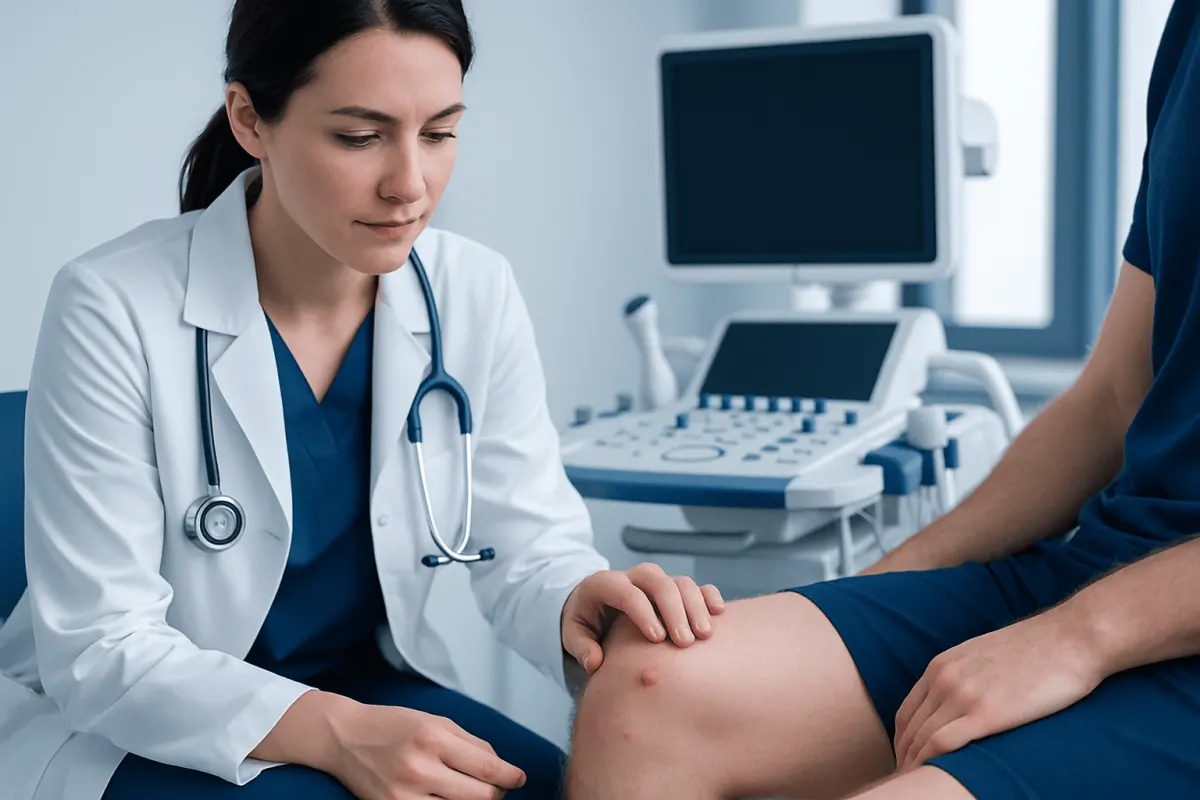
Pimples in knee are most often harmless skin bumps caused by blocked pores, irritated hair follicles, sweating, friction, or shaving. However, a painful, enlarging, warm, draining, or persistent bump may be an infection or another skin condition and should be assessed by a healthcare professional.
Overview: What Do Pimples in Knee Mean?
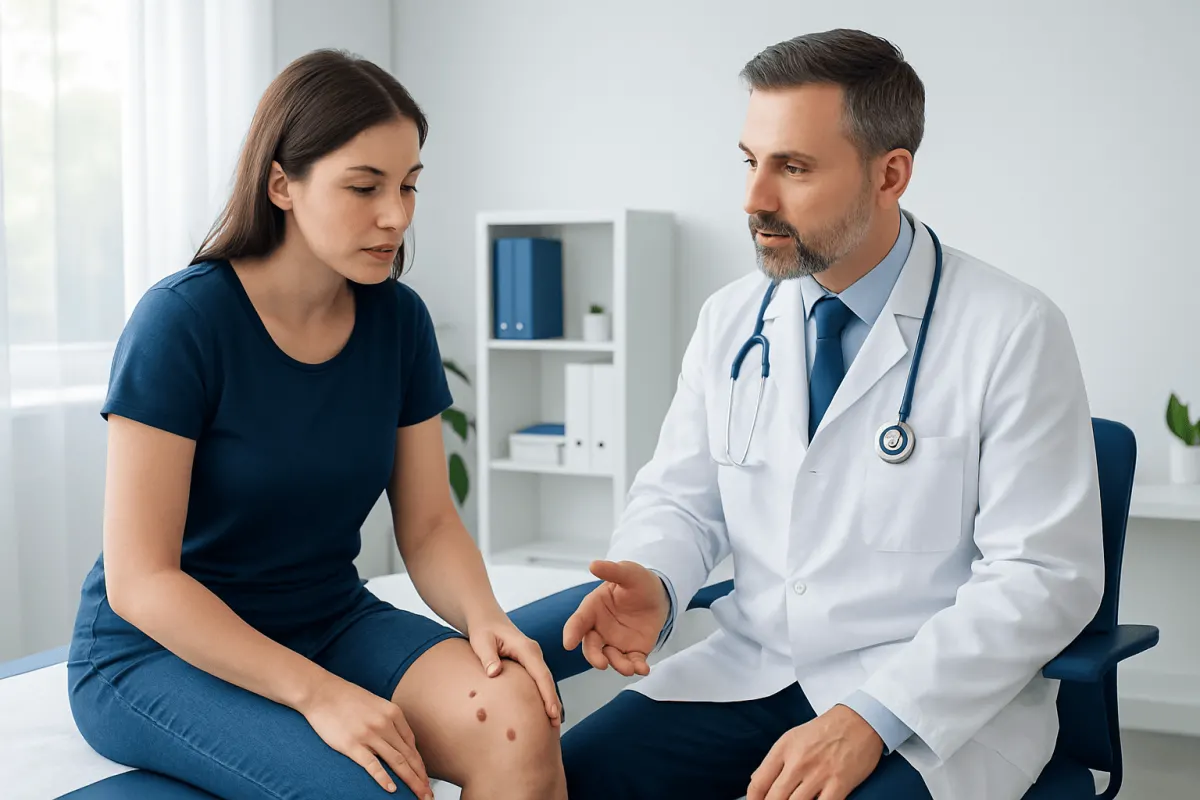
Pimples in knee usually refer to small raised bumps on the skin over, around, or behind the knee. In many cases, they develop when a pore or hair follicle becomes blocked or inflamed. They may look like whiteheads, red bumps, pustules containing a small amount of pus, or tender spots around a hair. Although people often call any bump a pimple, several different skin conditions can create a similar appearance.
A bump on the knee is generally separate from the knee joint. A simple skin pimple should not cause deep joint pain, marked swelling of the entire knee, or a major loss of movement. If swelling seems to come from beneath the skin, the knee feels hot, or walking and bending become difficult, the cause may be more than a superficial pimple and medical assessment is important.
The location can offer useful clues. The front of the knee is exposed to pressure from kneeling, tight clothing, sports pads, and friction. The area behind the knee may become sweaty or irritated by fabric. A clinician can distinguish an ordinary inflamed follicle from conditions such as a boil, dermatitis, insect bite, cyst, or inflammation of the fluid-filled sac in front of the kneecap.
How the Bumps May Look and Feel
Common pimples and inflamed hair follicles often begin as small red, pink, or skin-colored bumps. They can itch, sting, or feel mildly sore when touched. Some develop a visible white or yellow center. A cluster of tiny pustules around hairs is more suggestive of folliculitis, while blackheads and whiteheads may suggest acne-related blocked pores.
Some features are less typical of a simple pimple. A larger, deeper, increasingly painful lump may be a boil or skin abscess. A firm lump that remains for weeks without a visible head could be a cyst or another benign skin growth. A rough, persistent bump may occasionally be a wart, while an intensely itchy rash with blisters could reflect contact with an irritant or allergen.
It is helpful to notice whether the bump is isolated or recurring, whether it follows shaving or exercise, and whether there are lesions elsewhere on the body. Photos taken over several days can sometimes help a clinician see changes in size or color. However, a person should not repeatedly press, puncture, or attempt to drain the area to determine what it contains.
- Small, mildly tender red bump: often a blocked pore or irritated follicle.
- Multiple itchy bumps after sweating: may be folliculitis or heat-related irritation.
- Deep, painful lump with pus: may be a boil or abscess.
- Widespread redness, warmth, and swelling: can indicate a spreading skin infection.
Why Pimples Develop Around the Knee
Hair follicles can become inflamed when sweat, oil, dead skin cells, bacteria, or friction block their opening. This is especially common after exercise, prolonged kneeling, or wearing non-breathable clothing. Tight leggings, work trousers, knee pads, braces, or athletic gear can trap heat and moisture against the skin and rub the same area repeatedly.
Shaving, waxing, or other hair-removal methods can irritate the skin and lead to ingrown hairs. An ingrown hair occurs when a growing hair curls back into the skin, producing a pimple-like bump that may be tender or itchy. Picking at hairs or shaving too closely can make this more likely.
Folliculitis is inflammation of a hair follicle. It can occur from mechanical irritation, but sometimes bacteria, yeast, or other microorganisms contribute. Acne can also affect areas beyond the face, particularly where sweat and occlusion are present. Some people are more prone to repeated skin inflammation because of naturally oily skin, eczema, diabetes, a weakened immune system, or medicines that affect immune function.
Not all knee bumps are pimples. Contact dermatitis can occur after exposure to a new detergent, fabric, topical product, adhesive, or sports equipment. A clinician may also consider insect bites, fungal infection, cysts, or other skin disorders when the appearance, symptoms, or duration do not fit a routine pimple.
Safe Self-Care for a Mild Knee Pimple
For a small, uncomplicated bump, gentle skin care is usually appropriate. The area can be washed once daily and after sweating with lukewarm water and a mild, fragrance-free cleanser, then patted dry. Keeping the skin clean is useful, but vigorous scrubbing, exfoliating tools, and harsh antiseptics may irritate the skin further.
A warm, clean compress applied for a short period may ease soreness and encourage natural drainage if a small pustule is present. Loose, breathable clothing can reduce rubbing, and clean clothing should be changed after exercise. If knee pads, braces, or sports equipment are used, they should be cleaned regularly and allowed to dry fully between uses.
A person should avoid squeezing, scratching, cutting, or using a needle to pop the bump. These actions can push inflammation deeper, introduce bacteria, spread infection, and increase the likelihood of a dark mark or scar. Shaving over an active lesion is also best avoided until the skin has healed.
Over-the-counter acne or antiseptic products may help some people, but they can cause dryness or irritation and are not suitable for every rash. A pharmacist or clinician can advise on appropriate options, particularly for children, during pregnancy, or for people with sensitive skin, eczema, or a history of allergic reactions.
How a Doctor Identifies the Cause
Diagnosis often begins with a medical history and examination of the skin. A clinician may ask when the bumps started, whether they itch or hurt, whether there has been shaving, new clothing, recent exercise, hot-tub exposure, or contact with an irritant. They may also ask about fever, drainage, prior skin infections, diabetes, immune conditions, and medications.
Most simple pimples, folliculitis, and minor irritation can be recognized by their appearance and do not require tests. If a lesion is draining, recurrent, severe, or not improving, a clinician may collect a sample to identify a possible infection. Tests may also be considered when a fungal condition, allergic skin reaction, or another diagnosis is suspected.
Assessment is particularly important when the knee itself is swollen or movement is limited. Pain and swelling over the kneecap can sometimes involve the prepatellar bursa, a small fluid-filled cushion that can become irritated or infected. This has different management from a surface pimple and should not be treated by trying to pop or drain the area at home.
Medical Treatment Options
Treatment depends on the underlying cause. Mild irritation or uncomplicated folliculitis may improve with reduced friction, careful hygiene, and time. If a clinician suspects a bacterial infection, they may recommend a topical treatment or, in selected cases, an oral medicine. The choice is based on the size, depth, severity, location, recurrence pattern, and individual health history.
A larger abscess may need drainage by a qualified healthcare professional. This is a medical procedure performed using sterile technique; attempting it at home can lead to worsening infection. When a rash is caused by allergy or irritation, identifying and avoiding the trigger is central to treatment, and a clinician may recommend a suitable anti-inflammatory skin treatment.
Recurring bumps may call for a broader review of skin-care products, hair-removal practices, athletic gear, underlying acne, and health factors that affect infection risk. If diabetes or another medical condition is not well controlled, improving overall management can support skin healing. Persistent lesions should be reviewed rather than repeatedly treated as ordinary acne.
Acıbadem Health Point’s multidisciplinary specialists and JCI-accredited hospitals can evaluate skin and knee-area concerns for international patients when further assessment or treatment is needed.
When to Seek Medical Care
Medical care should be sought promptly if a bump becomes rapidly larger, increasingly painful, hot, or very red; if redness spreads beyond the original area; or if there is substantial pus or drainage. Fever, chills, feeling unwell, or red streaks extending from the area can be signs of a more significant infection and need urgent medical attention.
A person should also arrange an appointment if the knee joint is very swollen, cannot be bent normally, cannot bear weight comfortably, or seems painful deep inside rather than only at the skin surface. These symptoms are not typical of a simple pimple. They are especially important after an injury, puncture wound, or prolonged kneeling.
Non-urgent medical review is appropriate for any bump that lasts more than a few weeks, keeps returning, leaves scars, changes in color or shape, or does not improve with gentle care. People with diabetes, poor circulation, immune suppression, or a history of repeated skin infections should seek advice earlier because skin infections can become more complicated in these situations.
Frequently asked questions
01Is a pimple on the knee normal?
A single small pimple on the knee is commonly caused by a blocked pore, sweat, friction, or an irritated hair follicle. It is usually not serious if it remains small and improves within days. A painful, enlarging, or recurring bump should be assessed by a healthcare professional.
02Can kneeling cause pimples in knee?
Yes. Repeated kneeling can create pressure and friction while trapping sweat beneath clothing or knee pads. This can irritate hair follicles and contribute to pimple-like bumps. Using clean protective padding and taking breaks from prolonged kneeling may help.
03Should a person pop a pimple on the knee?
No. Squeezing or puncturing a pimple can increase inflammation, introduce bacteria, and lead to infection or scarring. Gentle cleansing and a warm compress are safer first steps. A painful lump with significant pus should be evaluated rather than drained at home.
04Why do knee pimples itch after exercise?
Sweat, heat, and friction from clothing or sports equipment can irritate the skin and hair follicles, causing itching and small bumps. Remaining in damp clothing after exercise can worsen this effect. Showering after activity and changing into clean, loose clothing may reduce irritation.
05Could pimples in knee be folliculitis?
They can be. Folliculitis often appears as small red or pus-filled bumps centered on hair follicles and may itch or feel tender. It can develop after shaving, sweating, rubbing, or bacterial exposure. A clinician can confirm the diagnosis if lesions are persistent, widespread, or painful.
06When is a knee bump an emergency?
Urgent medical attention is needed for rapidly spreading redness, severe pain, fever, chills, red streaks, or a rapidly enlarging swollen area. Immediate assessment is also important if the knee is very swollen, difficult to move, or unable to bear weight. These findings may indicate a condition more serious than a surface pimple.
This article is for general information only and is not a substitute for professional medical advice. Please consult a qualified doctor about your individual situation.
Hair transplant in Turkey — costs, graft counts & a free assessment
JCI-accredited · board-certified surgeons · reply within 24h
Add us as a Preferred Source to see more of our trusted health content across Google Search, AI Overviews and Discover.