Natural Treatment for Actinic Keratosis: Is It Safe?
Natural treatment for actinic keratosis may support sun protection and skin comfort, but it cannot reliably remove or reverse these sun-damaged, potentially precancerous skin lesions. A dermatologist should examine persistent rough, scaly patches and recommend treatment based on their number, location and appearance.
Natural treatment for actinic keratosis: what it can and cannot do
Natural treatment for actinic keratosis is often sought by people who notice rough, dry or scaly areas after years of sun exposure. While gentle skin care and careful sun protection are useful, natural remedies have not been shown to reliably remove actinic keratoses or confirm that a lesion is harmless. Because these lesions can sometimes develop into squamous cell skin cancer, a professional skin examination is the safest first step.
Actinic keratosis is caused by cumulative ultraviolet (UV) damage to skin cells. It commonly appears on sun-exposed areas such as the face, ears, scalp, neck, forearms and backs of the hands. A dermatologist may treat a single lesion directly or treat a broader area of sun-damaged skin, depending on the findings.
Home care can complement—not replace—medical treatment. This includes avoiding tanning beds, using broad-spectrum sunscreen, wearing protective clothing and reporting lesions that persist, change or bleed. Some skin changes can resemble actinic keratosis, so diagnosis should not be based on appearance alone.
What actinic keratosis looks and feels like
Actinic keratoses often feel easier to detect than to see. They may feel like sandpaper, with a rough, scaly or crusted surface. Their color can vary from skin-colored or pink to red, brown or gray, and they may become more noticeable in dry weather.
Many lesions are painless, although some itch, sting, feel tender or become irritated by clothing, shaving or washing. They can occur as one isolated spot or as multiple patches across an area of chronically sun-exposed skin, sometimes called field cancerization.
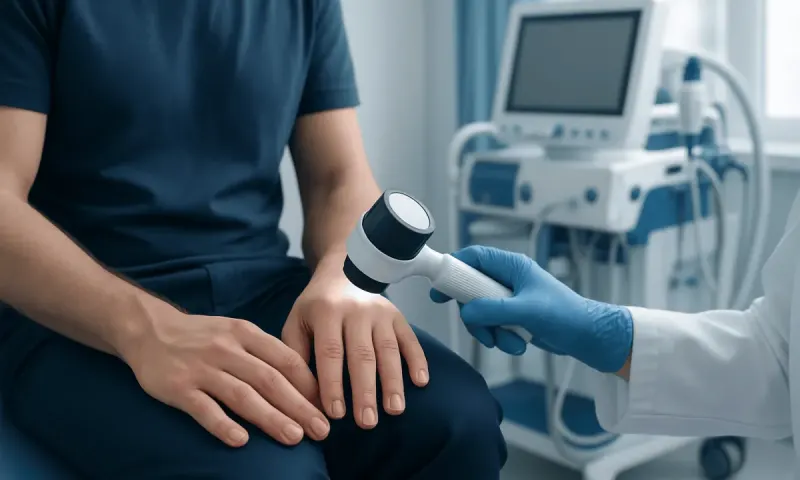
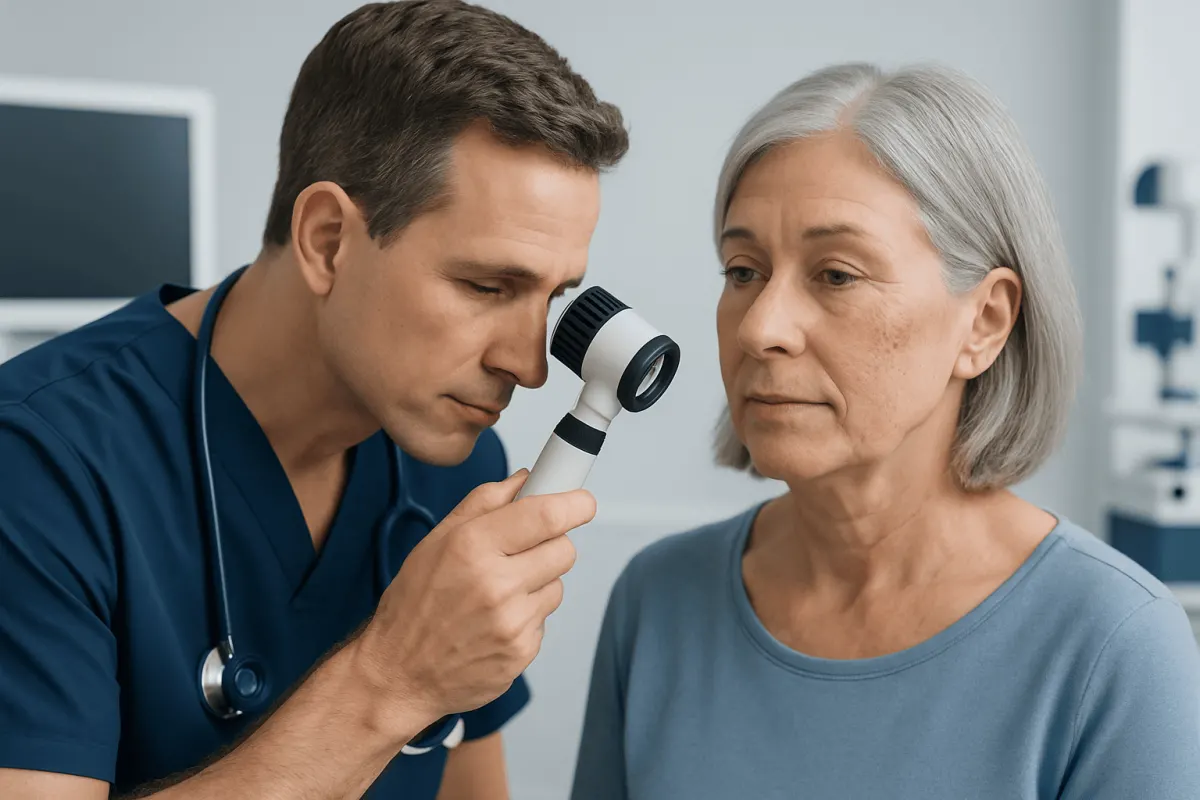
Not every scaly spot is actinic keratosis. Eczema, psoriasis, warts, superficial infections and skin cancers can have overlapping features. A clinician may examine the skin with magnification and, if there is uncertainty or concern, take a small biopsy for laboratory assessment.
People who have had substantial lifetime sun exposure, lighter skin that burns easily, a weakened immune system, or a personal history of skin cancer may be more likely to develop these lesions. Regular follow-up is particularly important for people taking immune-suppressing medicines after an organ transplant.
Can actinic keratosis be reversed naturally?

Actinic keratosis cannot be reliably reversed naturally. Sun avoidance and daily UV protection can reduce additional damage and may help prevent new lesions, but they do not consistently eliminate established actinic keratoses. A lesion may sometimes become less visible temporarily, yet this does not prove it has resolved at a cellular level.
There is no strong clinical evidence that supplements, essential oils, vinegar, herbal preparations or homemade topical products clear actinic keratosis. Some products can irritate or burn the skin, delay diagnosis, and make it harder for a clinician to assess the original lesion.
A clinician may recommend observation in selected circumstances, but this decision should follow an examination. If treatment is advised, evidence-based options can remove lesions and address areas of sun-damaged skin. Ongoing prevention remains essential because new actinic keratoses may develop over time.
For day-to-day care, people can use a fragrance-free moisturizer if the skin is dry, avoid picking crusts, and protect exposed skin from the sun. These steps support the skin barrier but should not be viewed as a substitute for dermatologic evaluation.
Medical procedures and topical treatment options
The best treatment depends on the lesion’s location, thickness, number and whether there is widespread sun damage. For a few distinct lesions, cryotherapy is frequently used. The clinician applies liquid nitrogen to freeze the abnormal cells, after which the area may become red, swollen, blistered or crusted before healing.
For multiple lesions or a larger sun-damaged area, a dermatologist may recommend field treatment. Prescription topical medicines can be applied over a defined area to target visible lesions and early abnormal cells that may not yet be apparent. These medicines often cause temporary inflammation, such as redness, scaling, soreness or crusting, which can indicate treatment activity and should be monitored by the prescribing clinician.
Other options may include chemical peels, curettage with or without electrosurgery, laser-based procedures, or photodynamic therapy. In photodynamic therapy, a light-sensitive medication is applied to the skin and then activated with a special light source. Treatment choice should consider effectiveness, expected recovery, cosmetic outcome, medical history and personal preferences.
If a lesion is thick, rapidly growing, ulcerated, bleeding, painful or not responding as expected, a biopsy may be needed to rule out skin cancer. A dermatologist can also assess for related sun-damage concerns, including skin cancer.
How long does it take for actinic keratosis to heal after cryotherapy?
After cryotherapy, an actinic keratosis commonly takes about one to three weeks to heal, although recovery can take longer on the lower legs, in older adults or after treatment of a larger or deeper lesion. Immediately after freezing, the area may sting or feel sore. Redness and swelling can occur, followed by a blister or a dry crust.
The treated skin usually sheds or flakes as new skin forms underneath. The site may remain pink or lighter or darker than the surrounding skin for a while after the surface has healed. These color changes often improve gradually, but in some people they can last longer.
Patients should follow their clinician’s specific aftercare advice. In general, the area should be kept clean, protected from friction and left alone rather than picked. A simple dressing or petroleum jelly may be advised when blistering or crusting occurs, depending on the site and the clinician’s instructions.
Medical advice is appropriate if pain, redness, swelling or drainage is worsening rather than improving, if fever develops, or if the lesion does not heal within the expected timeframe. A follow-up examination can confirm whether the actinic keratosis has cleared or needs further treatment.
Can manuka honey heal actinic keratosis?
Manuka honey has not been proven to heal actinic keratosis. Although medical-grade honey may have a role in selected wound-care settings under professional guidance, this is different from treating sun-damaged, potentially precancerous skin cells. Applying honey to an actinic keratosis should not delay a medical assessment or recommended treatment.
Commercial honey products vary in composition and are not designed to diagnose or treat actinic keratosis. They may also irritate sensitive skin, cause contact allergy or make a lesion difficult to inspect. Food-grade honey should not be applied to open or infected skin as a substitute for medical care.
It is understandable to prefer a gentle approach for visible facial or scalp lesions. However, treatment can be selected to suit the site and extent of disease, and a dermatologist can discuss options that balance effectiveness, recovery and cosmetic considerations.
For people concerned about healing after a procedure, it is safer to ask the treating clinician which moisturizers, dressings or wound-care products are suitable. Recommendations may differ according to whether the skin has been frozen, treated with medication, or treated using light-based therapy.
What is the newest treatment for actinic keratosis?
There is no single newest treatment that is best for every person with actinic keratosis. Modern care increasingly focuses on field-directed approaches, which treat a broader area of chronically sun-damaged skin rather than only the most visible individual spots. This may help address early abnormal cells within the same treatment area.
Newer and evolving approaches include improved photodynamic therapy protocols, including daylight-based approaches in appropriate settings, and topical medicines with shorter treatment courses for selected patients. Availability varies by country, and suitability depends on skin type, lesion features, medical history and local clinical guidance.
Photodynamic therapy can be particularly useful when there are multiple lesions on the face or scalp. It should be performed under medical supervision because the medication, light exposure and aftercare need to be carefully planned. A dermatologist can explain whether photodynamic therapy is appropriate for the affected area.
Research continues into ways to improve convenience, tolerability and long-term control of sun-damaged skin. However, proven treatments should be chosen through shared decision-making rather than relying on unverified products marketed as new or natural.
Sun protection, follow-up and when to seek medical care
Prevention focuses on reducing further UV exposure. Broad-spectrum sunscreen with a sun protection factor of at least 30 should be applied to exposed skin and reapplied according to the product directions, especially after sweating or swimming. Wide-brimmed hats, long sleeves, sunglasses and shade during strong sunlight provide additional protection.
People with actinic keratosis benefit from regular self-checks and clinician-recommended skin examinations. New rough patches, especially on the scalp, ears, face and hands, should be noted. Avoid trying to remove lesions by scraping, cutting, applying acids or using unproven home treatments.
Medical care should be sought promptly for a spot that bleeds, forms an open sore, becomes very painful, grows quickly, develops a firm raised area, changes substantially in color or does not heal. These changes do not always mean cancer, but they need assessment. A person should also arrange a review if an existing diagnosis is uncertain or a treated area persists.
Acıbadem Health Point’s multidisciplinary specialists and JCI-accredited hospitals can assess and treat actinic keratosis for international patients, with treatment plans based on dermatologic examination and individual needs.
Frequently asked questions
01Can actinic keratosis go away without treatment?
Some actinic keratoses may temporarily fade or appear to disappear, but they can persist, recur or be replaced by new lesions in sun-damaged skin. Because it is not possible to determine risk from appearance alone, persistent or changing lesions should be assessed by a qualified clinician.
02Is actinic keratosis cancer?
Actinic keratosis is not usually classified as invasive skin cancer, but it is a precancerous change caused by UV damage. A small number can progress to squamous cell carcinoma, which is why assessment, treatment when appropriate and follow-up are important.
03Can sunscreen prevent actinic keratosis?
Regular use of broad-spectrum sunscreen helps reduce further UV damage and can lower the chance of developing additional actinic keratoses. Sunscreen works best alongside hats, protective clothing, shade and avoiding tanning beds.
04Does cryotherapy leave a scar?
Cryotherapy often heals with little or no noticeable scarring, but healing varies by skin type, body site and the depth of freezing needed. Temporary or lasting lightening or darkening of the treated skin can occur, especially in people with more deeply pigmented skin.
05Can actinic keratosis return after treatment?
A treated lesion may clear, but actinic keratoses can recur and new lesions can form because prior sun damage remains in the skin. Regular skin checks and consistent sun protection are important parts of long-term care.
06Should an actinic keratosis be biopsied?
Not every actinic keratosis requires a biopsy. A clinician may recommend one when the diagnosis is uncertain or when a lesion is thick, tender, bleeding, ulcerated, rapidly changing or not responding to treatment.
This article is for general information only and is not a substitute for professional medical advice. Please consult a qualified doctor about your individual situation.
Hair transplant in Turkey — costs, graft counts & a free assessment
JCI-accredited · board-certified surgeons · reply within 24h
Add us as a Preferred Source to see more of our trusted health content across Google Search, AI Overviews and Discover.