Photos of Skin Cancer on the Nose: Signs and Care
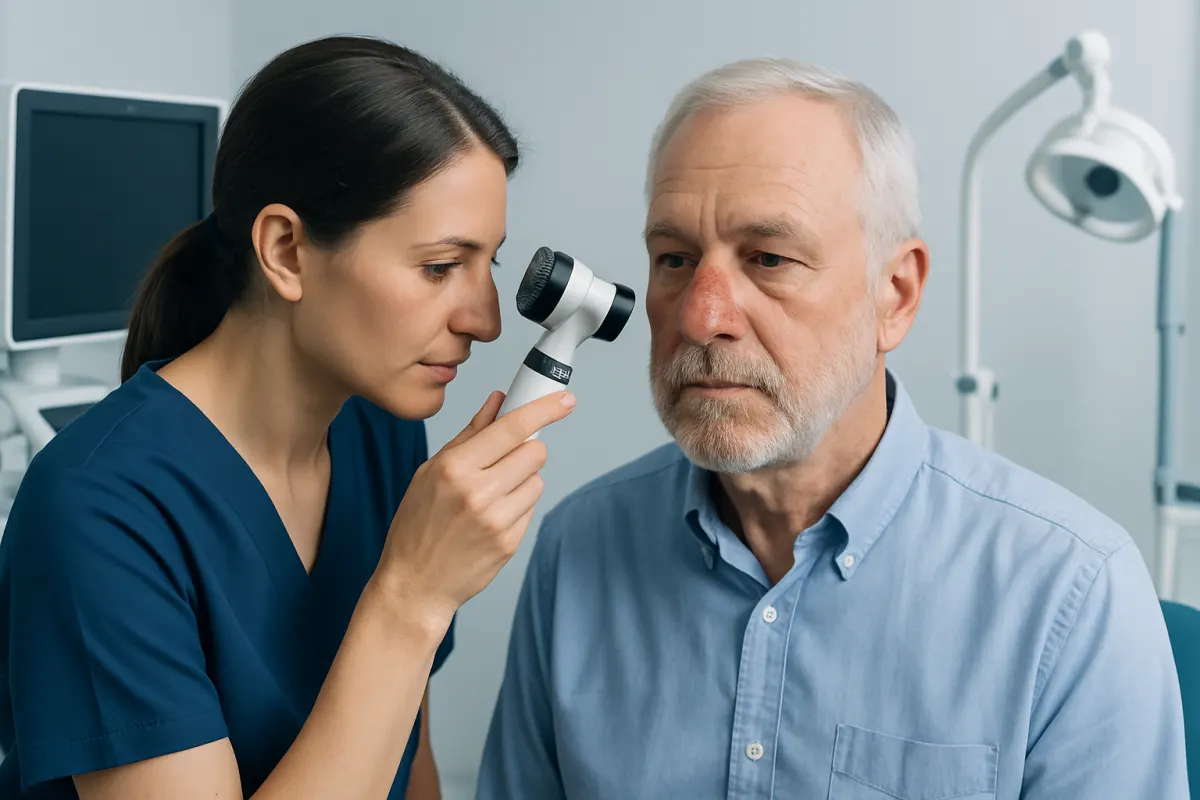
Photos of skin cancer on nose can help a person recognize concerning changes, such as a sore that does not heal, a shiny bump, a scaly patch, or a dark spot that changes over time. Images cannot confirm a diagnosis, so any persistent or evolving lesion on the nose should be assessed by a dermatologist.
How to Interpret Photos of Skin Cancer on Nose
Photos of skin cancer on nose may show a lesion that looks unlike an ordinary pimple or temporary irritation: it may persist for weeks, repeatedly crust or bleed, slowly enlarge, or change in shape or color. Common visual patterns include a pearly or translucent bump, a non-healing sore, a rough red patch, or an irregular brown, black, pink, or mixed-color mark.
However, photographs have important limits. Benign conditions such as acne, rosacea, eczema, visible blood vessels, warts, or harmless growths can resemble skin cancer. Lighting, camera quality, skin tone, cosmetics, and the angle of the image can also change how a lesion appears. A photo is useful for monitoring a change and communicating with a clinician, but it cannot reliably establish the diagnosis.
It is helpful to compare a suspicious area with the rest of the person’s skin. Dermatologists often ask whether it is an “ugly duckling” lesion: a spot that looks noticeably different from nearby freckles, moles, or bumps. A new, unusual, persistent, or changing lesion on the nose should be checked rather than watched indefinitely.
Appearance Patterns That May Need Assessment
Basal cell carcinoma is the most common skin cancer on the nose and other chronically sun-exposed facial areas. In photos, it may appear as a shiny, skin-colored or pink bump with a rolled edge, fine visible blood vessels, or a central crust or small ulcer. In some people, particularly those with darker skin, it can look brown, black, or more subtly pigmented rather than pink.
Squamous cell carcinoma may appear as a rough, scaly, thickened, red, pink, brown, or crusted patch or nodule. It can be tender and may grow more quickly than basal cell carcinoma. A precancerous condition called actinic keratosis can also cause persistent rough, sandpaper-like spots and should be evaluated because some lesions can progress.
Melanoma is less common on the nose but needs prompt evaluation because it can spread if not treated early. It may present as a new or changing dark mark, an irregularly shaped or unevenly colored patch, or an area that is black, brown, blue-gray, pink, red, or without pigment. The ABCDE approach can be useful: asymmetry, irregular border, varied color, diameter that is increasing, and evolution or change. Not every concerning lesion follows these features, so symptoms and persistence matter as well.
- A spot that does not heal after several weeks
- Repeated bleeding, oozing, crusting, or ulceration without a clear injury
- A growing bump, scaly patch, or changing mole
- New pain, itch, tenderness, or altered sensation in a lesion
- A lesion that returns after seeming to heal
Why Skin Cancer Develops on the Nose

The nose is highly exposed to ultraviolet (UV) radiation from sunlight, making it a frequent site for sun-related skin cancers. UV radiation can damage DNA in skin cells over time. This damage may accumulate over many years, even when a person does not remember severe sunburns.
Risk is influenced by cumulative sun exposure, outdoor work or recreation, past sunburns, use of tanning beds, fair skin that burns easily, and a personal or family history of skin cancer. Skin cancer can occur in every skin tone. In darker skin, lesions may be diagnosed later if changes are less obvious or are mistaken for another condition.
Other factors include increasing age, immune suppression from certain medical conditions or medicines, prior Cancer Radiation Treatment: Options and Outlook" class="ahp-ilk">radiation treatment, and some inherited syndromes. These risk factors do not mean a person will develop cancer, and people without obvious risk factors can still develop a suspicious lesion. The most useful step is paying attention to changes and arranging a professional assessment when appropriate.
How Doctors Diagnose a Suspicious Nasal Lesion
A dermatologist or other qualified clinician begins by asking when the lesion appeared, whether it has changed, and whether it bleeds, hurts, itches, or forms a recurrent crust. They will examine the nose and often the rest of the skin, because people who have one sun-related lesion may have others elsewhere.
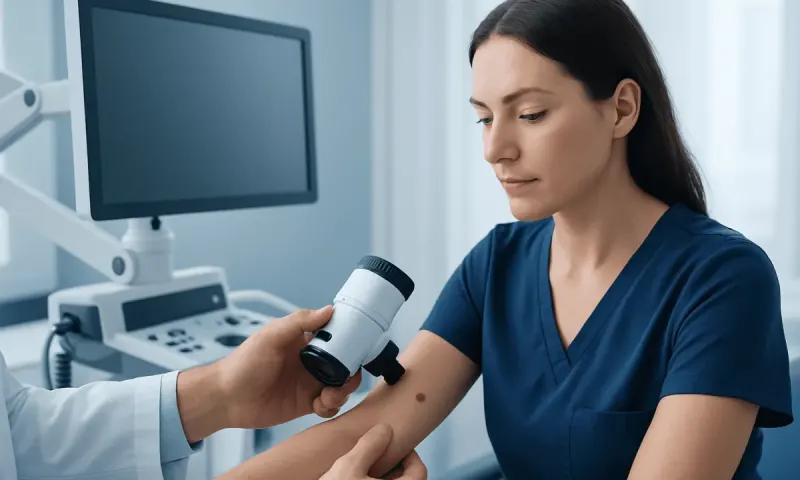
A dermatoscope, a handheld device that magnifies and illuminates the skin, may help the clinician identify patterns not visible to the naked eye. If cancer is suspected, the only way to confirm the diagnosis is typically a biopsy. After numbing the area, the clinician removes a small sample or the whole lesion and sends it to a laboratory for examination.
The pathology result identifies the type of lesion and, when cancer is present, provides details that guide treatment. Basal cell carcinoma, squamous cell carcinoma, and melanoma are managed differently. For an overview of the broader condition, readers may find skin cancer information helpful, but an individual treatment plan should always be based on the examination and biopsy findings.
Modern Treatment Approaches for Skin Cancer on the Nose
Treatment depends on the confirmed cancer type, lesion size and depth, location on the nose, previous treatment history, and the person’s overall health. The goal is complete cancer removal while protecting the nasal airway, shape, and nearby structures such as the eyelids. Most non-melanoma skin cancers are highly treatable, especially when found early.
Common options include surgical excision, where the lesion and a margin of surrounding tissue are removed, and Mohs micrographic surgery. Mohs surgery examines thin layers of tissue during the procedure and can be especially useful for cancers on high-risk cosmetic and functional areas such as the nose, where preserving healthy tissue is important. Reconstruction may involve careful closure, a skin graft, or a flap using nearby tissue.
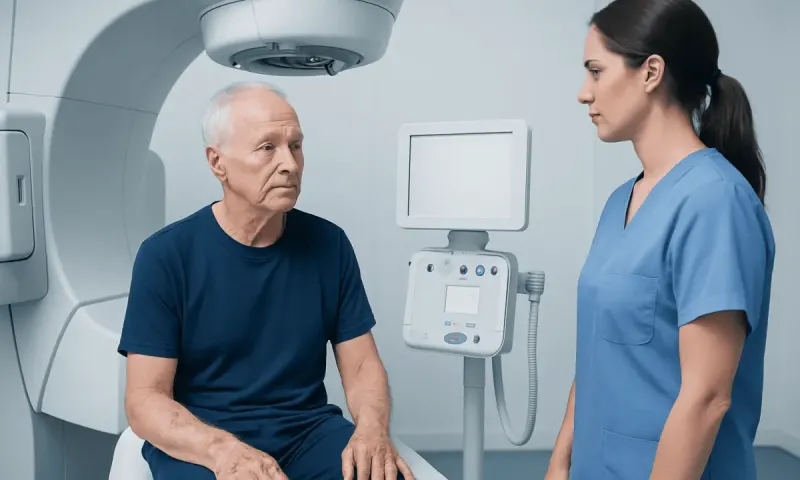
Depending on the diagnosis, size, and patient circumstances, other approaches may include curettage and electrosurgery, cryotherapy for selected precancerous lesions, topical medicines for certain superficial cancers, photodynamic therapy, or radiation therapy when surgery is not suitable. Advanced cancers may require systemic medicines, including targeted or immunotherapy treatments. Mohs surgery and other techniques are selected by the treating team after considering the full clinical picture.
After treatment, follow-up skin examinations are important. A treated area may take time to settle, and scarring is a normal part of healing. The care team can explain wound care, expected recovery, scar management, and signs that should be reported.
Protecting the Nose and Monitoring Skin Changes
Sun protection reduces further UV damage and is important both before and after treatment for skin cancer. It is sensible to use broad-spectrum sunscreen with SPF 30 or higher on exposed skin, including the bridge, tip, and sides of the nose. Reapply as directed, especially after sweating, swimming, or spending prolonged time outdoors.
A wide-brimmed hat, sunglasses, shade, and avoiding deliberate tanning provide additional protection. Sunscreen should not be used to extend time in intense sun. People with a history of skin cancer may benefit from a clinician-led schedule of skin examinations and advice tailored to their risk factors.
At home, a person can take a clear, well-lit photograph of a spot periodically to note whether it changes. This may support a clinical discussion, but it should not delay an appointment for a lesion that is bleeding, enlarging, ulcerated, painful, or otherwise concerning. Avoid picking, squeezing, cutting, or using home removal products on an unexplained nasal lesion, as this can cause injury and make assessment more difficult.
When to Seek Medical Care
Medical care should be sought promptly for a new or changing spot on the nose that bleeds without clear cause, does not heal, repeatedly scabs, grows, develops an irregular border, or changes in color. An urgent appointment is also appropriate for a rapidly enlarging lesion, a painful ulcer, a dark spot with significant change, or a lesion associated with swollen nearby lymph nodes.
There is no need to assume that a concerning-looking spot is cancer; many nasal lesions are benign. Still, timely assessment provides clarity and, if treatment is needed, can allow for simpler management. A primary care clinician can assess the concern and arrange dermatology referral when needed.
Acıbadem Health Point’s multidisciplinary specialists and JCI-accredited hospitals assess and treat skin cancer for international patients, with care planning based on pathology, lesion location, and individual health needs.
Frequently asked questions
01What does skin cancer on the nose look like?
It may look like a pearly or shiny bump, a sore that does not heal, a rough scaly patch, a recurring crust, or a changing dark mark. Appearance varies widely by cancer type and skin tone. A photograph alone cannot confirm whether a lesion is cancerous.
02Can a pimple on the nose be mistaken for skin cancer?
Yes. Acne, irritation, rosacea, and other harmless conditions can resemble some skin cancers. A typical pimple usually improves over time, while a suspicious lesion may persist, recur in the same place, bleed, crust, or enlarge. A clinician should assess any spot that does not resolve as expected.
03Is basal cell carcinoma on the nose dangerous?
Basal cell carcinoma usually grows slowly and rarely spreads to distant parts of the body, but it can damage nearby skin, cartilage, and other structures if left untreated. The nose is a sensitive location because there is limited tissue available for reconstruction. Early diagnosis and treatment help limit local damage.
04How is skin cancer on the nose confirmed?
A clinician examines the lesion, sometimes with dermatoscopy, and may recommend a biopsy. A biopsy removes a small sample or the lesion itself for laboratory analysis. The pathology report confirms whether cancer is present and identifies its type.
05Will treatment for skin cancer on the nose leave a scar?
Any procedure that removes skin can leave some degree of scarring, but treatment planning on the nose carefully considers both cancer control and appearance. Techniques such as Mohs surgery and reconstructive repair can preserve as much healthy tissue as possible. The clinician can discuss likely healing and scar care before treatment.
06When should a person see a dermatologist for a spot on the nose?
A dermatology assessment is appropriate for a spot that is new, changing, bleeding, painful, scaly, repeatedly crusting, or not healing after several weeks. People with a previous skin cancer, significant sun exposure, or immune suppression may need a lower threshold for assessment. It is better to have an uncertain lesion checked than to rely on online images.
This article is for general information only and is not a substitute for professional medical advice. Please consult a qualified doctor about your individual situation.
Persistent digestive symptoms? Get evaluated in Turkey
JCI-accredited · board-certified surgeons · reply within 24h
Add us as a Preferred Source to see more of our trusted health content across Google Search, AI Overviews and Discover.