Kaposi Skin Cancer: Signs, Types, and Treatment
Kaposi skin cancer, more accurately called Kaposi sarcoma, is an uncommon cancer involving blood and lymph vessel cells that often appears as purple, red-brown, or dark patches or bumps on the skin. It is associated with human herpesvirus 8 (HHV-8), and its outlook and treatment depend largely on the type of Kaposi sarcoma, immune health, and whether disease is limited to the skin or affects internal organs.
Overview: What Is Kaposi Skin Cancer?
Kaposi skin cancer is a term commonly used for Kaposi sarcoma, a cancer that develops from cells lining blood vessels and lymphatic vessels. It often first becomes visible on the skin as flat or raised areas that may be pink, red, purple, blue, brown, or very dark, depending on a person’s skin tone. These lesions can occur anywhere, but are often seen on the legs, feet, face, or inside the mouth.
Kaposi sarcoma is linked to infection with human herpesvirus 8, also called HHV-8 or Kaposi sarcoma-associated herpesvirus. The virus is relatively common in some regions, yet infection alone does not mean a person will develop Kaposi sarcoma. The cancer is more likely to occur when immune defenses are weakened or altered.
Although skin changes are often the most noticeable feature, Kaposi sarcoma can also involve lymph nodes and, less commonly, organs such as the lungs or digestive tract. A careful medical assessment helps determine the extent of disease and guides treatment planning.
What Are the Different Types of Kaposi Sarcoma?
Doctors classify Kaposi sarcoma into four main types. The types share the HHV-8 connection but differ in the people they affect, how quickly they may progress, and the treatment approach. Identifying the type is an important part of understanding likely behavior and choosing appropriate care.
- Classic Kaposi sarcoma usually develops slowly in older adults, particularly people of Mediterranean, Eastern European, or Middle Eastern background. It often begins with lesions on the legs or feet and may remain limited to the skin for many years.
- Epidemic, or HIV-associated, Kaposi sarcoma occurs in people living with HIV, especially when HIV is untreated or immune function is significantly reduced. It can be more widespread but often improves substantially when effective HIV treatment restores immune function.
- Endemic African Kaposi sarcoma occurs in parts of sub-Saharan Africa and can affect adults or children. Its course varies, from slow-growing skin disease to more aggressive forms.
- Iatrogenic or transplant-associated Kaposi sarcoma can develop in people taking medicines that suppress the immune system, such as after an organ transplant. Adjusting immunosuppressive treatment may be considered carefully by the transplant and cancer teams.
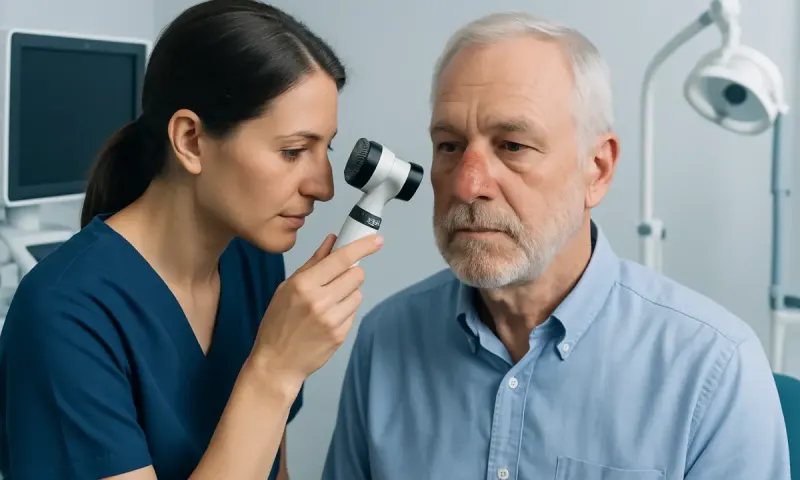
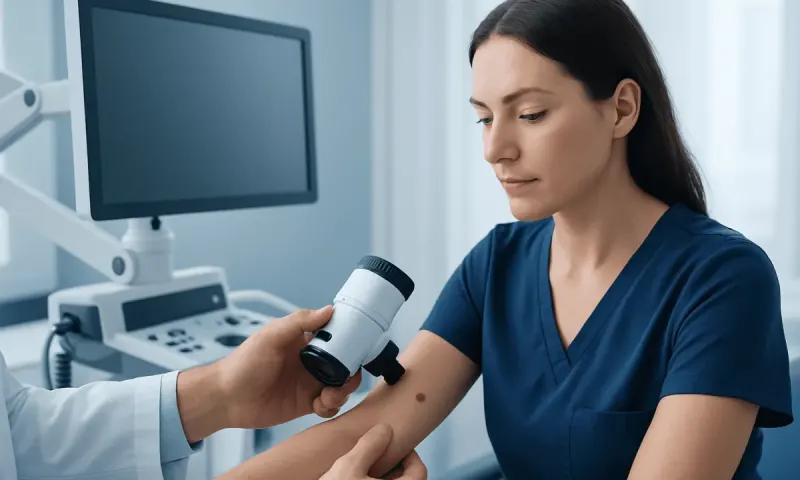
Kaposi sarcoma is distinct from other skin cancers such as melanoma, basal cell carcinoma, and squamous cell carcinoma. A biopsy is needed to confirm the diagnosis rather than relying on appearance alone.
Symptoms and How Kaposi Sarcoma May Feel
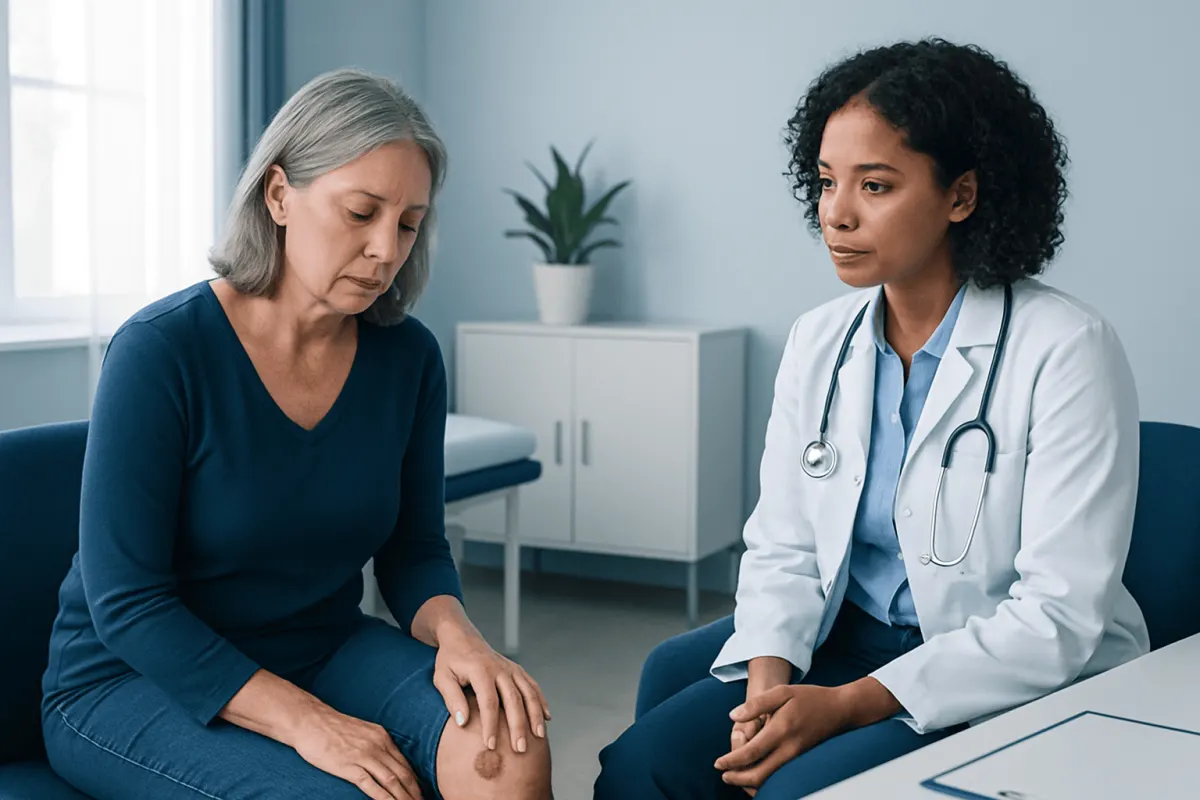
The most common symptom is one or more skin lesions. Early lesions may look like bruises, small flat patches, or discoloration that does not fade. Over time, they may become raised plaques or nodules. Their color varies widely, so on darker skin they may appear deep brown, purple, grayish, or nearly black rather than bright purple.
Does Kaposi sarcoma hurt? Many Kaposi sarcoma lesions are painless, particularly when they are small and limited to the skin. However, they may become tender, itchy, bleed, ulcerate, or cause discomfort if they grow, become irritated, or occur in sensitive areas such as the mouth, feet, or genital region.
Lesions in the legs can interfere with lymph drainage and lead to swelling of the feet, ankles, or legs. When Kaposi sarcoma affects internal organs, symptoms depend on the site. Breathlessness or cough may occur with lung involvement, while abdominal pain, nausea, bleeding, or anemia may suggest digestive tract involvement. These symptoms have many possible causes and should be assessed promptly.
Causes, Risk Factors, and Diagnosis
HHV-8 is required for Kaposi sarcoma to develop, but most individuals exposed to the virus never develop the disease. The main factor that allows HHV-8-related cells to grow abnormally appears to be reduced or disrupted immune control. Risk is therefore higher in people with untreated or advanced HIV infection and in people using long-term immune-suppressing medicines after transplantation.
Other factors associated with particular forms include older age, male sex in classic Kaposi sarcoma, and residence in or family origins from regions where HHV-8 is more prevalent. These factors do not diagnose Kaposi sarcoma and do not mean a person will develop it.
Diagnosis usually starts with a skin and medical history review, including questions about immune health, HIV testing where clinically appropriate, and current medicines. A small skin biopsy is generally used to confirm Kaposi sarcoma under the microscope. If symptoms or examination findings suggest disease beyond the skin, doctors may recommend blood tests, imaging, endoscopy, or evaluation of the lungs. Assessment is individualized to avoid unnecessary testing while identifying important organ involvement.
What Are the Treatment Options for Kaposi Sarcoma Lesions?
Treatment for Kaposi sarcoma lesions is tailored to the disease type, number and location of lesions, symptoms, internal involvement, immune status, and a person’s overall health. Some people with a few stable, symptom-free lesions may be monitored closely, while others benefit from active treatment. The goal may be to control cancer, relieve symptoms, preserve function, improve appearance, and support immune recovery.
For HIV-associated Kaposi sarcoma, effective antiretroviral therapy is a central part of care. By controlling HIV and helping immune function recover, it can reduce existing lesions and lower the chance of progression. Antiretroviral therapy may be used alone in limited disease or alongside cancer treatment when disease is extensive, symptomatic, or affecting organs.
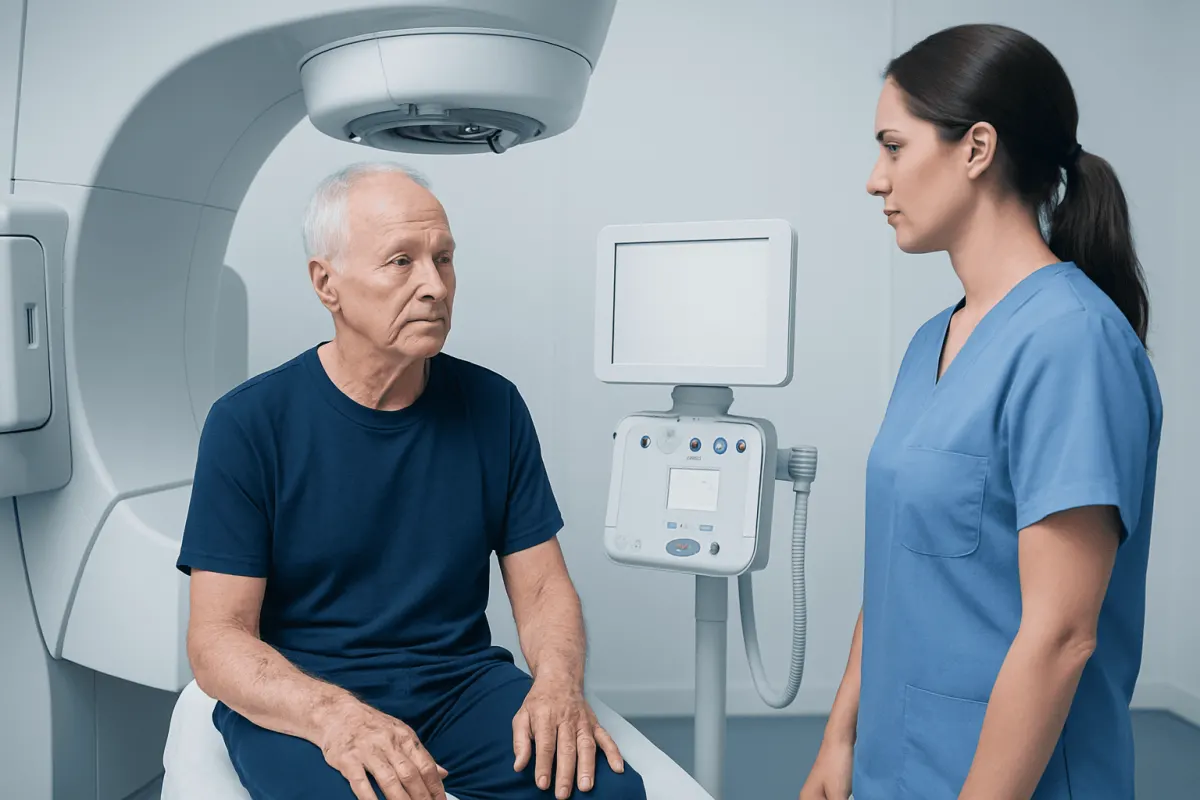
Local options for a limited number of bothersome lesions can include surgical removal, cryotherapy, laser treatment, injections into lesions, or topical therapies in selected situations. Radiation therapy can be particularly useful for localized lesions that are painful, bleeding, swollen, or cosmetically troubling. The most appropriate local treatment depends on the body site and the likelihood of healing well.
When disease is widespread, progressing, or affecting internal organs, systemic treatment may be recommended. This can include chemotherapy, immunomodulatory medicines, or other targeted approaches selected by an oncology team. In transplant-associated disease, carefully reducing or changing immune-suppressing medicines may help, but this must be balanced against the risk of transplant rejection and should never be done without specialist guidance.
Can Kaposi Sarcoma Go Into Remission?
Can Kaposi sarcoma go into remission? Yes. Many people have a complete or partial response to treatment, meaning lesions disappear or shrink and there is no evidence of active progression for a period of time. Remission is especially possible when the underlying immune problem can be improved, such as through effective HIV treatment or carefully adjusted immunosuppression after transplantation.
Remission does not always mean Kaposi sarcoma is permanently cured. HHV-8 remains in the body, and lesions can return, particularly if immune function becomes weakened again. For this reason, regular follow-up with the treating team is important even when the skin has cleared and a person feels well.
Outlook varies considerably. Slowly developing classic Kaposi sarcoma may be managed for years with local care or observation, while more extensive HIV-associated or internal disease usually requires coordinated treatment. Modern HIV care and cancer therapies have improved the ability to control Kaposi sarcoma for many patients.
When to Seek Medical Care
A person should arrange a medical assessment for new, unexplained purple, red-brown, dark, or bruise-like patches that persist, enlarge, become raised, or bleed. Prompt assessment is particularly important for people living with HIV, those who have received an organ transplant, or anyone taking medicines that suppress the immune system.
Urgent medical advice is appropriate for significant shortness of breath, coughing up blood, black or bloody stools, severe abdominal pain, rapidly worsening leg swelling, or lesions that are painful, infected-looking, or bleeding heavily. These symptoms do not always indicate Kaposi sarcoma, but they require timely evaluation.
Care often involves dermatology, oncology, infectious diseases, pathology, radiation oncology, and transplant specialists when relevant. Acıbadem Health Point’s multidisciplinary specialists and JCI-accredited hospitals assess and treat Kaposi sarcoma for international patients, with plans based on the individual diagnosis and immune health.
There is no proven routine screening test for Kaposi sarcoma in the general population. Maintaining HIV care where applicable, taking prescribed medicines consistently, attending transplant follow-up, and reporting new skin or mouth changes can help support early assessment.
Frequently asked questions
01Is Kaposi sarcoma contagious?
Kaposi sarcoma itself is not contagious. The virus associated with it, HHV-8, can be transmitted between people, but most people who carry HHV-8 never develop Kaposi sarcoma. Whether cancer develops depends heavily on immune function and other individual factors.
02Can Kaposi sarcoma appear only on the skin?
Yes. In some people, particularly those with classic Kaposi sarcoma, disease may remain limited to the skin for a long time. In others, it can involve the mouth, lymph nodes, lungs, or digestive tract, which is why a clinician may recommend further evaluation after diagnosis.
03How quickly does Kaposi sarcoma grow?
Growth varies by type and immune status. Classic Kaposi sarcoma often develops slowly over months or years, whereas HIV-associated disease can progress more quickly when immune function is severely reduced. A biopsy and clinical assessment are needed to understand an individual situation.
04Can HIV treatment help Kaposi sarcoma?
Yes. For people with HIV-associated Kaposi sarcoma, antiretroviral therapy can strengthen immune function and may cause lesions to improve or stabilize. Some people also need local treatment, radiation therapy, or systemic cancer treatment depending on the extent and symptoms of disease.
05Are all purple skin spots Kaposi sarcoma?
No. Bruising, blood vessel changes, inflammatory skin conditions, medication effects, and several other conditions can cause purple or dark marks on the skin. A persistent or changing lesion should be examined by a qualified clinician, and a biopsy may be needed for a definite diagnosis.
06What happens if Kaposi sarcoma is not treated?
The course can range from slow and limited to progressive, depending on the type and the person’s immune health. Untreated lesions may enlarge, spread, cause swelling or discomfort, or, in some cases, affect internal organs. A doctor can advise whether observation is appropriate or treatment is recommended.
This article is for general information only and is not a substitute for professional medical advice. Please consult a qualified doctor about your individual situation.
Oncology care in Turkey — second opinion and treatment plan
JCI-accredited · board-certified surgeons · reply within 24h
Add us as a Preferred Source to see more of our trusted health content across Google Search, AI Overviews and Discover.