UTI Symptoms and the Warning Signs of Kidney Infection

Does it sting when you pee? Are you running to the bathroom again and again, only to pass a few drops? Those are the classic signs of a UTI. Most of the time it stays in the bladder — uncomfortable, but treatable.
Some symptoms are different. Fever, pain in your back or side, vomiting, or confusion can mean the infection has moved beyond the bladder. If you notice any of these, don’t wait — get medical care promptly.
Overview: what UTI symptoms usually mean
When you have UTI symptoms, your body is signaling irritation or infection somewhere along the urinary tract — the urethra, bladder, ureters, or kidneys. For most people, the standout symptoms are burning with urination, needing to go more often, and a strong urge to urinate even when very little comes out.
Most uncomplicated infections affect the lower urinary tract, especially the bladder. These are often called bladder infections. When symptoms are limited to burning, urgency, frequency, and mild pelvic discomfort, the infection may still be straightforward to treat. However, symptoms can vary by age, sex, anatomy, and whether the infection is limited to the bladder or has spread upward.
Don’t judge by urine color alone. Dark, cloudy, or strong-smelling urine can come from things other than infection — dehydration, certain foods, vitamins, or medications. Going over your symptoms as a whole, and testing the urine when appropriate, is how we tell whether a true infection is there.
Because these symptoms overlap with other conditions, think of a UTI as one possible explanation — not the only one. Problems such as vaginal irritation, kidney stones, prostatitis, and some sexually transmitted infections can produce similar discomfort. Careful evaluation helps guide the right treatment.
Common UTI symptoms and how they can feel
A lower urinary tract infection is usually easy to recognize. Many patients describe a sharp, stinging, or burning feeling as urine passes. Others feel a constant need for the bathroom, pressure over the bladder, or the sense that the bladder never quite empties.
Frequent urination is common, but the amount passed each time may be very small. Some people also have pain in the lower abdomen or pelvis. Blood in the urine can occur and may appear pink, red, or tea-colored, though it is not present in every case.
Other possible symptoms include:
- Urgency, or feeling unable to delay urination
- Cloudy urine
- Stronger-than-usual urine odor
- Discomfort during sexual activity
- Mild general fatigue or feeling unwell
Symptoms do not always look the same in every person. Older adults may have subtler symptoms, and children may not be able to describe burning or urgency clearly. In these groups, a clinician may need to rely more heavily on the full history, physical examination, and urine testing.
Red flags that may suggest a more serious infection

Certain symptoms point to a possible kidney infection or a more complicated urinary problem. Pay attention to these — infections in the upper urinary tract can become more severe and may need more urgent treatment.
Red flags include fever, chills, pain in the side or back below the ribs, nausea, and vomiting. When these symptoms occur together with burning urination or urgency, clinicians may suspect that the infection has reached the kidneys. This can sometimes be referred to as a kidney infection.
In older adults, symptoms may occasionally present differently, with weakness, worsening confusion, or sudden functional decline. In infants and young children, warning signs may include fever without an obvious source, poor feeding, irritability, or vomiting. These symptoms deserve medical assessment rather than home treatment alone.
Another red flag is symptoms that keep returning soon after treatment, or symptoms that do not improve as expected. Recurrent infections may reflect an untreated source, antibiotic resistance, urinary retention, stones, structural urinary issues, or another condition that mimics a UTI.
Common triggers and who is more at risk
Most UTIs are caused by bacteria entering the urinary tract through the urethra and multiplying in the bladder. The short urethra in many women makes bladder infections more common, but UTIs can affect anyone. Sexual activity, changes in the vaginal environment after menopause, urinary catheter use, and difficulty emptying the bladder can all raise risk.
Other triggers and risk factors include dehydration, holding urine for long periods, kidney stones, an enlarged prostate, diabetes, pregnancy, and abnormalities of the urinary tract. People with weakened immune systems may also be more vulnerable. Some individuals experience repeated infections, which may be classified as recurrent urinary tract infection when episodes happen multiple times over time.
Not every irritation is an infection. Fragranced hygiene products, spermicides, vaginal dryness, and some medications may irritate the urinary or genital area and create similar symptoms. This is one reason self-diagnosis can be misleading, especially when symptoms are unusual or keep returning.
UTIs in men are less common and may require a closer look for contributing causes such as urinary obstruction, prostate problems, or stones. UTIs during pregnancy also deserve prompt assessment because even a seemingly mild infection can carry greater risk for complications if left untreated.
How doctors diagnose the cause of UTI symptoms
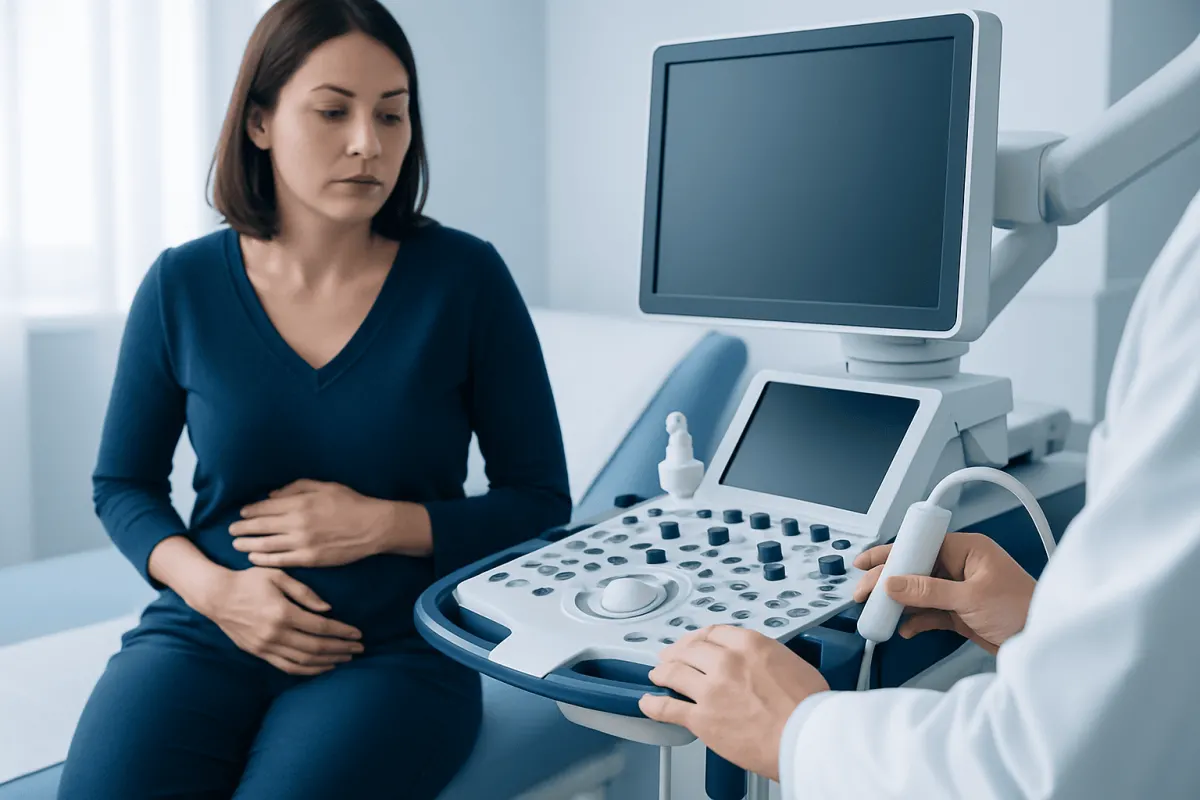
Diagnosis starts with your story. Your doctor will want to know when the symptoms began, whether you have fever or flank pain, whether there’s blood in your urine, and whether this has happened before. Expect questions about sexual health, vaginal symptoms, menopause, pregnancy, kidney stones, prostate symptoms, and any recent antibiotics too.
A urine sample is often used to look for white blood cells, nitrites, blood, and bacteria. In many cases, a urine culture helps identify the specific germ and which antibiotics are more likely to work. Culture is especially helpful when symptoms are severe, infections are recurrent, the patient is pregnant, or standard treatment has failed.
If a person has repeated infections, unusual symptoms, severe pain, or concern for a blockage or stone, further tests may be needed. These can include blood tests or imaging such as ultrasound or MRI in selected situations, depending on the suspected problem. Imaging is not necessary for every simple UTI, but it becomes more important when symptoms suggest complications.
Because the symptoms of a UTI can overlap with sexually transmitted infections, vaginal infections, interstitial cystitis, and stones, doctors may also examine for other causes. The goal is not only to confirm infection but also to avoid unnecessary antibiotics when another condition is responsible.
Treatment options and symptom relief
Treatment depends on where the infection is located, how severe symptoms are, and whether the person has risk factors for a complicated infection. For most bacterial bladder infections, antibiotics are the main treatment. The exact choice is based on local resistance patterns, the patient’s allergies, prior culture results, pregnancy status, and whether kidney involvement is suspected.
Supportive care matters too. Drink enough fluids, rest, and steer clear of known irritants like heavily fragranced products while the treatment starts to work. Your doctor may suggest other ways to ease discomfort — but check before using over-the-counter products, especially if you’re pregnant or have other medical conditions.
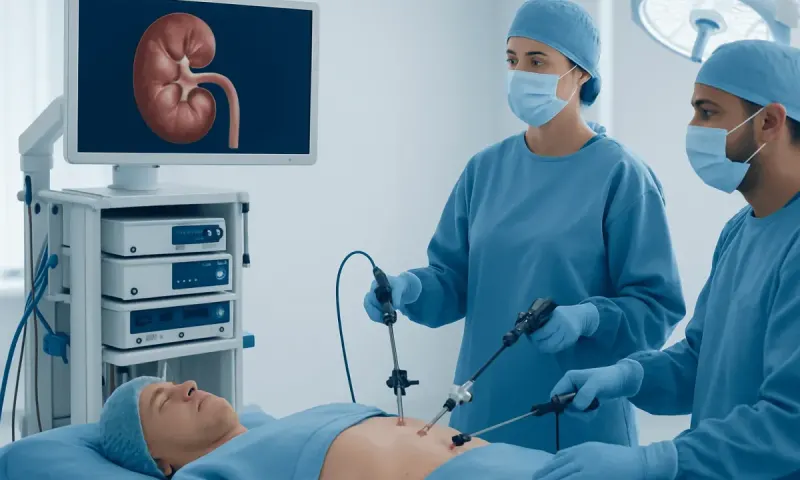
If symptoms suggest a complicated UTI, recurrent infection, obstruction, or another urinary problem, referral to a specialist may be appropriate. Evaluation by urology can help identify issues such as stones, retention, or structural abnormalities. In some cases, further management may involve kidney stone treatment or another targeted approach if the symptoms are not due to a simple bladder infection alone.
At the end of treatment, some people improve quickly while others recover more gradually. Persistent fever, worsening pain, repeated vomiting, or symptoms that return soon after antibiotics should be reassessed. Follow-up is especially important in pregnancy, in children, and in anyone with frequent recurrences.
Prevention and self-care habits that may help
Healthy urinary habits can lower the chance of some infections, although they cannot prevent every UTI. Staying reasonably hydrated helps promote regular urination. Many people also benefit from avoiding long delays before using the bathroom and emptying the bladder after sexual activity if that has been a trigger in the past.
Gentle hygiene is usually best. Harsh soaps, douches, deodorizing sprays, and fragranced products can irritate the area and may worsen symptoms. Wearing breathable underwear and changing out of wet clothing promptly may also help maintain comfort.
People with recurrent symptoms should speak with a doctor before relying on supplements or repeated self-treatment. Not all prevention strategies are suitable for every patient, and repeated antibiotic use without medical guidance can contribute to resistance or mask another condition. If repeated episodes occur, a clinician may look for menopause-related changes, stone disease, bladder emptying problems, or other correctable causes.
For international patients who need evaluation of persistent or complicated urinary symptoms, Acıbadem Health Point’s multidisciplinary specialists and JCI-accredited hospitals provide diagnosis and treatment support in a coordinated setting.
When to seek medical care
See a doctor whenever UTI symptoms are new, significant, or you’re simply not sure what’s going on. If burning, urgency, and frequency last more than a short time — and especially if they’re getting worse or you see blood in your urine — contact a clinician promptly.
Urgent medical evaluation is important for fever, chills, side or back pain, nausea, vomiting, pregnancy, severe weakness, or confusion. These symptoms can suggest a kidney infection, dehydration, or another complication that should not wait. Men, children, and older adults with suspected UTIs should also be assessed early because symptoms may be less typical and underlying causes may need attention.
People with diabetes, kidney disease, urinary catheters, immune suppression, or recent urinary procedures should not ignore possible UTI symptoms. If there is trouble keeping fluids down, inability to urinate, severe pain, or rapidly worsening illness, same-day care is advisable.
Prompt evaluation can help distinguish a simple bladder infection from more serious conditions and can reduce the risk of complications. A qualified doctor can decide whether testing, antibiotics, imaging, or specialist care is needed.
Frequently asked questions
01What are the first signs of a UTI?
The first signs of a UTI are often burning during urination, needing to urinate more often, and a sudden urge to go. Many people also notice that only a small amount of urine comes out each time. Mild lower abdominal pressure can occur as well.
02Can a UTI go away without antibiotics?
Some very mild urinary symptoms may improve, but a true bacterial UTI often needs medical evaluation and commonly requires antibiotics. Waiting too long can allow the infection to worsen or spread to the kidneys in some people. It is safest to speak with a clinician, especially if symptoms are persistent, painful, or accompanied by fever.
03How can someone tell the difference between a UTI and a yeast infection?
A UTI usually causes burning with urination, urgency, and frequent urination. A yeast infection more often causes itching, irritation, and a thicker vaginal discharge. Because symptoms can overlap, especially when there is genital irritation, a clinician may need to examine the patient or test a urine sample.
04Does cloudy or strong-smelling urine always mean a UTI?
No. Urine can look cloudy or smell stronger because of dehydration, foods, vitamins, medications, or other noninfectious reasons. These changes are more meaningful when they happen together with symptoms such as burning, urgency, or fever.
05When is a UTI considered an emergency?
A UTI becomes more urgent when there is fever, chills, vomiting, side or back pain, severe weakness, confusion, or inability to keep fluids down. These symptoms may suggest kidney involvement or another complication. Pregnant patients, young children, older adults, and people with weakened immune systems should seek care promptly.
06Why do UTIs keep coming back?
Repeated UTIs can happen for several reasons, including sexual activity, menopause-related changes, incomplete bladder emptying, stones, catheters, or resistant bacteria. Sometimes symptoms thought to be UTIs are actually caused by a different condition. Recurrent episodes should be reviewed by a doctor so the underlying cause can be identified.
This article is for general information only and is not a substitute for professional medical advice. Please consult a qualified doctor about your individual situation.
Explore treatments in Turkey — costs, top hospitals & a free quote
JCI-accredited · board-certified surgeons · reply within 24h
Add us as a Preferred Source to see more of our trusted health content across Google Search, AI Overviews and Discover.