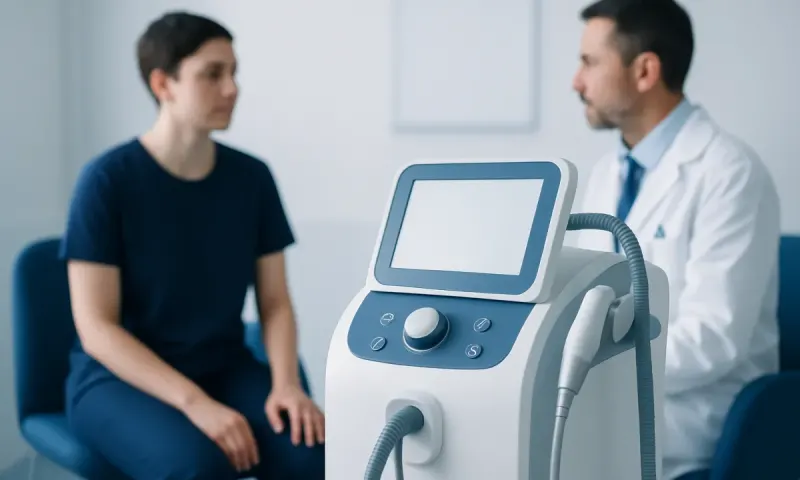
Penis Extender: Uses, Benefits and Risks

Key Takeaways
- Penis extenders are traction devices, not quick-fix enlargement tools.
- They may be used in selected medical situations, especially under a urologist’s guidance.
- Benefits depend on correct use, consistency, and realistic goals.
- Poor fit, overuse, or unsafe tension can cause skin irritation, pain, or injury.
- A medical evaluation can clarify whether a device is appropriate or whether another treatment is better.
A penis extender is a type of penile traction device used to apply gentle, sustained stretch to the penis. It is sometimes considered for specific medical purposes, but expectations, safety, and proper medical guidance matter more than marketing claims.
Overview
A penis extender, also called a penile traction device, is designed to apply gentle pulling force to the penis over time. In medical practice, traction has been studied more often for specific urologic concerns than for cosmetic enhancement alone, which is why a careful conversation with a qualified clinician is important before use.
For some men, the idea of an extender comes up during a broader discussion about confidence, sexual function, or perceived size concerns. The safest starting point is not the product label, but a clear understanding of what the device can and cannot do. A medical team can help distinguish between normal anatomy, a functional concern, and a condition that may benefit from treatment.
International patients sometimes arrive with questions gathered from online reviews, forums, and device advertisements. A consultation can bring those scattered ideas into focus, especially when travel, privacy, and follow-up planning all need to be considered together. In that setting, a realistic plan is usually more useful than promises of dramatic change.
How a Penis Extender Works
Penis extenders use traction, meaning they create a controlled stretching force along the penile tissues. The concept is similar to other orthopedic traction methods: tissue is exposed to gentle, repeated tension, which may influence how it adapts over time. Because the penis contains delicate skin, blood vessels, and erectile tissue, fit and wear time must be handled carefully.
These devices usually include a base ring, support rods, and a cradle or strap that holds the penis in place. Some systems are adjustable, allowing the user to increase tension gradually. In clinical settings, a urologist may recommend a traction device for particular indications, such as curvature associated with Peyronie’s disease or recovery support after certain procedures, rather than for general size enhancement.
It is important to understand that results, if any, tend to be gradual and modest. The device is not a substitute for surgical treatment when surgery is indicated, and it is not appropriate for every person. A proper medical assessment helps set expectations and reduces the chance of unnecessary discomfort.
Symptoms and Reasons People Seek One

People consider a penis extender for different reasons, and those reasons are not always the same as the device’s medical uses. Some are concerned about length, some about curvature, and others about a sense of asymmetry or shortening after an injury or illness. A urology evaluation can help identify whether there is an actual structural issue or whether the concern is mainly visual or psychological.
When a medical condition is involved, the features may include penile curvature, pain during erection, difficulty with penetration, or a feeling that the penis has changed shape or length. In these situations, the focus is not on appearance alone but on sexual function, comfort, and overall quality of life. The right treatment depends on the cause, the severity of symptoms, and whether erections are otherwise healthy.
When the concern is primarily cosmetic, counseling and honest education can be just as important as any device. Men often benefit from discussing normal variation in size, what traction devices realistically offer, and whether treatment would truly improve confidence or simply create another source of stress. That conversation is especially helpful before buying equipment online.
Causes and Risk Factors
Penis extenders are most often discussed in relation to conditions where traction may have a role. One of the better-known examples is Peyronie’s disease, a condition in which scar tissue can cause curvature, discomfort, or shortening. Traction may be considered as part of a broader management plan, depending on the stage and severity of the condition.
Other factors that can bring attention to the device include previous penile trauma, surgery, or perceived loss of length after age-related changes, weight gain, or erectile dysfunction. In some men, anxiety about size develops without a medical abnormality, and the sense of “something being wrong” may be stronger than the physical issue itself. That distinction matters because the treatment approach is different.
Risk factors for complications from any traction device are often related to misuse rather than the concept of traction itself. Excessive tension, sleeping with the device on, using it for too long without breaks, or choosing a poor-fitting model can all increase the chance of irritation or injury. Men with reduced sensation, diabetes-related nerve problems, skin disease, or circulation problems should be especially cautious and seek medical advice first.
Diagnosis and Medical Evaluation
A urologist usually begins with a detailed history: when the concern started, whether there is pain or curvature, and whether erections are firm enough for sexual activity. A physical examination may follow, and in some cases imaging or erection assessment is used to better understand the anatomy. This step is important because the same device should not be used for every complaint.
For someone traveling from another country, pre-visit organization can make the appointment much more efficient. Bringing previous reports, medication lists, photos that document curvature if relevant, and notes about symptom timing can help the specialist make decisions quickly and accurately. If language support is needed, arranging it in advance is often useful.
Sometimes the evaluation reveals that a penis extender is not the best fit. In that case, the clinician may recommend observation, medication, treatment for erectile dysfunction, counseling, or surgery depending on the underlying issue. A good evaluation prevents trial-and-error use of a device that may not address the real problem.
Treatment Options
When traction is appropriate, the device is usually part of a larger treatment plan rather than a stand-alone solution. The urologist may explain how to wear it, how long to use it, how to adjust tension, and what symptoms should prompt a pause. The main goal is to make the process safe, tolerable, and medically relevant.
Other treatment options may be better depending on the diagnosis. Peyronie’s disease, for example, may be managed with medications, injections, traction, vacuum devices, or surgery in selected cases. Erectile dysfunction may need lifestyle changes, medication, hormone assessment, or vascular evaluation. If the concern is body image rather than disease, reassurance and counseling may be the most appropriate support.
Some men ask whether a penis extender alone will create dramatic enlargement. A careful clinician will usually avoid exaggerated claims and explain that evidence is limited, results vary, and safety matters more than speed. If a device is used, the objective should be medically supervised, gradual, and aligned with the person’s actual diagnosis.
- Traction is usually introduced gradually, not aggressively.
- Follow-up visits help check skin, sensation, and comfort.
- Any pain, numbness, discoloration, or swelling should be discussed promptly.
- Treatment choices should match the underlying condition, not just the desire for change.
Prevention and Self-care
Safe use begins with the right device and the right reason for using it. A reputable medical evaluation can help prevent unnecessary purchases and reduce the risk of unrealistic expectations. If a traction device is prescribed or recommended, the instructions should be followed closely rather than improvised from online advice.
General self-care includes taking breaks as advised, checking the skin regularly, and stopping if there is pain, numbness, or color change. It is also wise to avoid combining the device with alcohol, recreational drugs, or anything that reduces the ability to notice discomfort. Hygiene matters too, especially if the device is worn for extended periods.
Men who are recovering after treatment abroad should plan follow-up before travel home. That may include written instructions, contact details for the treating team, and a clear idea of what is normal during recovery. Acibadem Health Point’s multidisciplinary specialists and JCI-accredited hospitals can diagnose and treat this condition for international patients, while also helping coordinate follow-up and continuity of care when needed.
When to See a Doctor
A doctor should be consulted before starting a penis extender if there is pain, curvature, a history of penile injury, erectile dysfunction, diabetes, poor circulation, or any skin condition affecting the area. Medical advice is also important if the concern is mainly about size and the person is unsure whether treatment is appropriate at all. In many cases, a short consultation can prevent long-term frustration.
Prompt medical review is needed if the device causes bruising, blistering, numbness, severe pain, swelling, or a change in skin color. These are not signs to push through. They suggest the device may be too tight, used too long, or simply unsuitable for that person’s anatomy.
Men who feel distressed about penis size, sexual performance, or visible curvature should remember that these concerns are common and discussable. A qualified doctor can offer a private, respectful assessment and help choose the safest next step, whether that is traction, another treatment, or reassurance that no medical intervention is needed.
Living With the Decision
Choosing whether to use a penis extender is often less about the device itself and more about deciding what outcome is truly being sought. Some men want symptom relief, some want improved function, and others want peace of mind after worrying for months or years. A thoughtful plan starts by naming that goal clearly.
For patients who travel for care, the decision should also include practical matters such as length of stay, follow-up access, and how complications would be handled once they return home. When these details are addressed early, treatment tends to feel more manageable and less uncertain. That is particularly valuable for a condition that can be sensitive and emotionally loaded.
With the right guidance, a traction device may have a role in selected cases, but it is never a one-size-fits-all answer. The most reliable path is a calm assessment, informed expectations, and ongoing communication with a clinician who understands both the medical and personal sides of the concern.
Frequently asked questions
01What is a penis extender used for?
A penis extender is a traction device that applies gentle, sustained stretch. In medical practice, it may be used for selected urologic conditions, especially when a specialist thinks traction could help. It should not be treated as a guaranteed enlargement solution.
02Does a penis extender really work?
It may help in certain situations, but results are usually gradual and modest. Whether it works depends on the reason for use, the device quality, and how well the instructions are followed. A doctor can explain what is realistic for a specific case.
03Is it safe to use one without a prescription?
Some devices are sold without prescription, but that does not mean they are suitable for self-treatment. Improper use can cause irritation, pain, or injury. It is safer to have a urologist evaluate the concern first, especially if there is curvature or erectile dysfunction.
04Can a penis extender make the penis permanently bigger?
There is no reliable guarantee of permanent enlargement. Some men may notice changes in length or shape in specific medical contexts, but claims of dramatic or universal results are not supported. Expectations should be discussed carefully with a clinician.
05What side effects should prompt stopping use?
Pain, numbness, swelling, bruising, blistering, or darkening of the skin are reasons to stop and seek medical advice. These signs may mean the device is too tight or that the tissues are being stressed too much. Early review can prevent more serious problems.
06Should someone travel abroad for treatment of this condition?
Travel can make sense if the person wants expert urologic evaluation, privacy, or coordinated care, but it should be planned carefully. Before traveling, it helps to confirm the diagnosis, expected treatment length, and follow-up needs. Good planning makes recovery and aftercare easier once the patient returns home.
This article is for general information only and is not a substitute for professional medical advice. Please consult a qualified doctor about your individual situation.
Joint and spine care in Turkey — expert assessment & treatment
JCI-accredited · board-certified surgeons · reply within 24h
Add us as a Preferred Source to see more of our trusted health content across Google Search, AI Overviews and Discover.