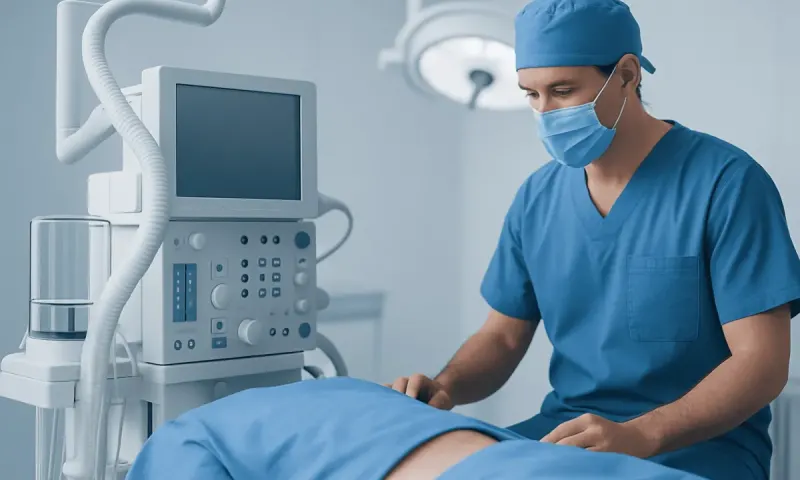
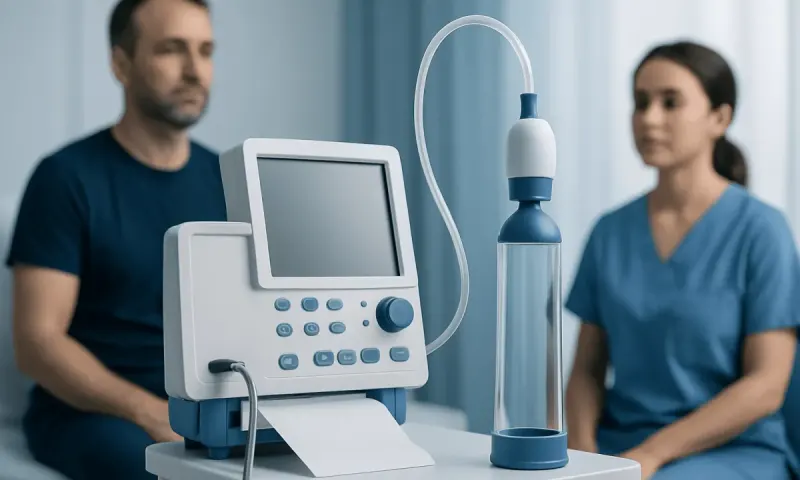
FTM Penis Surgery: Phalloplasty and Metoidioplasty
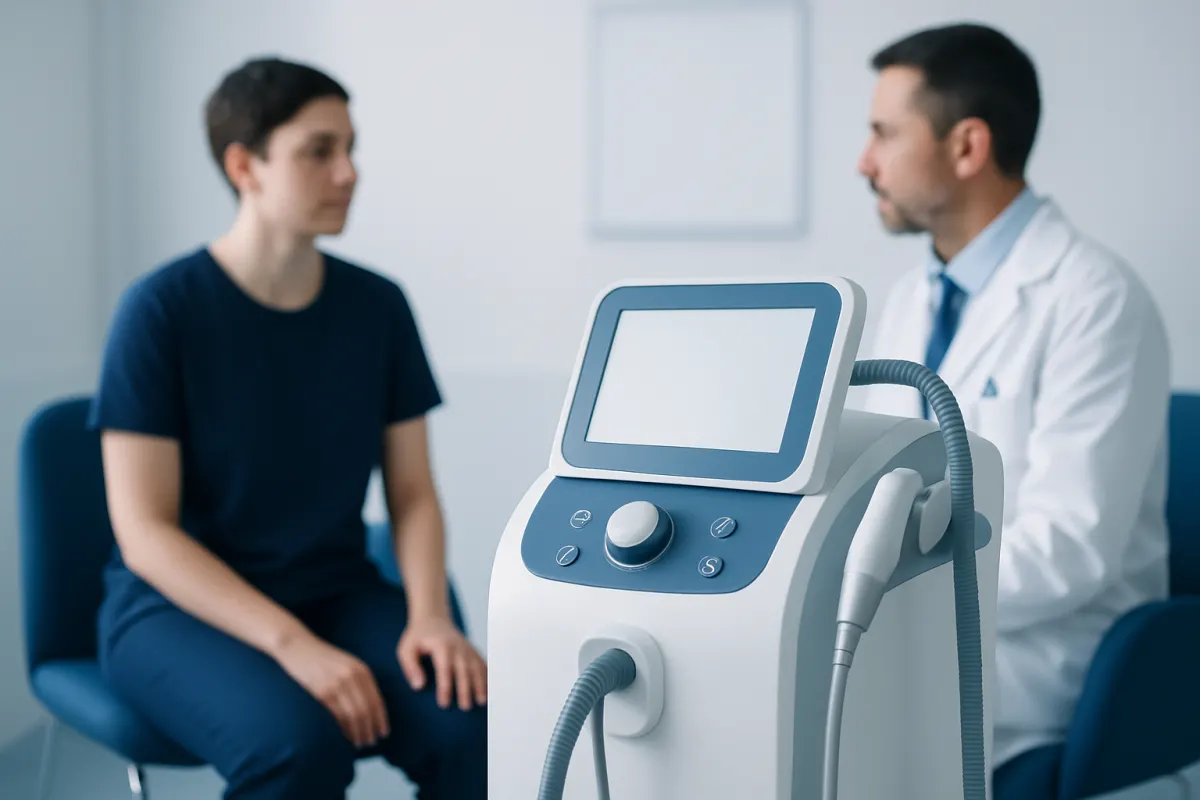
FTM pennis surgery refers to gender-affirming procedures that create a penis, most commonly phalloplasty or metoidioplasty. The best option depends on a person’s anatomy, goals for sensation or standing to urinate, health, and willingness to undergo one or more operations.
FTM pennis surgery: what it involves
FTM pennis surgery is a commonly used search term for masculinizing genital surgery that creates a penis for transgender men and some nonbinary people. In clinical settings, the procedures are usually called phalloplasty and metoidioplasty. Both are individualized, often staged procedures designed around personal goals, anatomy, medical history and informed preferences.
Phalloplasty constructs a penis using a flap of skin, tissue and blood vessels from another part of the body, such as the forearm, thigh, side of the back or abdomen. Metoidioplasty releases and repositions the genital tissue enlarged by testosterone therapy, creating a smaller penis from existing tissue. Either approach may be combined with urethral lengthening, scrotoplasty, testicular implants, vaginectomy or other procedures when appropriate.
There is no single “best” result or pathway. A specialist team discusses priorities such as penis size, the possibility of standing to urinate, preservation of erotic sensation, visible donor-site scarring, recovery demands, future implants and tolerance for revision surgery. A detailed consultation is essential because each option involves benefits, limitations and possible complications.
Choosing between phalloplasty and metoidioplasty
Phalloplasty is often considered by people who want a larger penis and may wish to pursue penetrative sex with an erectile device in the future. Depending on the technique and a person’s goals, surgeons may create a urethra that extends to the tip of the penis, allowing some people to urinate while standing after complete healing. Because it involves microsurgery and tissue transfer, phalloplasty is complex and commonly performed in stages.
Metoidioplasty typically creates a smaller penis but does not require a large tissue flap or a prominent donor-site wound. It can preserve the natural erectile response of testosterone-enlarged genital tissue. Some people choose simple release without urethral lengthening, while others choose additional reconstruction to support standing urination. The achievable size varies with individual anatomy and response to testosterone.
Both options can include scrotoplasty, with or without later placement of testicular implants. A person does not need to pursue every available procedure. Shared decision-making should include discussion of surgical priorities, smoking or nicotine use, hormone plans, chronic health conditions, support during recovery, fertility considerations and the likely need for more than one operation.
- Phalloplasty: may offer greater length and potential for a later erectile implant, but involves donor-site healing and usually more surgical stages.
- Metoidioplasty: uses existing genital tissue and may have a shorter initial recovery, but produces a smaller penis and generally does not support an erectile implant.
How the procedure is planned and performed

Before surgery, the care team completes a medical assessment and reviews current medications, allergies, previous operations, hormone therapy and relevant medical conditions. Depending on local standards and individual needs, preparation may include mental health support, hair removal from tissue planned for urethral reconstruction, laboratory testing and counseling about fertility preservation before any procedure that could affect reproductive potential.
In phalloplasty, the surgeon transfers a carefully planned tissue flap to construct the penis. Microsurgery may be used to connect blood vessels and nerves. If urethral lengthening is chosen, the surgeon creates a longer urine channel; this adds complexity and is one reason complications may occur. The donor site is closed with a graft or other reconstructive technique, depending on the flap used.
In metoidioplasty, surgeons release the suspensory tissues that hold the enlarged genital tissue close to the body and reshape surrounding structures. Urethral lengthening, scrotoplasty and vaginectomy may be performed at the same time or separately. Later procedures can address refinements, urinary issues, implants or other goals after initial healing.
Surgical planning should be led by clinicians experienced in gender-affirming genital reconstruction, including reconstructive surgeons, urologists, anesthesiologists, nurses and pelvic-health professionals when needed. Clear discussions about expected appearance, function, scars and uncertainty help a person make an informed choice.
Recovery, healing and expected results
Initial recovery usually involves a hospital stay, catheters or drains, pain management and close monitoring of blood flow to reconstructed tissue when phalloplasty has been performed. The length of admission and the number of catheters vary according to the procedures completed. Patients should follow the surgical team’s instructions about positioning, walking, bathing, wound care and protecting the reconstructed area.
Recovery continues for weeks to months. Swelling, bruising, fatigue and changes in sensation are common early in healing. People are generally advised to avoid strenuous exercise, heavy lifting, cycling and sexual activity until their surgeons confirm it is safe. Return to work or daily activities depends on the operation, physical demands of the person’s role and any healing concerns.
Urethral reconstruction requires particular patience. A catheter may remain in place while the urethra heals, followed by testing to check for leakage or narrowing before normal voiding is resumed. Complications such as a urethral fistula, in which urine leaks through an unintended opening, or a urethral stricture, in which scar tissue narrows the channel, can require observation, catheter management or additional surgery.
Final appearance and sensation develop gradually as swelling settles and nerves heal. Scars mature over many months. A surgical team can explain what is typical for the selected technique, but no clinician can promise a specific aesthetic, urinary or sexual outcome.
Can you get hard after FTM surgery?
Whether a person can get hard after FTM surgery depends on the procedure. After metoidioplasty, the penis is made from testosterone-enlarged genital tissue, which can become firm in response to arousal. This natural firmness may be meaningful for sexual sensation and activity, but the penis is usually smaller than one created through phalloplasty.
A phalloplasty penis does not develop a natural erection in the same way because the transferred tissue does not contain erectile tissue. After full healing, some people choose a penile prosthesis, also called an erectile implant, to provide rigidity for penetrative sex. Implant surgery is typically delayed until healing is stable and is not required for everyone.
Penile implants have their own potential complications, including infection, device problems, erosion through tissue or the need for replacement. The choice is personal and should follow careful counseling with an experienced reconstructive urologist. Some people are satisfied with phalloplasty without an implant, while others value the additional option it can provide.
Can you still feel pleasure with a phalloplasty?
Many people can continue to experience sexual pleasure and orgasm after phalloplasty, particularly when sensation-preserving techniques and nerve connections are possible. Surgeons may connect nerves from the tissue flap to nerves in the genital area to support the gradual return of tactile and erotic sensation. Nerve recovery is variable and often takes many months or longer.
Existing genital sensation may also be retained, depending on the procedures performed and individual healing. Sexual pleasure is influenced by far more than sensation in the reconstructed penis; comfort, body image, emotional wellbeing, communication, lubrication where relevant and the pace of recovery can all matter. A person should ask specifically how the planned approach may affect their own anatomy and goals.
Outcomes differ between individuals, and sensation cannot be guaranteed. Temporary numbness is expected after surgery, while persistent reduced sensation or altered sensation can occur. If concerns about sensation, pain or sexual function arise during recovery, the surgical team can assess healing and recommend appropriate support.
Risks, follow-up and when to seek medical care
As with any major operation, FTM genital surgery carries risks such as bleeding, infection, blood clots, wound-healing problems, fluid collections, scarring and reactions to anesthesia. Phalloplasty can also involve flap circulation problems and donor-site concerns. Urethral complications, changes in urinary stream and the need for revision procedures are possible after either phalloplasty or metoidioplasty when urethral lengthening is performed.
Regular follow-up helps the team identify issues early and support safe healing. People should contact their surgical team promptly for increasing redness, warmth, swelling, foul-smelling drainage, fever, worsening pain, persistent vomiting, inability to pass urine after catheter removal, a sudden change in urine flow, or separation of a wound. Emergency assessment is needed for chest pain, shortness of breath, fainting, severe bleeding or a cold, pale or darkening reconstructed area.
It can also be helpful to seek support for emotional adjustment before and after surgery. Trusted mental health professionals, peer support and sexual-health counseling can complement medical follow-up. Acıbadem Health Point’s multidisciplinary specialists and JCI-accredited hospitals provide assessment and treatment for international patients considering complex reconstructive care.
Long-term care may include scar management, pelvic-floor rehabilitation, sexual-health support, implant planning or revision surgery if needed. Attending scheduled appointments and avoiding nicotine as advised by the surgical team can support wound and tissue healing.
Frequently asked questions
01What is the difference between FTM phalloplasty and metoidioplasty?
Phalloplasty creates a penis using tissue transferred from another part of the body, while metoidioplasty reshapes testosterone-enlarged genital tissue. Phalloplasty may provide more length and the option of a later erectile implant, whereas metoidioplasty generally creates a smaller penis with natural erectile firmness.
02How long does recovery from FTM pennis surgery take?
Initial healing takes several weeks, but full recovery and scar maturation often take many months. The timeline varies with the procedure, whether urethral reconstruction was performed, the number of surgical stages and whether complications occur.
03Can you urinate standing up after phalloplasty or metoidioplasty?
Some people can urinate while standing if they have urethral lengthening and the urethra heals without significant narrowing or leakage. This outcome is not guaranteed, and a catheter is usually needed during early healing.
04Is phalloplasty performed in one surgery?
Phalloplasty is commonly performed in stages. Additional procedures may be needed for urethral repairs, scrotoplasty, testicular implants, contour refinements or placement of an erectile implant after healing.
05Does phalloplasty preserve orgasm?
Many people can experience pleasure and orgasm after phalloplasty, especially when existing genital sensation is preserved and nerve connections are used. However, sensation returns differently for each person and may take a long time to develop.
06What complications are most common after genital reconstruction?
Potential complications include wound-healing problems, infection, scarring, urinary leakage or narrowing after urethral lengthening, and donor-site issues after phalloplasty. A surgeon can explain the risks associated with a specific technique and how complications are monitored and managed.
This article is for general information only and is not a substitute for professional medical advice. Please consult a qualified doctor about your individual situation.
Explore treatments in Turkey — costs, top hospitals & a free quote
JCI-accredited · board-certified surgeons · reply within 24h
Add us as a Preferred Source to see more of our trusted health content across Google Search, AI Overviews and Discover.