Peeing Regularly After Surgery: What to Expect
Peeing regularly after surgery often returns gradually as anesthesia effects wear off, swelling settles and the bladder regains its usual function. Temporary changes such as urgency, burning, slower flow or peeing more often after surgery can occur, particularly after urinary or pelvic procedures, but new or worsening symptoms should be assessed by a clinician.
Peeing regularly after surgery: what to expect
Peeing regularly means passing urine comfortably and often enough to empty the bladder without marked straining, pain, urgency or leakage. After an operation, this pattern can change temporarily. Some people find it difficult to start urinating, while others notice urgency or need to urinate more often than usual. These changes are commonly short-lived, but their duration depends on the type of surgery and the person’s overall health.
Anesthesia can temporarily reduce bladder sensation and the ability of the bladder muscle to contract. Intravenous fluids given during an operation can also increase urine production. Pain, constipation, reduced mobility, medicines and a urinary catheter may further affect normal bladder habits. Procedures involving the prostate, bladder, urethra, kidneys, pelvic organs or pelvic floor can have a more direct and longer-lasting effect on urinary function.
Regular urine output is one sign that the urinary system is working after surgery, but there is no single “normal” number of bathroom visits for everyone. The important changes are whether urination is becoming easier over time and whether there are warning signs such as being unable to urinate, feeling a painful full bladder, fever or worsening bleeding.
Why urination can change during recovery
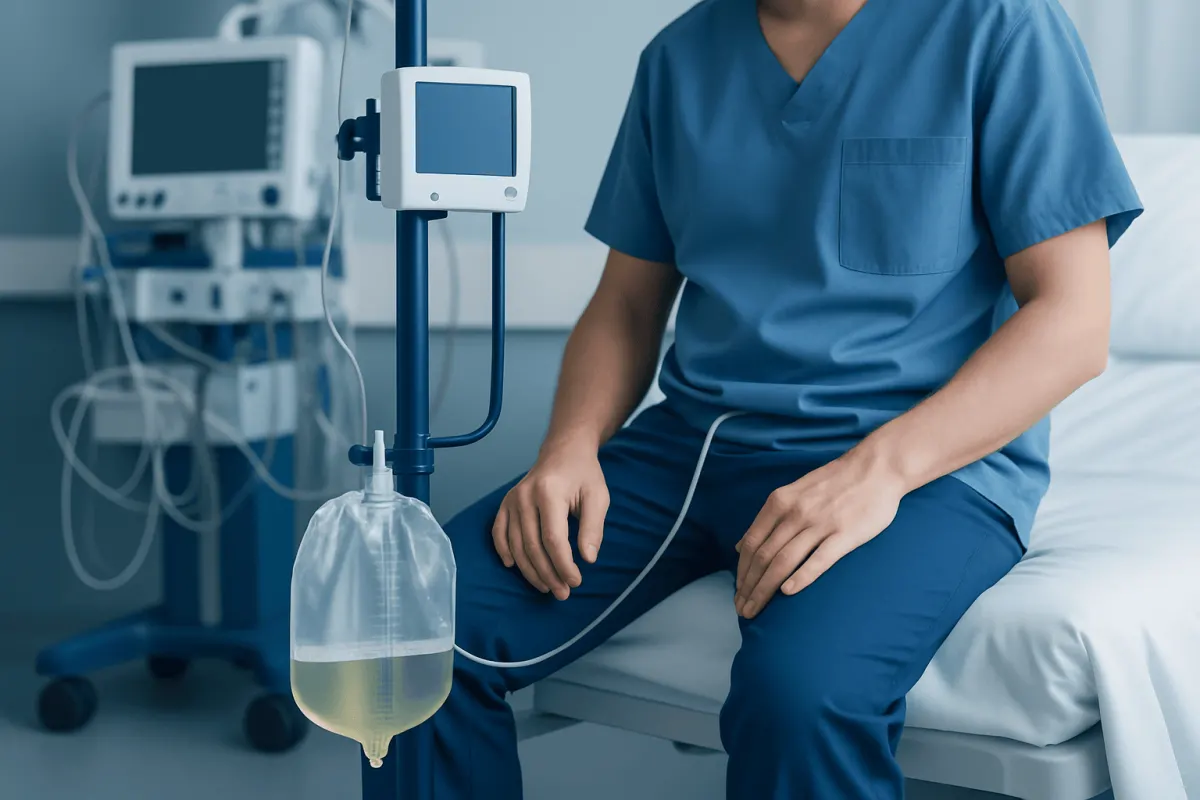
Immediately after surgery, urinary retention is a common concern. This means the bladder is full but cannot empty properly. It may happen because anesthesia, opioid pain medicines or swelling interfere with bladder contractions or relax the normal signals between the brain and bladder. A catheter may be used for a short period to drain urine while these effects resolve.
In contrast, peeing more frequently after surgery may be linked to increased fluid intake, intravenous fluids, bladder irritation from a catheter, temporary inflammation or a urinary tract infection. Following urinary tract or pelvic surgery, urgency, burning and frequent small-volume urination can occur while tissues heal. People should tell their care team if symptoms are becoming more intense rather than gradually improving.
Constipation can also worsen bladder symptoms because a full bowel can put pressure on the bladder and pelvic nerves. For people who have had prostate surgery, the urine stream may initially be variable and urgency may continue while the bladder adapts to relief of a longstanding blockage. For those who have had surgery for urinary leakage, temporary urgency or difficulty emptying can occur as tissues settle.
- Common short-term symptoms include mild burning, urgency, a slower stream or needing to urinate more often.
- Potential concerns include inability to pass urine, worsening lower abdominal swelling, cloudy or foul-smelling urine, fever, or significant bleeding.
- Recovery should be discussed in the context of the specific procedure and postoperative plan.
How long does it take for urination to return to normal after surgery?

For many operations not directly involving the urinary tract, urination begins to return toward normal within hours to a few days after anesthesia wears off and pain is controlled. If a catheter was used, the first few trips to the bathroom after removal may feel unfamiliar. Some people experience brief burning, urgency or a slower flow, especially if the catheter was in place for more than a short time.
After bladder, prostate, urethral or pelvic surgery, urine recovery often takes longer because the operated tissues need time to heal. Symptoms may fluctuate over several weeks, and the exact frequent urination surgery recovery time varies greatly. Procedures that correct obstruction can improve flow early but leave urgency or frequency for longer, while operations involving the pelvic floor may require a period of adjustment before bladder control becomes more predictable.
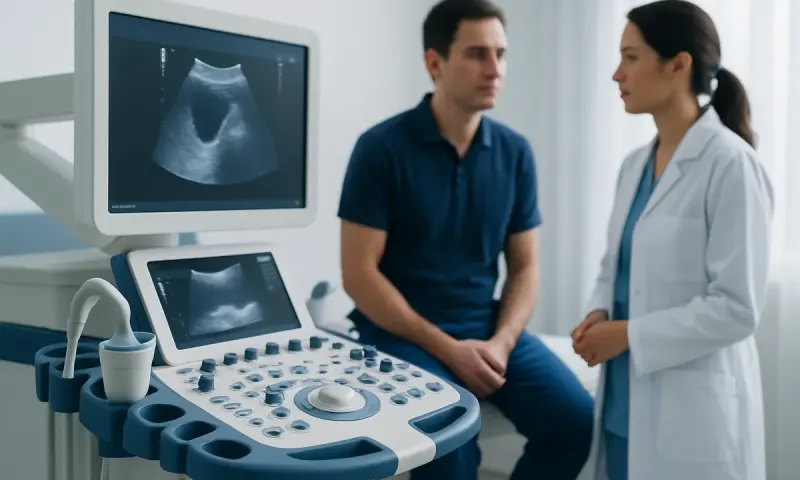
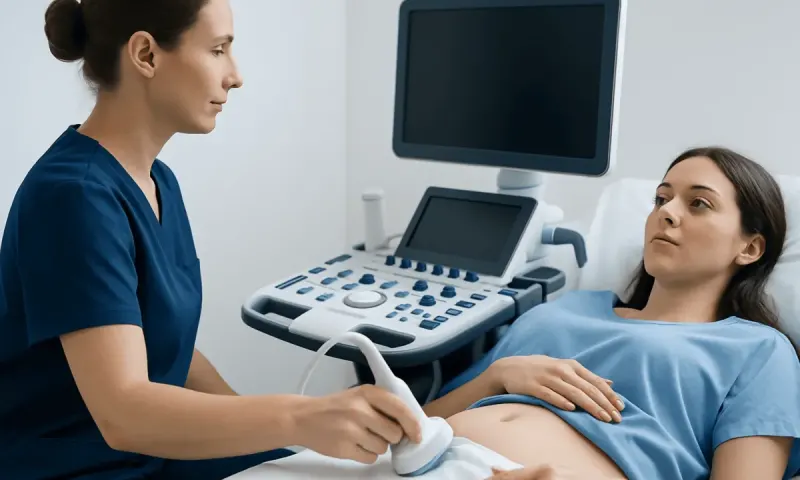
A care team may check bladder emptying with an ultrasound scan if a person has difficulty urinating after catheter removal. They may also test urine if infection is suspected. It is important not to assume that persistent urinary changes are simply part of recovery; an individualized review can identify retention, infection, medication effects or other treatable causes.
How to speed up bladder healing?
Bladder healing cannot safely be rushed, but supportive habits can help recovery proceed as expected. Patients should follow the fluid guidance provided by their surgical team. In many cases, drinking water regularly during the day helps prevent dehydration and concentrated urine, which can irritate the bladder. However, people with heart, kidney or liver conditions may have individualized fluid restrictions and should follow those instructions instead.
Gentle walking, as permitted after surgery, supports circulation, bowel activity and normal bladder function. Avoiding constipation is also helpful; the care team may recommend dietary measures, fluids, activity or a short-term bowel medicine. Patients should take pain medicines only as prescribed and ask whether a medicine could be contributing to difficulty urinating or constipation.
Temporarily limiting bladder irritants may reduce urgency and discomfort. These can include caffeine, alcohol, carbonated drinks and very acidic or spicy foods, although triggers vary from person to person. Heavy lifting, strenuous exercise and sexual activity should be resumed only when the surgical team says it is safe, particularly after pelvic or urological procedures.
Pelvic-floor exercises can be useful after certain operations, especially for urinary leakage, but the correct timing is important. A doctor, continence nurse or pelvic-floor physiotherapist can explain whether exercises are appropriate and how to perform them without straining recently healed tissues.
How long does it take to recover from a TURP procedure?
Transurethral resection of the prostate, usually called TURP, treats urinary obstruction caused by an enlarged prostate. During the procedure, a surgeon removes part of the prostate tissue through the urethra to improve urine flow. A catheter is commonly used for a short period afterward, and the timing of discharge and catheter removal depends on the person’s recovery and the surgical approach.
Many people notice a stronger stream after TURP, but full recovery commonly takes several weeks. Urgency, frequency, mild burning and small amounts of blood in the urine can come and go during healing. The bladder may take time to adjust after working against obstruction for a prolonged period, so peeing frequently after surgery does not necessarily mean the treatment has failed.
Most patients are advised to avoid strenuous exercise, heavy lifting and activities that increase bleeding risk during early recovery. The surgical team will give individualized guidance about fluids, medications, return to work and sexual activity. Contact the team promptly for inability to urinate, heavy bleeding or clots, fever, escalating pain, or symptoms that suggest infection.
Longer-term outcomes depend on factors such as prostate size, bladder function before surgery and other health conditions. Some urinary symptoms may persist if the bladder muscle has been affected by long-standing obstruction, and follow-up helps determine whether additional care is needed.
What is the success rate of urine incontinence surgery?
Urinary incontinence surgery is not one single procedure, so there is no universal success rate. Outcomes depend on whether leakage occurs with coughing, laughing or exercise (stress incontinence), follows prostate treatment, results from urgency, or has another cause. The type of surgery, the person’s anatomy, previous treatments, overall health and the definition of “success” also affect reported results.
For stress urinary incontinence in women, sling procedures can provide substantial improvement or dryness for many appropriately selected patients. For men with persistent stress incontinence after prostate treatment, options may include a male sling or an artificial urinary sphincter. These procedures can significantly reduce leakage, although they may not eliminate it completely and some people require later adjustment, revision or further treatment.
Before considering surgery, clinicians usually confirm the type and severity of incontinence through history, examination and, when appropriate, bladder tests. Conservative treatment may include bladder training, lifestyle changes and pelvic-floor physiotherapy. Treatment should be selected through a shared discussion of expected benefits, possible complications and the person’s priorities. Relevant options may also be reviewed through urinary incontinence information and specialist assessment.
When to seek medical care
Patients should contact their surgeon or healthcare team if urinary symptoms do not improve as expected, interfere with drinking or sleeping, or create concern during recovery. New symptoms after initially improving may need assessment for infection, retention, bleeding, constipation or a medicine-related effect. A urine test, bladder scan or examination can often clarify the cause.
Urgent medical care is needed for inability to pass urine with discomfort or lower abdominal swelling, fever or chills, severe or increasing pain, heavy bleeding, large blood clots in the urine, fainting, confusion, or signs of dehydration. These symptoms do not always indicate a serious complication, but they should not be managed at home without professional advice.
For people traveling for care, Acıbadem Health Point’s multidisciplinary specialists and JCI-accredited hospitals can assess urinary symptoms and provide coordinated treatment planning for international patients. Follow-up arrangements should always be discussed before travel, particularly after urological or pelvic surgery.
Frequently asked questions
01Is it normal to pee more often after surgery?
It can be normal for a short time, especially after receiving intravenous fluids, having a urinary catheter or undergoing pelvic or urinary tract surgery. Urgency and frequent small amounts of urine may occur while the bladder and surrounding tissues recover. Worsening symptoms, fever, pain, cloudy urine or difficulty emptying should be discussed with a clinician.
02Why can’t I urinate after anesthesia?
Anesthesia and some pain medicines can temporarily reduce bladder sensation and weaken the bladder’s ability to contract. Swelling, pain, immobility and constipation may also contribute. A clinician should assess anyone who cannot pass urine, particularly if there is pain or a feeling of bladder fullness.
03How long does burning when urinating last after a catheter?
Mild burning or irritation may occur for a short time after catheter removal because the urethra has been irritated. It should generally improve rather than become more severe. Persistent burning, fever, worsening urgency, foul-smelling urine or blood in the urine should be evaluated for infection or another problem.
04Can drinking more water help bladder recovery?
Regular water intake can help prevent dehydration and may reduce irritation from concentrated urine for many people. However, excessive drinking can increase frequency and may not be appropriate for people with certain heart, kidney or liver conditions. The surgical team’s fluid advice should take priority.
05When can I start pelvic-floor exercises after surgery?
The timing depends on the operation and the tissues involved. Pelvic-floor exercises are commonly recommended for some types of urinary leakage, but beginning too soon after pelvic surgery may be uncomfortable or inappropriate. A surgeon, continence specialist or pelvic-floor physiotherapist can provide personalized guidance.
06Will urinary leakage after prostate surgery improve?
Urinary leakage can improve gradually after prostate surgery as tissues recover and pelvic-floor muscles regain strength. Recovery varies, and some people benefit from supervised pelvic-floor rehabilitation or other treatments. Persistent or bothersome leakage should be reviewed by a urologist because several effective management options may be available.
This article is for general information only and is not a substitute for professional medical advice. Please consult a qualified doctor about your individual situation.
Persistent digestive symptoms? Get evaluated in Turkey
JCI-accredited · board-certified surgeons · reply within 24h
Add us as a Preferred Source to see more of our trusted health content across Google Search, AI Overviews and Discover.