Peeing Changes: When Urination Symptoms Need Assessment
Peeing, also called urination, is the body’s normal way of removing urine from the bladder. It should usually be comfortable and controlled; pain, blood, persistent urgency, leakage, or difficulty passing urine can be signs to discuss with a healthcare professional.
What happens when a person pees?
Peeing is the everyday process of releasing urine from the bladder through the urethra and out of the body. The kidneys continuously filter waste products and extra fluid from the blood to make urine. Urine then travels through two narrow tubes called ureters to the bladder, where it is stored until it is convenient to empty.
As the bladder fills, stretch signals travel through nerves to the spinal cord and brain. When a person decides it is an appropriate time to urinate, the brain coordinates relaxation of the pelvic floor and urinary sphincters while the bladder muscle contracts. This coordinated process allows urine to flow. In healthy adults, peeing should generally be painless and should leave a feeling that the bladder has emptied.
The word “procedure” may sometimes be used broadly to describe urination, but peeing is not usually a medical procedure. It is a normal body function. Medical procedures involving urination may include collecting a urine sample, measuring urine flow, inserting a catheter, or testing bladder function when symptoms need evaluation.
What is a normal peeing pattern?
There is no single number of daily toilet visits that is normal for everyone. Frequency depends on how much a person drinks, the timing of fluids, temperature, exercise, caffeine or alcohol intake, medicines, and individual bladder capacity. Many people urinate several times during the day and may occasionally wake at night to pee, especially after drinking fluids late in the evening.
A comfortable pattern usually includes a steady urine stream, no straining, no pain, and enough warning to reach the toilet. Urine color also changes with hydration. Pale yellow urine often reflects adequate fluid intake, while darker yellow urine can occur when a person has had less fluid. Some foods, vitamins, and medicines can temporarily change urine color or odor.
It is useful to notice a person’s usual pattern rather than comparing it closely with someone else’s. A sudden or persistent change, such as needing to pee much more often, rushing urgently to the bathroom, getting up repeatedly overnight, or having a weak stream, may deserve assessment—particularly if it affects sleep, work, travel, or quality of life.
Common changes and symptoms during urination

Urinary symptoms can occur for many reasons and do not always indicate a serious condition. Burning or stinging may occur with irritation or a urinary tract infection. Urgency is a sudden, difficult-to-delay need to pee, while frequency means urinating more often than is usual for that individual. Leakage can happen with coughing, laughing, exercise, urgency, mobility difficulties, or changes in pelvic floor support.
Other symptoms include difficulty starting to pee, straining, a weak or interrupted stream, dribbling after urination, or the sensation that urine remains in the bladder. In men, these symptoms may be related to enlargement of the prostate gland, although other causes are possible. In women, pregnancy, menopause, pelvic floor changes, and infections can influence bladder symptoms.
Blood in urine may make it look pink, red, or brown, although it can also be visible only on a laboratory test. Cloudy or unusually strong-smelling urine alone is not always a reliable sign of infection, especially if fluid intake has been low. Symptoms should be considered together with pain, fever, urinary changes, general wellbeing, and medical history.
- Burning or pain with peeing
- Urgency, frequency, or waking repeatedly at night
- Leakage or loss of bladder control
- Slow, weak, split, or interrupted urine flow
- Pelvic, lower abdominal, back, or side pain
- Visible blood in urine
Why peeing can become difficult or uncomfortable
Common causes of urinary discomfort include urinary tract infections, which may affect the bladder or, less commonly, the kidneys. A bladder infection can cause burning, urgency, frequent small amounts of urine, and lower abdominal discomfort. Kidney stones can sometimes cause severe side or back pain, nausea, and blood in the urine. Conditions affecting the kidneys, bladder, urethra, prostate, pelvic floor, or nervous system can also change urinary function.
Urinary retention means the bladder cannot empty fully or at all. It may be related to an enlarged prostate, constipation, certain medicines, surgery, nerve conditions, or narrowing of the urethra. In contrast, overactive bladder describes a group of symptoms often including urgency, frequent urination, and sometimes urgency-related leakage. A clinician can help distinguish between these patterns because treatment differs according to the cause.
High blood glucose, heart or kidney conditions, sleep disorders, anxiety, pregnancy, and some medicines can contribute to more frequent urination. Diuretics, often called water tablets, are designed to increase urine production. Caffeine and alcohol may also increase urine output or irritate the bladder in some people. A medical review is especially important if urinary symptoms are new, persistent, recurrent, or accompanied by other symptoms.
How urinary symptoms are assessed
A healthcare professional will usually begin by asking about symptoms, timing, fluid intake, medicines, previous infections, pregnancy where relevant, medical conditions, and any history of urinary surgery or neurological disease. A bladder diary can be helpful. It records fluid intake, toilet visits, estimated urine amounts, episodes of urgency or leakage, and nighttime waking over several days.
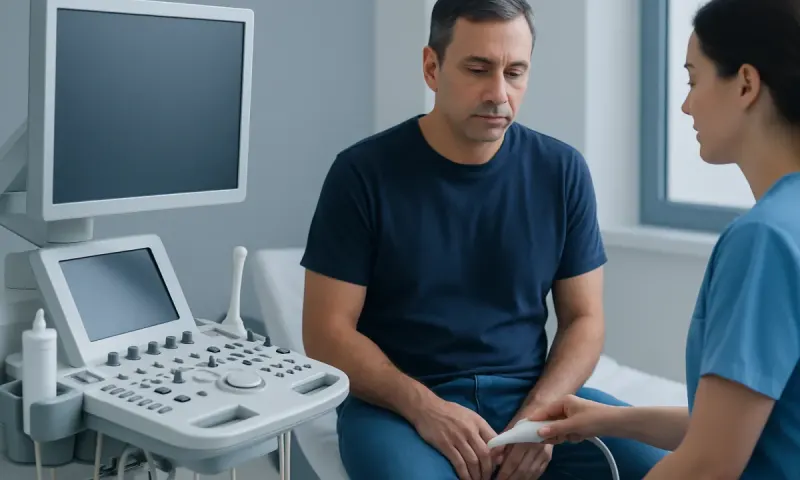
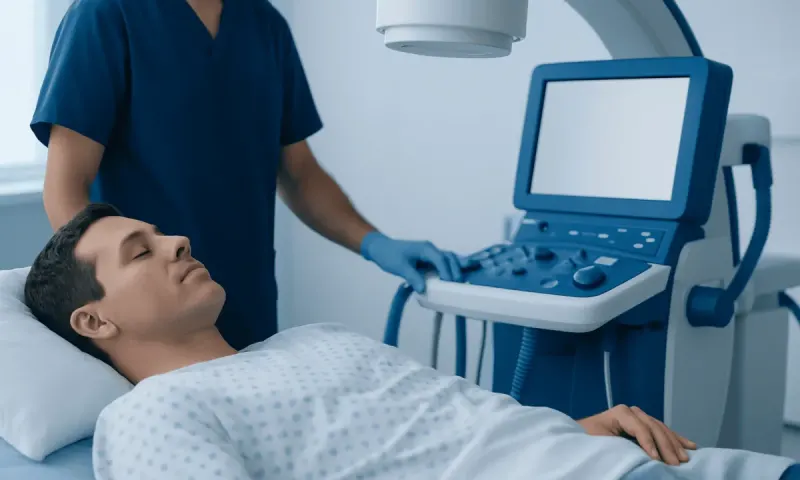
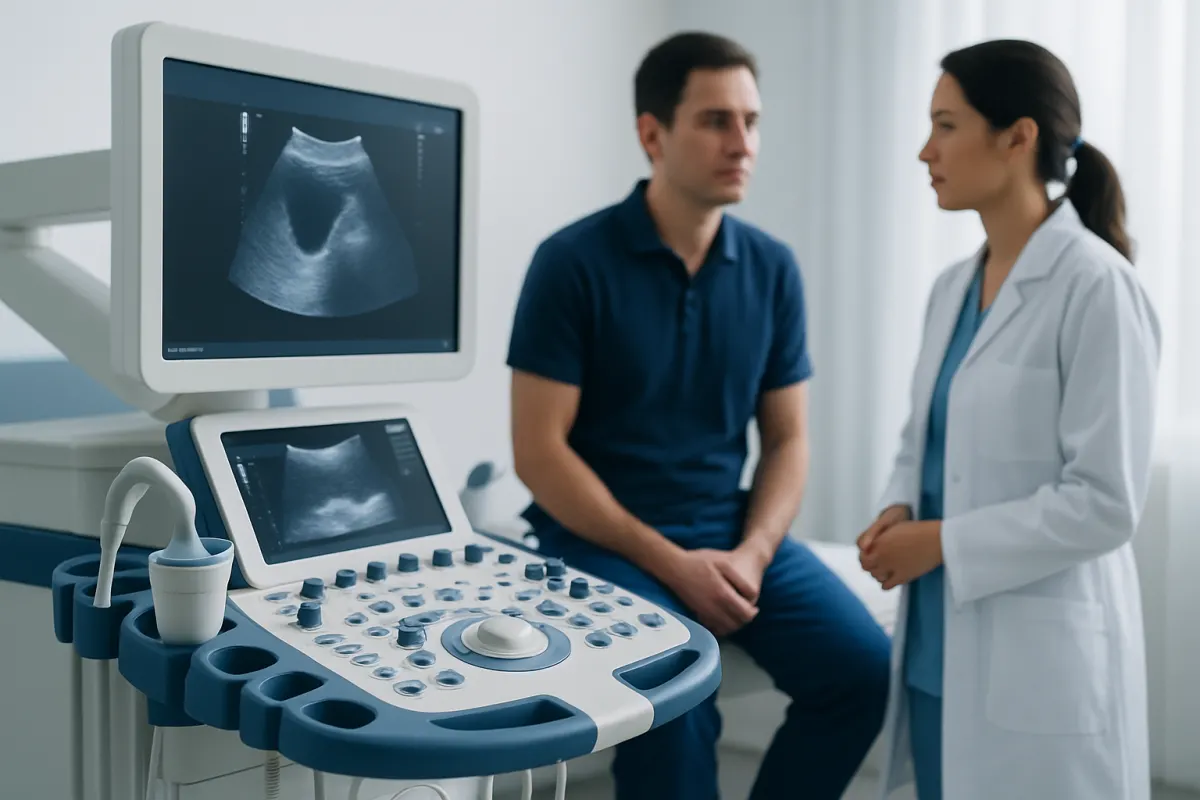
A urine sample may be checked for signs of infection, blood, glucose, protein, or other abnormalities. Depending on symptoms, the clinician may recommend blood tests, a physical examination, or imaging of the kidneys and bladder. A bladder ultrasound scan after urination can estimate whether urine remains in the bladder.
Further tests are selected only when needed. These can include urine flow testing, cystoscopy to view the inside of the bladder and urethra, or urodynamic testing to examine bladder pressure and function. These investigations can clarify the cause of complex, persistent, or treatment-resistant symptoms and guide an appropriate care plan.
Treatment, recovery and expected results
Treatment depends on the underlying cause rather than the symptom alone. For a confirmed bacterial urinary tract infection, a clinician may recommend antibiotics selected for the individual situation. Symptoms caused by stones, prostate enlargement, pelvic floor weakness, medication effects, bladder overactivity, or incomplete emptying require different approaches. It is important not to use leftover antibiotics or assume that every episode of urinary discomfort is an infection.
Bladder training, pelvic floor muscle rehabilitation, adjustments to fluid timing, and treatment of constipation may improve urgency, frequency, and some types of leakage. Medication may be considered for selected conditions. Procedures may occasionally be needed for issues such as urinary obstruction, stones, structural concerns, or certain forms of incontinence. When a catheter is required to drain urine, the care team explains catheter care and whether its use is temporary.
Recovery and results vary with the diagnosis. An uncomplicated infection may improve after appropriate treatment, while chronic bladder symptoms can take longer and may need a combination of lifestyle measures and medical care. The aim is to reduce symptoms, protect kidney and bladder health, and help the person return to comfortable daily activities.
Supporting healthy bladder habits
Regular fluid intake supports overall health and can help prevent urine from becoming overly concentrated. The amount that is right for one person depends on climate, activity level, pregnancy, health conditions, and medical advice. People with heart, kidney, or liver conditions should follow their clinician’s recommendations about fluids rather than making major changes independently.
It can help to respond to the urge to pee without routinely holding urine for very long periods. At the same time, going “just in case” very frequently can sometimes reinforce urgency in people with bladder sensitivity. A clinician or pelvic health professional can provide personalized guidance if urgency or leakage is a concern.
Managing constipation, maintaining regular physical activity, avoiding smoking, and limiting personal bladder triggers may be useful. Caffeine, carbonated drinks, alcohol, artificial sweeteners, or spicy foods affect some people but not others. Keeping a short symptom and food-and-drink diary can identify patterns without unnecessarily restricting the diet.
When to seek medical care
Urgent medical care is needed if a person cannot pass urine and has painful bladder fullness, or if urinary symptoms occur with fever, chills, vomiting, severe side or back pain, confusion, or marked weakness. These symptoms may require prompt evaluation, particularly in older adults, pregnant people, children, or individuals with reduced immunity or known kidney disease.
A doctor should assess visible blood in urine, even if it occurs once and is painless. Medical advice is also appropriate for burning that persists, recurring urinary tract infections, new leakage, difficulty emptying the bladder, a weak stream, or a substantial change in usual urination habits. Early assessment can identify treatable causes and reduce the risk of complications.
Acıbadem Health Point’s multidisciplinary specialists and JCI-accredited hospitals assess and treat urinary concerns for international patients. The appropriate clinician may include a primary care doctor, urologist, gynecologist, nephrologist, or pelvic health professional, depending on the symptoms and their likely cause.
Frequently asked questions
01How often should a person pee in a day?
There is no exact number that applies to everyone. Fluid intake, caffeine, alcohol, medicines, activity, age, and health conditions all affect frequency. A persistent change from a person’s usual pattern, especially with urgency, pain, or sleep disruption, is worth discussing with a clinician.
02Is it normal to wake up at night to pee?
Occasional nighttime urination can be normal, especially after drinking fluids close to bedtime. Waking regularly several times may be linked to fluid timing, medicines, sleep problems, bladder conditions, prostate enlargement, diabetes, or other health issues. A healthcare professional can help identify contributing factors when it is persistent or troublesome.
03Why does peeing burn?
Burning can occur with a urinary tract infection, irritation of the urethra, sexually transmitted infections, vaginal or genital conditions, stones, or other causes. A urine test and clinical assessment may be needed to identify the cause. Prompt advice is important if burning occurs with fever, flank pain, blood in urine, or pregnancy.
04What does it mean if urine is dark yellow?
Dark yellow urine commonly occurs when urine is concentrated because a person has not had enough fluid. It may become lighter after drinking fluids if there is no medical reason to restrict intake. However, brown, tea-colored, red, or pink urine should be assessed, particularly if the change is unexplained or persistent.
05Can holding pee cause problems?
Occasionally delaying urination is usually not harmful for most healthy people. Regularly holding urine for long periods can be uncomfortable and may worsen bladder symptoms in some individuals. People who cannot urinate when they need to, or who repeatedly feel unable to empty their bladder, should seek medical advice.
06When is blood in urine an emergency?
Visible blood in urine should always be medically assessed, even when there is no pain. Emergency care is especially important if there are blood clots, inability to urinate, severe pain, fever, dizziness, or heavy bleeding. Causes range from infection and stones to conditions that need more detailed investigation.
This article is for general information only and is not a substitute for professional medical advice. Please consult a qualified doctor about your individual situation.
Joint and spine care in Turkey — expert assessment & treatment
JCI-accredited · board-certified surgeons · reply within 24h
Add us as a Preferred Source to see more of our trusted health content across Google Search, AI Overviews and Discover.