Patellar Tendinitis: Symptoms and Treatment

Key Takeaways
- Pain is usually felt below the kneecap and often worsens with jumping, running, squatting, or stairs.
- It is most often caused by repeated stress on the patellar tendon rather than a single injury.
- Diagnosis is usually based on history and a physical examination, with imaging used when needed.
- Treatment often begins with activity modification, targeted rehabilitation, and pain-relief strategies.
- Recovery is typically gradual, and returning too quickly to sport can delay healing.
Patellar tendinitis is an overuse injury of the tendon that connects the kneecap to the shinbone, often causing pain just below the knee. It commonly affects active people, but with the right care and recovery plan, most patients improve gradually and safely.
When to See a Doctor
Medical assessment is recommended if knee pain lasts more than a short period, keeps returning, or begins to limit sport, work, or everyday movement. It is also wise to seek care if the pain is becoming more frequent despite rest and basic self-care.
A doctor should evaluate the knee sooner if there is marked swelling, a sudden pop, significant weakness, inability to bear weight, or pain that follows a distinct injury. Those features may suggest a different problem that needs prompt attention.
People who have had symptoms for several weeks, especially athletes hoping to return to competition, benefit from an evaluation before pushing through pain. With the right diagnosis, most patients can move forward with a realistic plan rather than guessing which activity is safe.
Acibadem Health Point’s multidisciplinary specialists and JCI-accredited hospitals diagnose and treat patellar tendinitis for international patients, with care coordinated to support both treatment and recovery planning.
Frequently asked questions
01Is patellar tendinitis the same as jumper's knee?
Yes, jumper's knee is the common name for patellar tendinitis. Both terms describe irritation of the tendon below the kneecap, usually from repeated jumping or other high-load activities. The name reflects the type of movement that often triggers the problem.
02Can patellar tendinitis heal without surgery?
In many cases, yes. Most patients improve with activity modification, progressive strengthening, and a carefully guided return to sport or exercise. Surgery is considered only when symptoms remain severe and persistent despite appropriate non-surgical treatment.
03Should someone stop all exercise if they have this condition?
Not always. Many people do better with modified activity rather than complete rest, as long as the painful load is reduced and the knee is not being repeatedly aggravated. A clinician or physiotherapist can help decide which activities are safe during recovery.
04How long does recovery usually take?
Recovery is often gradual and depends on how long the symptoms have been present and how well the tendon responds to rehabilitation. Some people improve over weeks, while others need a longer, phased plan before returning fully to sport. Consistency matters more than rushing the process.
05What is the difference between patellar tendinitis and patellar bursitis?
Patellar tendinitis affects the tendon below the kneecap, while bursitis involves inflammation of a small fluid-filled sac near the knee. The symptoms can overlap, which is why a proper examination is useful. A clinician can help identify the source of pain and guide treatment accordingly.
06When is imaging needed?
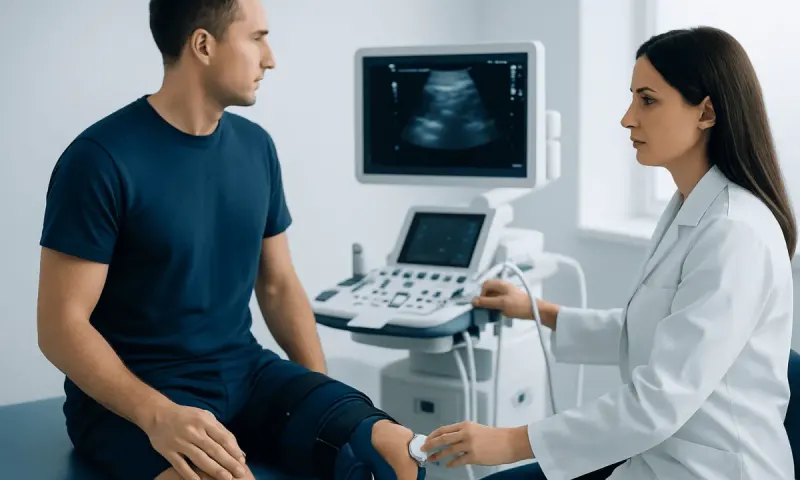
Imaging is not always required, especially when the symptoms and examination are typical. It may be useful if the diagnosis is uncertain, if pain is not improving as expected, or if another knee condition needs to be ruled out. Your doctor will decide whether ultrasound or MRI is appropriate.
This article is for general information only and is not a substitute for professional medical advice. Please consult a qualified doctor about your individual situation.
Joint and spine care in Turkey — expert assessment & treatment
JCI-accredited · board-certified surgeons · reply within 24h
Add us as a Preferred Source to see more of our trusted health content across Google Search, AI Overviews and Discover.