

Paroxysmal Atrial Fibrillation: Symptoms and Treatment
- 8 min read
- Published November 27, 2026
Key Takeaways
- Episodes may come and go, so symptoms can be easy to miss or dismiss.
- Atrial fibrillation can increase the risk of stroke, which is why evaluation matters even when symptoms fade.
- Diagnosis often includes an ECG, heart monitoring, and checks for related conditions.
- Treatment may focus on rhythm control, rate control, and stroke prevention.
- Lifestyle steps such as managing blood pressure, sleep, and stress can support heart health.
- People with new, severe, or persistent symptoms should seek medical advice promptly.
Paroxysmal atrial fibrillation is a heart rhythm condition in which episodes of irregular heartbeat start suddenly and stop on their own. Understanding the warning signs, common triggers, and treatment choices can help patients and caregivers respond calmly and seek the right care.
Overview
Paroxysmal atrial fibrillation, often shortened to paroxysmal AF or paroxysmal AFib, is a type of atrial fibrillation that starts suddenly and then ends on its own. During an episode, the upper chambers of the heart beat in a fast, irregular way, which can make the pulse feel uneven or fluttery.
Because the episodes can stop before a person reaches a clinic, the condition is sometimes difficult to catch. That does not make it less important. Even brief episodes can matter for overall heart health, and in some people they may be linked to a higher risk of stroke or worsening symptoms over time.
For international patients, the first decision is often not just what the diagnosis is, but where to have it confirmed and followed. A careful cardiology assessment can clarify whether symptoms come from paroxysmal AF, another rhythm problem, or a different heart or thyroid condition.
Symptoms

Some people feel paroxysmal atrial fibrillation very clearly. Others notice only subtle changes, and a few have no symptoms at all. When symptoms do appear, they often begin and end unexpectedly, which can make them difficult to link to a specific cause.
Common symptoms may include:
- A racing, pounding, fluttering, or irregular heartbeat
- Shortness of breath, especially with activity
- Fatigue or reduced exercise tolerance
- Dizziness, lightheadedness, or a sense of unsteadiness
- Chest discomfort or pressure
- Anxiety that appears alongside palpitations
Symptoms do not always reflect how serious the rhythm disturbance is. A brief episode may feel dramatic, while a longer episode may be only mildly noticeable. Because symptoms overlap with other conditions, medical evaluation is important rather than relying on sensation alone.
Causes & Risk Factors

Paroxysmal atrial fibrillation usually develops when the electrical system of the heart becomes irritated or unstable. In some people, the rhythm problem appears without a single obvious cause, while in others it is associated with a broader medical issue or a combination of triggers.
Common risk factors and contributors include high blood pressure, older age, coronary artery disease, heart valve disease, heart failure, obesity, sleep apnea, diabetes, thyroid disease, heavy alcohol use, smoking, and a family history of atrial fibrillation. Acute triggers such as dehydration, illness, fever, intense stress, or stimulants may also play a role in some patients.
Not every person with a risk factor develops atrial fibrillation, and not every episode has the same trigger. A clinician’s job is to sort out which factors are present, which are modifiable, and whether another condition needs treatment alongside the rhythm issue.
Diagnosis
Diagnosis begins with a careful conversation about symptoms, timing, medications, lifestyle factors, and medical history. Because paroxysmal atrial fibrillation can come and go, a normal checkup or pulse reading does not always rule it out.
An electrocardiogram, or ECG, may capture the rhythm if an episode is happening during the visit. If episodes are intermittent, a doctor may recommend longer heart monitoring, such as a Holter monitor, patch monitor, event recorder, or other ambulatory device. These tools increase the chance of recording the rhythm during a real-life episode.
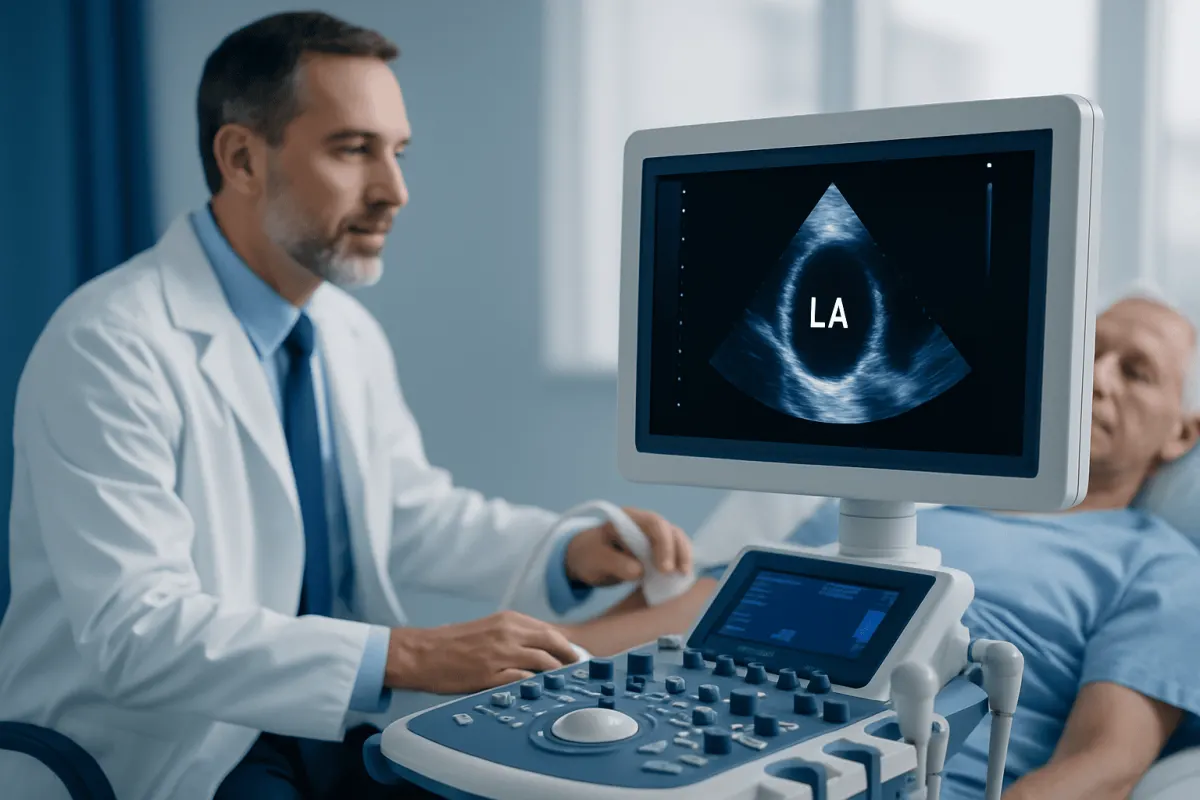
Additional tests are often used to look for contributing conditions and to guide treatment. These may include blood tests, an echocardiogram to assess heart structure and pumping function, and evaluation of blood pressure, thyroid function, sleep apnea risk, and other cardiovascular concerns. For patients traveling from abroad, coordinated testing can be especially useful because it helps compress evaluation into a planned, efficient visit.
Treatment Options
Treatment is individualized. Some people mainly need stroke-risk reduction, while others need help controlling symptoms, preventing recurrence, or both. The best plan depends on age, symptom burden, overall heart health, and whether the atrial fibrillation is causing complications.
Doctors may choose a rate-control approach, which helps slow the heart rate during episodes, or a rhythm-control approach, which aims to restore and maintain a more normal rhythm. In selected cases, cardioversion or catheter ablation may be discussed. These options are considered after a thorough review of benefits, limitations, and overall suitability.
Stroke prevention is a central part of care for many patients. Depending on a person’s risk profile, a clinician may recommend an anticoagulant medication to lower the chance of clot-related stroke. Other treatments may target underlying drivers such as blood pressure, sleep apnea, thyroid disorders, or heart failure. The exact plan should always be guided by a qualified cardiologist, since the safest option can differ from one person to another.
Prevention & Self-care
Not every episode can be prevented, but many patients can reduce triggers and support steadier heart rhythm with practical daily habits. The goal is not perfection; it is consistency in the areas that matter most for cardiovascular health.
Helpful self-care steps often include keeping blood pressure, blood sugar, and weight in a healthy range; limiting alcohol if it worsens symptoms; staying hydrated; sleeping well; and treating sleep apnea if present. Regular, moderate physical activity is usually beneficial, but sudden changes in exercise intensity should be discussed with a clinician first.
It also helps to note patterns. Some people track palpitations, sleep, caffeine, alcohol, illness, stress, or missed medications in a simple diary or app. This information can make follow-up care more precise, especially when appointments are being coordinated across countries and time zones.
When to See a Doctor
Medical evaluation is appropriate whenever a person has new, unexplained palpitations, repeated episodes of irregular heartbeat, or symptoms that interfere with daily life. Even when the sensation fades before the appointment, the history still matters and should be discussed with a doctor.
Urgent assessment is especially important if palpitations come with chest pain, fainting, severe shortness of breath, new weakness, trouble speaking, facial drooping, or other possible stroke symptoms. These signs deserve immediate emergency care rather than waiting for a routine visit.
People already diagnosed with atrial fibrillation should ask their clinician how often they need follow-up, what symptoms should trigger earlier contact, and whether their current stroke-prevention plan still fits their health profile. In internationally coordinated care, Acibadem Health Point’s multidisciplinary specialists and JCI-accredited hospitals can evaluate and treat paroxysmal atrial fibrillation for patients who need diagnosis, monitoring, or a second opinion.
Living With the Condition
Paroxysmal atrial fibrillation can be unsettling at first because it often arrives without warning. Over time, many patients do better when they understand their personal pattern, know which symptoms matter most, and have a clear plan for follow-up.
Living well with the condition usually means combining medical treatment with practical routines: taking prescribed medicines as directed, attending rhythm monitoring appointments, and communicating changes early. This is especially important after travel, major stress, an infection, or a change in other medications, since any of these can influence heart rhythm.
With the right evaluation and ongoing care, many people manage paroxysmal AF successfully and continue their usual activities. The key is not to ignore episodes simply because they stop on their own; each one is useful information for the care team.
Frequently asked questions
01What makes paroxysmal atrial fibrillation different from other types of AFib?
Paroxysmal atrial fibrillation starts suddenly and then stops on its own, often within minutes to days. Other forms of atrial fibrillation may last longer or be present continuously. The symptoms can look similar, so the difference is mainly how often and how long the episodes occur.
02Can paroxysmal atrial fibrillation go away without treatment?
An episode may end on its own, but that does not mean the condition should be ignored. Some people have one episode, while others have repeated events or progression over time. A doctor can assess stroke risk and decide whether treatment is needed even if symptoms have settled.
03How is paroxysmal AFib found if it comes and goes?
A standard ECG can show the rhythm if an episode is happening during the test. If not, a clinician may suggest longer monitoring with a Holter, patch, or event recorder. These devices are often the best way to capture intermittent episodes.
04Does everyone with paroxysmal atrial fibrillation need blood thinners?
No. The decision depends on a person’s stroke risk and overall medical profile, not on symptoms alone. A doctor will weigh the benefits and risks of anticoagulation before recommending a plan.
05What lifestyle changes can help with AFib episodes?
Many patients benefit from managing blood pressure, improving sleep, limiting alcohol, staying hydrated, and treating conditions like sleep apnea. Regular follow-up and taking prescribed medicines consistently are also important. A clinician can help identify the most relevant triggers for each person.
06Is paroxysmal atrial fibrillation an emergency?
Not always, but some symptoms require urgent care. Chest pain, fainting, severe breathlessness, or signs of stroke should be treated as emergencies. Even when symptoms are mild, a medical review is still important if episodes are new or recurring.
This article is for general information only and is not a substitute for professional medical advice. Please consult a qualified doctor about your individual situation.
Heart care in Turkey — expert evaluation and treatment
JCI-accredited · board-certified surgeons · reply within 24h
Add us as a Preferred Source to see more of our trusted health content across Google Search, AI Overviews and Discover.


How can we help you today?
Meet an Acibadem specialist by secure video, before you travel.
Book a video visit