Left Atrial Enlargement: Symptoms, Causes and Treatment

Key Takeaways
- Left atrial enlargement is a sign, not a standalone disease.
- High blood pressure, valve disease, and atrial fibrillation are common contributors.
- Some people notice no symptoms, while others feel palpitations, shortness of breath, or reduced exercise tolerance.
- Diagnosis often starts with an echocardiogram and may include an ECG and other heart tests.
- Treatment focuses on the underlying cause and lowering strain on the heart.
Left atrial enlargement means the upper left chamber of the heart has become larger than expected, usually because it has been working under extra strain over time. It is not a diagnosis by itself, but a clue that another heart or blood-pressure condition may need attention.
Overview
Left atrial enlargement describes a larger-than-normal left atrium, the heart’s upper left chamber. This chamber receives oxygen-rich blood from the lungs and helps move it into the left ventricle before blood is pumped to the body. When the left atrium is repeatedly exposed to pressure or volume overload, it may stretch and enlarge over time.
For many patients, this finding appears on an echocardiogram or other heart study before it causes obvious symptoms. That can feel surprising, especially during an evaluation done for something else such as a heart murmur, high blood pressure check, palpitations, or shortness of breath. In practice, the enlargement is a clue that helps clinicians look for the reason the heart has been under stress.
The significance of the finding depends on its cause, size, and whether it is accompanied by other heart changes. Some people need only careful monitoring and risk-factor control, while others may need treatment for valve disease, rhythm problems, or blood pressure. The goal is not to treat the chamber size alone, but to protect the heart from further strain.
Symptoms
Left atrial enlargement may cause no direct symptoms at all, especially when it is mild or discovered early. In those cases, any symptoms a person does have are often related to the underlying condition, such as high blood pressure or a valve problem, rather than to the enlarged chamber itself.
When symptoms do occur, they may be vague at first. Some people notice that ordinary activity feels harder than before, or that they become winded more quickly when climbing stairs, walking uphill, or carrying luggage. Others may feel an irregular heartbeat, skipped beats, or a fluttering sensation in the chest.
Possible symptoms associated with the conditions that lead to left atrial enlargement can include:
- Shortness of breath, especially with exertion or when lying flat
- Palpitations or a racing, irregular pulse
- Fatigue or reduced stamina
- Chest discomfort in some cases
- Swelling in the legs or ankles when heart function is affected
Because these symptoms overlap with many other medical issues, they should be interpreted in context. A healthcare professional can help determine whether the findings point to a heart rhythm issue, a valve problem, or another condition entirely.
Causes & Risk Factors

The left atrium enlarges when it must hold more blood than usual or pump against higher pressure over time. One of the most common drivers is long-standing high blood pressure, which makes the heart work harder and can gradually change the structure of the heart muscle and chambers.
Valve disease is another important cause, especially mitral valve problems. If the mitral valve is narrowed or does not close properly, blood can back up into the left atrium or create extra workload for the chamber. Over time, that strain may lead to enlargement. Other causes include heart failure, atrial fibrillation, obesity, sleep apnea, and some congenital or structural heart conditions.
Risk tends to rise when several factors are present together. A person with untreated hypertension, for example, may also develop sleep apnea or atrial fibrillation, and each condition can reinforce the others. Common contributors include:
- High blood pressure
- Mitral valve stenosis or mitral regurgitation
- Atrial fibrillation or other rhythm disturbances
- Heart failure or other forms of cardiomyopathy
- Obesity and metabolic risk factors
- Sleep apnea
- Older age and a family history of heart disease
Understanding the cause matters because treatment is directed at the underlying trigger. In many patients, improving blood pressure control, addressing sleep apnea, or managing a valve disorder can help protect the heart from further remodeling.
Diagnosis
Diagnosis often begins with a medical history and physical examination. A clinician may ask about breathlessness, exercise tolerance, palpitations, blood pressure history, snoring, prior heart disease, and family history. Listening to the heart may reveal a murmur or an irregular rhythm that points toward a valve issue or atrial fibrillation.
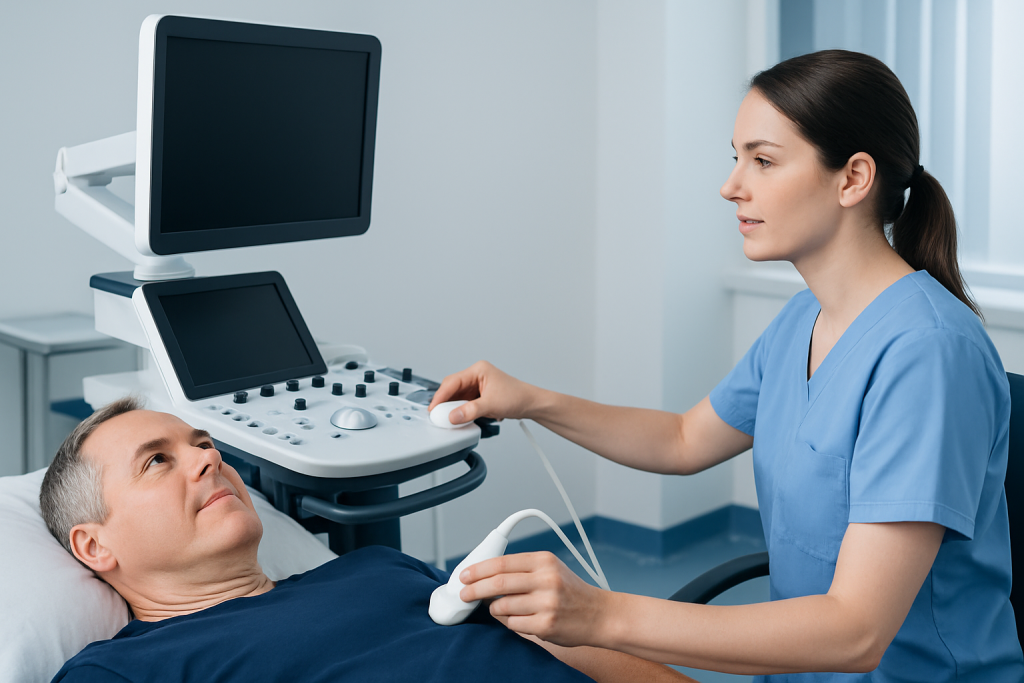
An echocardiogram is the key test used to assess the left atrium. This ultrasound study shows the heart’s chambers, valves, and pumping function, and it can measure the size of the atrium and how well blood moves through the heart. Many people are diagnosed after an echocardiogram performed for another reason, such as unexplained shortness of breath or a new murmur.
Other tests may be added to understand why the atrium is enlarged and whether the heart rhythm is affected. These may include:
- Electrocardiogram (ECG) to look for atrial fibrillation or other rhythm changes
- Chest imaging in selected cases
- Blood tests to check for contributing conditions
- Holter or event monitoring if palpitations are intermittent
- Additional valve or stress testing when symptoms or findings suggest it
For international patients who are considering care abroad, it helps to bring previous ECGs, echo reports, medication lists, and blood pressure records. Those documents make it easier for the treating team to compare changes over time and build a clear plan without repeating unnecessary tests.
Treatment Options
Treatment depends on what caused the enlargement and whether the patient has symptoms or complications. Because left atrial enlargement is a sign of stress on the heart, care is aimed at reducing that stress and preventing related problems such as atrial fibrillation, stroke risk, or worsening valve disease.
If high blood pressure is the main issue, controlling blood pressure is central. If a mitral valve disorder is present, treatment may include medicines for symptom relief and, in some cases, a procedure or surgery to repair or replace the valve. If atrial fibrillation is present, the care plan may include rhythm or rate management and evaluation of stroke prevention.
Depending on the cause, a clinician may recommend one or more of the following approaches:
- Blood pressure control and regular monitoring
- Treatment of atrial fibrillation or other arrhythmias
- Management of valve disease, including procedural options when appropriate
- Care for heart failure if heart pumping function is reduced
- Weight management and treatment of sleep apnea when relevant
Medicine choices and procedures are individualized. It is important not to assume that a single test result automatically means a major intervention is needed. Many patients do well with consistent medical follow-up, while others benefit from specialist evaluation to decide whether a valve procedure, rhythm treatment, or longer-term monitoring is the safest next step.
Prevention & Self-care
Left atrial enlargement is not always preventable, especially when it is linked to inherited or structural heart disease. Even so, reducing the heart’s workload can help slow progression and support overall cardiovascular health. The most useful self-care often looks simple, but it is most effective when done steadily.
Daily habits that support the heart include keeping blood pressure under control, staying active within the limits recommended by a clinician, eating in a heart-conscious way, avoiding tobacco, and treating sleep apnea if present. It also helps to keep regular follow-up appointments, because small changes in symptoms or test results can matter over time.
Practical self-care steps may include:
- Take prescribed medicines as directed and do not stop them without medical advice
- Track blood pressure if recommended
- Limit excess salt if advised for blood pressure or fluid control
- Maintain a healthy weight and support gradual, sustainable activity
- Seek evaluation for snoring, witnessed breathing pauses, or daytime sleepiness
For patients traveling from another country for diagnosis or treatment, planning matters. Bringing a written history, copies of prior test results, and a list of current medicines helps the cardiology team move efficiently from assessment to treatment and then to follow-up planning after the patient returns home.
When to See a Doctor
A doctor should be consulted when left atrial enlargement is reported on a test, even if the person feels well. The finding usually means there is an underlying heart issue that deserves attention, and early evaluation can clarify whether it is something that needs treatment now or careful observation over time.
Medical review is especially important if there are symptoms such as shortness of breath, new palpitations, reduced exercise tolerance, fainting, chest pain, or swelling in the legs. These symptoms do not always mean a serious problem, but they should be assessed promptly so the cause can be identified and managed appropriately.
Urgent care is appropriate if chest pain is severe, breathing becomes difficult at rest, there is a fainting episode, or a fast irregular heartbeat is accompanied by weakness or dizziness. In less urgent situations, a cardiology visit can usually be arranged to review prior test results, examine the heart, and decide on the next steps.
Acibadem Health Point supports international patients through multidisciplinary cardiology evaluation in JCI-accredited hospitals, where specialists can diagnose and treat left atrial enlargement and the conditions behind it in a coordinated way. The focus remains on clear explanation, safe planning, and follow-up that can continue after the patient returns home.
Frequently asked questions
01Is left atrial enlargement a disease on its own?
No. It is usually a sign that another condition is placing extra strain on the heart. Common underlying causes include high blood pressure, mitral valve disease, and atrial fibrillation.
02Can left atrial enlargement go away?
The chamber size may not completely return to normal, but treatment can often reduce the stress that caused it and prevent it from progressing. The main goal is to control the underlying condition and protect heart function.
03Does left atrial enlargement always cause symptoms?
No. Many people have no symptoms, especially early on. When symptoms appear, they are often related to the underlying heart problem rather than the enlarged atrium itself.
04What test confirms left atrial enlargement?
An echocardiogram is the usual test used to measure the left atrium and assess the heart’s structure and function. An ECG may also be used to look for rhythm problems such as atrial fibrillation.
05Is left atrial enlargement dangerous?
It can be important because it may increase the likelihood of rhythm problems or signal valve disease or high blood pressure that needs treatment. The risk depends on the cause, the degree of enlargement, and the overall heart condition.
06What should a patient do after receiving this finding?
They should follow up with a doctor or cardiologist to identify the underlying cause and discuss next steps. Bringing prior test results and a medication list can make the visit more efficient and informative.
This article is for general information only and is not a substitute for professional medical advice. Please consult a qualified doctor about your individual situation.
Explore treatments in Turkey — costs, top hospitals & a free quote
JCI-accredited · board-certified surgeons · reply within 24h
Add us as a Preferred Source to see more of our trusted health content across Google Search, AI Overviews and Discover.