Parkinson’s vs Alzheimer’s: Early Signs and Differences
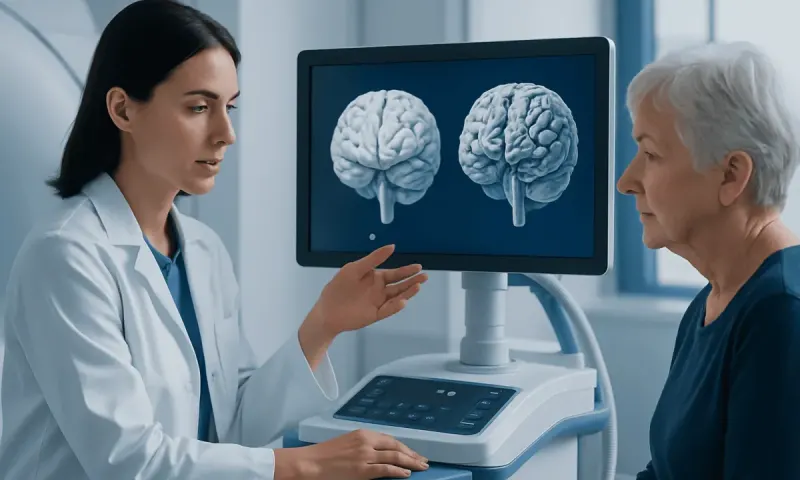
Parkinson's disease and Alzheimer's disease are different neurodegenerative conditions. Parkinson's usually begins with movement changes such as slowness, stiffness, or tremor, while Alzheimer's typically starts with gradual memory and thinking difficulties; doctors distinguish them through symptom history, examination, cognitive assessment, and selected tests.
Parkinson's vs Alzheimer's at a Glance
Parkinson’s disease and Alzheimer’s disease both affect the brain over time, but they usually begin in different ways. Parkinson’s disease is best known for movement symptoms, including slowed movement, stiffness, resting tremor, and changes in walking. Alzheimer’s disease most often starts with progressive difficulty forming new memories, followed by changes in reasoning, language, orientation, and everyday function.
| Feature | Parkinson’s disease | Alzheimer’s disease |
|---|---|---|
| Typical early concern | Slowness, stiffness, tremor, smaller handwriting, reduced arm swing, or walking changes | Repeated questions, forgetting recent events, difficulty managing familiar tasks, or getting lost |
| Main brain function affected early | Movement control; attention, mood, sleep, and autonomic functions may also be affected | Memory and other cognitive functions, such as planning, language, and orientation |
| Thinking changes | May develop later; attention, visual-spatial skills, and planning can be affected | Often present early and gradually become more noticeable |
| Tremor | May occur, often when a limb is resting; not everyone has tremor | Not a typical early feature |
| Walking and balance | Can become slower, shuffling, or less steady | May change later, often alongside broader cognitive decline |
| Underlying protein changes | Usually linked with alpha-synuclein deposits and reduced dopamine signaling | Associated with amyloid-beta plaques and tau tangles |
These distinctions are useful, but they are not absolute. A person can have Parkinson’s disease without a visible tremor, and memory problems can occur early for some people with Parkinson’s. Older adults may also have more than one brain condition at the same time, making assessment especially important.
What Each Condition Is
Parkinson’s disease is a progressive disorder of the nervous system. It involves changes in brain cells that use dopamine, a chemical messenger important for smooth, coordinated movement. Its hallmark clinical features are bradykinesia, meaning slowness of movement, together with tremor at rest and/or muscle rigidity. Parkinson's disease can also affect sleep, mood, digestion, blood pressure regulation, smell, speech, and energy.
Alzheimer’s disease is the most common cause of dementia, a term for cognitive decline that interferes with independent daily life. It gradually damages areas of the brain involved in memory and thinking. In early stages, a person may remember long-ago events well while finding it increasingly difficult to retain new information or organize familiar activities.
Neither diagnosis should be based on one symptom alone. Occasional forgetfulness is common and can be related to stress, poor sleep, depression, medication effects, hearing loss, or medical illness. Likewise, tremor may have causes other than Parkinson’s disease, including essential tremor, medication side effects, thyroid conditions, or anxiety.
Symptoms: Timing and Pattern Matter

In Parkinson’s disease, movement changes commonly develop gradually and may begin more noticeably on one side of the body. A person may walk more slowly, take shorter steps, have a softer voice, show less facial expression, or notice that buttons and other fine tasks take longer. A resting tremor can be present, but it is not required for diagnosis.
Non-movement symptoms can precede or accompany Parkinson’s disease. These may include constipation, reduced sense of smell, vivid dreams with physical movements during sleep, low mood, anxiety, fatigue, and urinary symptoms. Some individuals later develop mild cognitive impairment or Parkinson’s disease dementia, often with difficulties in attention, planning, visual-spatial skills, and fluctuating alertness.
Alzheimer’s disease generally presents with memory problems that are persistent and progressive. Examples include repeatedly asking for the same information, forgetting recent conversations, missing appointments despite reminders, misplacing items in unusual places, or having increasing difficulty following a familiar recipe or handling finances. As it progresses, language, judgment, navigation, and recognition of people or objects may also be affected.
Behavioral or emotional changes, such as apathy, irritability, anxiety, or withdrawal, can occur in either condition. These symptoms deserve clinical attention because they may be related to the brain condition itself, distress, sleep problems, pain, infection, medication effects, or other treatable concerns.
How a Clinician Tells Them Apart
Diagnosis begins with a careful account of when symptoms started, how they have changed, and how they affect daily activities. A clinician may ask the person and someone who knows them well about memory, falls, tremor, sleep, medications, work or home tasks, driving, mood, and family history. The sequence of symptoms is often particularly informative: early movement changes point more toward Parkinson’s, whereas early progressive memory impairment suggests Alzheimer’s disease.
A neurological examination checks walking, posture, balance, muscle tone, coordination, eye movements, facial expression, speech, and the type of tremor. For possible Parkinson’s disease, clinicians look especially for bradykinesia together with rigidity or resting tremor. They also consider whether symptoms are symmetrical or began mainly on one side.
Cognitive screening and more detailed neuropsychological assessment can identify which thinking skills are affected. Tests may evaluate memory, attention, language, problem-solving, and visual-spatial ability. In Alzheimer’s disease, difficulty learning and recalling new information is often prominent. In Parkinson’s-related cognitive impairment, attention, executive function, and visual-spatial skills may be more affected, although patterns can overlap.
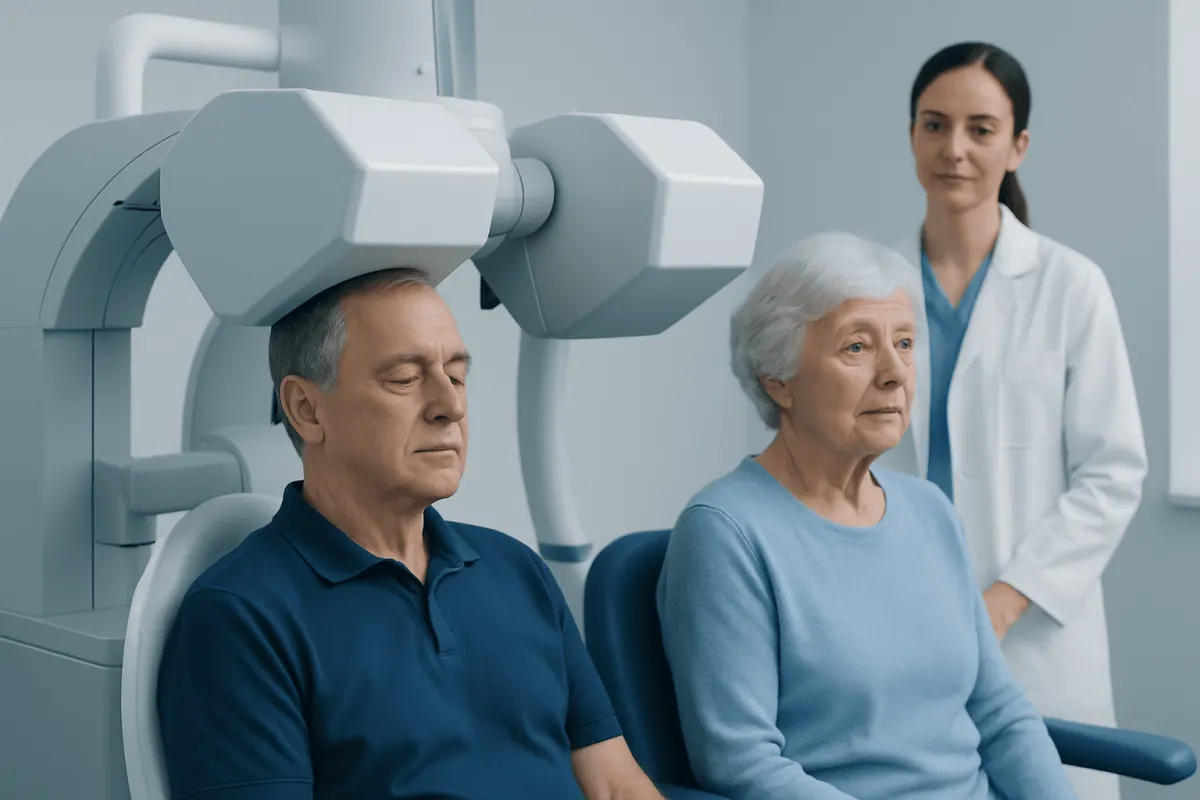
Blood tests, brain imaging, and other investigations may be used to rule out alternative or contributing causes, such as vitamin deficiency, thyroid disease, stroke, normal-pressure hydrocephalus, medication effects, or structural brain changes. MRI, CT, specialized functional scans, and biomarker tests can be helpful in selected cases, but they are interpreted alongside the clinical assessment rather than used in isolation.
What to Do After a Diagnosis or Strong Suspicion
When Parkinson’s disease is suspected or diagnosed, care usually focuses on improving mobility, independence, comfort, and quality of life. A neurologist, particularly one with experience in Neurology Evaluation" class="ahp-ilk">movement disorders, may recommend medicines that support dopamine-related movement pathways. The choice depends on symptoms, age, other health conditions, daily needs, and possible side effects, so treatment should be individualized and reviewed regularly.
Rehabilitation is an important part of Parkinson’s care. Physical therapy can support strength, balance, walking, flexibility, and confidence with movement. Occupational therapy may help with dressing, home adaptations, and everyday tasks, while speech and language therapy can address softer speech, communication difficulties, and swallowing concerns when present.
For Alzheimer’s disease, care includes confirming the likely cause of cognitive symptoms, addressing reversible contributors, and creating a practical support plan. Depending on the stage and individual circumstances, clinicians may discuss medicines for cognitive symptoms or disease-modifying treatment options for carefully selected patients. These decisions often require specialist evaluation, imaging or biomarker testing, monitoring, and a discussion of potential benefits and risks.
For both conditions, families and caregivers benefit from clear information, future planning, and help with practical routines. Medication organization, fall prevention, exercise adapted to ability, hearing and vision checks, sleep support, social connection, and management of other medical conditions can all make a meaningful difference.
Everyday Support, Safety, and Self-Care
Regular physical activity suited to the person’s abilities can support mobility, mood, sleep, cardiovascular health, and function. Activities may include walking, stretching, balance exercises, cycling, dancing, or supervised programs. Any new exercise plan should take account of falls, dizziness, heart or joint conditions, and current level of independence.
For memory concerns, supportive strategies can reduce day-to-day stress. Helpful measures include keeping a consistent routine, using a visible calendar, setting reminders, simplifying medication schedules, labeling drawers, and reducing clutter. For Parkinson’s disease, allowing extra time for movement, using well-fitting footwear, improving lighting, and removing loose rugs or trip hazards may lower fall risk.
Nutrition, hydration, sleep, and emotional wellbeing also deserve attention. Constipation, swallowing changes, unintentional weight loss, depression, anxiety, and caregiver strain are common concerns that should be raised with a healthcare professional. Support groups, counseling, social work services, and rehabilitation teams can help patients and families adjust over time.
People should not stop prescribed medicines or start supplements marketed for memory or movement disorders without medical advice. Some substances can interact with treatments, worsen confusion, affect blood pressure, or create other safety concerns.
When to Seek Medical Care
A medical appointment is appropriate when a person has persistent memory changes, repeated confusion, new difficulty managing familiar tasks, tremor, stiffness, slowed movement, frequent falls, or changes in walking. Assessment is also important when symptoms are affecting work, driving, finances, medication use, relationships, or independent living. Early evaluation can identify treatable causes and help establish appropriate support.
Urgent medical care is needed for sudden confusion, sudden weakness or numbness, new facial drooping, trouble speaking, a severe sudden headache, sudden loss of balance, or abrupt vision changes. These can be signs of a stroke or another acute medical problem and should not be assumed to be Parkinson’s or Alzheimer’s disease.
It can be helpful to bring a list of symptoms, medications and supplements, relevant medical records, and observations from a family member or trusted friend. Acıbadem Health Point’s multidisciplinary specialists and JCI-accredited hospitals diagnose and treat neurological conditions for international patients, with care plans tailored to individual clinical needs.
Frequently asked questions
01Can a person have both Parkinson's disease and Alzheimer's disease?
Yes. Especially in later life, a person may have more than one condition affecting the brain. Parkinson's disease can also lead to cognitive impairment or dementia, and some people have mixed brain changes that require a careful specialist assessment.
02Does Parkinson's disease always cause tremor?
No. Tremor is a common Parkinson's symptom, but not everyone develops it. Slowness of movement and stiffness may be more noticeable than tremor in some people, particularly early on.
03Is memory loss always Alzheimer's disease?
No. Memory problems can be caused by many factors, including poor sleep, depression, anxiety, medication effects, vitamin deficiencies, thyroid disorders, hearing loss, and other neurological conditions. A clinician can assess the pattern of symptoms and investigate potentially reversible contributors.
04How is Parkinson's dementia different from Alzheimer's disease?
Parkinson's dementia occurs in the context of established Parkinson's movement symptoms, usually after those symptoms have been present for some time. It may particularly affect attention, planning, visual-spatial skills, and alertness, while Alzheimer's disease more often begins with difficulty learning and retaining new information.
05Can brain scans diagnose Parkinson's or Alzheimer's disease on their own?
Brain scans can provide useful information, but they do not replace a clinical assessment. Doctors interpret scans together with symptom history, examination findings, cognitive testing, and laboratory results to reach the most accurate diagnosis possible.
06What type of doctor should evaluate memory and movement symptoms?
A primary care clinician can begin the evaluation and arrange referrals when needed. A neurologist, movement-disorder specialist, geriatrician, or memory clinic may provide more detailed assessment depending on the main symptoms and the person's age and health needs.
This article is for general information only and is not a substitute for professional medical advice. Please consult a qualified doctor about your individual situation.
Explore treatments in Turkey — costs, top hospitals & a free quote
JCI-accredited · board-certified surgeons · reply within 24h
Add us as a Preferred Source to see more of our trusted health content across Google Search, AI Overviews and Discover.