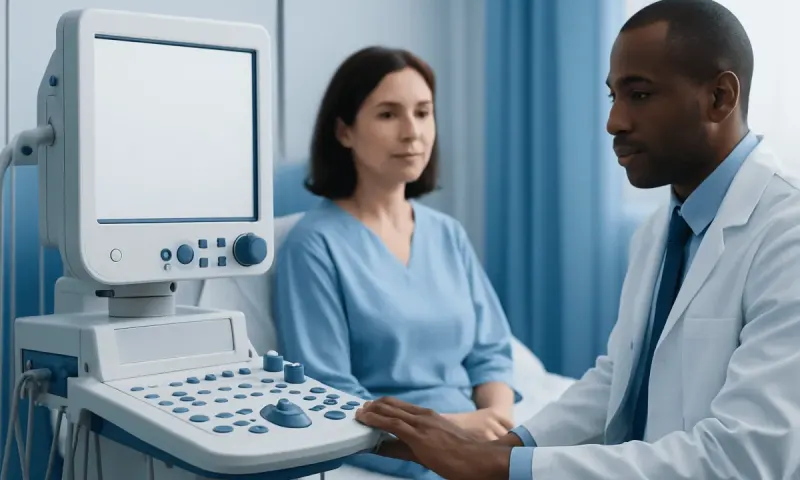
Early Signs of Parkinson’s and When to Seek Care
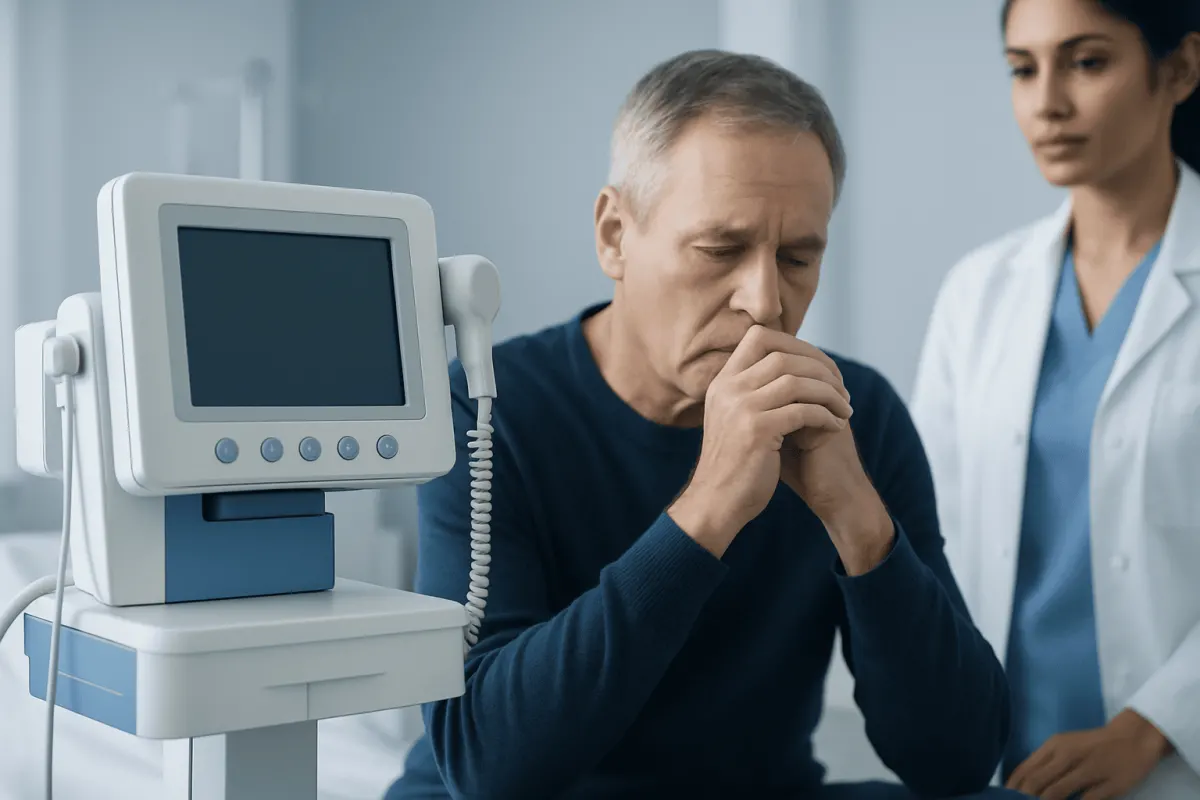
Early signs of Parkinson’s may develop gradually and can include slower movement, stiffness, a tremor at rest, changes in walking, softer speech, reduced sense of smell, constipation or sleep-related movement. These symptoms do not always mean Parkinson’s disease, but persistent or progressive changes should be assessed by a qualified clinician.
Early signs of Parkinson’s: the answer in brief
Early signs of Parkinson’s often start gradually rather than suddenly. A person may notice one hand shaking while resting, movements becoming slower, stiffness in an arm or shoulder, a smaller handwriting style, or one foot seeming to drag when walking. Others first notice non-movement changes, such as reduced sense of smell, constipation, vivid dreams with movements during sleep, or a quieter voice.
Having one of these symptoms does not confirm Parkinson’s disease. Many common conditions, medicines, stress, ageing and sleep problems can cause similar changes. However, symptoms that persist, progress over time, occur mainly on one side, or interfere with work, walking, self-care or communication deserve assessment by a doctor, ideally a neurologist with experience in Neurology Evaluation" class="ahp-ilk">movement disorders.
Parkinson’s disease is a progressive neurological condition that affects brain networks involved in movement. It is associated with a reduction in dopamine-producing nerve cells, but its symptoms and rate of change differ substantially from person to person.
How Parkinson’s symptoms can appear at first
The movement-related features of Parkinson’s are often described as tremor, slowness and stiffness. Tremor is commonly most noticeable when a hand, arm or leg is relaxed, such as when sitting quietly or walking. It may lessen during purposeful movement, and not everyone with Parkinson’s develops a tremor.
Slowness of movement, called bradykinesia, can make everyday tasks take longer. A person may have difficulty fastening buttons, cutting food, getting out of a chair or turning in bed. Their steps may become shorter, arm swing on one side may reduce, and the face may appear less expressive. Stiffness can cause aching, reduced shoulder movement or a feeling that a limb does not move freely.
Early non-motor symptoms can be less obvious. They may include constipation, low mood or anxiety, fatigue, urinary urgency, sleep disruption, reduced smell and changes in attention. These symptoms are common in the general population, so they are most meaningful when considered together with movement changes and a person’s full medical history.
- Handwriting that becomes noticeably smaller or more crowded
- A softer, faster or less varied speaking voice
- Shuffling steps, trouble turning, or reduced arm swing
- Stiffness or reduced dexterity on one side of the body
- Dream-enactment behaviours, such as talking, shouting or moving during sleep
What are two new early signs of Parkinson’s?

Two early signs that may be newly noticed are reduced arm swing on one side while walking and handwriting that becomes smaller than usual, known as micrographia. A person may realise that one arm stays closer to the body, or that writing becomes cramped toward the end of a sentence or page.
Another pair of possible early changes is a softer voice and difficulty turning in bed. Family members may comment that speech is quieter, less clear or more monotone. Difficulty rolling over may result from stiffness or slower movement, although joint pain, arthritis and many other conditions can also contribute.
No two symptoms can diagnose Parkinson’s on their own. The useful question is whether a change is new, sustained, gradually worsening and accompanied by other characteristic features. A clinician can examine movement, balance, muscle tone, coordination and reflexes while also reviewing medicines and other health conditions.
Possible causes and risk factors
The exact cause of Parkinson’s disease is not fully understood. It is likely to involve a combination of age-related changes, genetic susceptibility and environmental influences. In Parkinson’s, nerve cells in a brain area called the substantia nigra become impaired or are lost over time, reducing the availability of dopamine needed for smooth, coordinated movement.
Older age is the strongest known risk factor. Most people with Parkinson’s do not have a close relative with the condition, but genetic changes can contribute in some families, particularly when symptoms begin at a younger age or multiple relatives are affected. A clinician may discuss genetic counselling or testing in selected situations.
Some pesticide and solvent exposures have been associated with increased risk in research studies, but an individual cause is rarely identifiable. Head injuries, lifestyle factors and other medical conditions may affect overall brain health, yet they do not mean a person will develop Parkinson’s. Parkinson’s is not contagious and is not caused by a personal failing.
Other disorders may resemble Parkinson’s, including medication-induced parkinsonism, essential tremor, thyroid conditions, stroke-related changes and atypical parkinsonian syndromes. Careful evaluation helps distinguish Parkinson’s disease from these possible causes.
At what age does Parkinson’s usually start?
Parkinson’s disease most often begins after age 60, and the likelihood increases with advancing age. However, it can start earlier. When symptoms begin before age 50, clinicians may use the term young-onset Parkinson’s disease; onset before age 21 is very uncommon and is sometimes described as juvenile parkinsonism.
Age alone cannot determine whether a symptom is Parkinson’s. Tremor, stiffness and slower walking can result from many treatable conditions at any age. Conversely, younger adults with persistent, unexplained movement symptoms should not assume they are too young to seek evaluation.
Family history, the pattern of symptoms, medication use and examination findings are all more informative than age alone. Earlier specialist review can help identify reversible causes and establish an appropriate monitoring or treatment plan when Parkinson’s is suspected.
What is a red flag for Parkinson’s?
A red flag for Parkinson’s is a gradually progressive pattern of slowness and stiffness, often beginning on one side, especially when accompanied by a resting tremor, reduced arm swing, smaller movements or changes in walking. Symptoms that become more noticeable over months rather than appearing overnight are more consistent with Parkinson’s than a sudden change.
Some features can suggest a different neurological problem or a form of parkinsonism that needs prompt specialist assessment. These include early frequent falls, severe dizziness on standing, rapid loss of independence, marked problems moving the eyes, early difficulty swallowing, or major cognitive changes very early in the illness. These signs do not establish a diagnosis, but they are important to report.
Sudden facial weakness, new weakness or numbness on one side, severe headache, trouble speaking, sudden loss of balance or sudden confusion are not typical gradual Parkinson’s symptoms. They require urgent medical attention because they may indicate a stroke or another emergency.
How Parkinson’s is diagnosed and managed
There is currently no single routine laboratory test that can confirm Parkinson’s disease. Diagnosis is primarily clinical: a neurologist takes a detailed history and performs a neurological examination, looking for bradykinesia along with tremor, stiffness or related features. The clinician will also ask about sleep, mood, bowel habits, smell, falls, family history and medicines.
Blood tests or brain imaging may be used to rule out other causes of symptoms. In certain cases, specialised dopamine transporter imaging may support the assessment, but it does not replace a clinical examination. Follow-up over time can also clarify the diagnosis because symptom patterns may evolve.
Management is personalised and may include education, regular physical activity, physiotherapy, occupational therapy, speech and swallowing support, and medicines that improve movement symptoms. Some people may benefit from deep brain stimulation when symptoms are no longer adequately controlled with medication or when treatment-related movement fluctuations become significant. Decisions are made with a movement-disorder specialist according to individual needs.
Acıbadem Health Point’s multidisciplinary specialists and JCI-accredited hospitals evaluate and treat neurological conditions for international patients, including people seeking assessment and continuing care for Parkinson’s symptoms.
How long can you stay in stage 1 Parkinson’s?
There is no fixed timeline for stage 1 Parkinson’s. In commonly used staging descriptions, stage 1 refers to mild symptoms that affect only one side of the body and usually cause little functional limitation. Some people remain in this stage for several years, while others notice changes sooner; progression is highly individual.
Stages are only one way of describing Parkinson’s and do not predict a person’s exact future. Symptoms can vary from day to day, and effective treatment, exercise, rehabilitation and support can help many people maintain independence and quality of life for a long time.
Regular reviews are useful even when symptoms are mild. They allow the care team to track changes, address sleep or mood concerns, review medication effects and recommend rehabilitation strategies early when they may be most helpful.
When to seek medical care
A person should arrange a non-urgent medical appointment if they have a tremor that lasts for several weeks, persistent stiffness, increasing slowness, changes in handwriting or voice, shuffling steps, reduced arm swing, or repeated concerns from family members about movement or sleep behaviour. It can help to note when symptoms began, which body areas are affected, what makes them better or worse, and whether medicines have changed.
Medical review is especially important if symptoms are progressing, affecting daily tasks, causing falls, or occurring alongside memory concerns, low mood, swallowing problems or unintentional weight loss. A primary care doctor can begin an assessment and refer to neurology when appropriate.
Emergency care is needed for sudden neurological symptoms, including abrupt weakness, facial drooping, difficulty speaking, new severe imbalance, loss of consciousness or sudden confusion. These are not typical early Parkinson’s changes and should be treated as urgent.
Frequently asked questions
01Can Parkinson’s start with anxiety or depression?
Anxiety and depression can occur before or after movement symptoms in Parkinson’s disease, but they are very common and have many possible causes. On their own, they do not indicate Parkinson’s. A clinician considers them alongside movement, sleep, smell and other neurological changes.
02Does everyone with Parkinson’s have shaking?
No. Tremor is common, but some people with Parkinson’s do not develop a noticeable tremor. Slowness of movement and stiffness may be the more prominent early features in these individuals.
03Is loss of smell an early sign of Parkinson’s?
Reduced sense of smell can occur years before movement symptoms in some people with Parkinson’s. However, allergies, sinus disease, viral infections, smoking and ageing can also affect smell, so this symptom is not diagnostic on its own.
04Can a blood test detect Parkinson’s disease?
There is no standard blood test that confirms Parkinson’s disease. Blood tests may be ordered to look for other conditions that can contribute to tremor, stiffness or slower movement.
05Can exercise help early Parkinson’s symptoms?
Regular exercise can support mobility, strength, balance, mood and general health for people with Parkinson’s. The most suitable plan depends on symptoms, fitness and fall risk, so advice from a clinician or physiotherapist is helpful.
06Should a person stop a medicine if it seems to cause tremor?
A person should not stop a prescribed medicine without medical advice. Some medicines can cause or worsen tremor or parkinsonism-like symptoms, and a clinician can review whether an adjustment or alternative is appropriate.
This article is for general information only and is not a substitute for professional medical advice. Please consult a qualified doctor about your individual situation.
Persistent digestive symptoms? Get evaluated in Turkey
JCI-accredited · board-certified surgeons · reply within 24h
Add us as a Preferred Source to see more of our trusted health content across Google Search, AI Overviews and Discover.