Autism and Neuropsychological Assessment: What Families Should Know

Autism and neuropsychological assessment can help families better understand how a child or adult thinks, learns, communicates, and manages daily life. The process is designed to identify both strengths and challenges so that support plans, therapies, and school or workplace accommodations can be more personalized.
Overview
Autism spectrum disorder is a neurodevelopmental condition that affects social communication, behavior, sensory processing, and patterns of interests or routines. Every autistic person is different. Some may need substantial daily support, while others live independently and mainly benefit from targeted help in school, work, or relationships.
When families hear about autism testing, they often wonder what a neuropsychological assessment adds. In simple terms, this type of assessment looks beyond a checklist of symptoms. It explores how a person pays attention, understands language, solves problems, remembers information, manages emotions, and functions in everyday settings. This broader picture can be especially helpful when a child or adult has complex or mixed difficulties.
Autism and neuropsychological assessment are often discussed together because autism can overlap with learning disorders, attention difficulties, anxiety, Neurological Sleep Problems: Treatment Options and Self-Care That May Help" class="ahp-ilk">sleep problems, and sensory sensitivities. A careful evaluation helps distinguish what is related to autism and what may be due to another condition that also deserves support. This can reduce uncertainty for families and guide more practical decisions.
The goal is not to “label” a person in a limiting way. Instead, it is to understand how that person experiences the world and what kind of support may help them thrive. For many families, the assessment becomes a roadmap for therapy, education planning, and daily communication strategies.
When an Assessment May Be Helpful
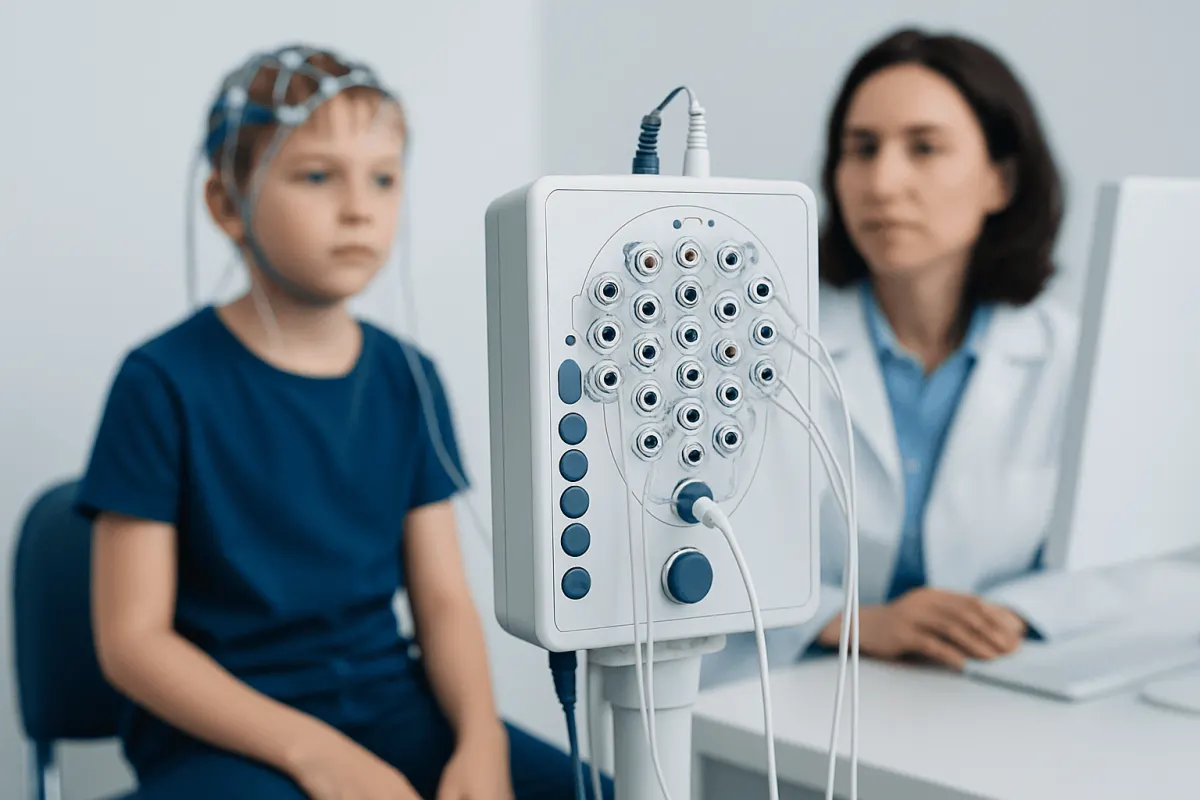
A neuropsychological assessment may be recommended when there are concerns about social communication, limited eye contact, repetitive behaviors, intense interests, sensory differences, delayed language, or difficulty adapting to change. In older children, teenagers, or adults, concerns may appear as social exhaustion, rigid routines, trouble reading social cues, or longstanding struggles that have never been fully explained.
Some children are referred because school is becoming difficult, even if their intelligence is average or above average. Others are evaluated because they are not speaking as expected, are having frequent meltdowns, or seem very distressed by sensory input such as noise, clothing textures, or crowded spaces. In adults, assessment may be helpful if there has been a lifelong sense of being different, misunderstandings in relationships, or burnout related to masking autistic traits.
Assessment is also useful when a diagnosis is already suspected or previously given, but the family needs more detail about learning style, adaptive functioning, or co-occurring issues. This can help explain why one intervention has worked well while another has not.
- Concerns about communication or social interaction
- Repetitive movements, routines, or restricted interests
- Attention, learning, or behavior difficulties
- Sensory sensitivities or emotional regulation challenges
- Questions about school supports or therapy planning
- Possible overlap with ADHD, anxiety, or language disorders
What a Neuropsychological Assessment Includes

Although each evaluation is personalized, most neuropsychological assessments begin with a detailed clinical interview. Parents, caregivers, or the individual being assessed are asked about development, language history, social behavior, medical history, school performance, and day-to-day functioning. The clinician may also review report cards, therapy notes, teacher questionnaires, or prior evaluations.
Testing usually includes standardized tasks designed to measure different areas of functioning. These may include cognitive abilities, attention, executive functions, language, memory, visual-spatial skills, academic skills, social understanding, and adaptive behavior. For autism specifically, the assessment often includes structured observation and rating scales that help the clinician evaluate social communication patterns and repetitive or restricted behaviors.
Not every person will complete the same battery of tests. Age, speech and language level, cultural background, sensory profile, and fatigue are all considered. A young child may be assessed through play-based interaction and caregiver questionnaires, while an adolescent or adult may complete more formal paper-and-pencil or computer-based tasks.
In some cases, the assessment is one part of a broader diagnostic process that may also involve speech and language evaluation, occupational therapy input, pediatric or psychiatric review, and hearing or developmental testing. This team approach can be valuable when symptoms overlap with other concerns, including ADHD or learning disabilities.
How Autism Is Identified and Distinguished From Other Conditions
Autism is diagnosed clinically, which means there is no single blood test or brain scan that confirms it. Instead, specialists look at a pattern of traits over time. These include differences in social communication and interaction, along with restricted or repetitive behaviors, intense interests, sensory differences, or a strong need for routine.
Neuropsychological assessment helps by showing how these traits affect thinking and daily function. For example, a child may have strong rote memory but difficulty with flexible problem-solving, or excellent vocabulary but trouble understanding nonliteral language and social context. A person may also appear inattentive when the deeper issue is sensory overload or social fatigue rather than a primary attention disorder alone.
One of the most important roles of assessment is differential diagnosis. Anxiety, depression, trauma, intellectual disability, language disorder, obsessive-compulsive symptoms, and ADHD can all influence social behavior or emotional regulation. A careful evaluation helps clinicians understand whether autism best explains the overall picture, whether another diagnosis is more likely, or whether several conditions are present together.
This matters because the right support depends on the right understanding. A child who is punished for “defiance” may actually be struggling with sensory stress or transitions. An adult who has long been treated only for anxiety may benefit from autism-informed strategies that better fit their communication style and energy needs.
What Families Can Expect During the Process
Families often worry that testing will be stressful, but experienced clinicians aim to make the process supportive and structured. Appointments may take place over one or several sessions depending on age, attention span, and the number of questions being explored. Breaks are usually built in, and assessors can adapt the pace when a child is tired, overwhelmed, or hesitant.
Before testing, it can help to explain in simple language that the visit is meant to understand how the person learns and communicates, not to judge performance. Bringing comfort items, snacks, glasses, hearing devices, or any communication aids can be useful. For autistic individuals with sensory needs, families may ask ahead about lighting, noise, waiting times, or a quieter room.
After the testing is complete, the clinician prepares a report and feedback session. This usually explains whether the findings are consistent with autism, describes cognitive and behavioral strengths, notes any co-occurring difficulties, and gives practical recommendations. These recommendations may relate to school accommodations, therapies, communication approaches, emotional regulation, daily routines, or further medical review.
When more support is needed, the report may guide referrals for speech and language therapy, occupational therapy, or broader child and adolescent mental health support. The aim is to turn test results into concrete next steps that make daily life easier.
Benefits, Limits, and Why Timing Matters
A well-conducted assessment can be very valuable. It may help families understand behavior in a more compassionate way, identify hidden learning or attention issues, support access to school services, and guide therapies that are better matched to the person’s profile. It can also validate the lived experience of older children, teenagers, or adults who have struggled without a clear explanation.
At the same time, no assessment can capture every part of a person. Test performance can be affected by anxiety, sleep, illness, motivation, language barriers, masking, or unfamiliar environments. Some people may show different abilities at home, at school, and in the clinic. This is why experienced clinicians combine test data with developmental history, observation, and reports from people who know the individual well.
Timing is also important. Early assessment can help children receive support during key developmental years, but it is never “too late” to be evaluated. Adolescents and adults can benefit greatly from understanding their neurodevelopmental profile, especially when planning education, work, independent living, or mental health care.
Families should know that an assessment is not the end of the journey. Needs can change over time, and support plans may need updating. Repeat or follow-up evaluations are sometimes helpful if school demands increase, new concerns appear, or life transitions bring fresh challenges.
Support After Diagnosis or Assessment
Once the evaluation is complete, the next step is to build support around the person’s real-life needs. There is no single “best” plan for everyone with autism. Helpful support may include communication therapy, social skills coaching, occupational therapy for sensory and daily living needs, educational accommodations, parent guidance, and mental health care when anxiety, mood symptoms, or stress are present.
Families often benefit from focusing on function rather than trying to change personality. This may mean creating predictable routines, using clear language, preparing for transitions, allowing sensory breaks, and identifying situations that trigger overload. It can also mean recognizing and encouraging strengths, such as honesty, deep knowledge in areas of interest, creativity, or strong attention to detail.
School and workplace planning are often part of the conversation. Written recommendations from a neuropsychological assessment can help explain why certain accommodations are needed, such as extra processing time, quieter settings, visual supports, or flexibility around social demands. This can make participation more manageable and reduce unnecessary stress.
For families seeking multidisciplinary evaluation and follow-up care, Acıbadem Health Point’s specialists in JCI-accredited hospitals assess and support international patients with developmental and neuropsychological concerns. In some cases, further review by Neurology: Warning Signs That Children Need Specialist Care" class="ahp-ilk">pediatric neurology or related specialists may be recommended based on the overall findings.
When to Seek Professional Advice
It is sensible to speak with a qualified doctor, psychologist, or developmental specialist if there are ongoing concerns about communication, social interaction, learning, sensory responses, or behavior. Families do not need to wait for problems to become severe. If something feels persistently different or daily life is becoming difficult, an evaluation can provide clarity.
Medical advice is especially important when developmental progress seems to plateau or regress, when a child is losing previously learned skills, or when there are major concerns about sleep, feeding, emotional distress, self-injury, or safety. In adults, persistent social exhaustion, repeated misunderstandings, or longstanding mental health struggles may also justify formal assessment.
It can help to keep notes before the appointment. Examples of behaviors, school feedback, sensory triggers, communication patterns, and family questions often make the assessment process more focused. Bringing prior reports and therapy records is also useful.
Professional evaluation does not commit a family to one path. It is a step toward understanding, informed decision-making, and support that fits the person as they are.
Frequently asked questions
01Is a neuropsychological assessment the same as an autism diagnosis?
Not exactly. A neuropsychological assessment is a detailed evaluation of thinking, learning, behavior, and daily functioning, and it can contribute important information to the diagnostic process. Autism is diagnosed clinically by qualified professionals who consider history, observation, and test findings together.
02At what age can someone be assessed for autism?
Assessment can begin in early childhood when developmental concerns appear, but it can also be done in adolescence or adulthood. The methods used will differ by age, language level, and support needs. It is never too early to ask questions, and it is not too late to seek clarity.
03How long does autism testing usually take?
The timeline varies depending on the person's age and the complexity of the concerns. Some evaluations are completed in one longer visit, while others are spread over several appointments. Time is also needed afterward for scoring, interpretation, and a written report.
04Can autism and ADHD occur together?
Yes, they can occur together, and this is relatively common in clinical practice. A careful assessment helps identify which features relate to autism, which relate to ADHD, and how both may affect school, work, and daily life. This is important because support strategies may need to address both conditions.
05Will the assessment show my child's strengths too?
Yes. A good neuropsychological assessment is designed to identify strengths as well as challenges. Understanding strengths can help families, teachers, and therapists build support in ways that are encouraging, practical, and more effective.
06How should families prepare for the appointment?
It helps to bring previous reports, school information, and a list of current concerns and questions. Families can also share sensory preferences, communication needs, and anything that may make the visit easier. Preparing the child or adult with a simple explanation and a calm routine can also be helpful.
This article is for general information only and is not a substitute for professional medical advice. Please consult a qualified doctor about your individual situation.
Explore treatments in Turkey — costs, top hospitals & a free quote
JCI-accredited · board-certified surgeons · reply within 24h
Add us as a Preferred Source to see more of our trusted health content across Google Search, AI Overviews and Discover.