Parenteral Administration: Uses and Methods

Key Takeaways
- Parenteral nutrition delivers nutrients directly into the bloodstream when eating or tube feeding is not enough.
- It is used for specific medical situations, not as a routine replacement for normal food.
- Regular monitoring helps clinicians adjust fluids, electrolytes, blood sugar, and liver function.
- Possible complications include infection, catheter problems, and metabolic changes, but many can be prevented with good care.
- Patients and families play an important role in line care, follow-up visits, and recognizing warning signs early.
Parenteral nutrition is a way of giving essential nutrients through a vein when the digestive tract cannot be used safely or effectively. It can support recovery during serious illness, surgery, or intestinal disorders, with careful medical monitoring to reduce risks.
Overview
Parenteral nutrition is a form of medical nutrition support that bypasses the digestive system and delivers nutrients straight into a vein. It is used when the stomach or intestines cannot process food well enough to meet the body’s needs, such as after major surgery, during bowel obstruction, or in certain intestinal diseases.
The word “parenteral” simply means “outside the intestine.” In practice, that can range from short-term support through a peripheral vein to more complex long-term treatment through a central venous catheter. The goal is not to replace normal eating forever; it is to keep the body nourished until the digestive tract can be used again, or to provide ongoing support when that is not possible.
For international patients, parenteral nutrition is often part of a broader care plan that includes imaging, laboratory testing, specialist review, and follow-up after travel. A well-coordinated team can help determine whether this treatment is appropriate, how it should be delivered, and what monitoring is needed once the patient returns home.
Symptoms and When Parenteral Nutrition May Be Considered
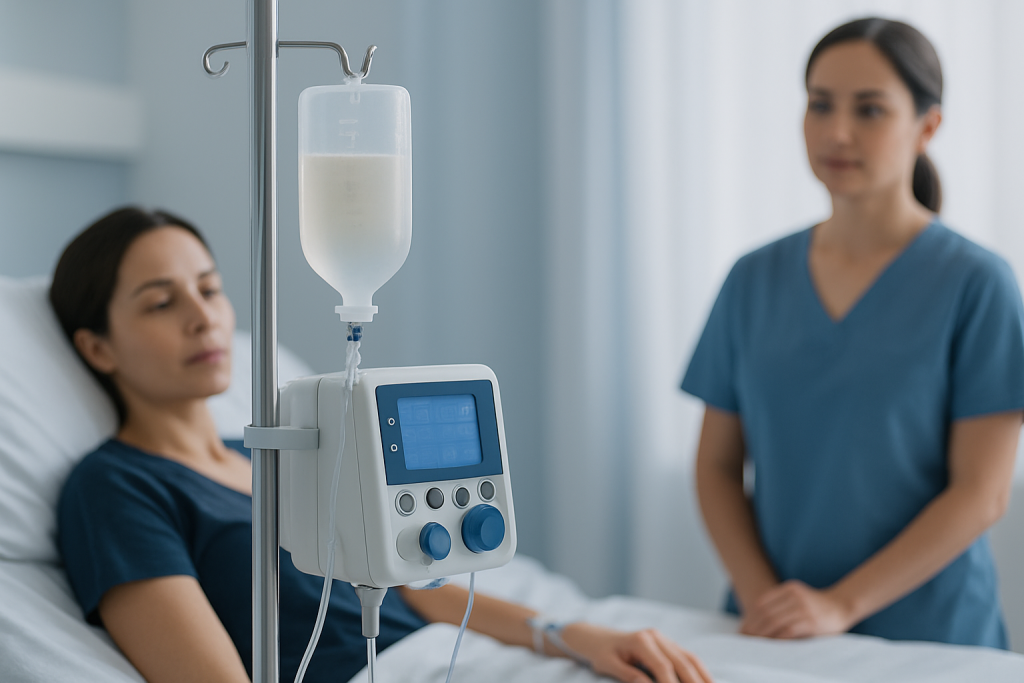
Parenteral nutrition is not prescribed for a single symptom. Instead, doctors consider it when a person cannot maintain nutrition by mouth or through the gastrointestinal tract. This may happen during prolonged bowel rest, severe inflammation of the intestines, intestinal failure, or when swallowing and digestion are significantly impaired.
People who may need this support often show signs of poor intake or poor absorption, such as unintended weight loss, weakness, dehydration, or low energy. In hospitalized patients, the decision may also be based on how long the digestive tract is expected to remain unavailable and whether malnutrition is already present or likely to develop.
- Persistent inability to eat enough
- Severe gastrointestinal dysfunction
- Conditions requiring bowel rest
- High nutritional needs that cannot be met enterally
Doctors usually balance the expected benefit against the practical demands of line care and monitoring. When the digestive system can still be used safely, oral nutrition or tube feeding is generally preferred because it follows the body’s natural route.
Causes and Risk Factors

The main reason for parenteral nutrition is not a diagnosis by itself, but a situation in which the digestive tract cannot be relied on. Examples include intestinal obstruction, short bowel syndrome, severe pancreatitis, major abdominal surgery, inflammatory bowel disease with complications, and certain neurological or swallowing disorders that make feeding unsafe.
Risk factors for needing this therapy often reflect the severity or duration of illness. A person who has been unable to eat for several days, has had major surgery, or has a chronic intestinal condition may be more likely to need short- or long-term intravenous nutrition. Children, older adults, and people with complex medical histories may also need closer nutritional assessment.
There are also practical factors that influence how safely parenteral nutrition can be given. These include vein access, infection risk, liver health, blood sugar control, and the patient’s ability to return for regular monitoring. For patients traveling internationally, planning ahead is especially important so that supplies, follow-up, and emergency contact pathways are clear before discharge.
Diagnosis and Evaluation
Before parenteral nutrition is started, clinicians evaluate whether the patient truly needs it and what type is most appropriate. This usually includes a medical history, physical examination, weight trend, dietary history, and review of symptoms such as vomiting, diarrhea, abdominal pain, or difficulty swallowing.
Laboratory tests help the team understand hydration status, electrolytes, blood sugar, kidney function, liver function, and markers of nutritional risk. If a central line is being considered, doctors may also assess vein access and check for any signs of infection or clotting problems. Imaging or endoscopy may be used when the cause of poor intake or intestinal failure is still unclear.
In many cases, the diagnosis is not simply “malnutrition” but a broader clinical picture that explains why the gut cannot be used. That distinction matters because the treatment plan depends on whether the problem is expected to be temporary, prolonged, or permanent.
Treatment Options
Parenteral nutrition is customized, not one-size-fits-all. It typically contains a mix of glucose, amino acids, fats, vitamins, minerals, and fluids, adjusted to each person’s age, diagnosis, lab results, and overall condition. Some patients need partial support, while others require total parenteral nutrition when no meaningful oral or enteral intake is possible.
Administration method depends on duration and nutrient needs. Peripheral parenteral nutrition may be used short term in selected cases, but central parenteral nutrition is more common when higher concentrations or longer treatment are needed. The central line must be cared for carefully to lower the risk of infection and mechanical complications.
Treatment usually involves a multidisciplinary team. Physicians, dietitians, nurses, pharmacists, and sometimes surgeons or gastroenterologists coordinate the plan, monitor response, and adjust the formula over time. If a patient is recovering from illness or surgery, the team may gradually transition from parenteral nutrition to oral or enteral feeding as soon as the digestive tract can tolerate it.
Important safety points often include:
- Regular blood tests to monitor electrolytes, glucose, and organ function
- Careful catheter hygiene and dressing changes
- Review of fluid balance and body weight
- Gradual changes rather than abrupt formula shifts
Prevention and Self-care
Patients receiving parenteral nutrition can support treatment success by learning how the therapy works and following line-care instructions closely. Good hand hygiene, keeping the catheter site clean and dry, and recognizing early changes around the line are simple but important habits.
Nutrition support is often less stressful when daily routines are organized. Travelers may need a clear plan for storage of supplies, schedule of infusion, emergency contacts, and local follow-up after returning home. If a patient is using home parenteral nutrition, teaching sessions before discharge can make a major difference in confidence and safety.
Self-care also includes watching for the body’s response. Appetite, bowel function, energy level, fluid balance, and skin changes can all provide clues that the plan is working well or needs adjustment. Because parenteral nutrition affects metabolism, patients should not change the regimen on their own without medical guidance.
- Wash hands before handling equipment
- Inspect the catheter site regularly
- Keep follow-up appointments and blood tests
- Report fever, chills, swelling, or line leakage promptly
When to See a Doctor
Medical review is important whenever a person cannot eat adequately for more than a short time, especially if there is vomiting, persistent diarrhea, significant weight loss, or signs of dehydration. Early assessment helps doctors decide whether oral supplements, tube feeding, or parenteral nutrition is the safest option.
Patients already receiving parenteral nutrition should contact their care team if they notice fever, redness or pain at the catheter site, shortness of breath, sudden swelling, repeated vomiting, confusion, or a marked change in blood sugar symptoms. These problems do not always mean something serious is happening, but they do deserve prompt attention.
For international patients, it is wise to arrange follow-up before travel ends, especially if the treatment is expected to continue at home. Acibadem Health Point’s multidisciplinary specialists and JCI-accredited hospitals can help diagnose and treat this condition for international patients, with coordinated care that supports both hospital treatment and the transition back home.
Living With Parenteral Nutrition
Living with parenteral nutrition can feel unfamiliar at first, but many patients adapt well with education and support. The treatment schedule may become part of the daily routine, and over time, patients often become more confident in line care, symptom tracking, and communication with the care team.
Emotional adjustment matters too. Some people feel frustrated by the temporary loss of normal eating, while others worry about dependency on medical equipment. A realistic treatment plan, clear explanations, and a predictable follow-up schedule can help reduce uncertainty and make recovery feel more manageable.
When the digestive system begins working again, clinicians usually guide a gradual transition away from parenteral nutrition. That stepwise approach helps the body adapt and allows the team to make sure the patient remains well hydrated and nourished throughout the change.
Follow-up and Long-Term Monitoring
Ongoing monitoring is a central part of parenteral nutrition care. Doctors may repeat blood tests, review weight and fluid status, check liver function, and assess whether the patient is getting enough calories and protein. If the therapy is long term, they also monitor for bone health, micronutrient balance, and catheter-related issues.
Follow-up schedules vary depending on the underlying condition and the stability of the patient. Some people need frequent early checks, while others transition to less frequent visits once the nutrition plan is stable. Coordination between the hospital team and the patient’s local physician is especially useful when treatment continues across borders.
Good long-term outcomes depend on flexibility. As health status changes, the formula, infusion schedule, and delivery method may all need adjustment. Parenteral nutrition works best when it is treated as a living plan rather than a fixed prescription.
Frequently asked questions
01What is parenteral nutrition used for?
Parenteral nutrition is used when a person cannot get enough nutrition through normal eating or through the digestive tract. It may be temporary after surgery or illness, or longer term in conditions that prevent the gut from working properly.
02Is parenteral nutrition the same as IV fluids?
No. IV fluids mainly provide water and electrolytes, while parenteral nutrition provides calories, protein, fats, vitamins, and minerals. It is a more complete form of nutritional support.
03Can someone eat while receiving parenteral nutrition?
In some cases, yes. Some patients receive partial parenteral nutrition and still eat or take enteral feeding, while others need total support for a period of time. The care team decides based on how well the digestive system is functioning.
04What are the main risks of parenteral nutrition?
Possible risks include catheter infection, line blockage, blood sugar changes, electrolyte imbalance, and liver-related complications. Careful monitoring and good catheter hygiene help reduce these risks.
05How long can a person stay on parenteral nutrition?
The length of treatment depends on the underlying condition and whether the digestive system recovers. Some patients need it only briefly, while others require longer-term support with regular medical review.
06Can parenteral nutrition be managed at home?
Yes, many stable patients can receive home parenteral nutrition after proper training and planning. It requires careful line care, supply management, and follow-up with the medical team.
This article is for general information only and is not a substitute for professional medical advice. Please consult a qualified doctor about your individual situation.
Medical weight-loss options in Turkey — costs & eligibility
JCI-accredited · board-certified surgeons · reply within 24h
Add us as a Preferred Source to see more of our trusted health content across Google Search, AI Overviews and Discover.