Anal Prolapse: Symptoms, Causes and Treatment

Key Takeaways
- Anal prolapse happens when tissue protrudes through the anus and may worsen with bowel movements or straining.
- Common symptoms include a bulge, bleeding, mucus leakage, discomfort, and a feeling of incomplete bowel emptying.
- Constipation, chronic straining, pelvic floor weakness, and some medical conditions can increase risk.
- Diagnosis usually includes a physical examination and may involve tests to look for related bowel or pelvic floor problems.
- Treatment ranges from lifestyle measures and bowel management to surgical repair, depending on severity and cause.
Anal prolapse is a condition in which tissue from the rectum or anal canal slips outward through the anus. It can be uncomfortable and worrying, but with proper evaluation, many people can manage symptoms well and improve quality of life.
Overview
Anal prolapse is the outward slipping of tissue through the anal opening. In everyday discussion, people may use the term loosely to describe a bulge at the anus, but clinicians often distinguish between rectal prolapse, where part of the rectum descends, and other prolapsing tissue such as internal hemorrhoids. Because the symptoms can overlap, an examination is usually needed to understand exactly what is happening.
The condition may appear only during a bowel movement at first, then become more frequent over time. Some people notice the tissue goes back in on its own, while others need to push it back gently or find that it remains outside for longer periods. Even when the problem is not urgent, it deserves medical attention because the cause and best treatment depend on the type and extent of the prolapse.
For international patients who are considering care away from home, a clear diagnosis matters even more. The same symptoms can come from several different pelvic or bowel conditions, and the treatment plan is most effective when it is tailored to the person’s anatomy, bowel habits, and overall health.
Symptoms
The most noticeable sign is a soft or firm bulge coming through the anus, especially during straining, coughing, or passing stool. Some people describe a sensation of something “dropping,” “slipping,” or not staying in place after a bowel movement. The prolapsed tissue may be pink or red and can feel tender or irritated.
Other symptoms often travel with the bulge. These may include rectal bleeding, mucus leakage, staining of underwear, discomfort when sitting, or a sense that the bowel has not emptied fully. Constipation is common, but some people also experience fecal leakage if the prolapse affects the muscles that help control stool.
Symptoms may change from day to day. A person might only notice the problem after long periods on the toilet, heavy lifting, or a bout of constipation. In more advanced cases, the prolapse may become harder to reduce, and the surrounding skin can become irritated from moisture and friction.
Causes & Risk Factors

Anal prolapse usually develops when the muscles, ligaments, and support tissues that normally hold the rectum in place become weakened or stretched. Repeated straining is a common contributing factor, especially when constipation makes bowel movements difficult. Over time, pressure can push tissue downward in the same way that repeated force can loosen other support structures in the body.
Several factors may increase the likelihood of prolapse. Chronic constipation, long-standing diarrhea, frequent straining, a history of pelvic floor weakness, multiple pregnancies or childbirth injuries, prior pelvic surgery, aging, and certain neurological conditions can all play a role. In children, prolapse can sometimes occur with constipation, prolonged diarrhea, or other underlying issues that should be checked by a doctor.
It is not always possible to identify one single cause. Often, prolapse develops from a combination of bowel habits, tissue support changes, and overall health factors. That is why a careful history is important, including questions about stool pattern, toilet habits, childbirth history, and any symptoms of leakage or pelvic floor dysfunction.
Diagnosis
Diagnosis begins with a detailed discussion of symptoms and a physical examination. A clinician may ask the person to strain gently during the exam, because prolapse sometimes becomes visible only at that time. This step helps separate anal prolapse from hemorrhoids and other conditions that can also cause bleeding or a protruding lump.
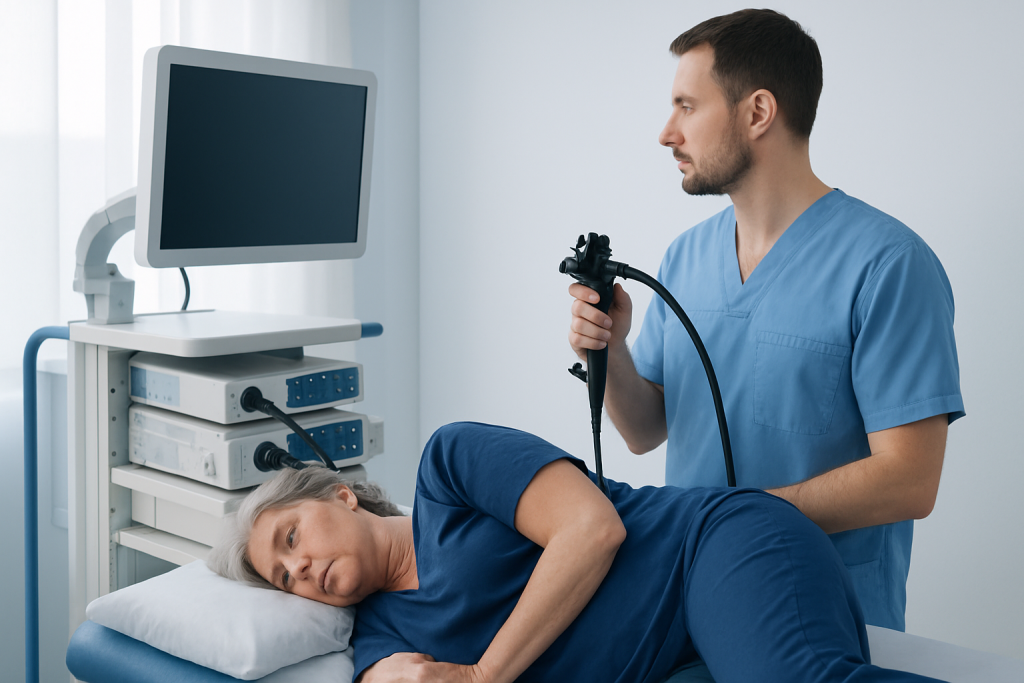
Depending on the situation, additional tests may be recommended. These can include anoscopy or sigmoidoscopy to look inside the anal canal and rectum, imaging or pelvic floor studies to assess how the bowel is moving, and sometimes tests for constipation or nerve and muscle function. If surgery is being considered, the doctor may also check for other pelvic organ prolapse or related issues.
For people planning treatment from another country, diagnosis may be staged across more than one visit. Initial assessment can be followed by additional testing once bowel preparation, records, or previous surgical details are reviewed. Bringing prior reports, medication lists, and photos of the prolapse when appropriate can make the evaluation more efficient and useful.
Treatment Options
Treatment depends on the type of prolapse, its severity, and whether symptoms are mild or disruptive. In early or less severe cases, the main goal is to reduce strain and improve bowel function. This may include treating constipation, adjusting diet to support regular stools, reviewing medications that worsen constipation, and learning better toilet habits.
If the prolapse is persistent, large, painful, or associated with leakage or repeated bleeding, surgery is often discussed. The surgical approach can vary: some procedures are done through the abdomen, while others are performed through the rectum. The choice depends on age, fitness for surgery, the anatomy of the prolapse, and whether there are related pelvic floor problems. A specialist will usually explain the benefits and trade-offs of each approach in plain language.
When symptoms are significant but surgery is not appropriate immediately, supportive management can still help. Doctors may recommend stool softeners or fiber strategies, pelvic floor therapy in selected cases, and measures to protect irritated skin. The aim is not only to address the prolapse but also to reduce the cycle of straining and irritation that often keeps symptoms going.
Recovery planning is especially important for international patients. After treatment, the care team may provide instructions on wound care, bowel habits, follow-up timing, and what symptoms should prompt reassessment before travel or after returning home. Acibadem Health Point’s multidisciplinary specialists and JCI-accredited hospitals diagnose and treat this condition for international patients, with care coordinated around the full treatment journey.
Prevention & Self-care
Not every case of anal prolapse can be prevented, but healthy bowel habits can reduce strain on the pelvic floor. Regular fiber intake, adequate fluids, and responding promptly to the urge to pass stool can all help keep bowel movements softer and less forceful. Avoiding long periods on the toilet is also important, since prolonged straining increases pressure.
When constipation is part of the picture, it is worth addressing early rather than waiting for symptoms to become severe. A clinician may suggest dietary changes, bowel routines, or medication review to reduce the need to strain. People with chronic cough, heavy lifting demands, or pelvic floor weakness may also benefit from discussing ways to reduce repeated pressure.
Self-care should be gentle. If prolapsed tissue appears, do not force it back roughly; a doctor can advise on whether reduction is appropriate and how to do it safely. Keeping the area clean and dry, using soft toilet paper or water for cleansing, and protecting irritated skin can make daily life more comfortable while the underlying issue is being addressed.
When to See a Doctor
Medical evaluation is advisable whenever tissue protrudes from the anus, even if it goes back in on its own. The earlier the cause is identified, the sooner the care plan can focus on the right problem rather than on temporary symptom relief alone. This is especially important if the person has recurring constipation, leakage, or a history of pelvic surgery or childbirth injury.
Prompt attention is also important if there is ongoing bleeding, increasing pain, difficulty passing stool, or a prolapse that cannot be reduced. These symptoms do not always mean there is an emergency, but they do suggest that the condition deserves timely review. Children with suspected prolapse should also be assessed, since constipation or another underlying condition may need treatment.
A doctor can help determine whether the issue is anal prolapse, rectal prolapse, hemorrhoids, or another condition entirely. That distinction matters because treatment choices differ, and the wrong assumption can delay relief. A calm, well-organized assessment is usually the fastest route to improvement.
Frequently asked questions
01Is anal prolapse the same as hemorrhoids?
No. Hemorrhoids are swollen veins in and around the anus, while anal or rectal prolapse involves tissue slipping outward. The symptoms can look similar, so a medical examination is often needed to tell them apart.
02Can anal prolapse go away on its own?
Sometimes a mild prolapse may slip back in, especially early on, but the underlying weakness usually does not fully resolve without treatment. A doctor can advise whether observation, bowel management, or another approach is best.
03Is anal prolapse painful?
It can be uncomfortable, but pain is not always the main symptom. Some people notice pressure, irritation, or bleeding more than pain, while others develop soreness if the tissue stays outside or becomes inflamed.
04What type of doctor treats anal prolapse?
A gastroenterologist or colorectal surgeon commonly evaluates and treats this condition. Depending on the situation, pelvic floor specialists or other clinicians may also be involved.
05Does anal prolapse always require surgery?
Not always. Treatment depends on severity, symptoms, and overall health, and some people improve with bowel habit changes and other conservative measures. Surgery is more likely to be discussed when the prolapse is persistent or significantly affects daily life.
06What should someone do before traveling for treatment?
It helps to gather previous <a href="https://www.acibademhealthpoint.com/blog/low-vgm-blood-test-results-causes-and-meaning/" title="Low VGM Blood Test Results: Causes and Meaning" class="ahp-ilk">test results, medication lists, and notes about symptoms, bowel habits, and prior procedures. Planning follow-up care before travel is also important, since recovery instructions and monitoring may continue after returning home.
This article is for general information only and is not a substitute for professional medical advice. Please consult a qualified doctor about your individual situation.
Persistent digestive symptoms? Get evaluated in Turkey
JCI-accredited · board-certified surgeons · reply within 24h
Add us as a Preferred Source to see more of our trusted health content across Google Search, AI Overviews and Discover.