Pain Under Left Rib Cage: Causes and Treatment

Key Takeaways
- Pain under the left rib cage has many possible causes, including digestive, muscular, and chest-related conditions.
- The location, timing, and triggers of the pain help clinicians narrow down the cause.
- Urgent evaluation is important if the pain comes with breathing trouble, chest pressure, fainting, fever, or vomiting blood.
- Diagnosis may involve a physical exam, blood tests, imaging, or endoscopy depending on the suspected cause.
- Gentle self-care may help mild discomfort, but persistent or recurrent pain should be assessed by a doctor.
Pain under the left rib cage can come from the stomach, spleen, colon, ribs, muscles, or even the lungs. The cause is often treatable, but the right next step depends on the pattern of pain and any accompanying symptoms.
Overview
Pain under the left rib cage can be unsettling because the area contains several structures that may refer pain there. The discomfort may come from the stomach, spleen, colon, pancreas, left kidney, lower lung, chest wall, or the muscles and cartilage around the ribs.
For many people, the pain is short-lived and linked to something minor such as indigestion, gas, or a strained muscle. In other cases, it is the body’s way of signaling an issue that deserves medical attention, especially if the pain is intense, persistent, or paired with other symptoms.
Understanding how the pain feels often helps more than simply naming the location. A sharp pain that worsens with movement suggests a different pattern than a burning discomfort after meals, a deep ache with fever, or a pressure-like pain that spreads into the chest or back.
Symptoms
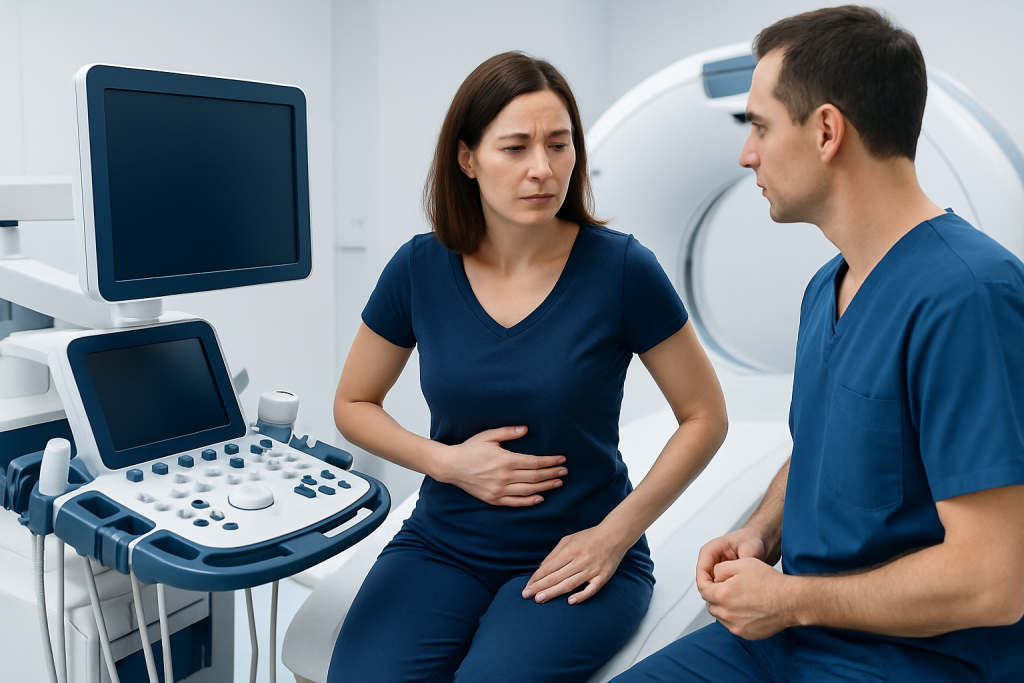
Pain under the left rib cage can feel sharp, dull, burning, cramping, stabbing, or tight. Some people notice it only with certain movements, deep breathing, coughing, or after eating. Others feel it as a constant ache that comes and goes throughout the day.
Related symptoms can offer important clues. For example, bloating, nausea, belching, or acid reflux may point toward a digestive cause, while cough, shortness of breath, or pain with breathing may suggest a chest or lung-related problem. Tenderness when pressing on the area often points to the muscles, cartilage, or ribs.
Symptoms that deserve prompt medical assessment include:
- Sudden, severe, or worsening pain
- Fever, chills, or unexplained weakness
- Vomiting, especially if persistent or bloody
- Black or bloody stools
- Chest pressure, shortness of breath, or pain spreading to the arm, jaw, or back
- Pain after injury or a fall
Causes & Risk Factors

Digestive causes are common. Gas, constipation, gastritis, acid reflux, stomach Stomach Pain, H. pylori Testing, and Treatment" class="ahp-ilk">ulcer disease, or irritation in the colon can all create discomfort that is felt under the left rib cage. Because the digestive tract curves through the upper abdomen, pain may be difficult to localize precisely.
Several non-digestive causes are also possible. Muscle strain, rib inflammation, or a bruise after exercise or minor injury may hurt more when twisting, lifting, coughing, or taking a deep breath. The spleen sits in the upper left abdomen, so enlargement or inflammation there can also cause pain or fullness. Less commonly, conditions involving the pancreas, left kidney, lower lung, or heart may refer pain to this region.
Risk factors depend on the cause. Recent heavy lifting or sports activity may favor a muscle strain. A history of heartburn, ulcer disease, or irregular bowel habits may point toward digestive irritation. Recent viral illness, abdominal trauma, alcohol overuse, smoking, or certain medications may raise the likelihood of other problems. Age, medical history, and the presence of other symptoms all shape the level of concern.
Diagnosis
Evaluation usually starts with a careful history. A clinician will ask where the pain is located, how long it has been present, what makes it better or worse, and whether it is related to meals, movement, breathing, or bowel habits. This conversation often gives the first meaningful clue.
A physical examination follows. The doctor may gently press on the abdomen and ribs, listen to the chest and abdomen, and check for signs of tenderness, swelling, fever, or breathing difficulty. If the pain appears to come from the digestive system, blood tests, stool tests, or imaging may be considered. If the cause is uncertain, an ultrasound, CT scan, chest X-ray, or endoscopy may be recommended depending on the symptoms.
When people are traveling for care, clear communication matters. Bringing a list of medications, prior test results, and any recent imaging can make the evaluation more efficient and help the care team compare old and new findings. For international patients, a structured consultation can be especially useful when several causes are possible and time is limited.
Treatment Options
Treatment is based on the underlying cause rather than the location of the pain itself. Mild indigestion may improve with dietary adjustments and temporary acid-reducing measures advised by a doctor. Constipation may require changes in fluid intake, fiber, activity, or prescribed treatment. Muscle strain usually improves with rest, gentle movement, and avoiding the action that triggered it.
More specific treatment may be needed for diagnosed conditions such as ulcers, pancreatitis, infection, kidney problems, or inflammation of the ribs. If a spleen-related issue is found, the plan may include close monitoring, activity restriction, or urgent intervention depending on the diagnosis. When pain is related to the heart or lungs, rapid treatment is essential because the source lies outside the abdomen.
People should avoid self-medicating heavily, especially when the cause is unclear. Some common pain relievers can irritate the stomach or worsen certain conditions, so it is best to ask a clinician which options are appropriate. If the pain is severe enough to interfere with eating, sleeping, breathing, or travel plans, it should not be managed at home without evaluation.
Prevention & Self-care
Not every cause of left-sided rib pain can be prevented, but some practical habits can reduce the chances of recurring discomfort. Eating slowly, avoiding very large meals, staying hydrated, and keeping bowel habits regular may help if the pain is digestive in origin. If the pain follows exercise or lifting, warming up properly and using safer body mechanics may reduce strain.
For milder pain that seems muscular or positional, rest from the triggering activity and gentle movement may be reasonable. A warm compress can sometimes ease muscle tension. If symptoms seem linked to meals, a short diary of food, timing, and discomfort may help a doctor identify patterns. If a person is recovering while abroad, it can be useful to keep notes in a phone app so the information can be shared with the next clinician at home.
Self-care should remain conservative. It is wise to avoid ignoring repeated episodes, especially if they are becoming more frequent or are now accompanied by nausea, fever, breathlessness, or chest discomfort. Persistent pain deserves a medical explanation rather than repeated trial-and-error at home.
When to See a Doctor
A doctor should be consulted if pain under the left rib cage lasts more than a few days, keeps returning, or is interfering with normal eating, movement, or sleep. Medical review is also appropriate if the person has a known history of ulcers, gallbladder or pancreatic disease, kidney problems, or recent injury to the chest or abdomen.
Emergency care is recommended if the pain is sudden and severe, follows trauma, or occurs with trouble breathing, fainting, sweating, chest pressure, vomiting blood, black stools, confusion, or a high fever. These features do not always mean a dangerous condition, but they do warrant prompt assessment.
Acibadem Health Point’s multidisciplinary specialists and JCI-accredited hospitals diagnose and treat conditions that can cause left-sided rib cage pain for international patients, helping coordinate evaluation, imaging, and follow-up when care needs to continue across borders.
Living With the Symptom While Awaiting Assessment
When the cause is not yet clear, the most useful approach is to observe the pattern without pushing through it. Note whether the pain changes with meals, posture, breathing, coughing, or bowel movements. This small record can be valuable during a consultation because it helps distinguish stomach, rib, and chest-related causes.
If travel is involved, keeping copies of test reports, prescriptions, and imaging on hand can prevent delays. Many patients also find it helpful to write down the exact words used to describe the pain, since translation can change whether “burning,” “pressure,” or “sharp” is understood correctly.
If the pain is new, recurring, or associated with other symptoms, arranging an assessment sooner rather than later is a sensible step. A clear diagnosis usually brings both treatment and reassurance.
This article was prepared using information aligned with authoritative medical sources and general clinical practice. It is meant to support, not replace, individual medical advice.
- Mayo Clinic
- Cleveland Clinic
- National Institute of Diabetes and Digestive and Kidney Diseases
- American College of Gastroenterology
- National Health Service
Frequently asked questions
01What is the most common reason for pain under the left rib cage?
There is no single most common cause for everyone, but digestive issues such as gas, indigestion, gastritis, or constipation are frequent reasons. Muscle strain around the ribs is another common explanation, especially if the pain changes with movement or touch. A clinician can usually narrow the cause by looking at the pattern of symptoms.
02Can pain under the left rib cage be heart-related?
Yes, sometimes pain from the heart or the lower chest can be felt in this area. This is more concerning if the pain is pressure-like, spreads to the arm or jaw, or comes with shortness of breath, sweating, or nausea. Those symptoms should be evaluated promptly.
03How can a person tell if the pain is from the stomach or from the ribs?
Stomach-related pain often changes with meals, bloating, or heartburn, while rib or muscle pain is more likely to worsen with pressing on the area, twisting, coughing, or deep breathing. That said, symptoms can overlap. A medical exam is often needed for a reliable answer.
04Should someone wait and see if the pain goes away on its own?
Brief, mild pain that clearly follows a minor strain or an upset stomach may settle with time. However, pain that persists, returns often, or is accompanied by fever, vomiting, chest symptoms, or breathing changes should not be ignored. It is safer to get checked if there is any uncertainty.
05What tests might a doctor order for this pain?
The choice depends on the suspected cause. A doctor may request blood tests, urine tests, stool tests, a chest X-ray, ultrasound, CT scan, or endoscopy. Often the history and physical exam help decide which tests are most useful.
06Is left rib cage pain always an emergency?
No, many causes are minor and temporary. But it becomes urgent when the pain is sudden, severe, after injury, or linked to symptoms such as shortness of breath, fainting, vomiting blood, black stools, or chest pressure. In those situations, prompt care is recommended.
This article is for general information only and is not a substitute for professional medical advice. Please consult a qualified doctor about your individual situation.
Persistent digestive symptoms? Get evaluated in Turkey
JCI-accredited · board-certified surgeons · reply within 24h
Add us as a Preferred Source to see more of our trusted health content across Google Search, AI Overviews and Discover.