Pacemaker Price: Costs, Coverage and Care Planning
Pacemaker price is not a single fixed amount because it includes the device, implantation procedure, hospital services, testing, anesthesia and long-term follow-up. Insurance coverage, public health plans and the reason for implantation can substantially affect what a person pays personally.
Pacemaker price: what does the total cost include?
Pacemaker price reflects far more than the small device placed beneath the skin. A complete estimate may include cardiology consultations, heart rhythm testing, blood tests, imaging, the pacemaker generator and leads, the implantation procedure, anesthesia or sedation, use of the operating or catheterization room, hospital monitoring, medicines and follow-up device checks.
The amount a person pays personally depends on where care is received, whether the procedure is planned or urgent, the type of pacemaker needed, the length of hospital stay and the details of their health insurance. It is reasonable to ask the hospital or insurer for a written, itemized estimate that separates expected patient responsibility from amounts billed to insurance.
Some people need a standard single- or dual-chamber pacemaker, while others may need a leadless system or a device that provides cardiac resynchronization therapy. These options differ in design, implantation approach and follow-up needs. The appropriate device should be selected for clinical reasons rather than price alone.
- Ask whether physician, facility, anesthesia and device charges are included.
- Confirm whether pre-procedure tests and post-procedure checks are billed separately.
- Check network status, prior authorization requirements and deductible or coinsurance responsibilities.
- Discuss future costs, including remote monitoring and generator replacement.
How a pacemaker works and who may need one
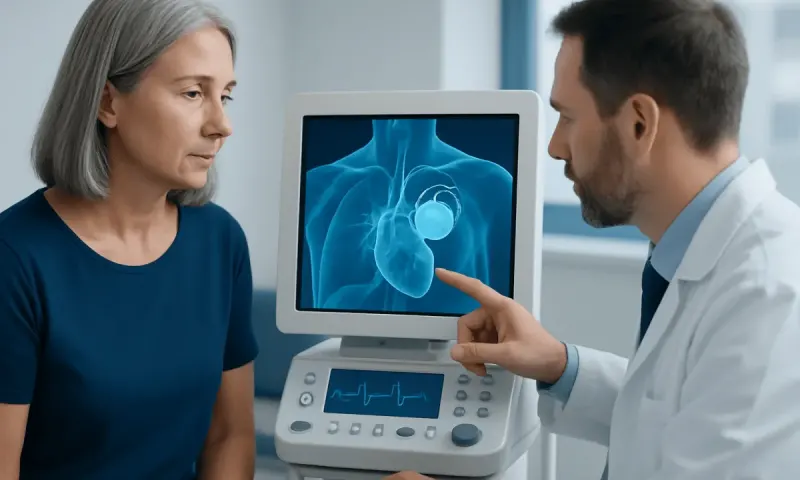
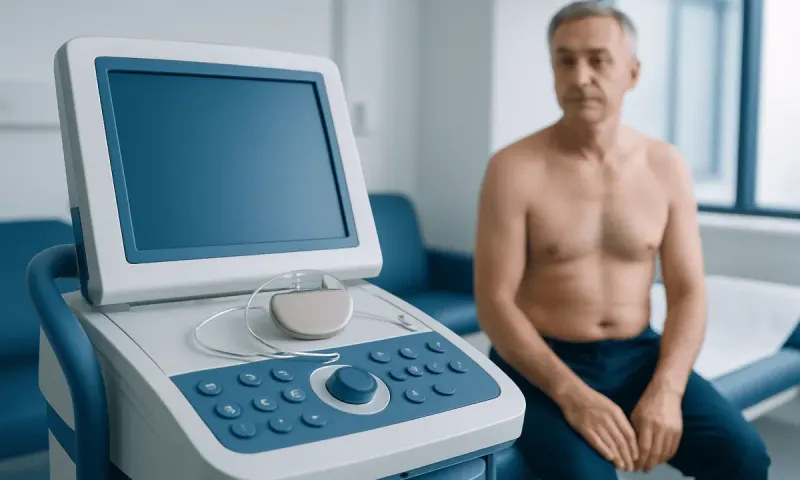
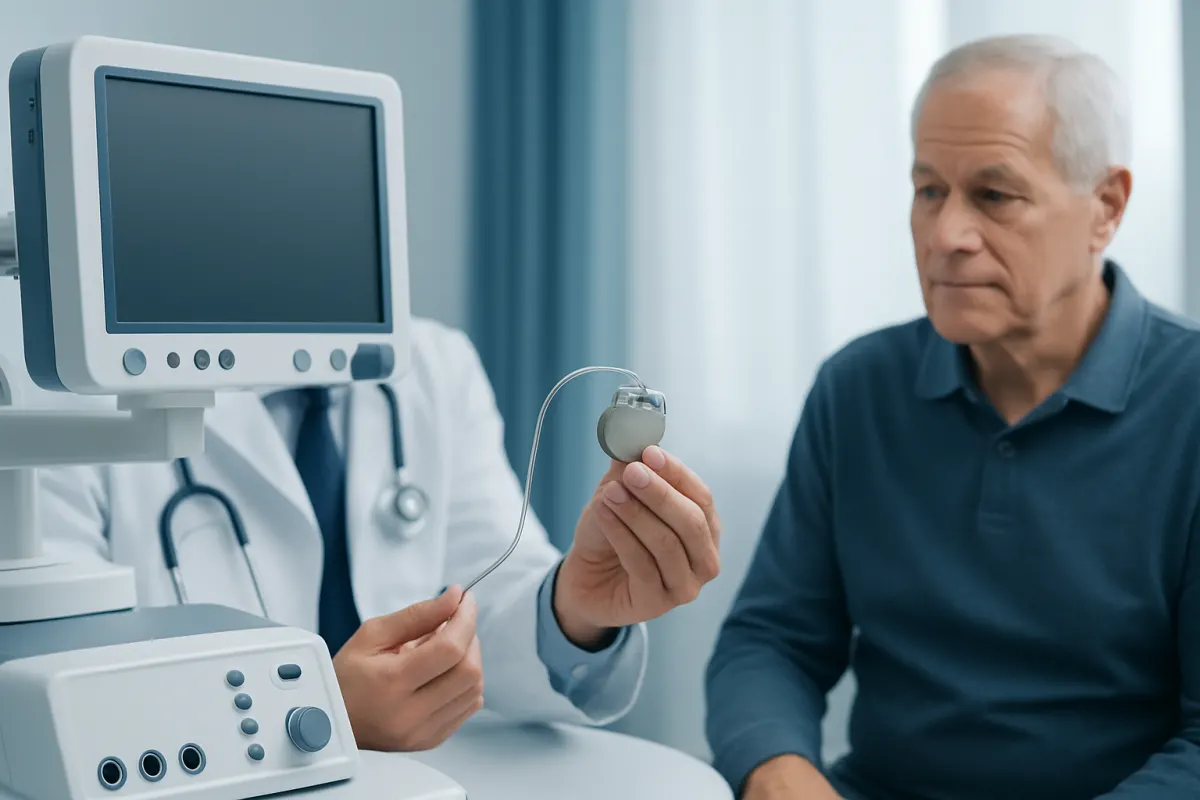
A pacemaker is a small implanted electronic device that helps the heart maintain an appropriate rhythm. It monitors the heartbeat and sends gentle electrical signals when the heart beats too slowly, pauses for too long or does not coordinate effectively. Most systems have a pulse generator placed under the skin near the collarbone and one or more leads that connect to the heart. Some leadless pacemakers are placed directly inside the heart through a catheter.
Doctors may recommend a pacemaker for symptomatic bradycardia, certain types of heart block, sinus node dysfunction, or selected forms of heart failure that involve poor coordination between the heart’s chambers. Symptoms can include fainting, near-fainting, unusual fatigue, dizziness, shortness of breath or reduced ability to exercise. A pacemaker does not usually treat every cause of these symptoms, so careful assessment is important.
Candidacy is based on the person’s symptoms, electrocardiogram findings, ambulatory rhythm monitoring, underlying heart condition and overall health. The cardiologist will also review medicines that can slow the heart rate and consider whether a reversible cause needs treatment first. For more information about implantation and device follow-up, patients can review pacemaker implantation.
How is a pacemaker implanted?
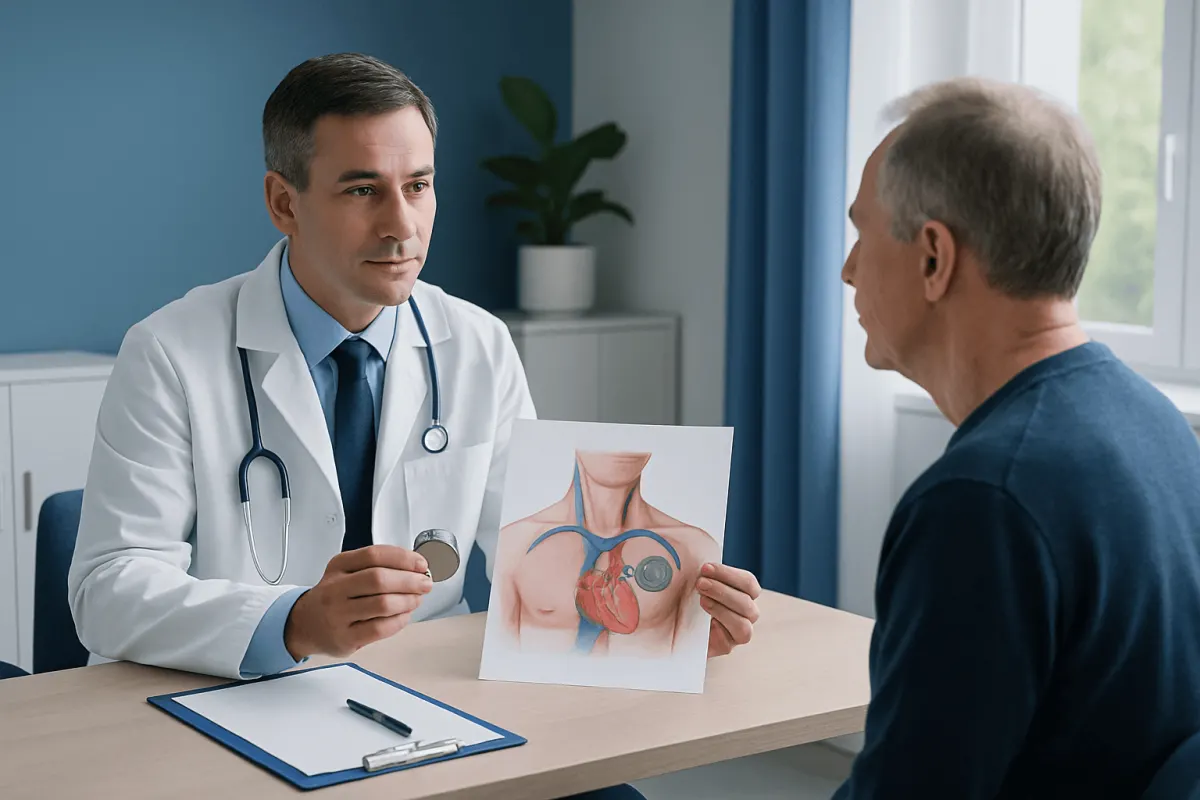
Before the procedure, the care team reviews medical history, medicines, allergies and blood-thinning treatment. Patients may have an electrocardiogram, blood tests and other heart assessments. The team explains the planned device, benefits, possible complications and aftercare instructions, and patients can ask questions about costs and coverage before giving consent.
Most conventional pacemakers are implanted in a hospital procedure room using local anesthetic and sedation. The clinician makes a small incision, usually below the collarbone, guides one or more leads through a vein into the heart using imaging, then connects the leads to the generator. The generator is placed in a small pocket under the skin, and the incision is closed. The device is tested and programmed before the procedure ends.
Leadless pacemakers are inserted through a vein in the groin and attached inside the heart; they do not require a chest incision or transvenous leads. Not everyone is suitable for this approach. The procedure method, expected length of stay and total services should be clarified during financial planning because they may affect the overall estimate.
Recovery timeline, follow-up and everyday life
After implantation, many people stay in hospital overnight or go home the same day, depending on their health and the procedure performed. The care team checks the wound, heart rhythm and pacemaker function. Mild soreness, bruising or stiffness near the incision can occur and commonly improves over the following days.
During the first weeks, patients are usually advised to keep the incision clean and dry as instructed and avoid strenuous activity or heavy lifting. Those with a chest pacemaker may be asked to limit forceful or repeated movement of the arm on the implantation side for a period of time. The exact restrictions vary, so the treating team’s instructions should take priority.
Follow-up visits and remote monitoring help clinicians assess battery status, lead function and stored rhythm information. The generator battery generally lasts for years, but it does not last forever. When the battery becomes low, the generator is replaced through another procedure; the leads may often remain in place if they are working well.
Most people can resume normal daily activities after recovery and can travel, exercise and use many household electronics safely. They should carry their device identification card, tell healthcare professionals and security staff that they have a pacemaker, and ask their cardiology team about workplace equipment, scans and other procedures.
Benefits, limitations and possible risks
For people with an appropriate indication, a pacemaker can prevent slow-heart-rate symptoms, reduce fainting related to certain rhythm problems and support a safer, more active daily life. It is not a cure for all heart disease, and it does not replace treatment for conditions such as coronary artery disease, valve disease or every type of heart failure.
Potential risks include bleeding, bruising, infection, collapsed lung, blood vessel injury, lead movement, blood clots and an abnormal heart rhythm during or after implantation. Longer-term concerns can include lead problems, skin erosion over the device or the need for revision or replacement. Serious complications are uncommon, but patients should understand the individual risks in their situation.
There are also practical limitations. A pacemaker requires regular checks, a future generator replacement and attention to device-specific safety advice. Some scans, therapies and electrical equipment may require special precautions, although many modern systems are designed to work safely in magnetic resonance imaging under defined conditions.
When to seek medical care
Anyone with repeated fainting, chest pain, new or worsening shortness of breath, palpitations, severe dizziness or a very slow pulse should seek prompt medical assessment. Emergency care is appropriate for chest pain, loss of consciousness, severe breathing difficulty or symptoms suggesting a medical emergency.
After pacemaker implantation, patients should contact their clinical team promptly for fever, increasing redness, warmth, swelling, drainage or worsening pain at the incision. Urgent assessment is also important for fainting, persistent dizziness, shortness of breath, chest discomfort or a feeling that the heartbeat has changed significantly.
People should not assume that a symptom is caused by the device or try to adjust treatment themselves. A cardiology team can review symptoms, examine the wound and interrogate the pacemaker to determine whether the cause is device-related, heart-related or unrelated.
Planning costs, coverage and long-term care
Patients can make cost discussions more useful by asking for an estimate before a non-emergency procedure and by providing accurate insurance information. Helpful questions include whether the hospital and electrophysiologist are in network, whether preauthorization is required, what the deductible and coinsurance are, and which follow-up visits or remote monitoring services may generate charges.
For people without insurance, hospitals may have financial counseling teams, self-pay policies, payment plans or charity-care programs depending on the country and facility. It is important to request information directly from the provider, because eligibility criteria and available support vary. A lower initial quote may not include all professional, facility or aftercare services.
For international patients, travel, accommodation, medical records, interpretation and arrangements for follow-up at home should also be considered. Acıbadem Health Point’s multidisciplinary specialists and JCI-accredited hospitals diagnose and treat heart rhythm conditions for international patients, with care planning individualized to clinical and practical needs.
Frequently asked questions
01How much is a pacemaker with no insurance?
There is no single reliable self-pay price for a pacemaker because charges vary by country, hospital, device type, medical complexity and whether the procedure is planned or urgent. The total may include the device, physician services, hospital care, testing, anesthesia, follow-up and possible overnight observation. A person without insurance should ask for a written itemized estimate and discuss financial assistance, payment plans or charity-care policies with the hospital.
02Can a person live 30 years with a pacemaker?
Yes, many people live for decades after receiving a pacemaker, especially when the underlying heart condition is well managed. The original device generator will not usually last 30 years and will need replacement when its battery becomes low; leads may also occasionally need assessment, revision or replacement. Long-term outlook depends mainly on the reason for pacing and the person’s overall heart and general health.
03What is the downside of getting a pacemaker?
A pacemaker requires an invasive implantation procedure and carries risks such as bleeding, infection, lead displacement and, rarely, injury to nearby structures. It also requires lifelong monitoring, future generator replacement and attention to safety precautions around certain medical procedures or equipment. For people who clearly need pacing, these considerations are weighed against the expected benefits of treating a harmful slow rhythm.
04How much will Medicare pay for a pacemaker?
Medicare coverage and patient responsibility depend on the country, the specific Medicare plan, medical necessity, provider participation and whether the procedure is performed as an inpatient or outpatient service. In the United States, Medicare may cover medically necessary pacemaker implantation, but deductibles, copayments or coinsurance can still apply. Patients should contact Medicare, their plan administrator and the hospital billing office for current benefit details before a planned procedure.
05Does insurance usually cover pacemaker implantation?
Many health insurance plans cover pacemaker implantation when it is medically necessary and performed according to the plan’s requirements. Coverage may still involve deductibles, copayments, coinsurance, prior authorization or restrictions on using in-network clinicians and facilities. Confirming benefits in advance can help avoid unexpected bills when the procedure is not urgent.
06Is a pacemaker painful after surgery?
It is common to have soreness, bruising or mild discomfort around the incision and shoulder area after implantation. Pain usually improves as the incision heals, and the treating team can advise on suitable pain relief and activity limits. Increasing pain, swelling, fever, drainage or redness should be reported promptly because these symptoms may need evaluation.
This article is for general information only and is not a substitute for professional medical advice. Please consult a qualified doctor about your individual situation.
Heart care in Turkey — expert evaluation and treatment
JCI-accredited · board-certified surgeons · reply within 24h
Add us as a Preferred Source to see more of our trusted health content across Google Search, AI Overviews and Discover.