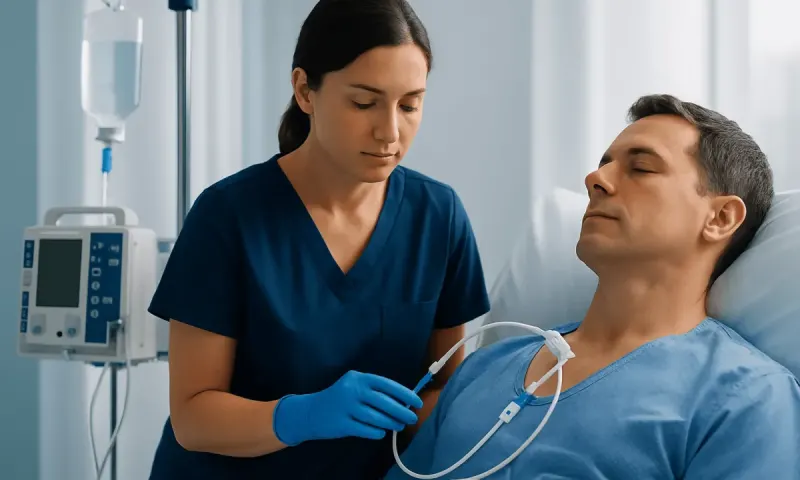
What Is a Dangerous Low Blood Pressure for a Woman? Causes, Explanations, and Next Steps

Low blood pressure is often harmless, especially in healthy women who feel well. It becomes concerning when it causes symptoms such as fainting, confusion, chest pain, shortness of breath, severe weakness, or signs of poor blood flow that need prompt medical assessment.
Overview: When Is Low Blood Pressure Actually Dangerous?
For many women, low blood pressure is not dangerous at all. Some naturally have lower readings and feel completely well, with no dizziness, weakness, or problems carrying out daily activities.
The question of what is a dangerous low blood pressure for a woman is best answered by looking at both the reading and the symptoms. In general, blood pressure is often called low when it is below about 90/60 mmHg, but a number by itself does not always signal danger. It becomes more concerning when blood pressure is low enough to reduce blood flow to the brain, heart, kidneys, and other organs.
Warning signs include fainting, near-fainting, confusion, severe dizziness, blurred vision, chest pain, shortness of breath, a very rapid or irregular heartbeat, cold clammy skin, or extreme weakness. These symptoms may suggest that the body is not getting enough oxygen-rich blood and should be assessed promptly.
Low blood pressure can be temporary and easy to correct, such as after dehydration or standing up too quickly. In other cases, it can reflect an underlying medical problem that deserves proper diagnosis and treatment.
Symptoms That Suggest Low Blood Pressure Is Serious

Many women with mildly low blood pressure have no symptoms at all. Others may notice brief lightheadedness when standing, especially after sitting for a long time, missing meals, or being in a hot environment. These episodes are often manageable, but repeated symptoms still deserve medical review.
Symptoms become more concerning when they are persistent, severe, or sudden. A woman should take low blood pressure more seriously if it is linked with:
- Fainting or nearly fainting
- Severe dizziness that affects walking or standing
- Blurred vision
- Nausea with weakness
- Confusion or unusual sleepiness
- Chest pain or pressure
- Shortness of breath
- Cold, pale, clammy skin
- A weak, rapid, or irregular pulse
These symptoms matter because they may mean the organs are not receiving enough blood flow. The risk is not defined by being a woman alone, but women may experience low blood pressure during pregnancy, heavy menstrual bleeding, dehydration, dieting, or medication use, which can change how symptoms appear.
If symptoms come on suddenly, especially after injury, vomiting, diarrhea, bleeding, fever, or a new medicine, urgent assessment is important. The same is true if low blood pressure occurs together with symptoms of heart attack or another emergency condition.
Why Low Blood Pressure Happens in Women

Low blood pressure has many possible causes. Sometimes it reflects normal body variation, especially in younger, fit, or smaller-framed women. In other situations, it develops because fluid volume drops, blood vessels widen too much, or the heart cannot pump effectively enough.
Common causes include dehydration, prolonged standing, overheating, skipping meals, alcohol use, pregnancy, and side effects of medicines. Blood pressure may also drop after starting drugs used for heart disease, anxiety, depression, pain, or high blood pressure. Heavy menstrual bleeding can contribute by lowering blood volume or leading to anemia.
Medical conditions can also be involved. These include hormonal disorders, infections, severe allergic reactions, internal bleeding, and heart problems. In some women, blood pressure falls mainly when they stand up, known as orthostatic hypotension. In others, it may occur after meals, during illness, or with disorders that affect the nervous system.
When symptoms are recurrent or unexplained, doctors may also consider conditions such as heart rhythm disorders or structural heart disease. Understanding the trigger is essential because treatment depends less on the number itself and more on the underlying reason the pressure is low.
What Doctors Look For During Diagnosis
When a woman reports low blood pressure, the doctor first asks how she feels rather than focusing only on the reading. A detailed history often provides important clues: when symptoms started, whether they happen on standing, what medicines are being taken, whether there has been vomiting, diarrhea, poor fluid intake, pregnancy, fever, or bleeding, and whether there are heart-related symptoms.
The physical examination usually includes checking blood pressure and pulse while lying down, sitting, and standing. This can help identify orthostatic hypotension. Doctors also look for signs of dehydration, anemia, infection, poor circulation, or heart and lung problems.
Tests are chosen based on the suspected cause. They may include blood tests, an electrocardiogram, heart monitoring, urine tests, or imaging. If fainting, palpitations, or chest symptoms are present, a woman may be referred for further cardiology evaluation or related testing to assess heart function and rhythm.
The aim is to answer three questions clearly: Is the low blood pressure causing harm? What is causing it? And does it need urgent treatment? This approach helps avoid unnecessary worry while still identifying cases that need prompt care.
Treatment Options Depend on the Cause
Treatment for low blood pressure is not one-size-fits-all. If a woman feels well and the low reading is her normal baseline, treatment may not be needed. When symptoms are present, the main goal is to correct the underlying cause and restore adequate blood flow.
For mild cases, doctors may recommend practical changes such as improving hydration, eating regular meals, standing up more slowly, and reviewing medications that may be lowering blood pressure too much. Compression stockings or other supportive measures may help some women with orthostatic symptoms.
When low blood pressure is due to dehydration, infection, bleeding, hormonal imbalance, or medication effects, treatment focuses on that specific issue. More serious cases may require intravenous fluids, adjustment of medicines, or hospital monitoring. If a heart problem is contributing, a specialist may advise tests or treatment through services such as cardiology care.
Pregnant women, older adults, and women with chronic illness may need more tailored guidance because the safest plan depends on the bigger medical picture. A clinician can explain whether the low blood pressure itself is the issue or whether it is a sign of another condition that needs treatment.
Prevention and Self-Care for Mild Low Blood Pressure
Not every episode of low blood pressure can be prevented, but simple habits can reduce symptoms in many women. Drinking enough fluids is often the most helpful step, especially in hot weather, during exercise, or after vomiting or diarrhea. Eating balanced meals at regular times may also help if symptoms tend to occur when blood sugar or fluid intake is low.
Women who feel dizzy on standing can try rising gradually from bed or from a chair. Tensing the leg muscles before standing, avoiding very hot showers, and not standing still for long periods may also reduce symptoms. If a medicine seems to trigger lightheadedness, it is important to ask a doctor before changing or stopping it.
Heavy menstrual bleeding, restrictive dieting, and repeated dehydration deserve attention because they can contribute to low blood pressure or make symptoms worse. Keeping a record of blood pressure readings, symptoms, recent illness, and fluid intake can be useful at a medical appointment.
Self-care is appropriate only when symptoms are mild and a woman otherwise feels well. Repeated fainting, worsening weakness, or new chest, breathing, or neurological symptoms should not be managed at home without medical advice.
When to Seek Medical Care
A woman should seek urgent medical care if low blood pressure is accompanied by fainting, confusion, chest pain, shortness of breath, blue lips, severe weakness, cold clammy skin, or signs of shock. Urgent evaluation is also important after an injury, during heavy bleeding, with black or bloody stools, or if there is a high fever or suspected severe infection.
Medical review is also advisable when low blood pressure is recurring, unexplained, or interfering with normal activities. This includes repeated dizziness on standing, frequent near-fainting, falls, palpitations, or symptoms during pregnancy. Even when the cause is not dangerous, recurrent symptoms can affect safety and quality of life and deserve assessment.
If heart-related symptoms are present, doctors may evaluate for conditions such as rhythm problems or other cardiovascular causes and may recommend electrocardiography or additional testing. Near the end of the care pathway, women seeking international care may wish to know that Acıbadem Health Point’s multidisciplinary specialists and JCI-accredited hospitals diagnose and treat conditions linked to low blood pressure for international patients.
In short, low blood pressure is often harmless when there are no symptoms. It becomes dangerous when the body shows signs that blood flow is inadequate, which is why the safest next step is to match the reading with the symptoms and seek qualified medical advice when warning signs appear.
Frequently asked questions
01What number is considered dangerously low blood pressure for a woman?
There is no single number that is dangerous for every woman. Blood pressure below 90/60 mmHg is often described as low, but it is mainly dangerous when it causes symptoms such as fainting, confusion, chest pain, breathlessness, or signs of shock.
02Can a healthy woman naturally have low blood pressure?
Yes. Some healthy women naturally have lower blood pressure and feel completely fine, with no dizziness or weakness. In those cases, the reading may simply be their normal baseline rather than a medical problem.
03Why might low blood pressure happen during pregnancy?
Blood pressure can fall during pregnancy because the circulatory system changes and blood vessels relax. Mild lowering is common, but severe dizziness, fainting, bleeding, or abdominal pain during pregnancy should always be assessed by a doctor promptly.
04Is dizziness when standing always a sign of something serious?
Not always. It can happen briefly from dehydration, heat, skipping meals, or standing up too quickly. However, frequent episodes, falls, fainting, or symptoms that are getting worse should be discussed with a clinician.
05Can dehydration cause dangerously low blood pressure?
Yes. When the body loses too much fluid through sweating, vomiting, diarrhea, or poor intake, blood volume can drop and blood pressure may fall. Severe dehydration can become serious, especially if it causes confusion, weakness, or fainting.
06Should a woman stop her blood pressure medicine if her readings are low?
She should not stop prescription medicine without medical advice. Some medicines can lower blood pressure too much, but the safest approach is to speak with the prescribing doctor, who can review symptoms, readings, and the overall treatment plan.
This article is for general information only and is not a substitute for professional medical advice. Please consult a qualified doctor about your individual situation.
Explore treatments in Turkey — costs, top hospitals & a free quote
JCI-accredited · board-certified surgeons · reply within 24h
Add us as a Preferred Source to see more of our trusted health content across Google Search, AI Overviews and Discover.
More from the Health Library
Pacemaker in Turkey: Hospitals, Safety & What to Expect
Chronic Venous Insufficiency Symptoms: Common Causes, Related Conditions, and When to See a Doctor