Orthopaedic Knee Specialist: Choosing the Right Care
An orthopaedic knee specialist is a doctor trained to assess and treat knee conditions, from sports injuries and overuse problems to arthritis and joint degeneration. The right clinician depends on the cause, severity and duration of symptoms, as well as a person's activity needs and overall health.
What does an orthopaedic knee specialist do?
An orthopaedic knee specialist is a physician who diagnoses and treats conditions affecting the knee joint and its supporting structures. These may include the bones, articular cartilage, menisci, ligaments, tendons, muscles and kneecap. Some specialists focus primarily on knee conditions, while others have broader orthopaedic expertise and a particular interest in sports injuries, arthritis or joint replacement.
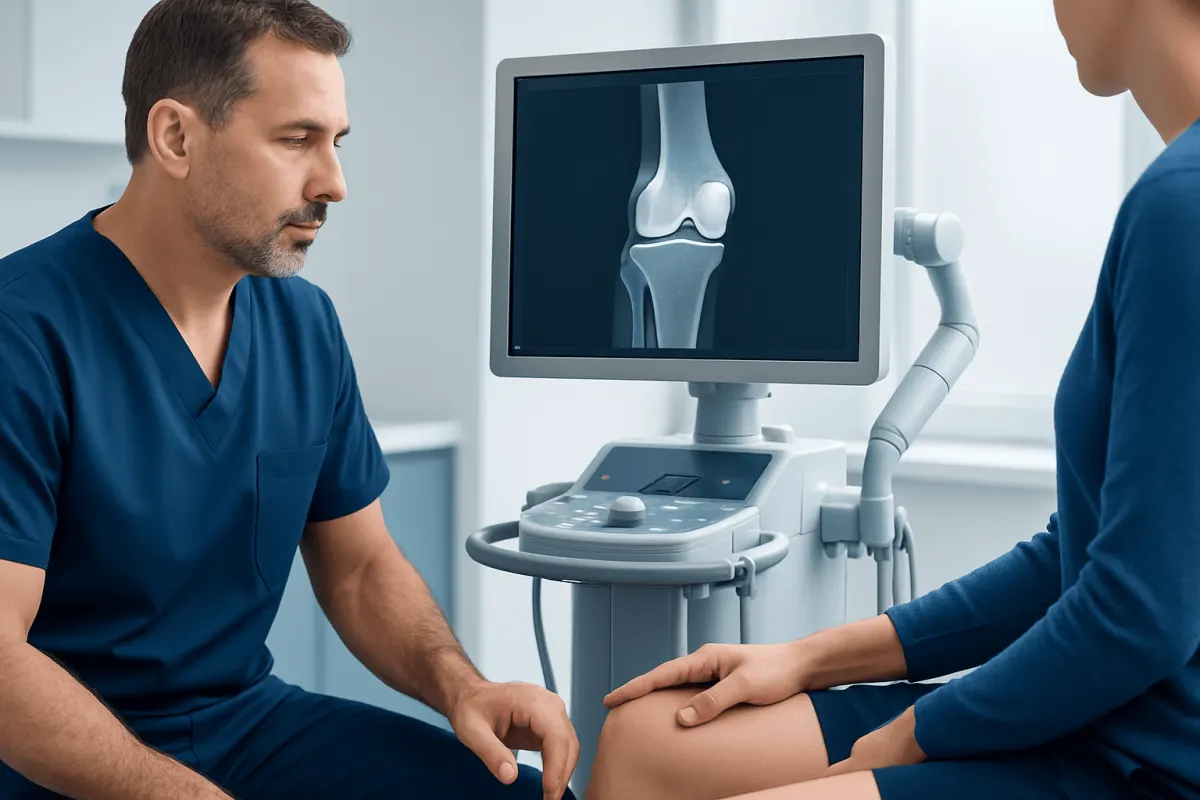
The specialist begins by understanding how symptoms started, where pain is felt and how the knee affects walking, work, sleep, sport or daily activities. A careful physical examination can assess movement, swelling, stability, strength and alignment. When necessary, the clinician may arrange imaging or other tests before recommending an individualized plan.
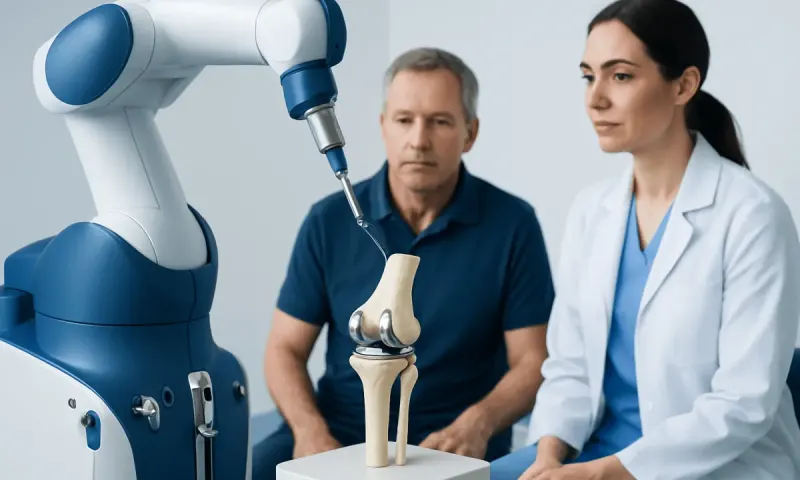
Orthopaedic knee specialists do not automatically recommend surgery. Their role is to identify the likely source of the problem, explain realistic options and support informed decisions. For many people, treatment starts with rehabilitation and other conservative measures; surgery may be considered when symptoms remain limiting or when there is a repairable injury that is unlikely to improve without it.
What is a knee orthopedic doctor called?
A knee orthopedic doctor may be called an orthopaedic surgeon, orthopedic surgeon, knee specialist, knee surgeon or orthopaedic knee specialist. “Orthopaedic” and “orthopedic” mean the same thing; spelling differs by region. A doctor who has additional expertise in sports medicine may also manage many knee injuries, particularly those involving ligaments, tendons or overuse.
Some clinicians focus on adult reconstruction, which includes knee replacement and care for advanced arthritis. Others focus on sports orthopaedics, arthroscopy or trauma. The most suitable knee medical specialist depends less on the title alone and more on the person’s diagnosis, treatment goals and the clinician’s relevant experience.
Other professionals are important members of the care team. A physiotherapist can help restore mobility, strength and confidence with movement, while a primary care clinician may assess early symptoms and coordinate referrals. Rheumatologists may be involved when inflammatory arthritis is suspected, and emergency clinicians assess acute injuries or possible infections.
What is the best specialist to see for knee pain?

The best specialist to see for knee pain depends on the pattern of symptoms. For new or mild pain without a major injury, a primary care doctor or physiotherapist can often provide an initial assessment and guide early treatment. They can also identify situations in which referral to an orthopaedic knee specialist, sports medicine doctor or rheumatologist is appropriate.
An orthopaedic knee specialist is particularly helpful for persistent pain, repeated swelling, instability, loss of motion, mechanical symptoms such as catching or locking, or pain after a significant injury. They may evaluate conditions such as meniscus tears, ligament injuries, patellofemoral pain, tendon disorders and osteoarthritis. Knee pain can also be referred from the hip or lower back, so a broad assessment remains important.
People with pain and swelling in several joints, prolonged morning stiffness, psoriasis or other symptoms suggesting inflammation may benefit from rheumatology assessment. A clinician can help determine the right route rather than assuming all knee pain has the same cause. Early, accurate assessment can reduce unnecessary rest, testing or treatment.
- Primary care or physiotherapy may be appropriate for first assessment of uncomplicated symptoms.
- Sports medicine or orthopaedics may be appropriate after an injury or for activity-related pain.
- Rheumatology may be appropriate when inflammatory arthritis is a concern.
- Emergency assessment is appropriate for severe injury, suspected infection or loss of circulation.
How knee problems are assessed and diagnosed
Diagnosis begins with a detailed history. The clinician may ask whether pain began suddenly or gradually, whether there was a twist, fall or direct impact, and which activities make symptoms worse. They will also ask about swelling, clicking, giving way, locking, numbness, fever, previous injuries, medical conditions and current medicines.
During examination, the doctor may compare both knees, observe walking and assess range of motion, tenderness, muscle strength, ligament stability and kneecap tracking. The findings help distinguish problems within the joint from conditions involving nearby muscles, tendons or the hip and spine.
Imaging is not required for every person with knee pain. X-rays can help assess bone alignment, fractures and arthritis-related changes. Magnetic resonance imaging (MRI) may be useful when a ligament, meniscus, cartilage or tendon injury is suspected and the result would change management. Ultrasound can sometimes assess superficial soft tissues or guide procedures. Blood tests may be considered if infection, gout or inflammatory disease is possible.
A diagnosis may evolve over time, especially when pain is caused by several factors. The clinician should explain what is known, what remains uncertain and why a particular test or treatment is being considered.
Treatment options an orthopaedic knee specialist may discuss
Treatment is based on the diagnosis, severity of symptoms, personal goals and overall health. For many common knee conditions, a structured exercise program is a central part of care. Physiotherapy can improve quadriceps and hip strength, flexibility, balance, walking mechanics and confidence in daily movement. Temporary changes in activity may help calm symptoms while maintaining general fitness.
Other nonsurgical options can include education about pacing activity, weight management when relevant, supportive footwear, braces or taping for selected conditions, and medicines recommended by a qualified clinician. Injections may be considered for certain diagnoses, but their benefits, limitations and possible risks should be discussed in the context of the individual’s condition.
Surgery may be considered for some fractures, tendon ruptures, unstable ligament injuries, certain meniscus tears, severe mechanical symptoms or advanced arthritis that continues to substantially limit quality of life despite appropriate conservative care. Procedures may include arthroscopy, ligament reconstruction, fracture fixation, osteotomy or partial or total knee replacement. The expected recovery, rehabilitation commitment and alternatives should be reviewed carefully before a decision is made.
At Acıbadem Health Point, multidisciplinary specialists in JCI-accredited hospitals can assess knee conditions and coordinate orthopaedic, imaging and rehabilitation care for international patients.
How to choose an orthopedic knee specialist in my area
When looking for an orthopedic knee specialist in my area, it can help to begin with the type of problem rather than a list of names. A person with a recent sports injury may seek someone experienced in sports orthopaedics and ligament or meniscus care. Someone with longstanding arthritis and major limitations may prefer a clinician who regularly manages joint preservation and knee replacement decisions.
Useful questions include whether the clinician treats the suspected condition regularly, what nonsurgical options are available, how rehabilitation is coordinated and how decisions are shared with patients. Board certification or equivalent recognized specialist credentials, hospital affiliation, access to appropriate imaging and clear communication are also reasonable considerations. A referral from a primary care doctor, physiotherapist or trusted local health service can be useful.
A consultation should allow time to discuss symptoms, examine the knee and understand the options. It is reasonable to ask why a test is needed, what may happen without surgery, what recovery involves and whether a second opinion would be helpful. The best fit is a clinician who matches the medical need and supports informed, realistic decisions.
Who is the best orthopedic surgeon in Louisville, KY?
There is no single orthopedic surgeon who is objectively “best” for every person in Louisville, Kentucky, or any other location. The right surgeon depends on the exact knee diagnosis, whether surgery is needed, the surgeon’s experience with that procedure and the patient’s preferences regarding communication, rehabilitation and follow-up care.
For a local search, patients can ask their primary care clinician, health insurer or local hospital system for appropriately qualified orthopaedic referrals. They may also review recognized professional credentials and confirm that the surgeon regularly treats the type of condition involved, such as ACL injury, complex fracture or knee arthritis. It is appropriate to arrange more than one consultation for a major elective operation.
Online ratings can offer limited information about office experience, but they cannot reliably establish clinical suitability or surgical quality for an individual. A focused consultation, transparent discussion of alternatives and access to a rehabilitation plan are more meaningful factors when choosing care.
When to seek medical care
Medical assessment is advisable when knee pain lasts more than a few weeks, keeps returning, limits normal activity or does not improve with sensible self-care. An orthopaedic knee specialist may be especially appropriate if the knee repeatedly gives way, becomes locked, cannot fully straighten, swells after activity or remains painful after an injury.
Urgent medical care is needed after a serious fall, collision or twisting injury when there is a visible deformity, severe swelling, inability to bear weight, uncontrolled pain, numbness, a cold or pale foot, or an open wound. Prompt assessment is also important if the knee is red, hot and swollen, particularly with fever or feeling generally unwell, because infection needs urgent exclusion.
Until assessment, avoid activities that cause sharp pain or instability. Gentle movement may be appropriate for some people, but forcing the knee through severe pain is not advisable. A clinician can provide guidance on safe activity, pain relief and whether imaging or specialist referral is needed.
Frequently asked questions
01Who is the best doctor for knee?
The best doctor for knee symptoms depends on the cause. A primary care doctor or physiotherapist may be a good starting point for mild or new pain, while an orthopaedic knee specialist is often appropriate for persistent symptoms, injury, instability or possible surgical conditions. A rheumatologist may be needed if inflammatory arthritis is suspected.
02Do I need a referral to see an orthopaedic knee specialist?
Referral requirements vary by country, health system and insurance plan. Some patients can book directly with an orthopaedic specialist, while others need a referral from a primary care clinician. Checking local requirements before arranging an appointment can help avoid delays.
03Will every knee problem need an MRI?
No. Many knee conditions can be assessed through medical history, physical examination and, when needed, X-rays. MRI is usually considered when detailed information about soft tissues such as ligaments, menisci or cartilage would change the treatment plan.
04Can an orthopaedic knee specialist help without surgery?
Yes. Nonsurgical treatment is often the first approach and may include physiotherapy, activity modification, braces, education and clinician-guided medicines or injections when appropriate. Surgery is considered only when it offers a likely benefit for the particular diagnosis and symptoms.
05When is knee pain an emergency?
Emergency assessment is important after major trauma with deformity, inability to bear weight, severe swelling, numbness or a cold foot. A hot, red, swollen knee with fever or significant illness also needs urgent evaluation. These symptoms can indicate conditions that should not wait for a routine appointment.
06How should a patient prepare for a knee specialist appointment?
It helps to note when symptoms began, what movements trigger them, any injuries, swelling episodes and treatments already tried. Bringing prior imaging reports, a medication list and details of medical conditions can support a more efficient assessment. Patients may also wish to prepare questions about diagnosis, recovery and treatment alternatives.
This article is for general information only and is not a substitute for professional medical advice. Please consult a qualified doctor about your individual situation.
Joint and spine care in Turkey — expert assessment & treatment
JCI-accredited · board-certified surgeons · reply within 24h
Add us as a Preferred Source to see more of our trusted health content across Google Search, AI Overviews and Discover.