Oral Melanoma: Signs That Need Prompt Assessment
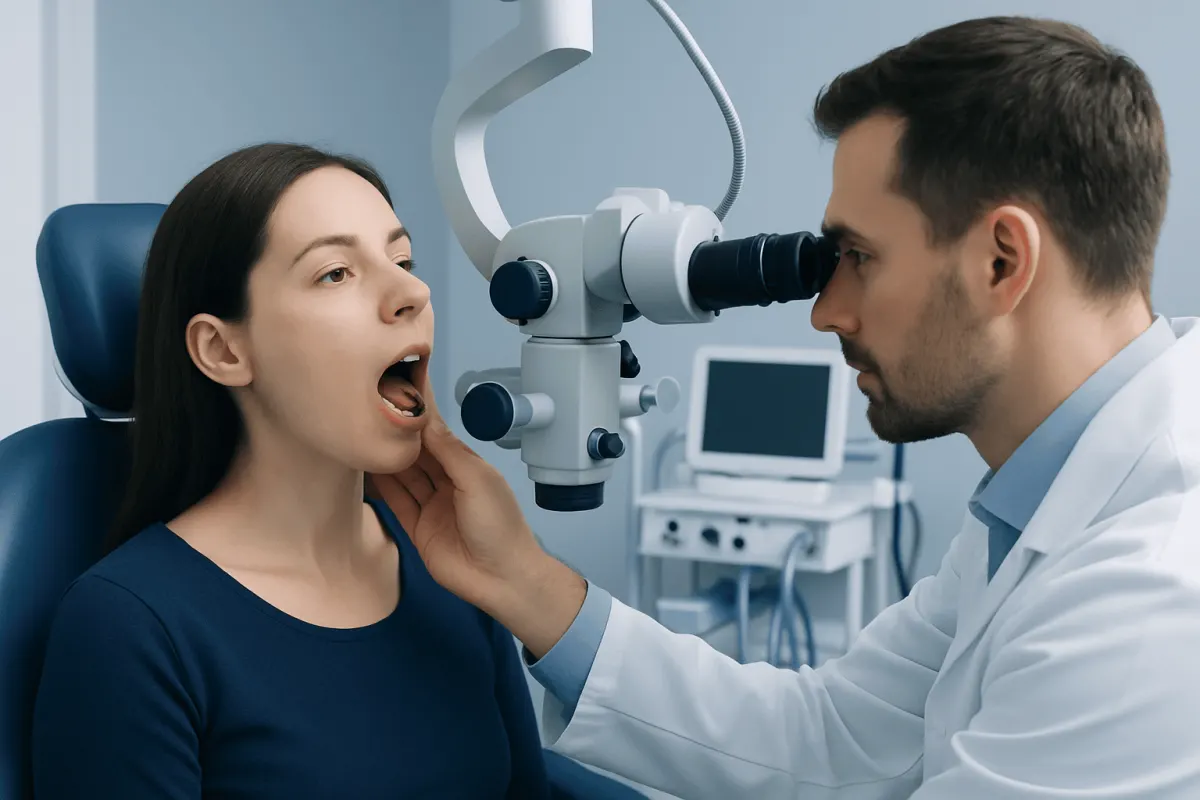
Oral melanoma is a rare type of cancer that begins in melanocytes, the cells that produce pigment, in the lining of the mouth. It can appear as a dark patch, lump, ulcer or unexplained bleeding, and any new or changing mouth lesion should be assessed promptly by a dentist, oral specialist or doctor.
Overview: what is oral melanoma?
Oral melanoma is a rare cancer that starts in melanocytes, cells that can make the pigment melanin. Although melanocytes are best known for their role in skin color, they are also present in several mucous membranes, including the lining of the mouth. For this reason, oral melanoma is also called oral mucosal melanoma.
It most often develops on the hard palate, the upper gum, or the inner tissues of the mouth, but it may occur elsewhere in the oral cavity. Unlike most skin melanomas, oral melanoma is not clearly linked to sun exposure. It can be difficult to notice early because the mouth is not always routinely examined and early changes may be painless.
Oral melanoma is different from the much more common forms of oral cancer that begin in squamous cells. It also differs biologically from melanoma of the skin, so evaluation and treatment planning should be led by clinicians experienced in head and neck cancer and melanoma. A dark area in the mouth does not automatically mean cancer, but it deserves professional assessment when it is new, changing, or persistent.
What oral melanoma may look and feel like
Oral melanoma may first appear as a flat, discolored spot or patch. Its color can range from brown, black, blue, or gray to red, purple, or pink. Some oral melanomas contain little pigment and may look like a pale or red lump instead. The edges may be irregular, and the affected area may gradually enlarge or develop several shades of color.
Symptoms vary according to the lesion’s location and size. Early oral melanoma may cause no discomfort. As it grows, a person may notice a lump, thickened area, sore that does not heal, bleeding, pain, numbness, loose teeth, difficulty with dentures, or changes in swallowing or speech. A lesion on the palate or gums can sometimes be mistaken for irritation, infection, bruising, or a benign pigmented mark.
Many harmless conditions can cause mouth discoloration, including natural pigmentation, fillings, medicines, smoking-related changes, bruising, and certain inflammatory conditions. However, it is not safe to self-diagnose based on color or symptoms. A spot that persists beyond about two weeks, increases in size, changes in appearance, or begins to bleed should be checked.
- A new dark or unevenly colored patch in the mouth
- An ulcer, lump, or thickened area that does not heal
- Unexplained bleeding, tenderness, numbness, or swelling
- Persistent difficulty chewing, swallowing, speaking, or wearing dentures
- Loose teeth or a change in the fit of dental appliances without an obvious cause
Causes and risk factors

The exact cause of oral melanoma is not fully understood. Cancer develops when cells acquire genetic changes that allow them to grow and spread abnormally, but the events that lead to these changes in oral melanocytes are often unclear. In contrast to skin melanoma, ultraviolet radiation from sunlight is not considered a primary cause of melanoma inside the mouth.
Oral melanoma is diagnosed more often in older adults, although it can occur at different ages. It may be more frequent in people with darker natural oral pigmentation, but this does not mean that normal pigmentation turns into cancer or that any specific person will develop the disease. Most people with oral melanoma do not have an identifiable inherited risk factor.
Research continues into whether chronic irritation, tobacco use, alcohol use, and certain pre-existing pigmented mouth lesions may have a role in some cases. These associations are not as firmly established as risk factors for many other oral cancers. Avoiding tobacco, limiting alcohol, and maintaining regular dental care remain sensible steps for overall oral health, but they cannot fully prevent oral melanoma.
How doctors diagnose and stage oral melanoma
Diagnosis starts with a careful history and examination of the mouth, neck, and nearby tissues. A dentist, oral and maxillofacial surgeon, ear, nose and throat specialist, dermatologist, or head and neck cancer specialist may assess the lesion. They will ask when it appeared, whether it has changed, and whether there are symptoms such as bleeding, pain, weight loss, or trouble swallowing.
A biopsy is essential for diagnosis. During this procedure, a clinician removes a small sample of the suspicious tissue, or sometimes the whole small lesion, for examination by a pathologist. The pathology report identifies whether melanoma is present and may include details that help guide treatment. A biopsy should not be delayed because visual inspection, photographs, or scans alone cannot confirm oral melanoma.
If melanoma is confirmed, imaging may be used to determine its extent. Depending on the clinical situation, this can include CT, MRI, PET-CT, or other tests to assess the primary site, lymph nodes in the neck, and possible spread elsewhere in the body. The cancer team uses these findings to stage the disease and develop an individual treatment plan. Testing of tumor tissue for selected genetic changes may also help determine whether particular systemic treatments are appropriate.
Treatment options and supportive care
Treatment for oral melanoma is individualized and is usually planned by a multidisciplinary team. When the tumor can be safely removed, surgery is commonly the main treatment. The aim is to remove the cancer with a margin of surrounding healthy tissue where possible. Surgery may also involve evaluating or treating lymph nodes in the neck if there is concern that cancer has spread there.
The extent of surgery depends on the tumor’s location and size. Reconstruction may be considered to help restore function and appearance after removal of tissue from the palate, gums, jaw, tongue, or other oral structures. Speech and swallowing therapists, dietitians, dentists, prosthodontists, and rehabilitation specialists can be important members of the care team before and after treatment.
Radiation therapy may be recommended after surgery in selected situations, particularly when there is a higher chance of local recurrence or when complete removal is difficult. Systemic treatments, which work throughout the body, may include immunotherapy and, in specific circumstances, targeted therapy or other medicines. Their role depends on the stage, molecular features of the tumor, previous treatment, and a person’s general health.
Clinical trials may be an option for some patients, especially because mucosal melanoma is rare and treatment research is ongoing. Patients can ask their oncology team about the expected benefits, possible side effects, practical recovery needs, and whether a second opinion from a specialist center would be useful.
Living with treatment and follow-up care
Oral melanoma and its treatment can affect eating, drinking, speaking, dental health, comfort, and emotional well-being. Supportive care is not separate from cancer treatment; it helps manage symptoms and maintain quality of life. Pain management, oral care, nutrition support, treatment for dry mouth, and help with swallowing or speech can be tailored to the individual’s needs.
After treatment, regular follow-up appointments are important. The team examines the mouth and neck, reviews symptoms, and arranges imaging when clinically needed. Follow-up schedules differ based on the stage, treatment received, and risk of recurrence. Patients should report any new mouth patch, ulcer, swelling, bleeding, neck lump, persistent pain, or difficulty swallowing between scheduled appointments.
Maintaining gentle oral hygiene and regular dental review can help protect oral tissues during and after treatment. Before starting cancer therapy, a dental assessment may be advised to address infections, damaged teeth, or gum problems. It is also helpful to avoid tobacco products and discuss alcohol use with the care team, as these can affect oral health and healing.
When to seek medical care
A person should arrange a dental or medical assessment promptly for a new pigmented patch in the mouth, especially if it is irregular, enlarging, multi-colored, raised, or unexplained. An appointment is also appropriate for any mouth sore, swelling, or area of bleeding that does not resolve within about two weeks.
More urgent assessment is appropriate if there is significant bleeding, rapidly increasing swelling, difficulty breathing or swallowing, severe pain, or an inability to drink enough fluids. These symptoms can have several causes, but they should not be managed by waiting at home. Emergency services may be needed for breathing difficulty or uncontrolled bleeding.
People previously treated for oral melanoma should contact their care team if they develop a new oral lesion, neck lump, persistent cough, unexplained weight loss, or a meaningful change in swallowing or speech. Acıbadem Health Point’s multidisciplinary specialists and JCI-accredited hospitals evaluate and treat oral and head and neck cancers for international patients, with care plans based on each person’s diagnosis and needs.
Frequently asked questions
01Is oral melanoma the same as skin melanoma?
Both cancers begin in melanocytes, but oral melanoma develops in the mucosal lining of the mouth rather than in the skin. It has different risk patterns and biological features, so treatment decisions are made using information specific to mucosal melanoma.
02Can a dentist detect oral melanoma?
A dentist may notice a suspicious patch, lump, ulcer, or other mouth change during a routine examination. However, a biopsy and pathology assessment are needed to confirm whether a lesion is oral melanoma.
03Does oral melanoma always appear black?
No. It may be brown, blue, gray, red, purple, or pink, and some tumors have little visible pigment. This is one reason why any persistent or changing oral lesion should be professionally examined.
04Is oral melanoma painful?
It may be painless in its early stages. Pain, bleeding, numbness, swelling, or difficulty chewing and swallowing can develop as the lesion changes or grows, but symptoms alone cannot confirm the cause.
05Can oral melanoma be cured?
The outlook depends on factors such as the size and location of the tumor, whether it has spread, whether it can be fully removed, and the response to treatment. Early specialist assessment and a personalized treatment plan give the care team the best information for discussing an individual's outlook.
06How can people check their mouths for possible changes?
Regular dental visits are useful because dentists examine areas that may be difficult to see at home. Between visits, a person can report a new patch, lump, ulcer, bleeding area, or change that does not settle within about two weeks rather than trying to identify the cause themselves.
This article is for general information only and is not a substitute for professional medical advice. Please consult a qualified doctor about your individual situation.
Persistent digestive symptoms? Get evaluated in Turkey
JCI-accredited · board-certified surgeons · reply within 24h
Add us as a Preferred Source to see more of our trusted health content across Google Search, AI Overviews and Discover.